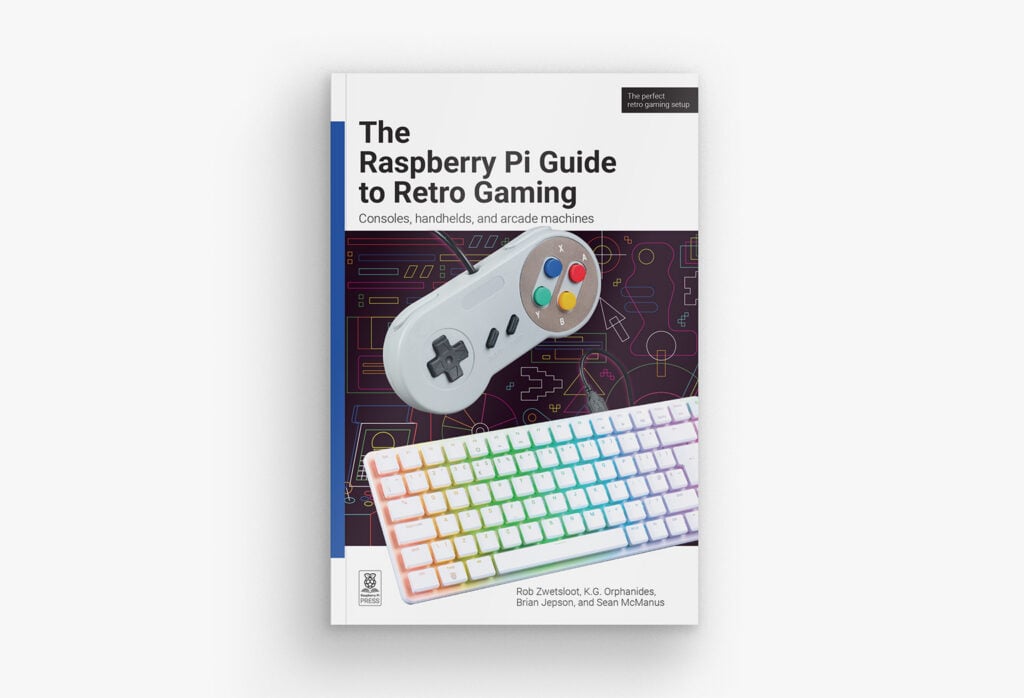
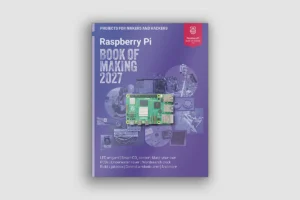
CAMBRIDGE, UK — For over a decade, the intersection of credit-card-sized computing and digital nostalgia has fueled one of the most vibrant communities in modern tech. Today, Raspberry Pi Press is formally cementing that legacy with the launch of its most comprehensive hardware-and-software manual to date: the Raspberry Pi Guide to RetroGaming. Available now in print and digital formats, the book arrives with a major promotional price point, slashing its standard £19.99 sticker price down to £9.99 for a limited launch window.
Written by a consortium of hardware veterans, emulation experts, and computing historians, the book aims to strip away the intimidating configuration layers of modern emulation. By bridging the gap between raw single-board hardware and decades of computing heritage, the guide offers a definitive roadmap for everyone from casual arcade enthusiasts to hardcore preservationists.
Main Facts: What is the Raspberry Pi Guide to Retro Gaming?
The Raspberry Pi Guide to Retro Gaming is a full-color, heavily illustrated compendium designed to take readers from unpacking a fresh Raspberry Pi board to building custom arcade cabinets, portable handhelds, and authentic cathode-ray tube (CRT) display setups.
Key features of the new publication include:
The Quick-Start Blueprint: Authored by Raspberry Pi community regular Rob, the opening chapters offer an immediate plug-and-play framework to get games running within minutes.
Hardware Compatibility Breakdowns: Detailed assessments of what specific Raspberry Pi generations can handle, spanning different operating systems, custom front-ends, and performance-tweaking parameters.
Classic Computer Emulation: Deep-dive tutorials covering approximately a dozen 8-bit, 16-bit, and early 32-bit computer architectures from the 1980s and 1990s.
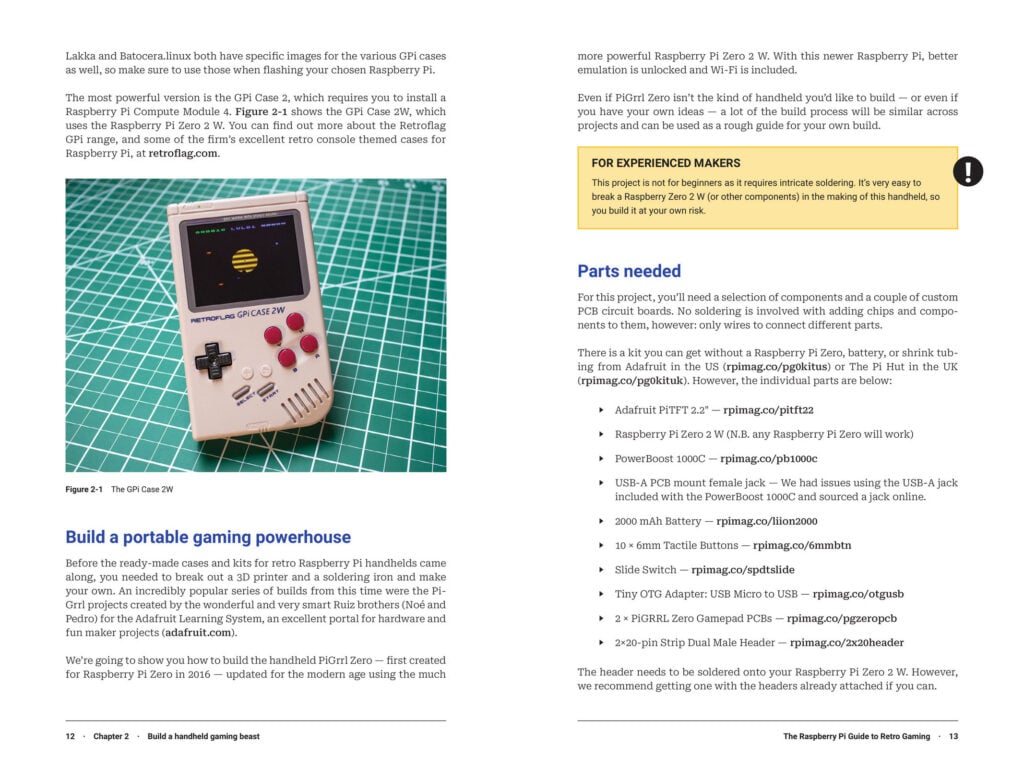
Advanced Hardware Integration: Guides on breathing new life into legacy peripherals—including floppy drives, optical media, vintage DB9 joysticks, and period-accurate light guns.
The Homebrew & Legal Landscape: Practical strategies for legally sourcing ROM backups, exploring modern digital marketplaces like Steam and GOG, and tapping into the thriving 21st-century homebrew development scene for legacy systems.
Hands-on Programming: A throwback type-in coding tutorial courtesy of author Sean McManus, showing readers how to code games directly on an emulated Sinclair ZX Spectrum.
The book is currently available via the official Raspberry Pi Press online store, Amazon UK, Amazon US, and the flagship Raspberry Pi Store in Cambridge.
Chronology: The Evolution of Pi-Powered Emulation
To understand why this book is arriving now, it helps to look back at the trajectory of Raspberry Pi as a gaming platform. The relationship between the two communities began almost immediately after the debut of the original Raspberry Pi model in 2012.
2012–2015: The Experimental Era
Shortly after the Raspberry Pi Model B hit the market, hobbyists realized that its small footprint and low power draw made it an ideal candidate for software emulation. Early pioneers began porting lightweight versions of RetroArch and individual emulators like MAME and VICE. Performance was constrained by limited RAM and single-core processing limits, restricting reliable emulation mostly to 8-bit and 16-bit consoles (such as the NES, Master System, and SNES) alongside early home computers like the Commodore 64 and ZX Spectrum.
2015–2020: The Consolidation and Packaged OS Phase
As Raspberry Pi hardware matured through iterations like the Pi 2 and Pi 3, community-driven projects such as RetroPie and Recalbox emerged. These specialized Linux distributions packaged dozens of emulators into cohesive, user-friendly graphical interfaces. Emulation expanded comfortably into the 32-bit and 5th-generation console eras (including the Sony PlayStation and Nintendo 64), while DIY enthusiasts began fabricating custom 3D-printed handhelds and arcade bartops powered entirely by Pi boards.
2020–Present: Modern Power and the Definitive Guide
With the release of the Raspberry Pi 4 and the vastly more powerful Raspberry Pi 5, hardware bottlenecks for vintage emulation vanished. Modern boards can effortlessly push high-resolution scaling, run complex shaders, and handle demanding system architectures. However, the sheer breadth of options—dozens of operating systems, hundreds of configuration files, and countless input methods—created a steep barrier to entry for newcomers. Recognizing this complexity, Raspberry Pi Press spent the past year assembling the Guide to Retro Gaming to organize, codify, and future-proof this wealth of community knowledge.
Supporting Data: Inside the Hardware and Software Stack
The book does not merely scratch the surface of emulation; it provides granular technical breakdowns tailored to the modern hardware ecosystem.
Navigating Emulation Operating Systems
A central focus of the book is helping users choose the right software environment. Different operating systems cater to different use cases:
All-in-One Front-Ends: Operating systems like RetroPie and Batocera offer polished, controller-driven menus that aggregate metadata, box art, and manuals, making a Raspberry Pi behave like a modern commercial console.
Bare-Metal and Minimalist Distributions: For users chasing absolute latency reduction and resource efficiency, specialized minimal builds strip away background Linux tasks to dedicate 100% of the SoC’s power to the emulation core.
The Computer Emulation Deep Dive
While console emulation is straightforward, classic personal computers present unique input challenges involving keyboards, cassette tapes, and disk images. Brian Jepson, Publishing Director at Raspberry Pi Press and a volunteer at the Rhode Island Computer Museum, contributed extensive guides on emulating systems from the 8- and 16-bit personal computer booms.
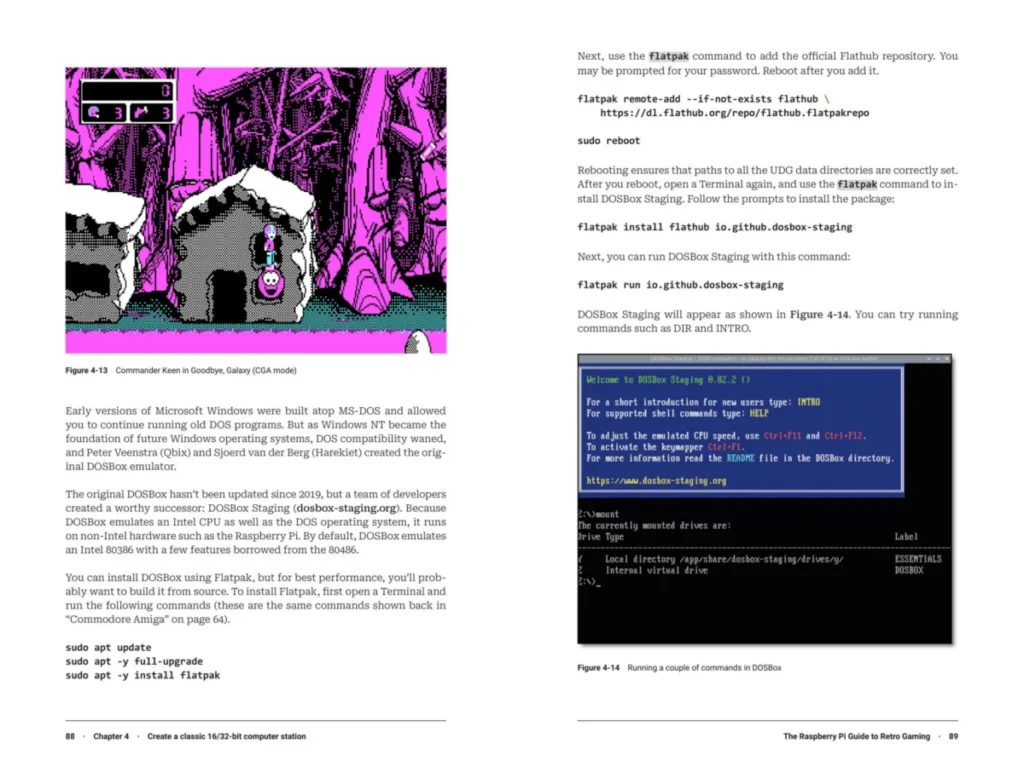
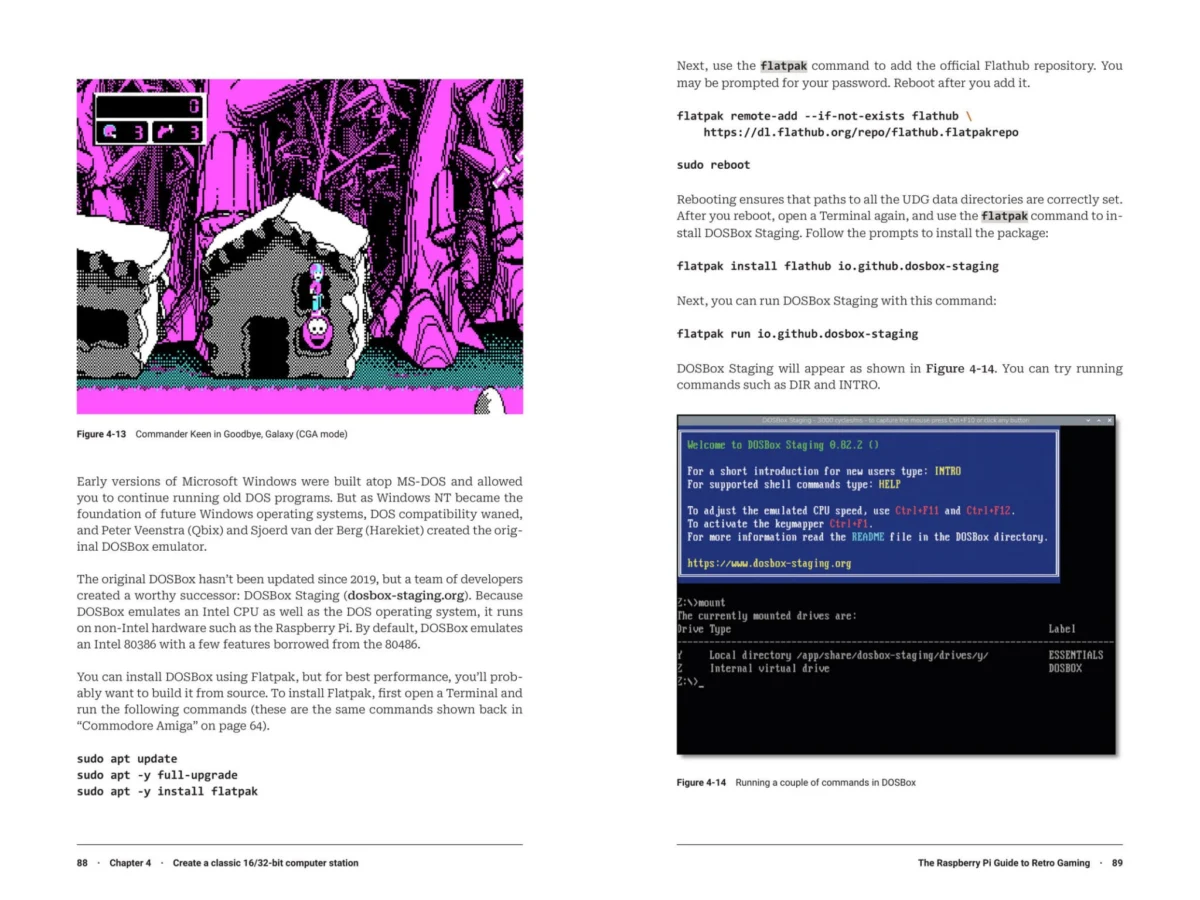
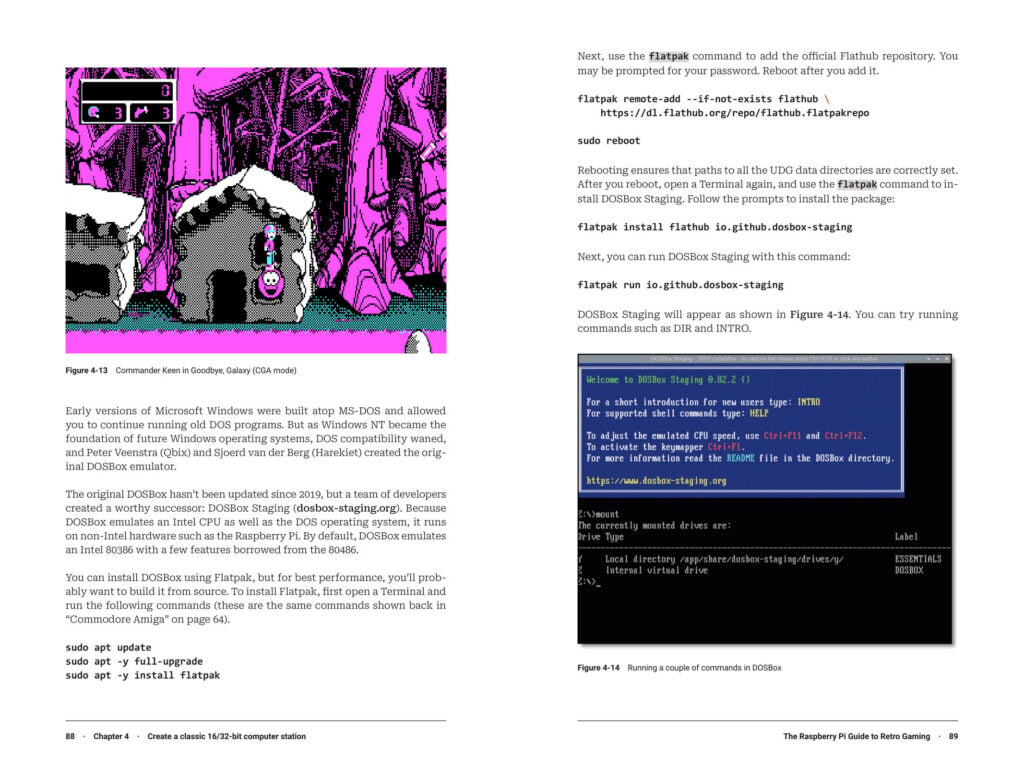
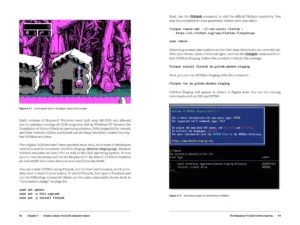
Readers are guided through the nuances of setting up DOSBox Staging—a modern, highly optimized fork of the original DOSBox—to run classic MS-DOS software. Alongside x86 PC emulation, the book covers classic architectures from Apple, Atari, Commodore, and Sinclair, detailing how to map modern USB keyboards to emulate quirky period-specific key layouts.
Advanced Tweaking and CRT Integration
Performance optimization is another cornerstone of the publication. Resident retro gaming expert K.G. Orphanides penned technical chapters on squeezing maximum performance out of the Pi’s GPU, fine-tuning audio latency, and configuring overlays to replicate authentic arcade scanlines.
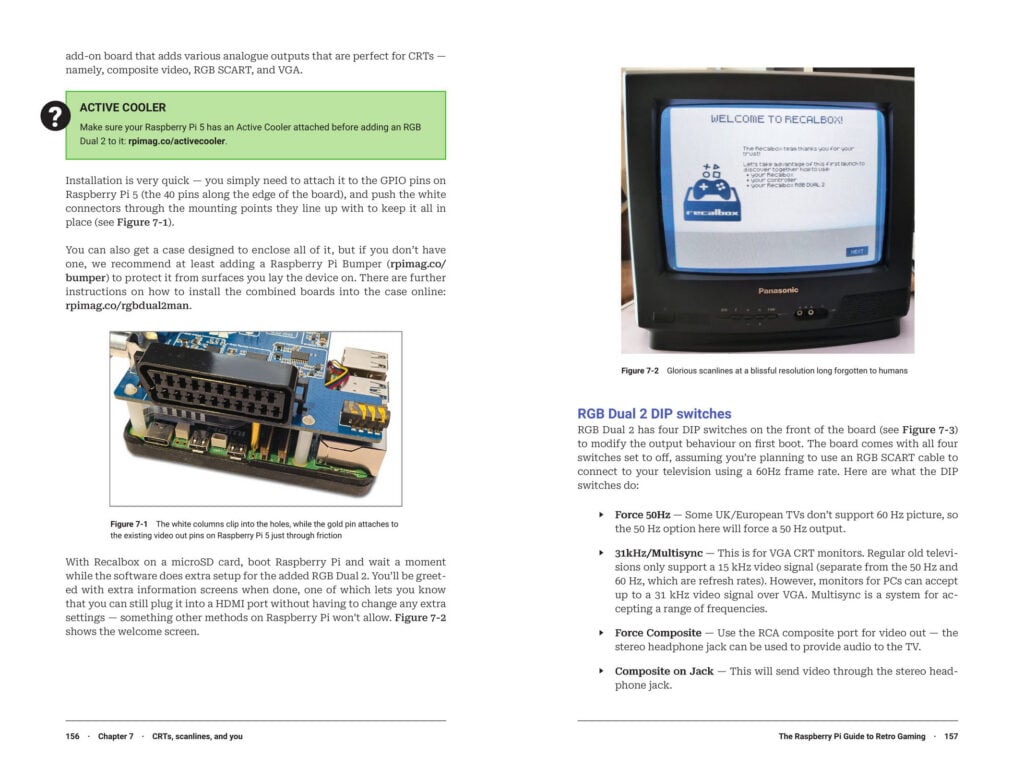
Furthermore, the book caters to purists who prefer analog display setups. By utilizing specialized Raspberry Pi GPIO add-ons and video breakout cables, users can output true 240p signals to vintage cathode-ray tube (CRT) televisions. According to the authors, playing retro titles on a CRT monitor eliminates motion blur and input lag while restoring the visual trickery—such as transparency blending and dithering—that game artists relied upon in the 1980s and 90s.
Official Responses and Perspectives
The creation of the book was a collaborative, multi-disciplinary effort drawing on decades of computing history and enthusiast culture.
Rob, writing in the official Raspberry Pi announcement post, joked about his previous timeline slips while emphasizing the passion behind the project:
"When I said I’d ‘see you next year’ in the Raspberry Pi Official Annual 2027 blog post, I was lying. Fortunately, it was for a good reason, because I’m back to announce our brand-new Raspberry Pi Guide to Retro Gaming, out now. We’ve all been working very hard on this book over the last year, and I’m very excited to see it in people’s hands. I hope it can help inspire — or level up — your retro gaming journey."
Addressing the breadth of the book’s coverage, Publishing Director Brian Jepson noted that preserving the software history of early home computers required bridging generational gaps in hardware design. By tapping into museum archives and practical restoration experience, the editorial team ensured that classic computing tutorials remained faithful to the spirit of the original machines while remaining approachable on modern Linux-based hardware.
The editorial team also tackled the often murky topic of software acquisition. In a co-authored section, Rob and K.G. Orphanides outlined how modern digital storefronts—including Steam, GOG, and specialist indie publishers—frequently bundle classic games into legally distributed ROM packages that can be extracted and run on alternative architectures. Coupled with a thriving homebrew community that continues to write original commercial software for hardware platforms celebrating their 40th anniversaries, the book positions retro gaming not as a stagnant exercise in nostalgia, but as an active, living ecosystem.
Implications: Preservation, Education, and Community Impact
The release of the Raspberry Pi Guide to Retro Gaming carries several broader implications for the tech, education, and digital preservation sectors.
1. Democratizing Digital Preservation
Institutional software preservation has historically been bottlenecked by proprietary hardware degradation and the specialized knowledge required to maintain aging systems. By lowering the financial and technical threshold required to emulate dozens of extinct platforms, affordable single-board computers like the Raspberry Pi play a vital role in keeping computing history accessible. The book acts as a force multiplier, translating academic-level preservation strategies into accessible weekend DIY projects.
2. Reigniting Hands-on STEM Education
The inclusion of Sean McManus’s tutorial on programming games directly onto an emulated Sinclair ZX Spectrum highlights an educational philosophy core to the Raspberry Pi ethos. By showing users how to view, edit, and type out source code rather than merely consuming compiled binaries, the book channels the empowering spirit of the 1980s home microcomputer boom, encouraging a new generation of users to transition from gamers to creators.
3. Broadening Hardware Longevity
In an era dominated by electronic waste and planned obsolescence, the retro gaming community’s dedication to repurposing old CRT televisions, vintage joysticks, and obsolete peripherals aligns closely with broader right-to-repair and sustainability movements. The guide validates these efforts by showing how modern open-source software can seamlessly bridge a 40-year generational divide in electronics.
Availability
The Raspberry Pi Guide to Retro Gaming is available globally. Readers looking to pick up a physical copy or download the digital edition can visit the Raspberry Pi Press Store, major online retailers like Amazon, or drop by the flagship Raspberry Pi Store in Cambridge, UK.
As for the authors, they plan to spend their downtime testing their freshly optimized setups—with Rob noting that he has urgent business attending to the Sonic the Hedgehog 3 Hydrocity Zone.