Accelerating Generative AI: AWS Unveils Amazon Bedrock Managed Knowledge Base to Simplify Enterprise RAG Pipelines
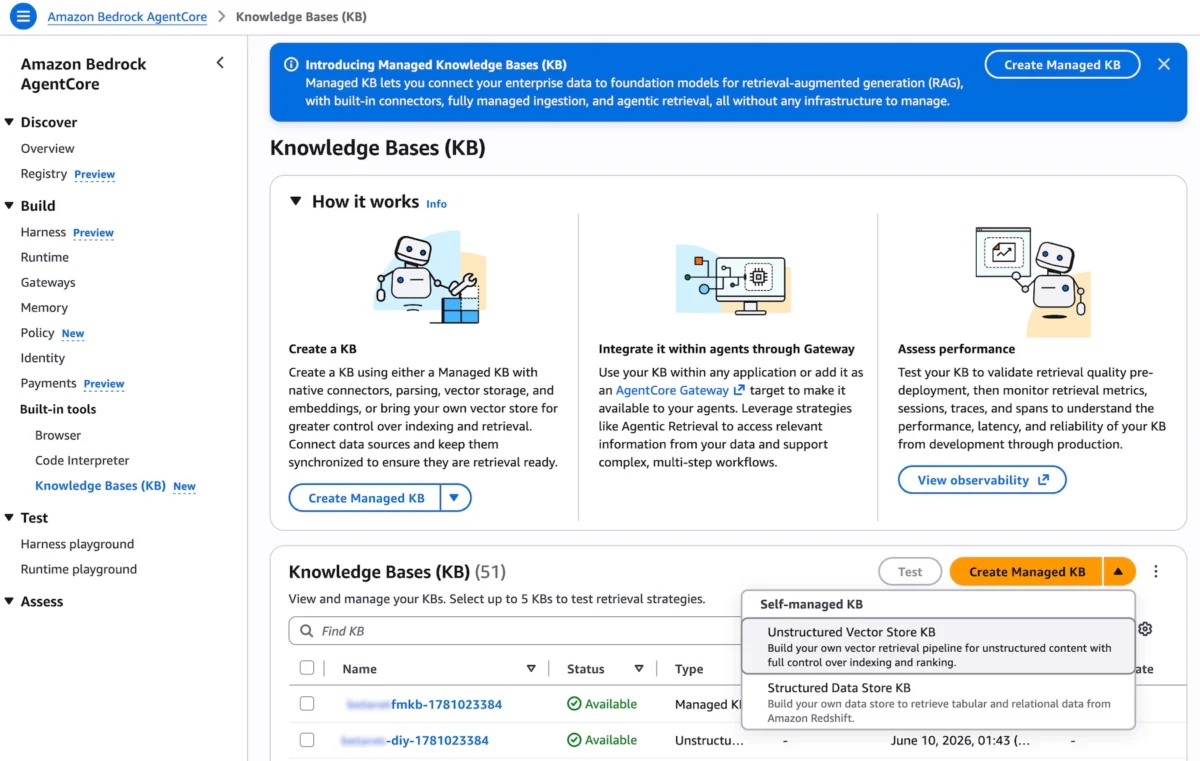
In a significant move to lower the barriers to entry for enterprise-grade generative AI, Amazon Web Services (AWS) has announced the launch of Amazon Bedrock Managed Knowledge Base. This new suite of capabilities is designed to fundamentally change how developers build Retrieval-Augmented Generation (RAG) applications by abstracting the complex, undifferentiated heavy lifting of infrastructure management, data ingestion, and multi-step reasoning.
For organizations struggling to balance the demand for AI innovation with the realities of data security, reliability, and technical overhead, this release marks a shift toward a more "agentic" future—one where applications can autonomously navigate proprietary data to provide accurate, context-aware responses in minutes rather than weeks.
Main Facts: A Paradigm Shift in RAG Development
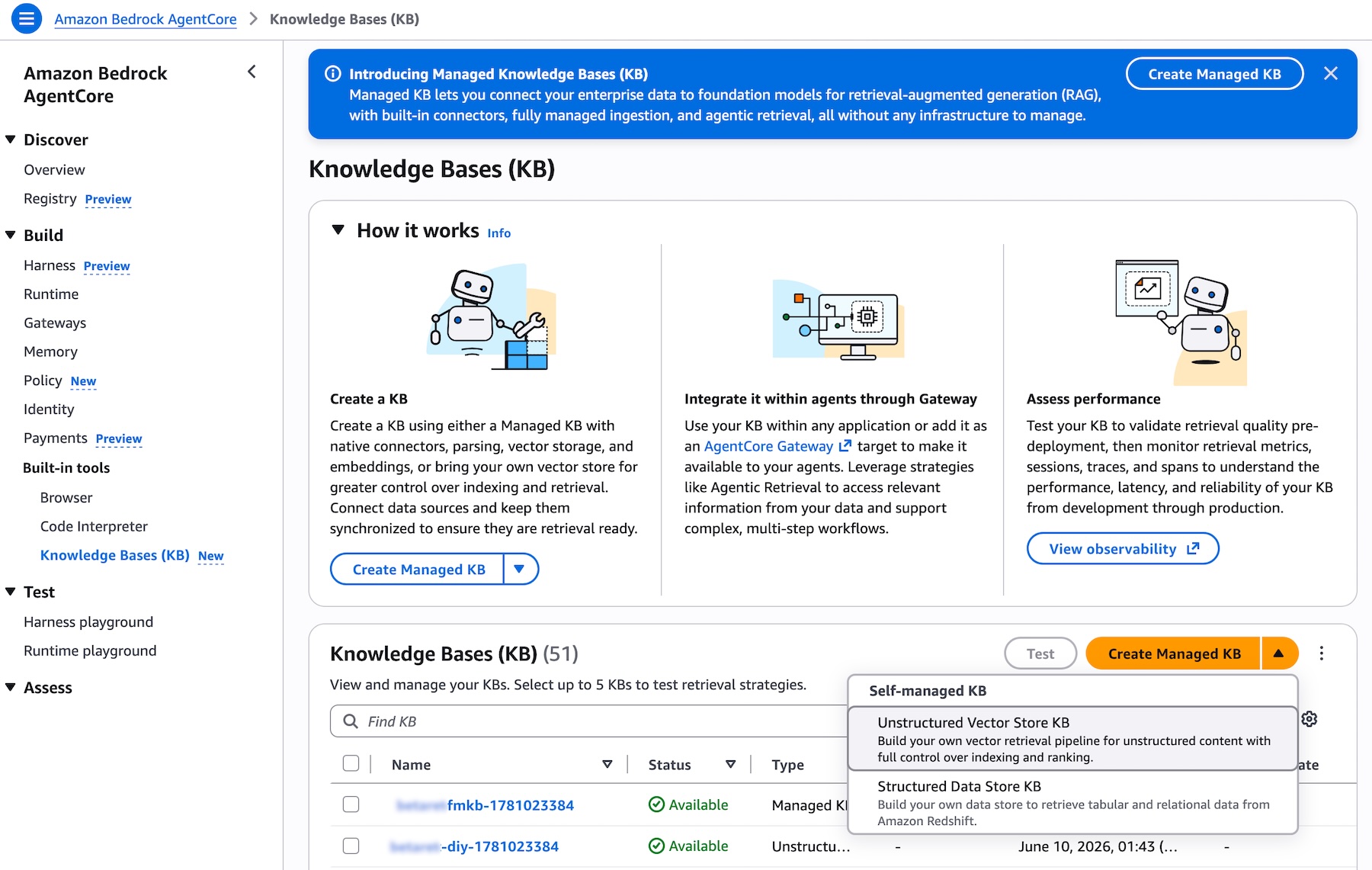
The core challenge of modern generative AI lies in the "data gap." Foundation models are powerful, but they lack knowledge of a company’s private, constantly evolving data. RAG was developed to bridge this gap, but building a production-ready RAG pipeline has historically required teams to manually manage vector databases, embedding models, re-rankers, and complex orchestration logic.
Amazon Bedrock Managed Knowledge Base effectively replaces these fragmented workflows with a single, managed primitive. By automating the end-to-end pipeline—from storage and retrieval to intelligent re-ranking and foundation model selection—AWS is allowing developers to refocus their efforts on business logic and user experience.
Key Capabilities Include:
- Automated Infrastructure Abstraction: The service handles the underlying vector stores, embedding models, and re-ranker selection automatically, ensuring that developers are not locked into manual maintenance cycles.
- Smart Parsing: A sophisticated ingestion layer that automatically optimizes data parsing strategies based on file types and source connectors, eliminating weeks of trial-and-error in data preparation.
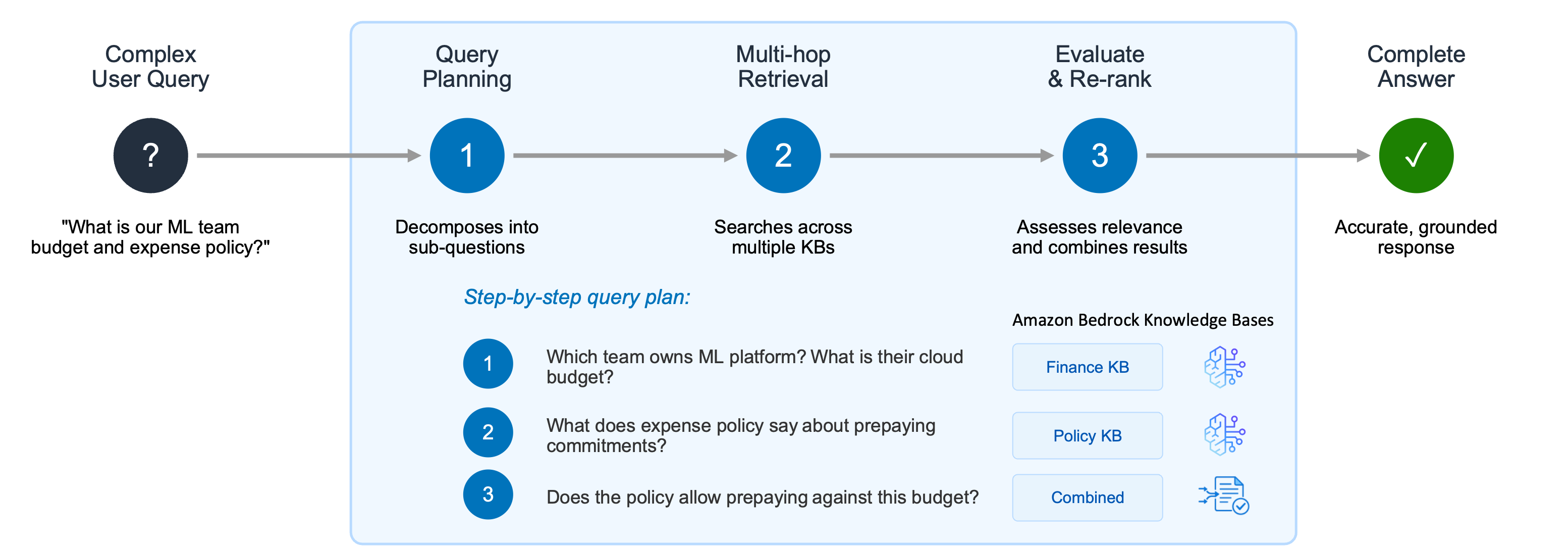
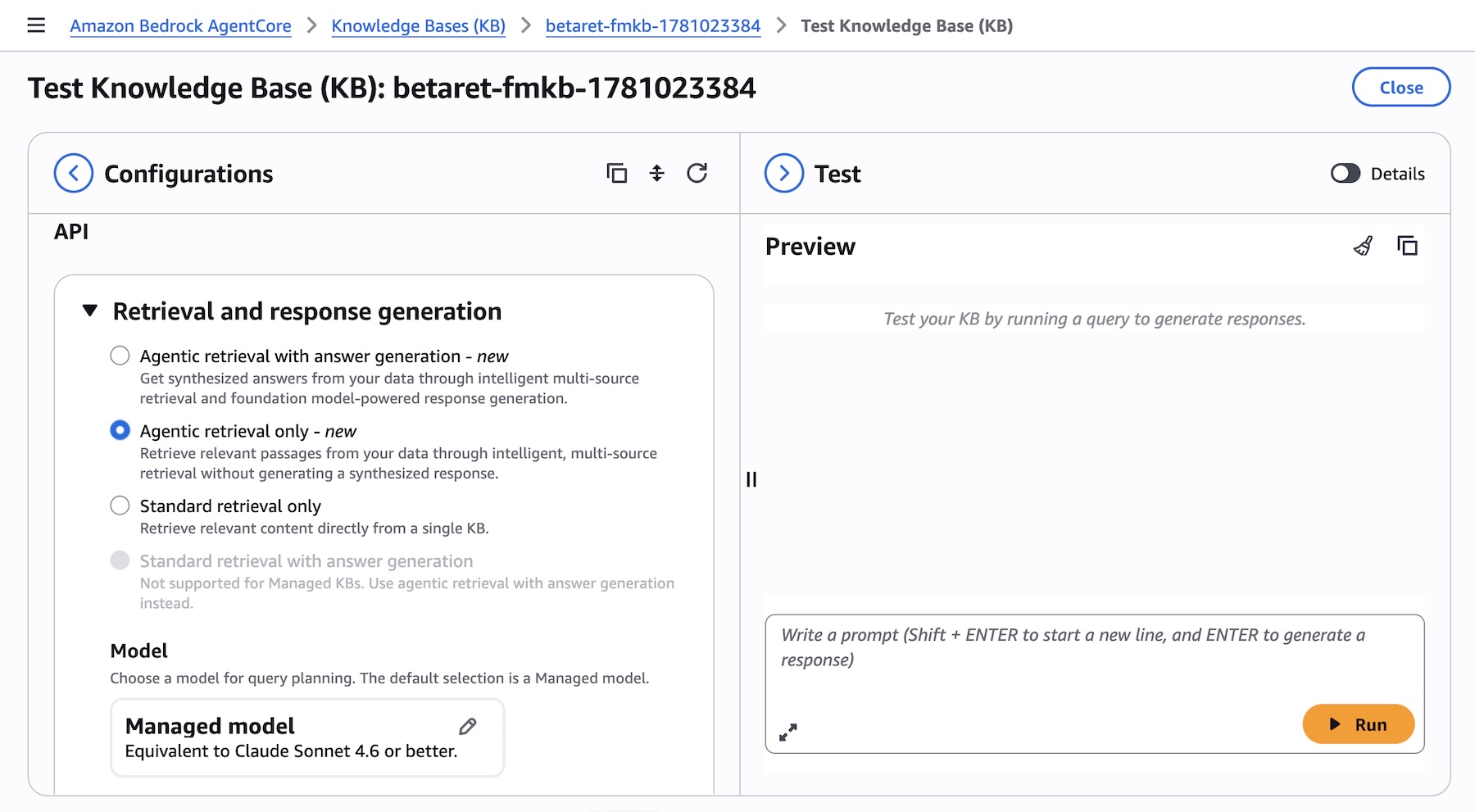
- The Agentic Retriever: A revolutionary approach to querying that allows for multi-hop reasoning. Instead of a single, linear search, the system decomposes complex, multi-part questions into logical sub-tasks, performs iterative searches across various knowledge bases, and synthesizes the findings.
- Native Integration with AgentCore Gateway: By treating the knowledge base as a pre-built target within the Bedrock ecosystem, AWS has enabled seamless integration with popular frameworks like LangChain, CrewAI, and LlamaIndex using the Model Context Protocol (MCP).
Chronology: The Evolution Toward Managed Intelligence
The journey to this launch reflects the rapid maturation of the generative AI market.
- Early 2023: AWS introduced Amazon Bedrock, providing a foundation for building generative AI applications via API access to top foundation models.
- Mid-2023: The focus shifted to "Knowledge Bases for Amazon Bedrock," allowing developers to connect models to their data sources via vector embeddings.
- Late 2024–Early 2025: As companies pushed for more autonomous "agentic" workflows, the industry hit a bottleneck. Developers found that manual orchestration of retrieval—particularly for complex, multi-hop queries—was the single greatest inhibitor to scaling production applications.
- June 2026: Today’s announcement serves as the culmination of these lessons. By integrating the "Agentic Retriever" and MCP-compliant gateways, AWS has moved beyond simple document retrieval into the realm of true enterprise reasoning.
Supporting Data and Technical Architecture
The architecture of the Managed Knowledge Base is designed to provide both "batteries-included" ease and deep customizability.

The Ingestion Pipeline
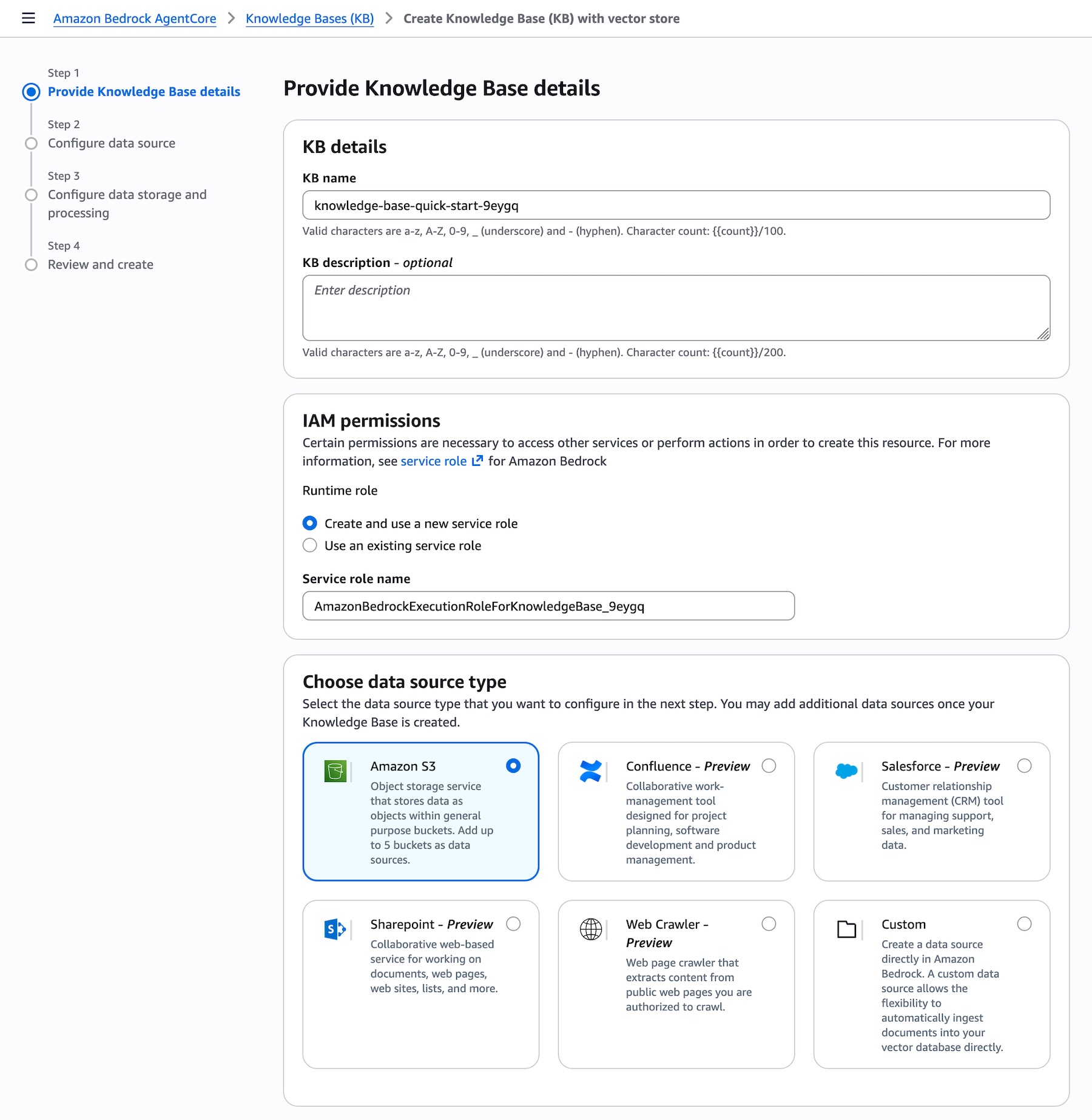
When a developer connects a data source—whether it be Amazon S3, Confluence, Google Drive, OneDrive, SharePoint, or a custom web crawler—the "Smart Parsing" engine kicks in. It utilizes a combination of advanced OCR, layout-aware parsing, and metadata extraction to ensure that the semantic meaning of documents is preserved before they are vectorized.
The Agentic Retriever
Perhaps the most notable technical leap is the move from keyword or semantic similarity search to Agentic Retrieval. In a traditional RAG system, a question like, "What is our cloud infrastructure budget for the ML team, and does the policy allow for annual prepayments?" often fails because the system treats the query as one unit. The Agentic Retriever breaks this into a plan:
- Retrieve: Budget for the ML Platform Team.
- Retrieve: Expense policy regarding annual prepayments.
- Evaluate: Reconcile the budget against the policy constraints.
- Synthesize: Provide the final answer.
This logic is executed entirely within the managed service, preventing the developer from having to write complex orchestration code.
Implications for the Enterprise
The implications of this release are profound, particularly for large-scale enterprises with massive, siloed data repositories.
Reducing "Undifferentiated Heavy Lifting"
Previously, if a company wanted to change its embedding model to improve accuracy, the engineering team often had to re-index their entire dataset. With the Managed Knowledge Base, the decoupling of the infrastructure layer from the model layer means that developers can swap foundation models, re-rankers, or embedding strategies without disrupting the underlying data pipeline. This provides a level of agility that is critical for companies operating in fast-moving, high-stakes environments.
Democratizing AI Development
By integrating with the Model Context Protocol (MCP), AWS is actively encouraging an open ecosystem. Developers are no longer forced into a proprietary, closed-loop environment. Whether they use LangGraph, LlamaIndex, or Strands Agents, the Managed Knowledge Base acts as a reliable, observable data provider. This is a strategic move to ensure that Bedrock remains the "backbone" of choice for the next generation of enterprise agents, regardless of which UI or orchestration framework the developer prefers.
Enhanced Security and Governance
For the C-suite, the appeal is centered on security and compliance. Because the service is built on AWS Identity and Access Management (IAM), permissions are managed at the knowledge base level. As the service auto-generates role-based access controls, it reduces the risk of "permission creep" or unauthorized data exposure, which is a major concern when deploying AI agents across an entire organization.
Official Perspective and Future Outlook
"Developers should be spending their time building the agentic behaviors that drive business value, not configuring vector database clusters," says the AWS Bedrock product team. By shifting the complexity into a managed primitive, AWS is essentially telling its enterprise customers that they can now skip the "infrastructure phase" of AI development.
Availability and Pricing
The service is available immediately in major global regions, including US East (N. Virginia), US West (Oregon), Asia Pacific (Sydney, Tokyo), Europe (Dublin, Frankfurt, London), and AWS GovCloud (US-West).
The pricing model follows the "pay-as-you-go" philosophy of the cloud, billed based on the size of the indexed data and the number of retrievals performed. This model is particularly attractive for startups and enterprises alike, as it eliminates the need for expensive upfront infrastructure commitments, allowing organizations to scale their AI usage in direct proportion to their success.
What’s Next?
As generative AI moves toward "Agentic" workflows, the role of the Knowledge Base will only become more central. The roadmap for the Managed Knowledge Base suggests further integration with real-time data streaming and more advanced, multi-modal reasoning capabilities.
For developers, the message is clear: the era of building bespoke, fragile RAG pipelines is drawing to a close. With tools like the Bedrock Managed Knowledge Base, the focus is shifting toward higher-level intelligence, where the goal is no longer just to "search" for information, but to "act" upon it.
For further technical documentation, developers are encouraged to visit the Amazon Bedrock Knowledge Bases Developer Guide or explore the AgentCore open-source repository to begin integrating these capabilities into their existing stacks.