Advancing Precision Medicine: Cellares and Sonoma Biotherapeutics Forge Strategic Alliance to Automate Treg Therapy Manufacturing
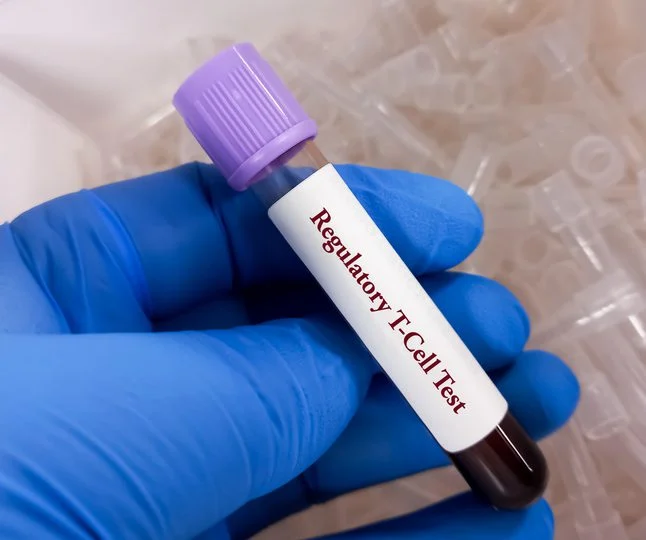
In a significant move toward the industrialization of cell-based medicine, Cellares and Sonoma Biotherapeutics have announced a strategic partnership aimed at automating the manufacturing of SBT-77-7101, a next-generation engineered regulatory T cell (Treg) therapy. This collaboration targets one of the most challenging frontiers in modern immunology: the treatment of poly-refractory rheumatoid arthritis (RA) in patients who have exhausted all conventional therapeutic options.
By integrating Sonoma Biotherapeutics’ proprietary Treg platform with Cellares’ automated "Smart Factory" infrastructure, the companies aim to overcome the notorious scalability and reliability hurdles that have historically plagued the manufacturing of personalized cell therapies.
The Core Objective: Scaling Precision Immunology
The collaboration centers on the transfer of SonomaBio’s SBT-77-7101 manufacturing process onto the Cellares Cell Shuttle platform. This automated, end-to-end manufacturing system is designed to streamline the production of cell therapies, reducing manual labor and the inherent variability associated with human-led laboratory processes.
SBT-77-7101 is currently in Phase I clinical development. It represents a sophisticated approach to autoimmune disease management, utilizing genetically engineered regulatory T cells to restore immune homeostasis. Unlike traditional immunosuppressants, which dampen the entire immune system, Tregs are intended to target the underlying dysregulation of the immune response in RA patients with surgical precision.
However, the clinical potential of such therapies is often gated by the “manufacturing bottleneck.” Because Tregs are highly sensitive to their environment—specifically to changes in culture conditions, mechanical stress, and processing time—maintaining their potency and phenotype during mass production is a formidable technical challenge.
Chronology: From Concept to Commercial-Scale Infrastructure
The journey toward this partnership reflects the rapid evolution of the cell therapy sector over the last decade.
The Early Days of Treg Research
For years, the promise of regulatory T cells was confined to academic settings. Researchers recognized that Tregs could serve as the "brakes" of the immune system, but harvesting, expanding, and engineering these cells at clinical scale proved to be exceptionally difficult. Sonoma Biotherapeutics emerged as a leader in this space, focusing on the development of disease-modifying therapies that target the root cause of autoimmune diseases.
The Rise of Cellares
Simultaneously, Cellares identified that the "lab-bench" approach to cell therapy manufacturing was unsustainable. In 2021 and 2022, the company began unveiling its "Cell Shuttle" technology—a closed, automated, and scalable platform that acts as a factory-in-a-box. By automating both the manufacturing and the quality control (QC) processes via the "Cell Q" system, Cellares aimed to shift the industry paradigm from manual, high-cost production to standardized, high-throughput manufacturing.
The Strategic Alignment
The partnership announcement in July 2026 marks the convergence of these two trajectories. SonomaBio reached a critical inflection point in its clinical pipeline where transitioning from manual to automated production became a necessity for future Phase II and III trials. Cellares, having successfully established its first commercial-scale Smart Factory in Bridgewater, New Jersey, was uniquely positioned to handle the technical complexities of Treg production.
Technical Specifications: The Role of Cell Shuttle and Cell Q
The manufacturing of SBT-77-7101 will utilize the Cellares Cell Shuttle, which serves as an integrated, closed-system environment. This system is engineered to handle the entire workflow—from cell isolation to final formulation—within a single, automated unit.
Automating Quality Control
Perhaps the most significant aspect of this partnership is the inclusion of the "Cell Q" system. In traditional manufacturing, quality control often relies on offline testing, which adds days to the production cycle and increases the risk of contamination. Cell Q automates in-process and release testing, providing real-time data on the potency, purity, and identity of the Treg product.
For a patient with poly-refractory RA, this speed is vital. A shorter “vein-to-vein” time means a faster arrival of the life-saving treatment, potentially reducing the duration of severe symptoms and hospital stays.
Official Responses and Strategic Vision
The leadership teams from both companies have emphasized that this is not merely a service agreement, but a technical partnership designed to push the boundaries of what is possible in cell biology.
Stephen Dilly, PhD, President, CEO, and Board Chair of Sonoma Biotherapeutics, noted:
"Tregs are uniquely sensitive to the manufacturing process. Cellares brings the Cell Shuttle platform and global infrastructure to help us deliver on our clinical ambitions at scale for the hardest-to-treat RA patients. Our goal has always been to move beyond palliative care to true disease modification, and this partnership provides the technical backbone to ensure we can meet that demand as we advance through clinical trials."
Fabian Gerlinghaus, Co-founder and CEO of Cellares, added:
"Every new cell therapy modality we bring to the Cell Shuttle and Cell Q expands what is possible for the field and for patients in need. Tregs are among the most technically demanding cell types to manufacture reliably. We are honored to partner with SonomaBio and demonstrate that our platform can directly translate to Tregs. SonomaBio has developed one of the most advanced Treg programs in the clinic, and we look forward to contributing to their clinical success as they bring this groundbreaking therapy to patients."
Implications for the Future of Autoimmune Therapy
The implications of this partnership extend far beyond the immediate development of SBT-77-7101.
Standardization of Cell Therapies
If Cellares can successfully automate the production of Tregs, it provides a blueprint for other complex cell types. The ability to manufacture sensitive cells at scale could unlock a pipeline of therapies for conditions ranging from Type 1 diabetes to multiple sclerosis and inflammatory bowel disease.
Global Reach and Infrastructure
Cellares’ strategy of building Smart Factories in Bridgewater, NJ, with ongoing expansion in Europe and Japan, signals a transition toward a decentralized manufacturing model. By positioning production facilities closer to clinical trial centers, the industry can minimize the logistical risks of shipping live biological materials across continents.
The Cost-Effectiveness Equation
One of the most persistent criticisms of cell therapy has been its exorbitant price tag, often driven by the high cost of goods sold (COGS). Automation is the primary lever to reduce these costs. By minimizing manual interventions and reducing the failure rate of batches—a common occurrence in complex cell manufacturing—the Cellares-Sonoma partnership may pave the way for more sustainable reimbursement models for these advanced therapies.
Challenges Ahead: Navigating the Regulatory Landscape
While the partnership is a technological triumph, the path to commercialization remains complex. Regulatory bodies, such as the FDA and EMA, maintain rigorous standards for automated manufacturing processes. The companies will be required to demonstrate that the automated product is bioequivalent to the manually produced cells used in early clinical trials.
The validation of the Cell Shuttle for Tregs will involve rigorous analytical comparability studies. Scientists must ensure that the "closed system" environment does not inadvertently alter the surface markers or the suppressive function of the Tregs. Furthermore, as the clinical data for SBT-77-7101 matures, the manufacturing process will need to remain flexible enough to incorporate potential optimizations identified during Phase I and II.
Conclusion: A New Era for Regenerative Medicine
The alliance between Cellares and Sonoma Biotherapeutics is a harbinger of the "Industrial Revolution" for cell therapy. As the sector moves away from the handcrafted methods of the early 2020s toward the highly regulated, automated, and scalable processes of the late 2020s, the potential for treating chronic and autoimmune conditions grows exponentially.
For patients suffering from poly-refractory rheumatoid arthritis, the promise of SBT-77-7101 is not just about the therapy itself, but about the reliability of the manufacturing that supports it. By proving that the most difficult cell types can be handled by automated systems, Cellares and SonomaBio are setting the stage for a new standard of care—one where personalized medicine is no longer a luxury for the few, but a scalable reality for the many.
As the Smart Factories continue to expand across the globe, the lessons learned from this partnership will likely serve as the foundational knowledge for the next generation of immunotherapies, solidifying the role of automation as the key to unlocking the full potential of human cell engineering.