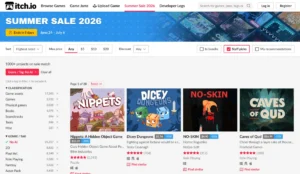
Indie Spotlight: Sludge, Stickers, and Seals – The Best New Titles on itch.io
In the ever-evolving landscape of independent gaming, finding a title that resonates can often feel like searching for a needle in a digital haystack. This week, we turn our attention to the latest offerings on itch.io, a platform that continues to serve as the beating heart of experimental, bite-sized, and deeply personal game development. Whether you are looking to escape the summer heat or simply seeking a fresh mechanical experience, these three standout titles—Sludge Life 2, Sticky Business, and Rhythm Hell—offer a masterclass in atmosphere, creativity, and pure, unadulterated fun.
Sludge Life 2: A Deep Dive into the Sludgepunk Aesthetic
Main Facts and Evolution
Terri Vellman’s original Sludge Life was a revelation in the "vibes-based" open-world genre. It was a gritty, neon-soaked, and unapologetically strange graffiti simulator that captured the imagination of those looking for something outside the AAA mainstream. Sludge Life 2 does not merely iterate; it elevates. The sequel expands the scope of the world, deepening the "sludgepunk" lore while maintaining the erratic, wiggly movement that made the original feel so tactile.
Chronology and Design
The development philosophy behind Sludge Life 2 revolves around verticality and discovery. Players are dropped into an expansive environment that functions less like a conventional map and more like an interconnected, lived-in ecosystem of weirdos, corporate shills, and urban explorers. The gameplay loop remains focused on exploration and tagging, but the sequel introduces a more refined sense of architecture. Navigating these spaces feels akin to exploring a playground or a massive jungle gym, where every ledge and secret passage invites the player to climb, jump, and observe.
Implications of the "Vibe"
What makes Sludge Life 2 truly compelling is its commitment to atmosphere. The art style, which was already distinct, has been polished to a high sheen, offering a visual clarity that makes the chaos of the environment feel intentional. Combined with a soundtrack that perfectly mirrors the game’s cynical yet whimsical tone, Sludge Life 2 succeeds in creating a cohesive, immersive universe that rewards curiosity. Sidequests are not merely busywork; they are narrative breadcrumbs that lead the player deeper into the game’s unique social fabric.
Sticky Business: The Art of the Cozy Side Hustle
The Rise of the Management Simulator
In an era where "late-stage capitalism" is a frequent punchline, Sticky Business leans into the irony by turning the concept of a "side hustle" into a deeply relaxing, cozy experience. Developed by Assemble Entertainment, this title asks a simple question: What if running an e-commerce business was actually soothing rather than soul-crushing?
Core Mechanics and Customization
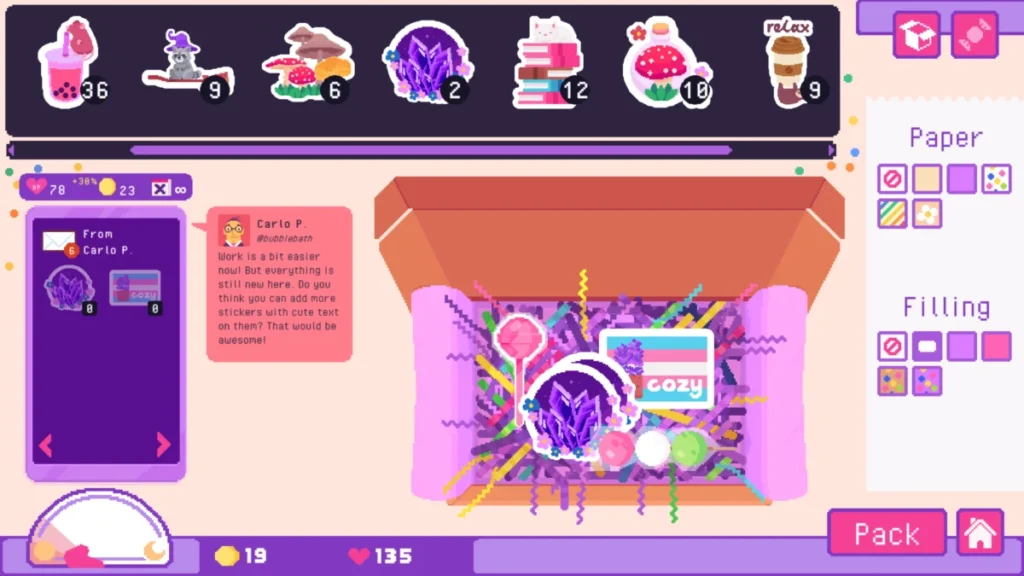
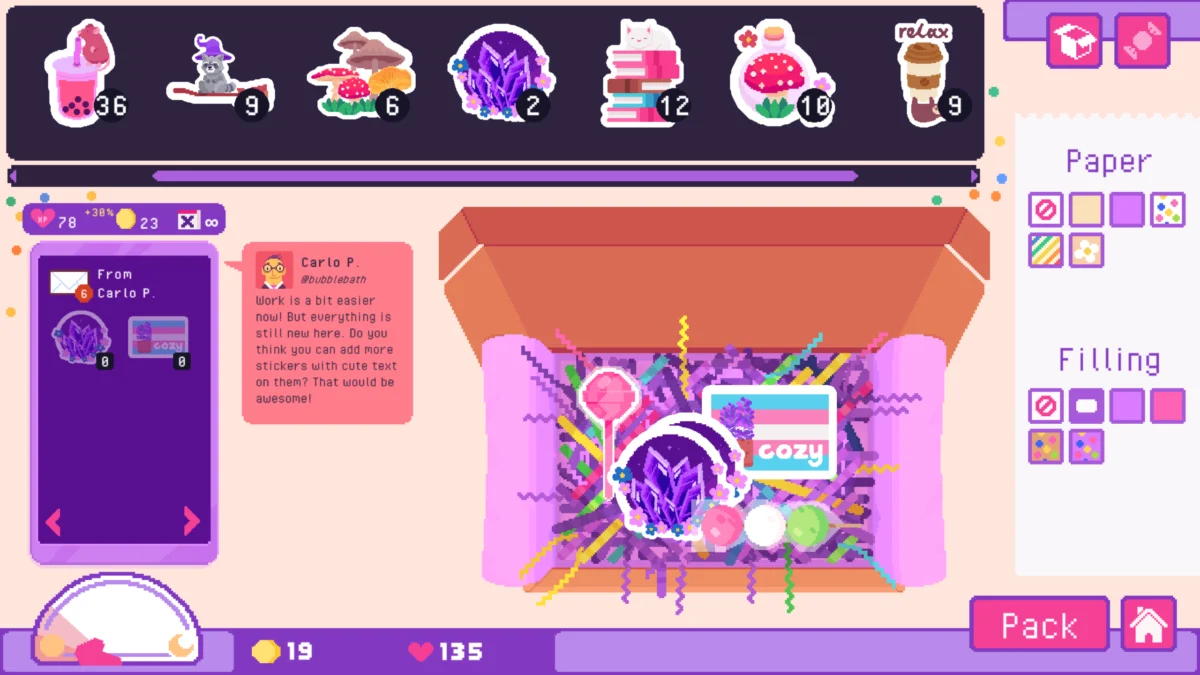
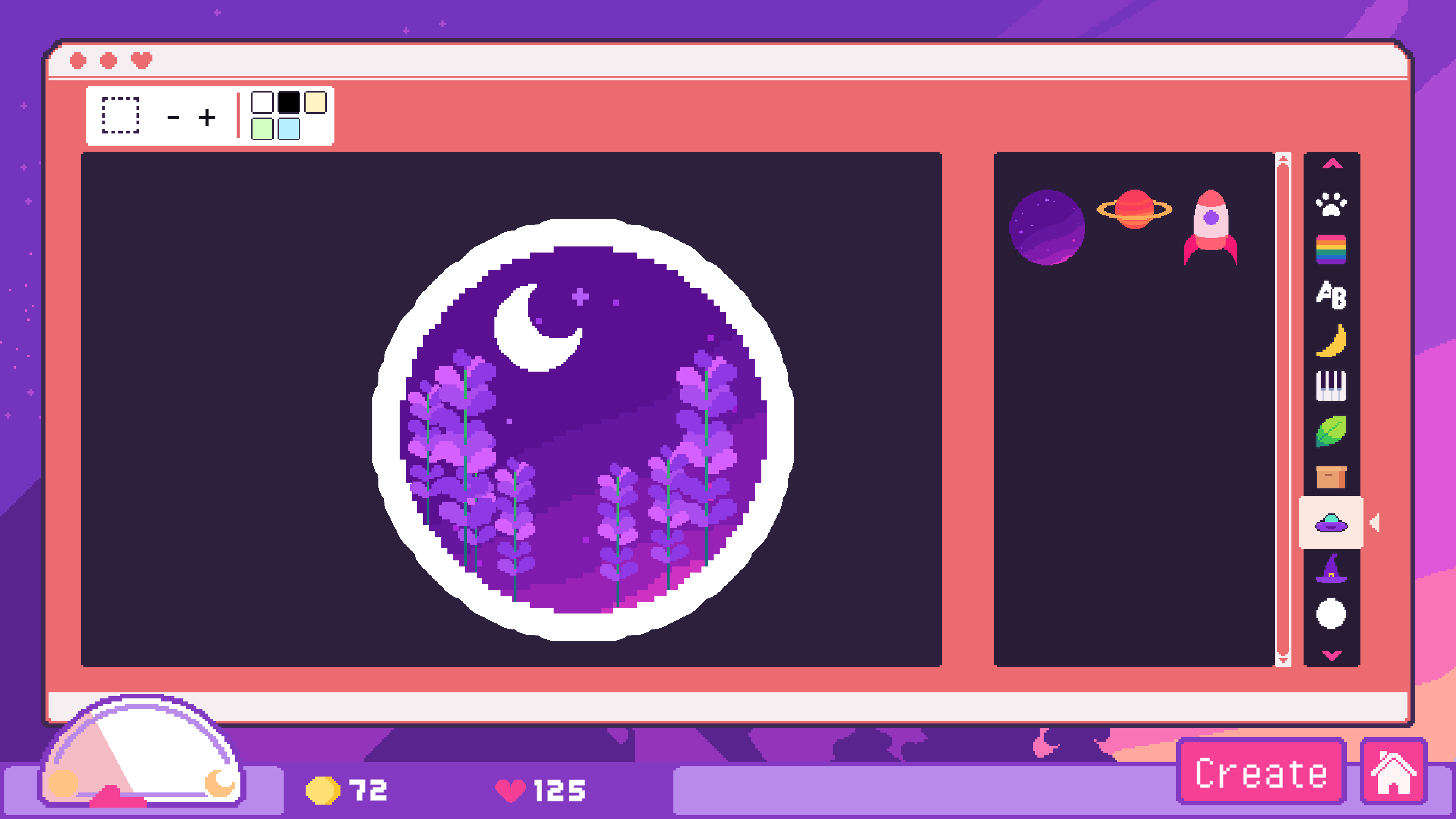
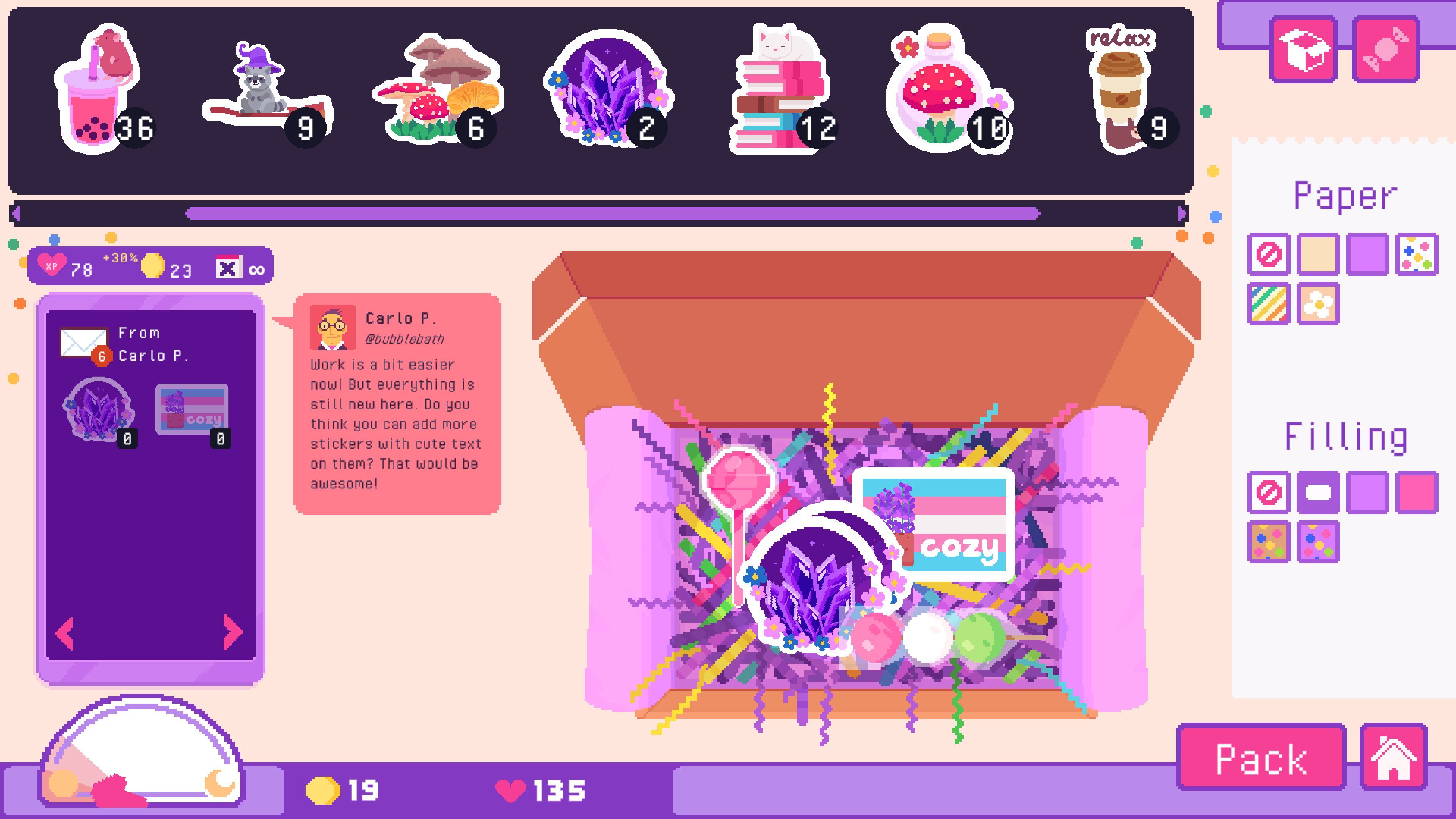
Sticky Business is not just a management simulator; it is a creative suite. At its core, the game challenges players to design and sell their own stickers. The in-depth sticker maker is robust, allowing for an impressive degree of artistic expression. Players must manage their inventory, handle shipping, and, perhaps most importantly, engage with their customer base.
The Human Element
The brilliance of Sticky Business lies in its narrative layer. As players fulfill larger and more complex orders, they begin to peel back the layers of their customers’ lives. Each order comes with a bit of context, turning a mundane transaction into a window into someone else’s world. The game’s aesthetic—characterized by a warm, pastel-heavy color palette and a lo-fi, tranquil soundtrack—acts as an emotional balm. In a market flooded with high-stress titles, Sticky Business stands out as a "warm hug," prioritizing emotional well-being and creative satisfaction over high-stakes competition.
Rhythm Hell: Mastering the Polyrhythmic Seal
Simplicity as a Challenge
If Sludge Life 2 is about exploration and Sticky Business is about creativity, Rhythm Hell is about the raw, unfiltered challenge of the present moment. Designed as a tribute to the musical sensibilities and character design of artist Louie Zong, Rhythm Hell is a masterclass in minimalist game design.

Mechanical Breakdown
The game operates on a single-button mechanic: the clap. The goal is equally straightforward—mimic the rhythm set by a judgmental, larger seal who sits beside you. However, the simplicity of the control scheme masks a steep difficulty curve. As the game progresses, the rhythms evolve from basic beats into complex polyrhythms. For the uninitiated, a polyrhythm is the simultaneous sounding of two or more independent rhythms. In the context of Rhythm Hell, this translates to a frantic, stressful, and hilarious struggle to keep time while your seal companion watches your every mistake with utter disdain.
Community Reception and Feedback
Rhythm Hell has quickly gained a reputation for its "sassy" feedback loops. When a player fails to match the rhythm, the judgmental seal offers a look of profound disappointment that has become a viral talking point among players. It is a testament to how effective simple animation can be when coupled with tight, responsive gameplay.
Note: Following community feedback, it is important to clarify that credit for the game’s aesthetic direction is tied to the unique style of Louie Zong, whose character work remains a cornerstone of the title’s charm.
Comparative Analysis: Why These Games Matter
When we analyze these three titles together, a clear pattern emerges regarding the current state of independent game development on platforms like itch.io.
- Prioritization of Atmosphere: All three games—Sludge Life 2, Sticky Business, and Rhythm Hell—eschew traditional high-fidelity graphics in favor of distinct, cohesive visual languages. This allows the developers to create "vibes" that are instantly recognizable and memorable.
- Micro-Loop Mastery: Each game focuses on a single, core loop (climbing/tagging, designing/managing, clapping/mimicking) and iterates on it until it is perfectly polished. This "less is more" approach is a hallmark of successful indie design.
- Accessibility vs. Mastery: While all three games are easy to pick up, they provide varying degrees of depth for those who wish to master them. Whether it is uncovering every secret in Sludge Life 2 or perfecting the most complex rhythms in Rhythm Hell, the games cater to both casual players and those looking for a mechanical challenge.
Implications for the Future of Indie Gaming
The success of these titles suggests that players are increasingly looking for experiences that offer emotional resonance. Whether it is the catharsis of creating art in Sticky Business or the communal, lighthearted stress of a rhythm game, the industry is moving away from the "bigger is better" mantra.
By providing a platform for developers to experiment with unconventional mechanics and niche aesthetics, itch.io continues to play a vital role in the health of the broader gaming ecosystem. These games are not just "time-fillers"; they are cultural artifacts that reflect our current need for connection, creativity, and, occasionally, a bit of weirdness.
Closing Thoughts
As we continue to navigate the summer months, the value of these digital escapes cannot be overstated. Sludge Life 2 invites us to explore, Sticky Business asks us to create, and Rhythm Hell demands that we clap along. Each offers a unique perspective on what games can be, and each is a reminder that the best gaming experiences often come from the smallest, most passionate teams.
What have you been playing lately? The beauty of the independent scene is that there is always something new waiting just around the corner. We encourage you to share your favorites in the comments below and keep the conversation—and the play—going.