The Rise of the Agentic Enterprise: Highlights from the 2026 AWS Summit in New York City
The landscape of generative AI is undergoing a fundamental shift. While the industry spent the last two years fixated on the capabilities of Large Language Models (LLMs) and their ability to generate text and code, the focus has now pivoted toward "Agentic AI"—systems capable of performing complex, multi-step tasks with minimal human intervention.
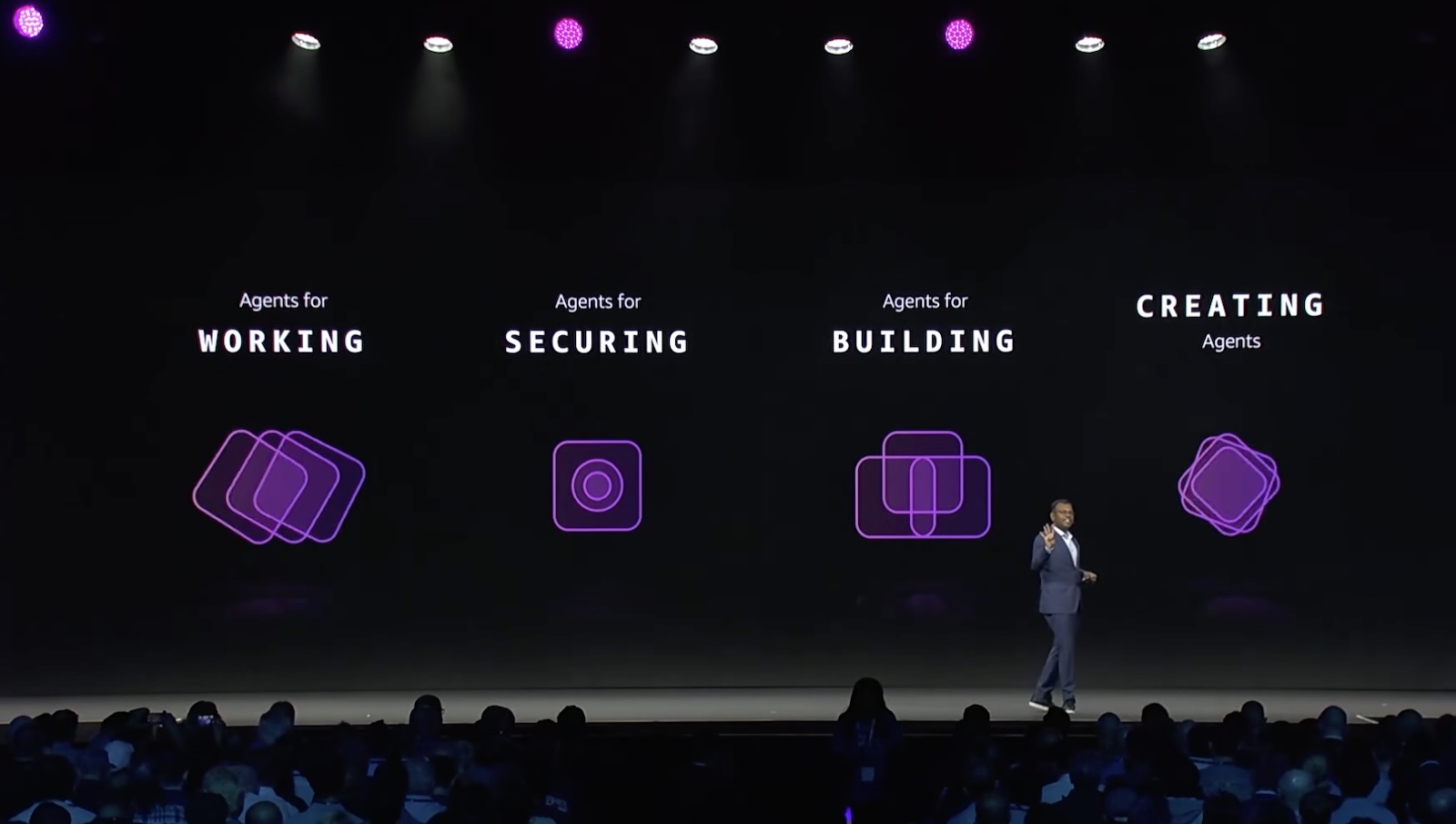
This transformation was front and center at the 2026 AWS Summit in New York City, where Swami Sivasubramanian, AWS VP of Agentic AI, took the stage to outline how Amazon is moving beyond simple chatbots to create a new generation of autonomous digital workers. The announcements signal a maturing market, moving from experimental proofs-of-concept to robust, governed production environments.
Main Facts: The Evolution of Bedrock and Quick
The keynote centered on two major pillars: the expansion of Amazon Bedrock AgentCore and the launch of Amazon Quick’s autonomous agents.
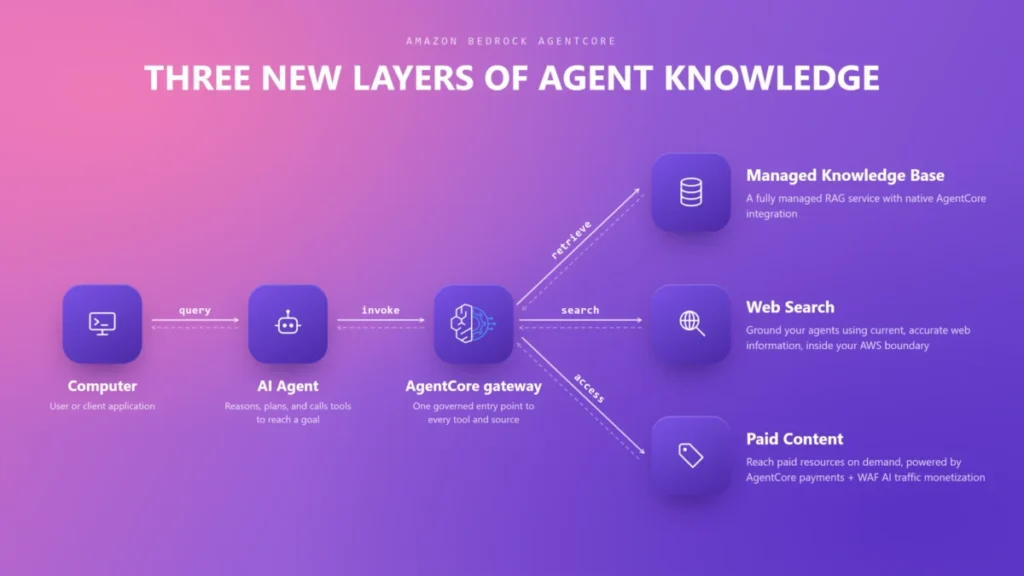
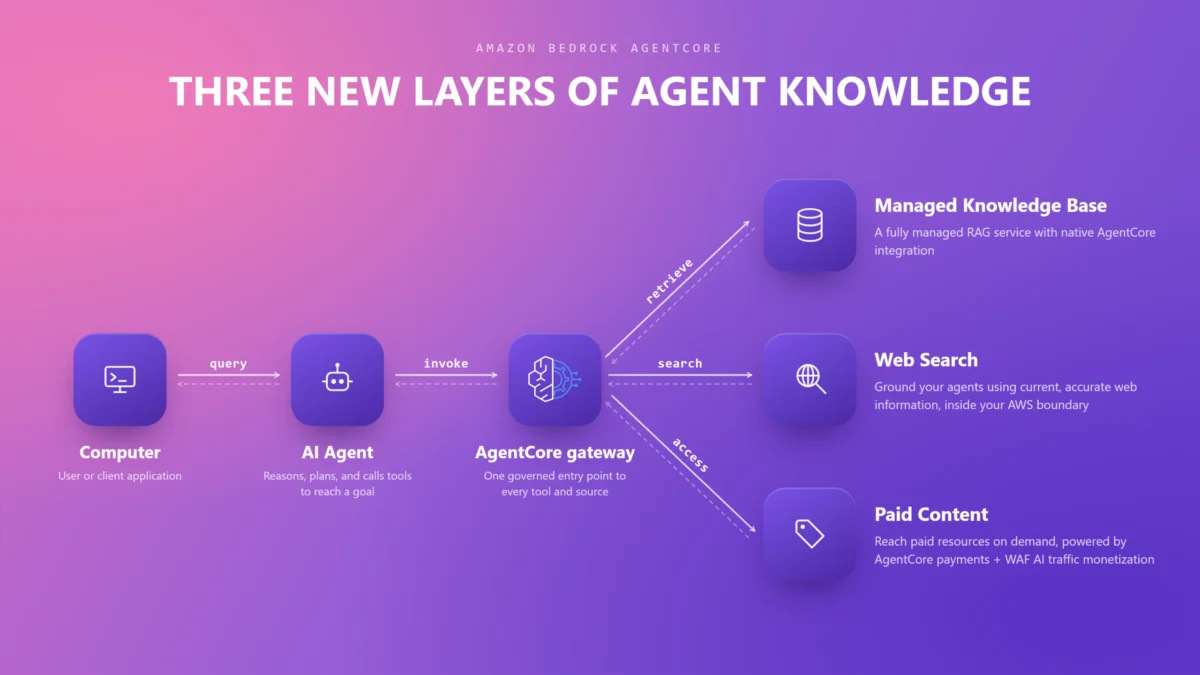
The updates to Bedrock AgentCore are designed to solve the "last mile" problem of AI implementation: grounding. By allowing agents to access organizational, web-based, and paid knowledge sources, AWS is enabling businesses to build agents that are not only conversational but contextually aware of the specific nuances of their enterprise data.
Simultaneously, the introduction of autonomous agents within the Amazon Quick ecosystem marks a move toward "AI-as-a-colleague." These agents are not merely reactive; they are designed to work in the background, executing tasks ranging from order processing in finance to proactive sales pipeline management.
Chronology of the 2026 AWS Innovation Cycle
The road to the 2026 NYC Summit has been defined by a rapid acceleration in AWS’s machine learning roadmap:
- Q1 2026: AWS began rolling out enhanced guardrails for generative AI applications, setting the stage for more complex agentic behaviors that require strict compliance.
- April 2026: Initial beta testing for "AgentCore" features began with select enterprise partners, focusing on latency reduction and multi-step reasoning capabilities.
- June 16, 2026: AWS officially announced the integration of knowledge layers into Bedrock, allowing for real-time data ingestion.
- June 17, 2026: The keynote at the NYC Summit formally unveiled the full suite of autonomous capabilities for Amazon Quick, effectively launching the "Agentic Era" for the platform.
- June 18, 2026: AWS released a supplementary set of tools and SDKs to support developers in integrating these new agentic features into existing CI/CD pipelines.
Supporting Data: Why "Agentic" is the New "Generative"
The shift toward agentic systems is driven by a stark reality: static AI chatbots often lead to "context fatigue." Users find themselves repeating instructions or manually stitching together outputs from different tools.
According to internal AWS benchmarks presented during the summit, the new AgentCore framework improves task completion rates by 42% compared to standard RAG (Retrieval-Augmented Generation) setups. By integrating "Knowledge Layers"—a new feature that organizes unstructured data into prioritized, searchable hierarchies—AWS has reduced the "hallucination rate" by nearly 30% in complex domain-specific tasks.
Furthermore, the Amazon Quick activity feed—a central component of the new update—is designed to solve the issue of information overload. Internal testing showed that by consolidating emails, Slack threads, and calendar tasks into a prioritized "Agentic Feed," power users saved an average of 90 minutes per day, reclaiming time previously spent manually sorting through communication silos.
Official Perspectives: The Vision for Autonomous Work
Swami Sivasubramanian’s keynote was marked by a recurring theme: governance at scale. He emphasized that as agents become more capable, the risk of "runaway automation" grows.

"We aren’t just building faster models," Sivasubramanian stated during the keynote. "We are building an orchestration layer that allows enterprises to put guardrails on autonomy. An agent that can read your email is only useful if it also understands your company’s compliance policy, data privacy mandates, and operational thresholds."
The AWS leadership team highlighted that the new controls in Bedrock are designed to evolve with the agent. As an agent is granted more permissions, the system automatically triggers more rigorous audit logs and human-in-the-loop checkpoints. This "progressive governance" model is AWS’s answer to the enterprise demand for safety without sacrificing the velocity of AI-driven productivity.
Implications: A Fundamental Shift in Enterprise Architecture
1. From "Chatbot" to "Colleague"
The traditional view of enterprise AI has been the "Help Desk" model: a user asks a question, and the AI provides an answer. The new paradigm, as demonstrated by the Amazon Quick agents, is the "Colleague" model. These agents act as proactive participants in business workflows. A sales agent does not wait for a human to draft a follow-up; it monitors the CRM and suggests a draft based on the tone and history of previous interactions.
2. The Knowledge Layer Revolution
One of the most significant technical shifts is the move toward managed "Knowledge Layers." By allowing agents to connect to paid knowledge, web data, and internal silos simultaneously, AWS is effectively commoditizing the complex engineering required for data integration. This lowers the barrier to entry for mid-sized enterprises, which previously could not afford the engineering overhead required to build such interconnected systems.
3. The Reimagining of the Digital Workspace
The new activity feed in Amazon Quick signals a move away from application-centric work. Rather than switching between Outlook, Slack, and Salesforce, the user interacts with an AI-driven interface that filters the noise. This represents a long-term challenge to the "App Economy," where the value lies not in the application itself, but in the agent that manages the interaction between those applications.
4. Operational Resilience and Troubleshooting
A key component of the new Bedrock capabilities is the ability to "find and fix what is going wrong in production." For DevOps and SRE teams, this is a game-changer. Agents are now being empowered to perform root-cause analysis by correlating logs, metrics, and incident reports. This could significantly reduce Mean Time to Resolution (MTTR), a critical metric for cloud-native businesses.
Conclusion: The Path Forward
The 2026 AWS Summit in New York City was more than just a showcase of new features; it was a roadmap for the future of work. As AWS continues to refine the Bedrock AgentCore and expand the capabilities of Amazon Quick, the definition of an "AI application" will continue to blur.
The successful enterprise of the future will be defined by its ability to orchestrate these agents, ensuring they act in concert with human intent while maintaining the speed and scale that the cloud provides. As the industry moves forward, the focus will remain on the balance between autonomy and control. For now, AWS has provided the tools; the next phase of the revolution will be determined by how quickly businesses can integrate these digital agents into the fabric of their daily operations.
With the updates provided on June 18th, AWS has confirmed that this is just the beginning of a broader, more integrated release cycle. For developers and CTOs, the message is clear: the era of the autonomous agent has arrived, and the time to build the governance models that will support them is now.