AWS Innovation Pulse: AI-Native Development and FinOps Automation Take Center Stage
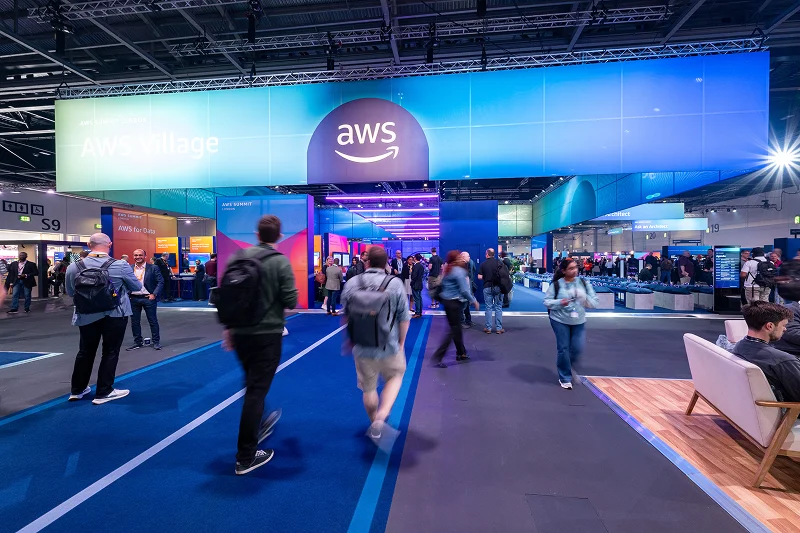
The cloud computing landscape is currently undergoing a seismic shift, characterized by the transition from traditional software development methodologies to AI-augmented workflows. This week, as industry leaders, developers, and engineers converge at the Javits Center in New York City for the annual AWS Summit, the conversation has moved beyond mere cloud infrastructure to the strategic implementation of "Agentic AI."
While thousands gather in person to witness the latest breakthroughs in developer tools and security, the broader AWS ecosystem is digesting a series of critical announcements that promise to redefine how engineering teams operate. From record-shattering productivity gains within Amazon’s own internal teams to the launch of automated financial operations tools, the message is clear: the future of cloud development is intelligent, agent-driven, and highly automated.
Main Facts: The New Era of AI-Native Engineering
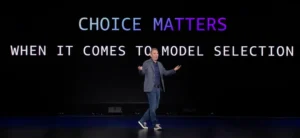
The defining narrative of this week’s AWS news cycle is the formalization of "AI-native development." AWS leadership, led by Dr. Swami Sivasubramanian, VP of Agentic AI, has moved beyond the hype of generative AI to provide a concrete framework for how frontier teams are successfully integrating AI into their core workflows.
The most striking data point released this week concerns the internal transformation of Amazon’s own engineering departments. By leveraging AI-native development practices, a team of just six engineers successfully rebuilt the Amazon Bedrock inference engine in a mere 76 days. This project, which was originally scoped for a team of 30 developers with a timeline of 12 to 18 months, serves as a proof-of-concept for the power of AI-assisted productivity.
Complementing this shift in development is the launch of the AWS FinOps Agent, a preview service designed to bring the same level of intelligent automation to cloud financial management. By delegating cost analysis, anomaly detection, and optimization workflows to an autonomous agent, organizations can now treat their cloud spend with the same agility they apply to their software development lifecycle.
Chronology: A Week of High-Stakes Innovation
The events of this week have unfolded with a rapid pace, setting a new cadence for cloud operations:
- June 14–16: As the AWS Summit festivities prepared to kick off in New York, internal Amazon teams finalized data sets demonstrating the effectiveness of AI-native development. These findings were compiled into a comprehensive roadmap for external developers.
- June 17: The official AWS Summit keynote addressed the industry, featuring Dr. Swami Sivasubramanian and Chet Kapoor. The keynote focused on the convergence of AI infrastructure, advanced security protocols, and the deployment of developer-centric agents.
- Mid-Week: The AWS FinOps Agent was officially moved into preview status, signaling a transition toward proactive, rather than reactive, cloud financial management.
- Ongoing: Throughout the remainder of the week, virtual sessions and workshops continue to provide deep-dive technical insights into the architecture behind these new releases.
Supporting Data: Quantifying the Productivity Leap
The shift toward AI-native development is not merely anecdotal; the metrics shared by AWS this week highlight a fundamental change in the economics of software engineering. The internal Amazon pilots across various Stores teams showed a median productivity gain of 4.5x in normalized deployment velocity.
Key Performance Indicators (KPIs) Observed:
- Velocity: Some teams reported exceeding 10x improvement in deployment frequency.
- Feature Cycles: The "Perfect Order Experience" team saw their feature cycle drop from two weeks to a single afternoon.
- Operational Efficiency: The WW Grocery division successfully reduced the time required for design document creation from five days to a few hours.
These figures underscore the primary argument presented by AWS leadership: that AI, when utilized correctly, allows engineering teams to shed administrative burden and focus entirely on high-value logic and architecture.
Official Responses and Strategic Implications
The industry response has been one of cautious optimism followed by rapid adoption. During the Summit, AWS executives highlighted five core "frontier team" practices necessary for organizations to replicate these results:
- Invest in Agent Context: Success begins with preparation. Before a single line of production code is written, teams must curate steering files, define coding standards, and structure repositories.
- Embrace the Initial Slowdown: Leadership acknowledges that the transition to AI-native workflows requires a period of process re-engineering. Teams must be prepared for a temporary dip in velocity as workflows are restructured.
- Maintain a Steady Backlog: AI agents are most effective when they have a consistent stream of well-scoped tasks. This allows for parallel processing without the need for constant human supervision.
- Make Intent Explicit: AI is only as good as the instructions it receives. Teams must utilize structured specifications to ensure the AI understands the "intent" of the code before generation begins.
- Shift Testing Left: By integrating testing into the earliest stages of the workflow, agents can self-correct, ensuring that only high-quality code reaches the deployment pipeline.
Implications: The Future of Cloud Operations
The launch of the AWS FinOps Agent represents a significant departure from traditional dashboard-based cost monitoring. By allowing an agent to perform recurring FinOps workflows—such as querying AWS costs, generating reports for finance departments, and surfacing rightsizing recommendations—AWS is effectively delegating the "tedium" of cloud management to the cloud itself.

The Role of the FinOps Agent:
- Anomaly Detection: When costs fluctuate unexpectedly, the agent performs an automated root-cause analysis, bypassing the need for manual ticket creation.
- Integration: The agent is designed to be communicative, capable of posting findings directly to Slack channels and creating Jira tickets, ensuring that optimization opportunities are not missed by human stakeholders.
- Strategic Optimization: By surfacing recommendations from AWS Cost Optimization Hub and AWS Compute Optimizer, the agent acts as an always-on consultant for infrastructure health.
Looking Ahead: The Builder’s Roadmap
As the AWS Summit concludes, the focus shifts from announcement to integration. For the global developer community, the challenge lies in adopting these "frontier" practices without sacrificing the security and operational rigor that enterprise environments demand.
The upcoming sessions at the AWS Builder Center and various virtual developer workshops will be critical for those looking to implement these tools. As noted by industry experts, the current wave of innovation is only the beginning. Commit velocity is merely the first chapter; the next phase of the conversation will involve complex release management, advanced security operations, and the long-term management of software end-of-life (EOL) cycles.
For those who missed the live proceedings at the Javits Center, the recorded keynote sessions and the wealth of documentation available via the AWS Blog and Builder Center serve as the primary resource for navigating this new, agent-driven environment. The consensus among the builder community is clear: the integration of AI is no longer a "nice-to-have" feature; it is the new baseline for competitive software engineering in the cloud.
Conclusion
This week’s developments underscore a pivotal moment in technology. Whether through the 4.5x productivity gains of AI-native teams or the automated cost-efficiency of the new FinOps Agent, AWS is providing the tools necessary for teams to do more with less. As developers return to their offices, the mandate remains: build, iterate, and let the agents handle the heavy lifting. The frontier of development has shifted, and the tools are now available for anyone ready to lead the charge.