Beyond the Screen: Decoding the Evolution of Google’s Fitbit Strategy
For years, the wearable technology market was dominated by a binary choice: either purchase a fully featured, high-priced smartwatch that demands constant attention, or opt for a basic, screenless fitness band. With the recent unveiling of the Fitbit Edge and the earlier launch of the Fitbit Air, Google is effectively dismantling this dichotomy. While these two devices may appear to be siblings in the same product lineup, they represent fundamentally different philosophies regarding how we interact with our health data.
As Google continues to refine its wearable ecosystem—transitioning from the premium-tier Pixel Watch series to more accessible, health-focused hardware—the Edge and the Air have emerged as the primary contenders for the budget-conscious consumer. However, despite their shared branding and reliance on Google’s robust AI-driven Health Premium platform, their utility, hardware capabilities, and user experiences occupy distinct niches.
Main Facts: A Comparative Overview
At the heart of the current conversation is a simple price-to-feature disparity. The Fitbit Air ($99) is designed for the "invisible" user—those who want comprehensive health tracking without the distraction of a screen. It is a sensor-dense puck that offloads all data processing and interaction to the Google Health mobile application.
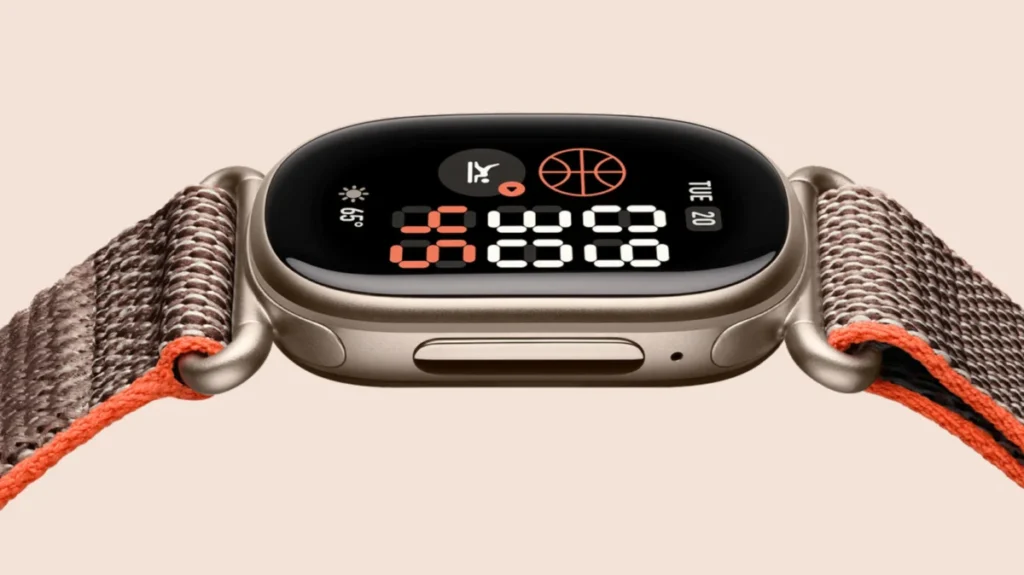
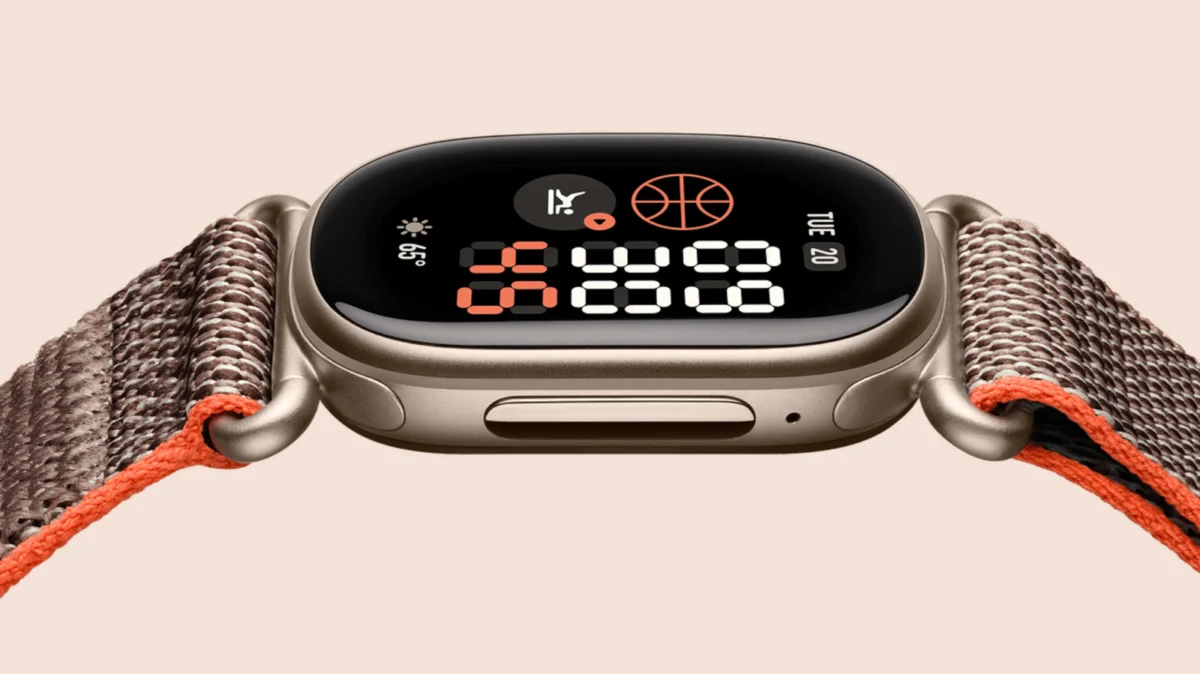
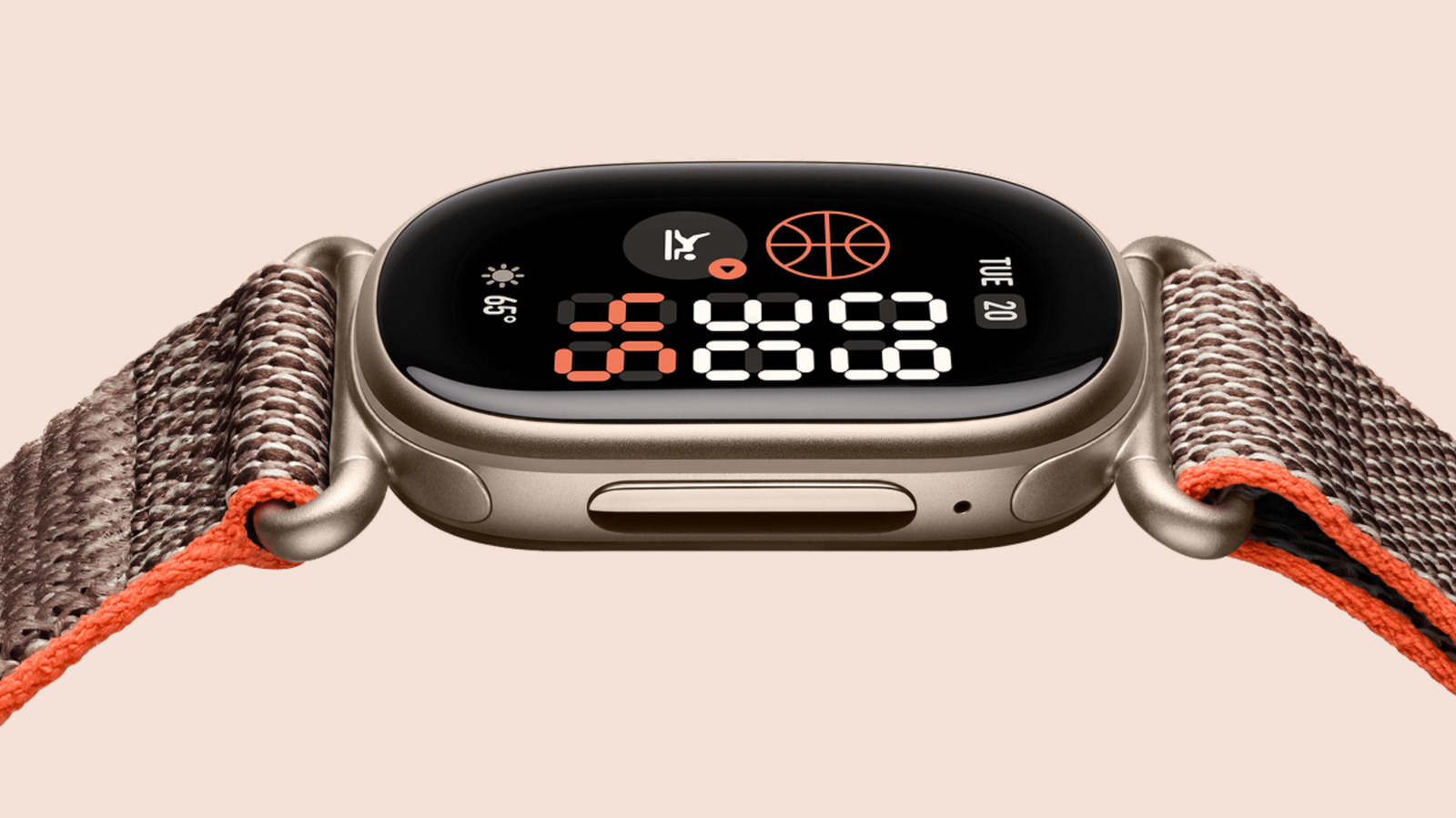
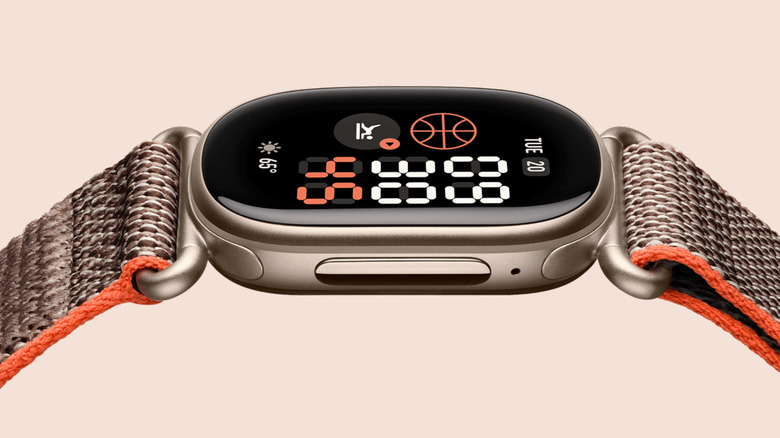
Conversely, the Fitbit Edge ($179) bridges the gap between a passive tracker and a full-fledged smartwatch. Featuring a 1.34-inch oval-shaped AMOLED touchscreen, it provides real-time feedback, onboard navigation, and advanced biometric sensors that the Air lacks. Both devices utilize Google’s sophisticated AI health algorithms, but they deliver that intelligence to the user in radically different ways.
Quick Comparison Table
| Feature | Fitbit Air | Fitbit Edge |
|---|---|---|
| Price | $99 | $179 |
| Display | None | 1.34" AMOLED Touchscreen |
| Sensors | Optical Heart Rate | Optical HR, ECG, Altimeter, Ambient Light |
| Battery Life | 7 Days | 7 Days (up to 2 days w/ Always-On) |
| Interaction | App-only | Touchscreen + Mechanical Button |
| Durability | IP68 / 5ATM | IP68 / 5ATM |
Chronology: The Rebirth of the Fitbit Brand
Google’s trajectory in the wearables space has been anything but linear. Following the acquisition of Fitbit, the tech giant initially struggled to balance its high-end Pixel Watch aspirations with the legacy of the Fitbit brand.
- 2022: The debut of the original Pixel Watch signaled Google’s intent to compete directly with Apple and Samsung in the premium smartwatch space.
- May 2024: Google surprised the market with the release of the Fitbit Air. By removing the screen, Google positioned the device as a "Whoop-like" competitor, focusing on data gathering rather than digital interaction.
- Summer 2024: The company expanded its ecosystem to include the kid-focused Fitbit Ace LTE, demonstrating a renewed commitment to specialized wearables.
- October 2024: The Fitbit Edge was introduced. Positioned as a "half-step" between the Air and the Pixel Watch 5, the Edge addressed consumer demand for a mid-range device that retained the sleek, slim profile of a tracker while offering the utility of a display.
This timeline suggests a strategic pivot: Google is no longer trying to force every user into the smartwatch mold. Instead, they are segmenting the market by "engagement level"—offering the Air for those who prefer digital minimalism and the Edge for those who require actionable, real-time data.
Supporting Data: The Hardware Divide
While the software ecosystem—Google Health—is the glue holding these devices together, the hardware differences are significant.
Sensor Suites and Biometric Precision
The Fitbit Edge is clearly the more "capable" device regarding clinical-grade monitoring. While both devices include industry-standard optical heart rate sensors, the Edge includes electrical sensors specifically designed for ECG (Electrocardiogram) readings. This feature allows users to monitor for irregular heart rhythms with a higher degree of accuracy than a simple optical sensor could provide.
Furthermore, the inclusion of an altimeter in the Edge allows for floor-climbing tracking and more accurate elevation data during outdoor activities. The ambient light sensor on the Edge is another subtle but critical differentiator; it ensures that the AMOLED display is legible under harsh sunlight while conserving battery in darker environments.
The Power Paradigm
Both devices claim a seven-day battery life, a metric that has become the gold standard for fitness trackers. However, the Edge’s performance is conditional. When the always-on display (AOD) is active, the battery life drops to roughly 48 hours. To mitigate this, Google has implemented a high-speed charging architecture that provides a full day of use from just 15 minutes on the charger—a feature that arguably makes the Edge more practical for heavy users than the screenless Air.
Official Responses and Strategic Implications
In recent briefings, Google representatives have emphasized that the inclusion of AI features—such as "Health Guardian," which provides insights into heart health and insulin trends—is part of a broader vision to democratize health technology.
By pushing these AI tools to both the $99 Air and the $179 Edge, Google is betting that the hardware is secondary to the ecosystem. Whether you are looking at your stats on a phone screen or an AMOLED wrist display, the insights provided by Google’s algorithms remain consistent.
The Implications of "Invisibilty" vs. "Utility"
The market implications of this strategy are twofold:
- The Rise of Minimalist Tech: The success of the Fitbit Air suggests that a significant segment of the population is experiencing "notification fatigue." By stripping away the screen, Google is catering to a demographic that wants to "set it and forget it."
- The Death of the "Dumb" Tracker: The Fitbit Edge proves that even lower-cost devices are becoming smarter. By including a lightweight version of the Fitbit OS, the Edge allows for on-device navigation and Google Maps integration, essentially turning the tracker into a simplified, purpose-built computer.
Conclusion: Which Path Should You Choose?
The choice between the Fitbit Air and the Fitbit Edge ultimately comes down to your personal relationship with technology.
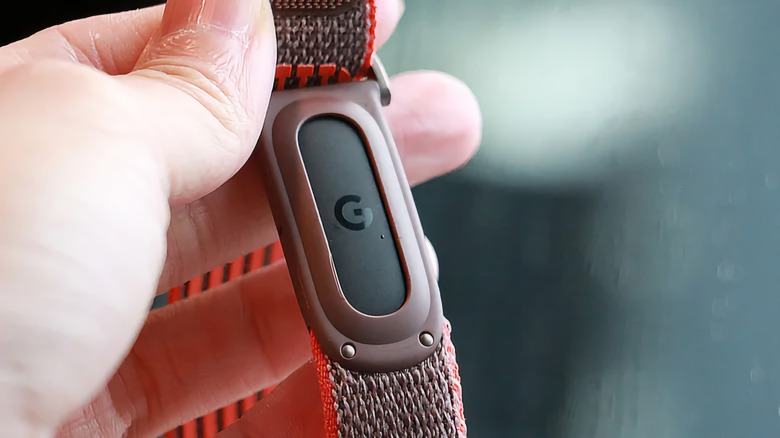
If you view your fitness tracker as a background utility—a device that logs your sleep, heart rate, and steps without demanding your attention—the Fitbit Air is the superior choice. Its lack of a screen is a feature, not a bug, allowing it to disappear into your daily routine while still funneling valuable health data to your phone.
However, if you are an athlete or a data enthusiast who requires live feedback, navigation, or clinical-grade heart monitoring, the Fitbit Edge is the clear winner. By incorporating a high-quality AMOLED screen, a mechanical button, and advanced sensors, the Edge offers a level of interaction that brings it dangerously close to the functionality of a flagship smartwatch, all for a price point that remains well below the "premium" tier.
Ultimately, Google has succeeded in creating two distinct tools that serve the same master: your long-term health. The question is no longer whether you should buy a Google wearable, but rather how much of your day you want that wearable to inhabit.