Bridging the Gap: GBI Biomanufacturing Unveils SmartScale™ to Revolutionize Early-Stage Clinical Development
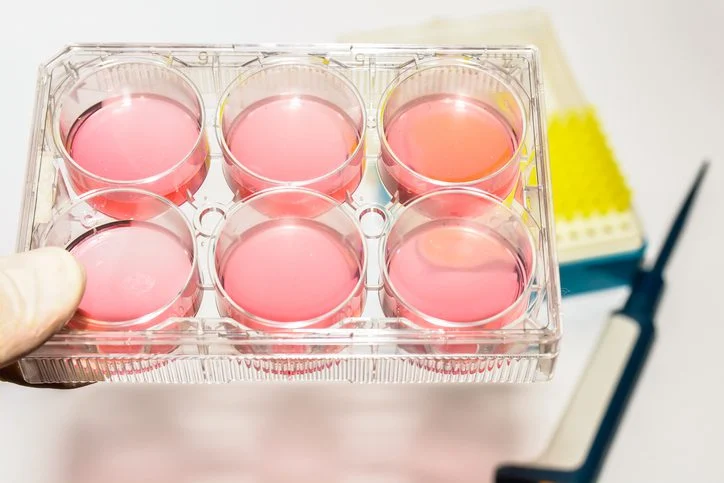
At the 2026 BioProcess International (BPI) East conference, CDMO GBI Biomanufacturing has officially unveiled its new "SmartScale™ GMP Solutions" platform. This strategic launch represents a significant pivot in how early-stage biologics developers approach the precarious journey from benchtop discovery to first-in-human (FIH) clinical trials. By integrating high-performance cell line engineering with optimized, small-scale manufacturing processes, GBI aims to compress the timeline for clinical entry, offering a streamlined, "right-sized" solution to the persistent bottlenecks of the biopharmaceutical industry.
The Core Objective: Solving the "Valley of Death" in Biomanufacturing
For many emerging biotechnology firms, the transition from successful preclinical data to clinical-grade material is fraught with logistical, financial, and regulatory hurdles. Often termed the "Valley of Death," this phase requires significant capital expenditure and complex process development that can delay promising therapies by years.
GBI Biomanufacturing’s SmartScale™ platform is specifically designed to address these friction points. According to Jesse McCool, PhD, CEO of GBI, the platform serves as an accelerated, small-scale cGMP manufacturing ecosystem. "When developing life-saving therapies, speed and simplicity can make a significant difference," McCool stated during the BPI East announcement. "Many early-stage drug developers need a more efficient path to obtaining the GMP material required to reach the clinic. SmartScale was designed to help close that gap by providing a right-sized manufacturing approach."
The platform’s value proposition is centered on the concept of a "stable pool-based manufacturing" approach. By utilizing this methodology, GBI claims it can deliver GMP-certified clinical trial material in as little as eight months, a timeline that significantly outperforms traditional industry benchmarks.
Chronology of Innovation: Building the SmartScale Ecosystem
The development of SmartScale was not an isolated project but rather the result of a deliberate, multi-year strategic alignment between GBI and two industry powerhouses: ATUM and Thomson Instrument.
The Foundation (Pre-2025)
Recognizing that the industry was increasingly demanding faster turnaround times, GBI began exploring ways to modularize the CMC (Chemistry, Manufacturing, and Controls) workflow. The goal was to eliminate the "siloed" nature of cell line development and process scaleup.
Strategic Integration (2025)
GBI formalized partnerships with ATUM for its proprietary cell engineering technologies and Thomson Instrument for its advanced cultivation hardware. This period focused on integrating the Leap-In Transposase® cell lines with high-performance flask technologies to ensure that the yield and quality of the drug substance remained consistent as the process transitioned from lab-scale to GMP-grade manufacturing.
Launch and Validation (2026)
With the formal launch at BPI East 2026, the platform enters the market as a ready-to-deploy solution for developers looking to navigate the regulatory requirements of the FDA’s Operation TrialBlazer initiative, which encourages the modernization of drug development pathways.
Supporting Technical Data: The Power of Collaboration
The efficacy of the SmartScale platform rests on two core technological pillars: the precision of ATUM’s genetic engineering and the efficiency of Thomson Instrument’s bioreactor technology.
ATUM: Precision Cell Line Development
ATUM, a company with a robust track record—having enabled over 60 Investigational New Drug (IND) filings across diverse therapeutic areas—has integrated its Leap-In Transposase® system into the GBI pipeline. The Leap-In system is designed to create stable, high-expressing cell lines rapidly. By utilizing this technology, GBI can maximize drug substance yield at smaller scales, which is critical for early-stage trials where the need for massive quantities of material is lower, but the need for speed and purity is absolute.
Thomson Instrument: Scalable Cultivation
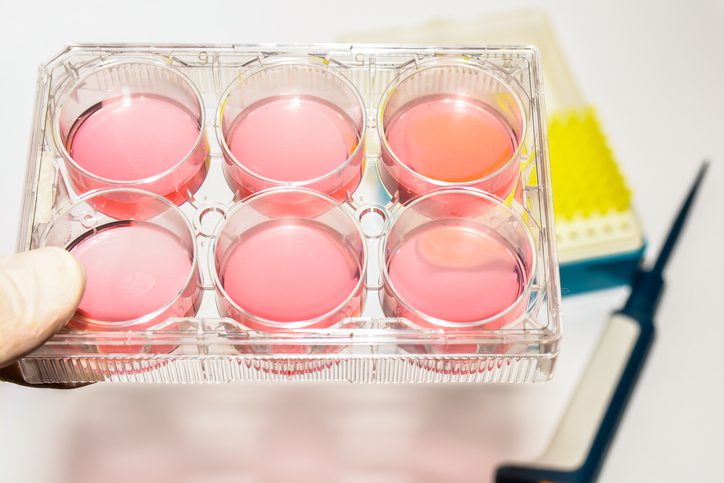
Sam Ellis, CEO of Thomson Instrument, highlighted the role of the Optimum Growth® Flask in this ecosystem. "The Optimum Growth Flask was designed to simplify scaleup while maintaining high-performance cell culture conditions," Ellis explained. The flask’s design allows for enhanced gas exchange and mixing, which mimics the environment of larger stirred-tank bioreactors. As part of the SmartScale platform, this technology acts as a bridge, ensuring that the transition from research-grade R&D into a regulated GMP manufacturing environment is seamless and predictable.
Official Perspectives and Industry Vision
The leadership team at GBI believes that SmartScale represents more than just a service offering; it is a fundamental shift in the CDMO business model.
"Our goal is to help customers reach the critical milestone of generating human clinical data that supports future regulatory and commercial decisions," said McCool. The emphasis is on "right-sizing" the investment. By avoiding the need for large-scale infrastructure during the initial clinical phases, developers can preserve capital, reduce risk, and maintain agility.
From the perspective of regulatory alignment, GBI’s platform is designed to be highly compatible with modern, flexible regulatory pathways. The FDA’s Operation TrialBlazer, which focuses on accelerating the development of innovative therapies, has created an environment where such streamlined approaches are not only welcomed but encouraged. GBI’s integration of these technologies demonstrates a proactive stance toward the regulatory modernization that the FDA has been championing.
Implications for the Future of Drug Development
The introduction of SmartScale carries significant implications for the broader biopharmaceutical landscape:
1. Risk Mitigation for Early-Stage Developers
By providing a faster, more reliable path to clinical-grade material, SmartScale lowers the stakes for early-stage investors and venture capital firms. When the time to first-in-human studies is reduced, the "burn rate" of a startup decreases, and the timeline to proof-of-concept is tightened.
2. Standardization vs. Customization
The platform suggests a growing trend toward "standardized platforms" in biomanufacturing. While biologics are inherently complex, the ability to use a proven, reliable framework for cell line development and manufacturing could become the new gold standard, replacing the bespoke, highly variable processes that have historically plagued the sector.
3. Increased Competitiveness of Small-Scale Manufacturing
For many years, the industry focused on massive, 20,000-liter bioreactor facilities. However, with the rise of personalized medicine, orphan drugs, and targeted therapies, the demand for smaller, more nimble manufacturing processes has skyrocketed. GBI’s focus on the small-scale niche positions them as a critical player in the next generation of pharmaceutical production.
4. Catalyst for Innovation
As developers spend less time and money on the mechanics of manufacturing, they can reinvest those resources into clinical trial design, biomarker identification, and patient recruitment. This rebalancing of resources is likely to increase the overall success rate of clinical trials, which currently suffer from high attrition rates.
Conclusion: A New Standard for Clinical Readiness
As the industry looks toward the latter half of the decade, the SmartScale™ GMP Solutions platform arrives as a timely response to the evolving needs of drug developers. By harmonizing the expertise of ATUM and Thomson Instrument, GBI Biomanufacturing has created a robust, efficient, and regulatory-friendly pathway to the clinic.
In an era where "time-to-market" is often the difference between a therapeutic breakthrough and a shelved project, the SmartScale platform provides the necessary infrastructure to turn promising scientific discovery into tangible human clinical data. As GBI begins rolling out this platform to its partners, the industry will be watching closely to see if this eight-month turnaround becomes the new benchmark for excellence in the competitive world of biomanufacturing.
For early-stage companies, the path forward just became significantly clearer. With the right technology, the right partners, and a focus on operational excellence, GBI is effectively removing the manufacturing barrier, allowing the focus to return to where it belongs: the patient.