Enhancing the Indie Ecosystem: A Deep Dive into itch.io’s Major Platform Overhaul
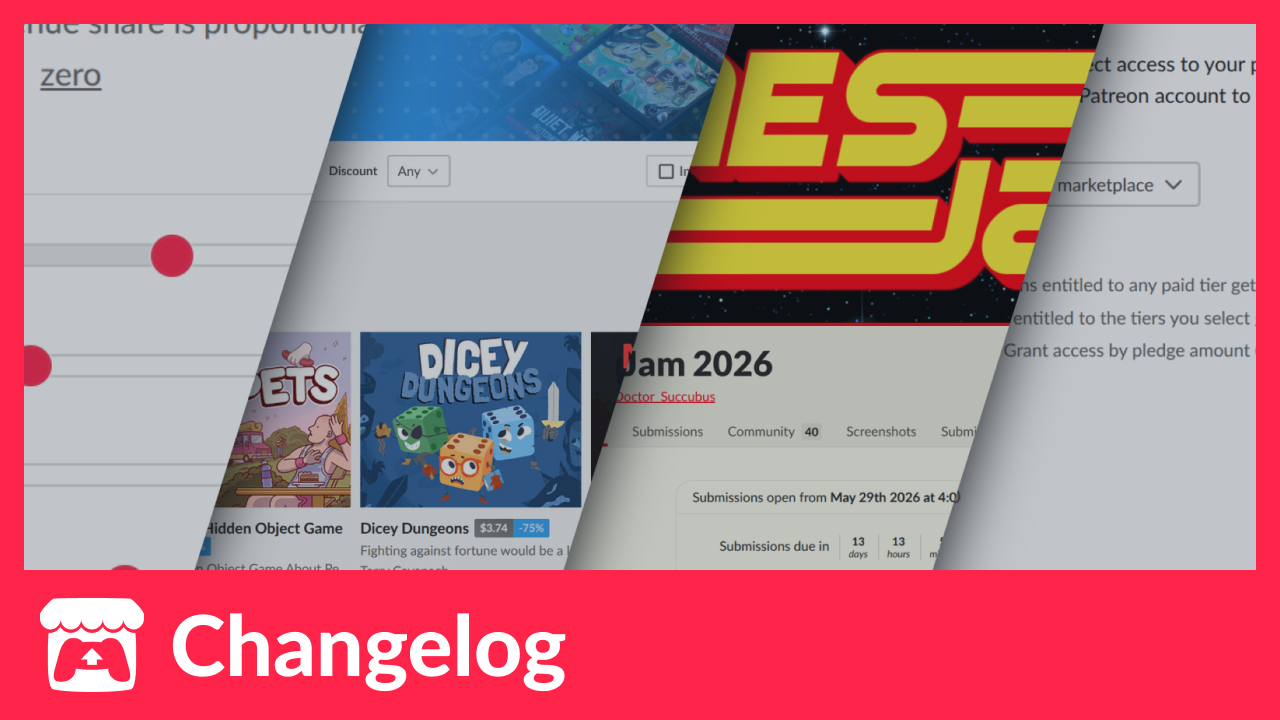
In the ever-evolving landscape of independent game development, itch.io has long served as a bastion for creators, hobbyists, and experimental developers. By consistently lowering the barrier to entry, the platform has become a central hub for the indie gaming community. Recently, the itch.io team unveiled a comprehensive suite of updates that touch upon nearly every facet of the creator experience—from how players discover games during seasonal sales to how developers manage their collaborative projects and external community support.
This latest changelog—highlighting the introduction of the Sale Explorer, a complete reconstruction of bundle hosting, a modernized jam theme editor, and a rebuilt Patreon integration—marks one of the most significant technical shifts for the platform in recent years.
The Sale Explorer: Navigating a Sea of Indie Content
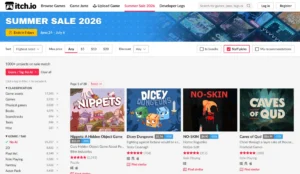
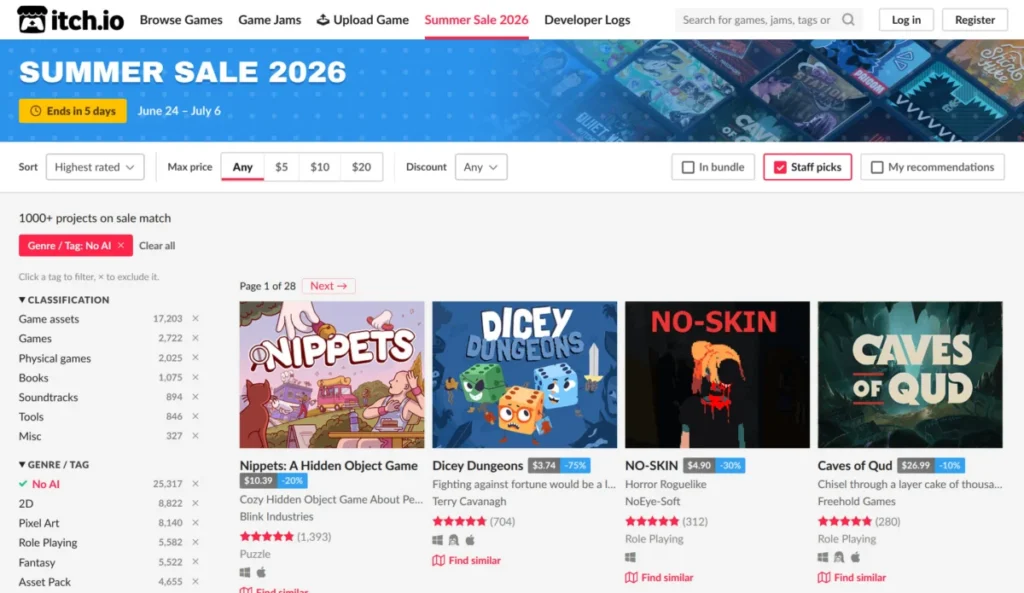
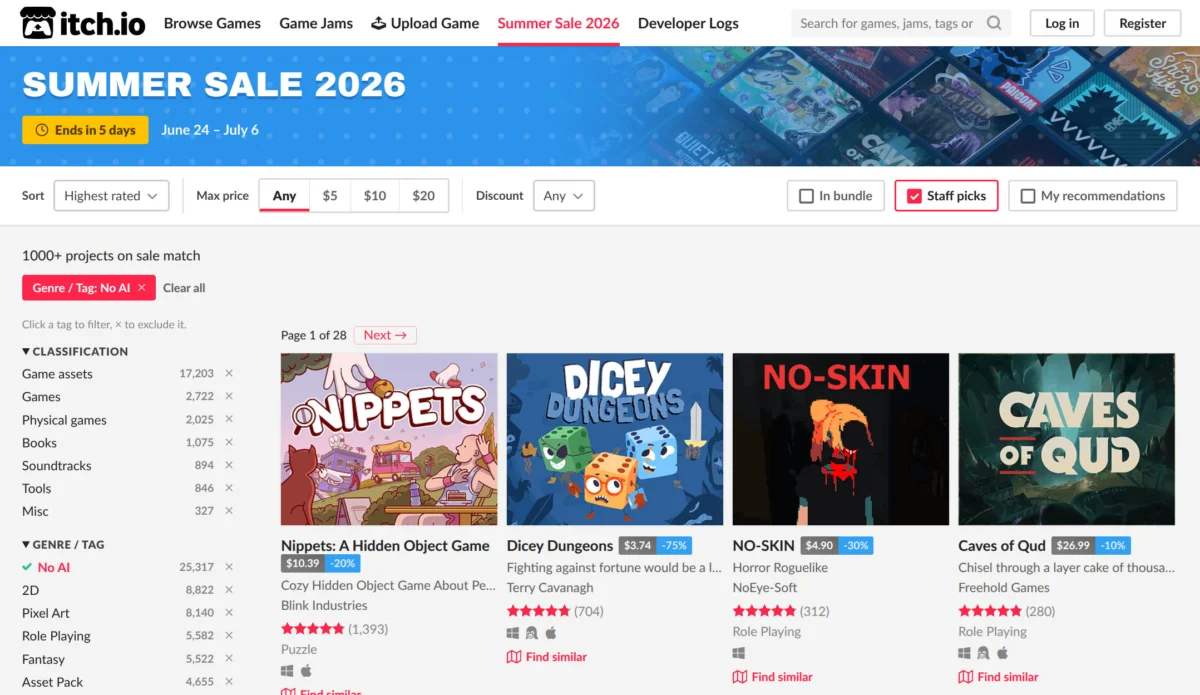
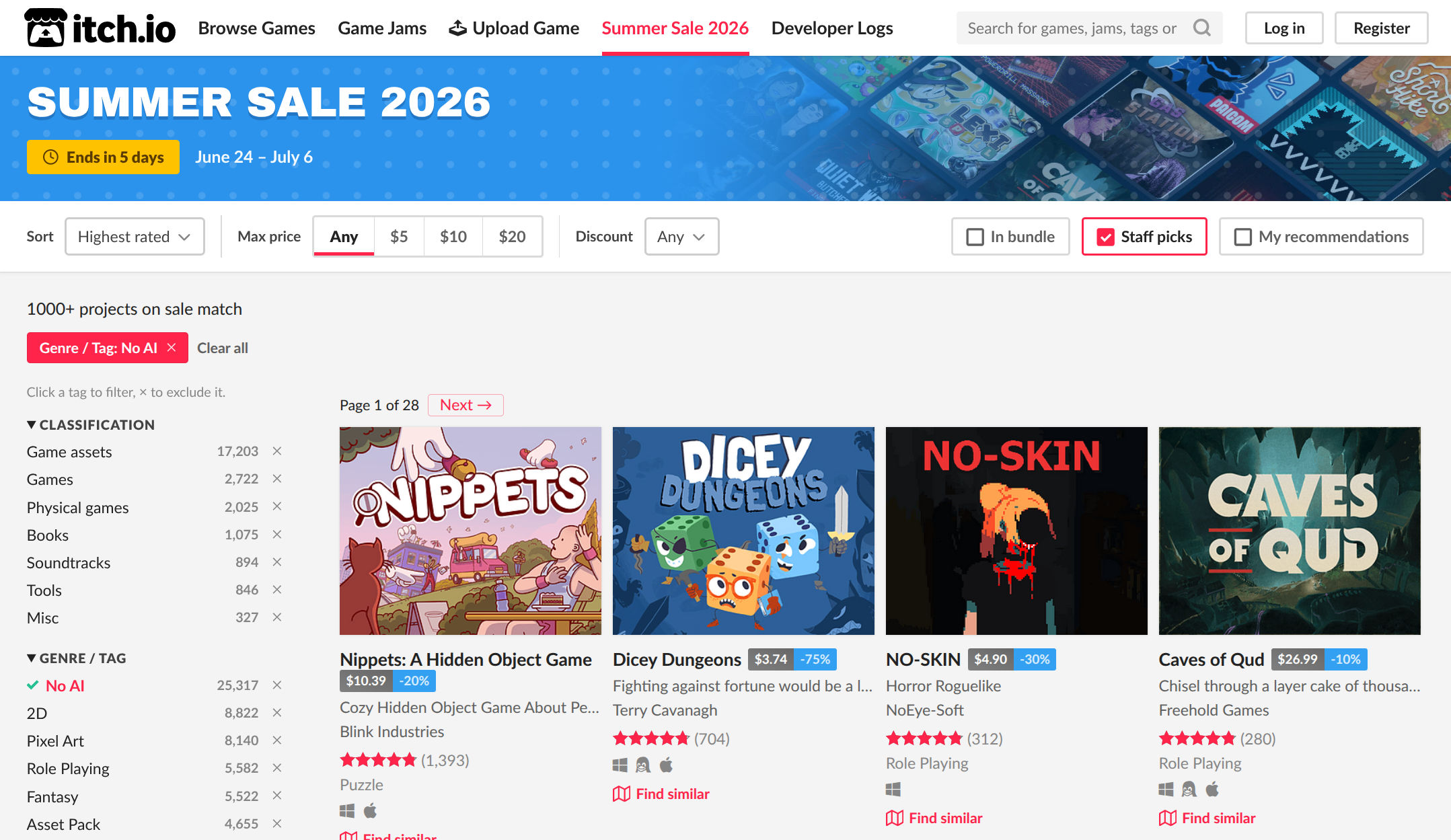
With the Summer Sale 2026 featuring over 30,000 discounted projects, the sheer volume of content on itch.io has reached a scale that traditional browsing methods can no longer adequately support. To address this, the developers launched the Sale Explorer, a dedicated interface designed to streamline the discovery process.
The Problem of Discovery
As indie catalogs grow, the "discovery problem" becomes paramount. When a store front hosts tens of thousands of items, users often suffer from choice paralysis or struggle to find specific niches within a sea of generic listings. The Sale Explorer solves this by functioning as a high-performance filtering engine. It allows users to drill down by genre, tags, platform compatibility, and pricing tiers, effectively turning a chaotic catalog into a curated shopping experience.
Implications for the Market
By improving the browsing experience, itch.io is effectively increasing the visibility of long-tail content—those hidden gems that often get buried under best-sellers. The team has indicated that they view the Sale Explorer as a pilot program; they hope to integrate these granular filtering capabilities into the site’s permanent browse pages, which would represent a massive quality-of-life upgrade for the platform’s long-term utility.
Bundle Hosting Revamp: Simplifying Collaborative Efforts
For over a decade, itch.io’s bundle system has been the go-to tool for developers to group their projects for charity, social impact, or thematic collections. However, the legacy infrastructure was beginning to show its age. The 2026 overhaul is a direct response to the increasing complexity of collaborative bundles involving dozens of individual creators.
Key Technical Upgrades
The revamped hosting system introduces several critical features:
- Streamlined Management: Organizers can now manage participant lists with greater ease, reducing the administrative burden that previously plagued large-scale bundles.
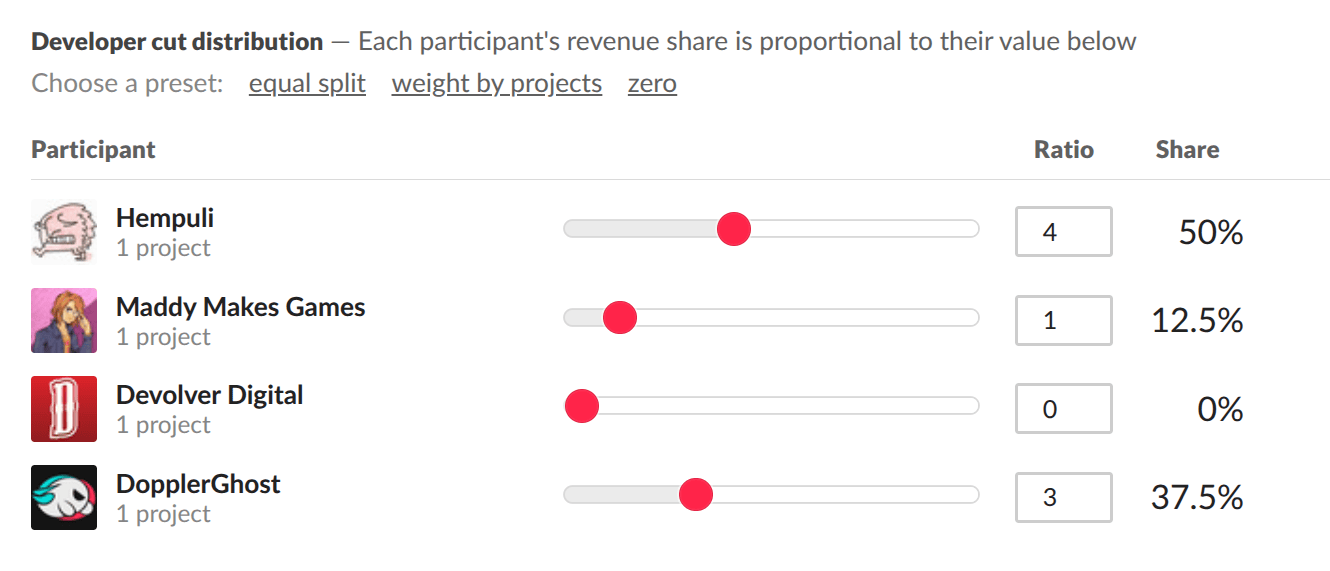
- Flexible Revenue Distribution: One of the most requested features remains the ability to manage revenue splits effectively across diverse teams, a core concern for developers who wish to distribute proceeds transparently.
- Reset Participation: The new architecture allows for "pending" bundles to be reset, giving organizers a safety net if they need to reconfigure project lists or participant requirements after a project has already been drafted.
These changes are not merely cosmetic; they fundamentally alter the viability of hosting large-scale, multi-creator events, ensuring that the logistical overhead doesn’t discourage developers from organizing bundles.
Jam Theme Editor: Modernizing the Creative Canvas
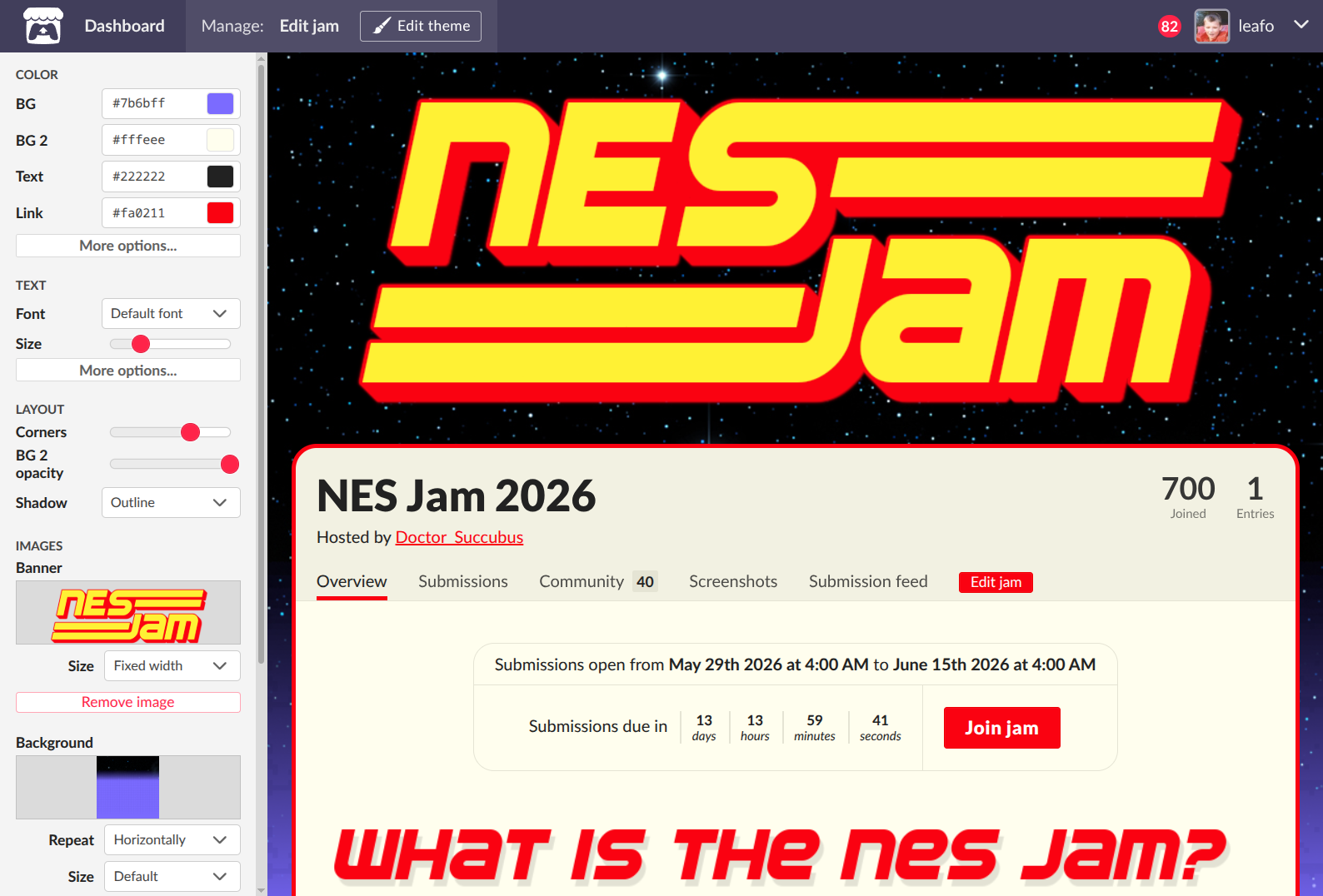
Game jams are the lifeblood of the itch.io community, serving as incubators for new ideas and rapid prototyping. The "Jam Theme Editor" has historically been a functional but somewhat rigid tool. By migrating the editor to the site’s standardized, modern UI framework, the developers have provided hosts with a much more intuitive environment.
Customization and CSS Preservation
The new editor provides a suite of enhanced customization options, allowing hosts to inject more personality into their jam pages without requiring deep technical knowledge. Crucially, for those who rely on custom CSS to build elaborate, unique event pages, the developers have gone to great lengths to ensure backward compatibility.
By preserving existing custom CSS functionality while simultaneously modernizing the underlying markup, itch.io has managed to satisfy both the casual user looking for easy-to-use templates and the power-user who demands complete control over their event’s visual identity.
Enhanced Patreon Integration: Fixing the Currency Gap
Perhaps the most technically significant update in this release is the total rebuild of the Patreon integration. The previous system relied on pledge amounts, which created a logistical nightmare for international creators and patrons dealing with fluctuating currency exchange rates.
Moving to the V2 API
By migrating to Patreon’s V2 API, itch.io has shifted the focus from raw currency values to Membership Tiers. This is a paradigm shift that solves the "currency issue" once and for all: if a creator sets a tier for "Supporters," a patron gets access to the designated content regardless of whether they are paying in USD, EUR, or any other currency.
Strategic Benefits for Creators
The new integration offers three distinct ways to grant project access:
- Direct Tier Access: Automatic unlocking based on active membership status.
- Tier-Based Granting: Allowing creators to define specific tiers that qualify for specific project rewards.
- Indefinite Access: A crucial retention feature where once a patron claims a project, they maintain access to it even if they later cancel their subscription—ensuring a fair value exchange for their initial support.
This update effectively removes the "friction of support." When the process of rewarding patrons is seamless and automated, it empowers developers to build sustainable, Patreon-funded businesses directly on top of the itch.io ecosystem.
Community Feedback and Future Directions
The reception to these changes has been largely positive, though it has also sparked a healthy, ongoing dialogue between the developers and the user base.
User Perspectives
On the community forums, users have expressed appreciation for the Sale Explorer’s efficiency, with some noting that the ability to exclude certain genres and request "similar game" recommendations makes massive sales much more manageable. However, the community is also vocal about what is missing. For example, some users have requested more granular control over "AI-assisted" tags, reflecting the ongoing industry-wide conversation regarding the role of generative tools in game development.
The "Leafo" Dialogue
A notable aspect of itch.io’s culture is the accessibility of its core team. In the discussion surrounding the bundle updates, platform founder Leafo directly engaged with users requesting even more granular revenue-split features. This transparency—acknowledging that certain features are on the roadmap but not yet implemented—fosters a high degree of trust between the platform and its creators.
Implications: A Platform for the Long Haul
What does this series of updates tell us about the future of itch.io?
First, it signals a transition from "growth" to "optimization." After years of rapidly adding features, the team is now focusing on tightening the integration between existing tools. By standardizing the UI across the jam editor, sales pages, and account settings, the platform is becoming more cohesive and easier to navigate.
Second, it highlights a dedication to the creator’s livelihood. By fixing the Patreon integration and refining the bundle hosting system, itch.io is acknowledging that its users are not just hobbyists, but professionals looking to sustain their careers. Providing the infrastructure to handle complex, multi-party financial arrangements is essential for the platform to remain relevant in a competitive market.
Finally, the focus on the Sale Explorer demonstrates an understanding of the user journey. As the library of games on itch.io continues to balloon, the platform that makes the best decisions regarding discoverability will ultimately win the loyalty of the player base.
Final Thoughts
The itch.io changelog for this cycle is more than just a list of bug fixes and feature tweaks. It is a strategic update that reinforces the platform’s role as the premier home for independent digital creativity. By lowering technical barriers—whether through better API usage, modernized UI, or smarter filtering—itch.io is ensuring that it remains the most developer-friendly storefront in the industry. As the community continues to grow, these foundations will prove critical in supporting the next generation of indie hits and the creators behind them.