
The Modular Revolution: Vicharak’s Axon-Lite Challenges the Status Quo of Embedded Computing
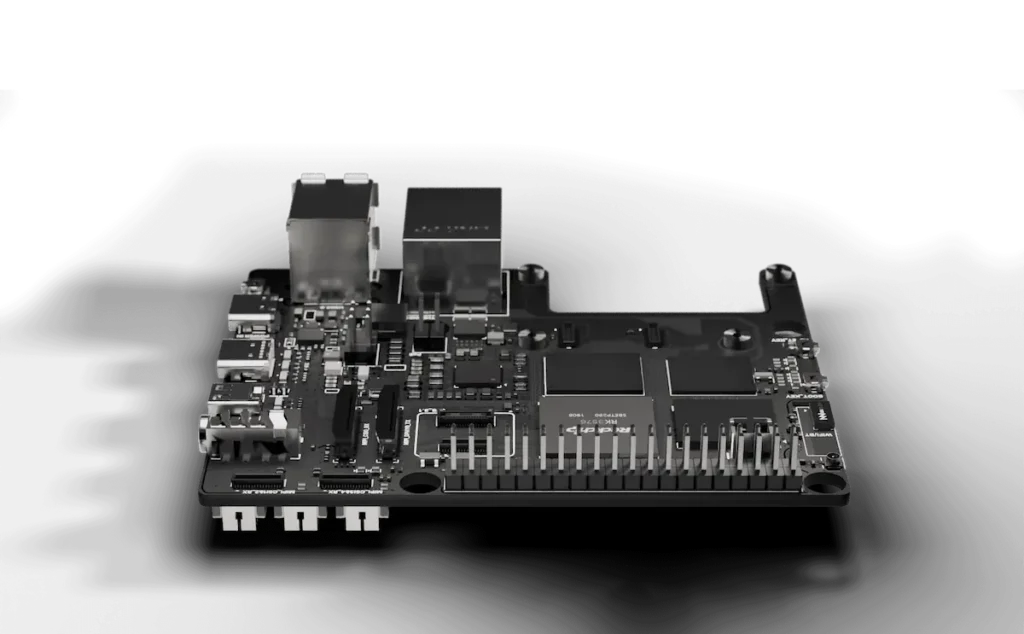
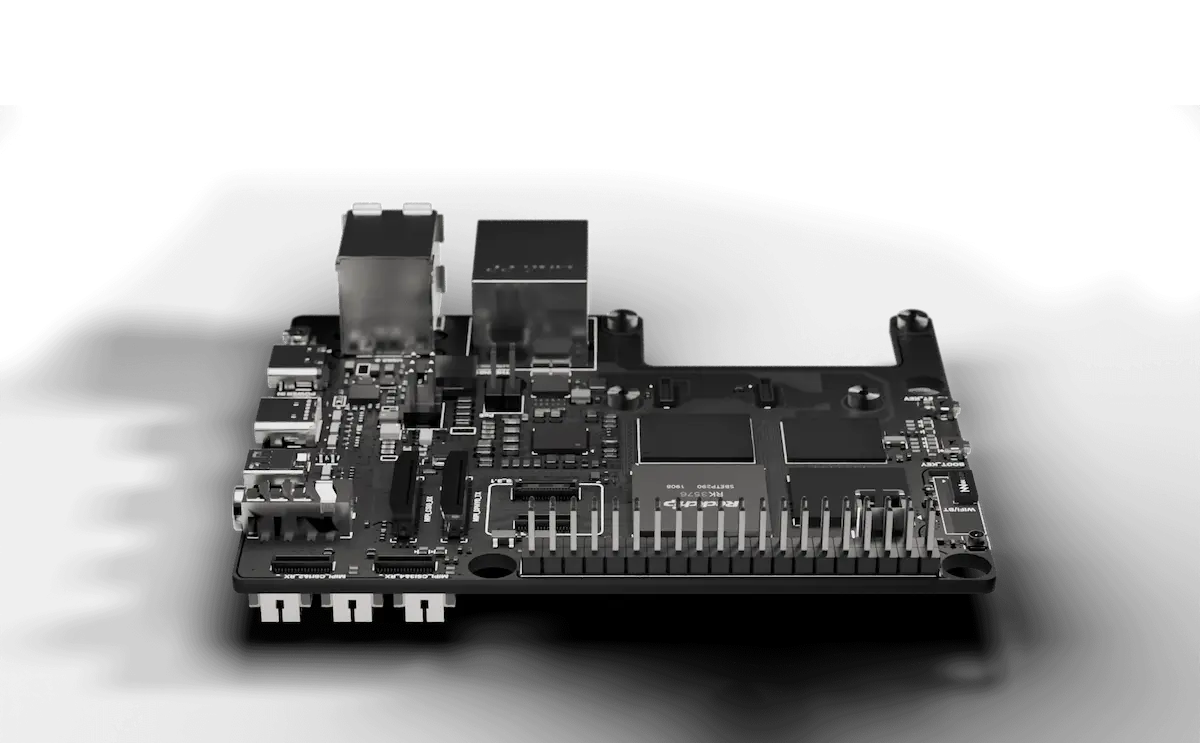
The landscape of single-board computers (SBCs) has long been dominated by a "disposable" philosophy. When a project outgrows its hardware—perhaps requiring more sensors, specialized audio input, or higher-fidelity computer vision—the standard solution is to discard the current board, purchase a new, more powerful model, and start the arduous process of porting your software stack.
Vicharak, a hardware innovator already known for its FPGA-based Vaaman and the broader Axon line, is looking to disrupt this cycle. With the launch of the Axon-Lite, the company is betting on a modular future, introducing a platform where the interface—not the computer itself—is the variable component.
Main Facts: The Anatomy of the Axon-Lite
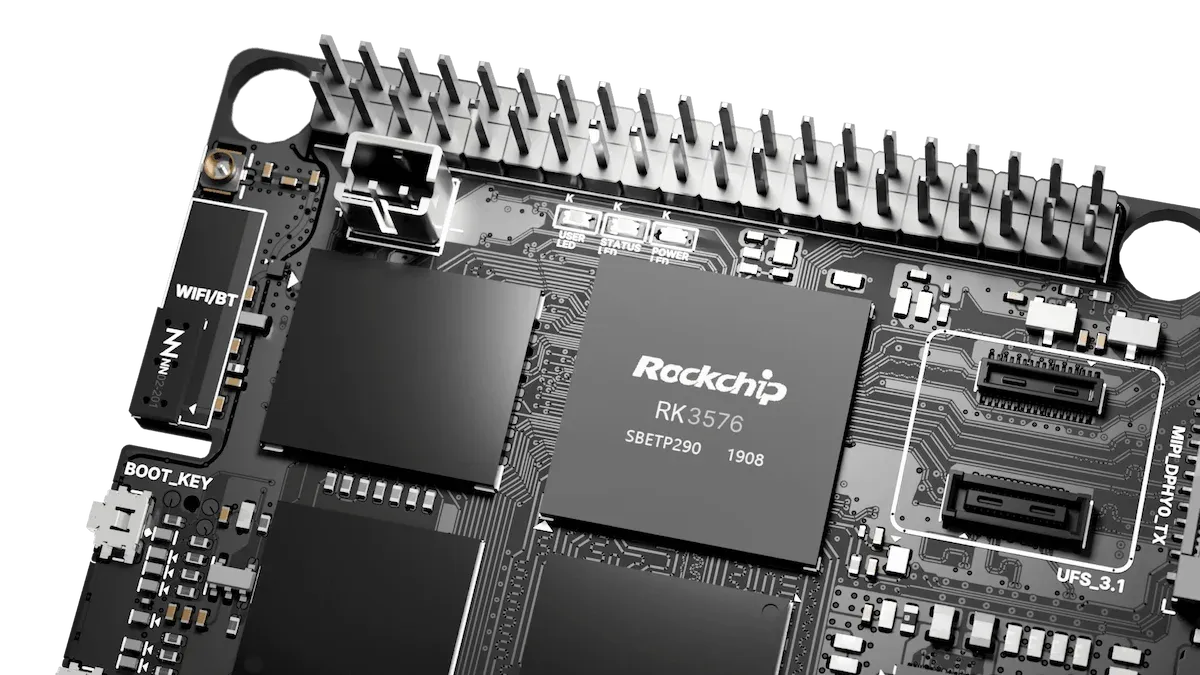
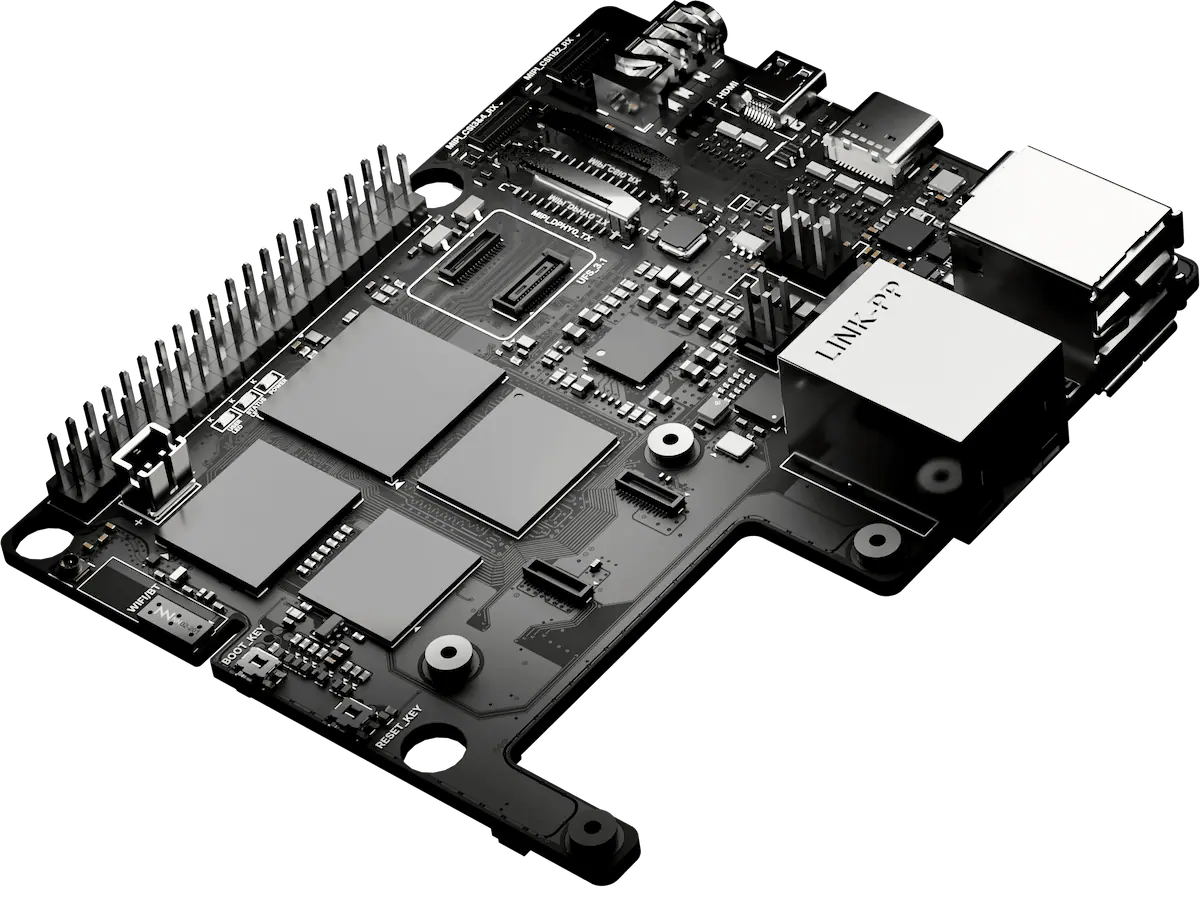
At its core, the Axon-Lite is an octa-core ARM-based SBC powered by the Rockchip RK3576. This specific silicon choice positions the board in a "Goldilocks zone" of the embedded market: it offers significantly more performance than the entry-level RK3566, while remaining a more accessible, power-efficient alternative to the flagship RK3588.
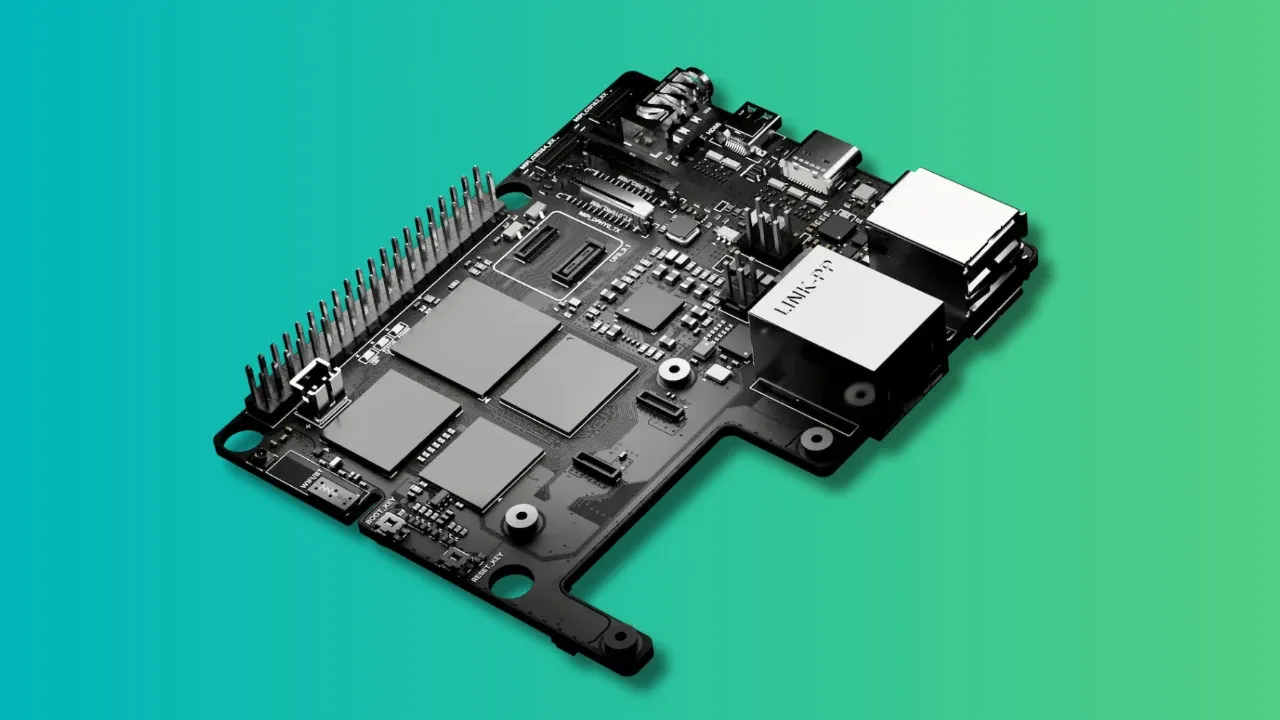
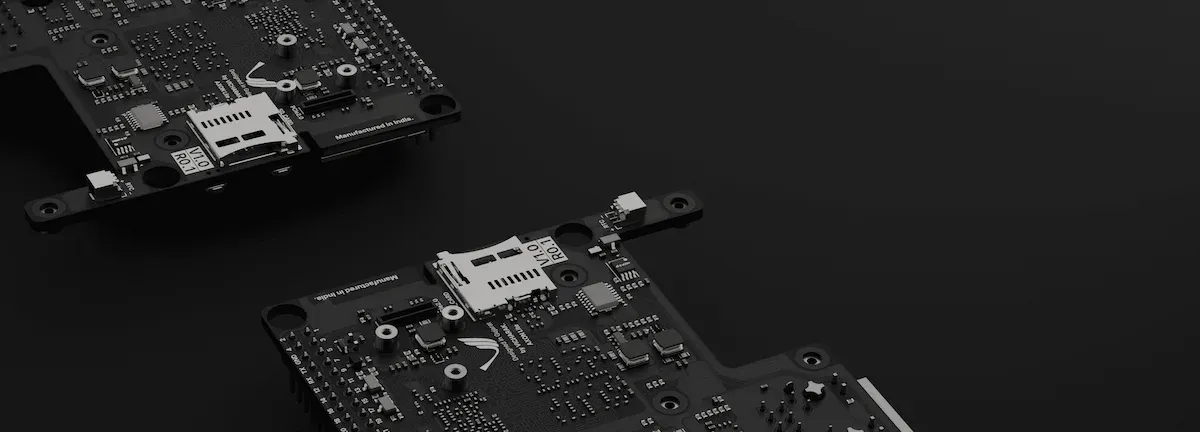
The standout feature, however, is not the raw silicon, but the modular connector interface. Rather than cluttering a GPIO header with a "tower of HATs"—which often leads to physical instability and electrical interference—the Axon-Lite allows users to snap on dedicated interface modules tailored to specific applications. Vicharak has launched with four primary modules:
- Voice Processing: Optimized for high-fidelity audio capture and noise suppression.
- Smart Sensing: Designed for industrial and environmental IoT sensor arrays.
- AI Data Hub: Geared toward edge data aggregation and preprocessing.
- AI Vision: A dedicated module for real-time video processing and computer vision tasks.
Beyond these swappable modules, the board supports board-to-board expansion, allowing developers to stack daughter boards for more complex, permanent configurations.
Chronology of Development: From FPGA Roots to Modular ARM
Vicharak’s journey to the Axon-Lite is not the result of a novice startup’s gamble. The company first made waves in the open-source hardware community with the Vaaman, a board designed to bridge the gap between pure FPGA development and traditional ARM-based computing.

- Phase I (The FPGA Foundation): The success of the Vaaman established Vicharak’s commitment to "reconfigurable computing." By giving developers direct access to programmable logic, they built a user base accustomed to deep-level hardware customization.
- Phase II (The Axon Expansion): Leveraging their experience with FPGA routing, the team began developing the Axon series, aiming to bring that same flexibility to mainstream ARM architectures.
- Phase III (The Lite Evolution): Recognizing that not every project requires the overhead of an FPGA or a massive workstation-class SBC, the company distilled their modular philosophy into the Axon-Lite. Announced in late 2026, the board represents the culmination of years of iterative design focused on the specific pain points of edge AI developers and industrial prototyper.
Supporting Data: Technical Specifications and Performance
The Axon-Lite is not just a modular curiosity; it is a serious contender for edge AI workloads. Built on a cutting-edge TSMC 5nm process, the Rockchip RK3576 is designed for high efficiency, critical for portable or battery-operated deployments.
Key Specifications:
- SoC: Rockchip RK3576 (Octa-core ARM).
- NPU: 6 TOPS (Tera Operations Per Second). This is a critical metric, as it matches the NPU performance of much larger, more expensive boards, making it highly capable for running local Large Language Models (LLMs) or computer vision inference.
- Memory: High-speed LPDDR5, ensuring the processor isn’t starved for data during intensive AI tasks.
- Storage: Multi-faceted support including eMMC 5.1, UFS 3.1 (a notable inclusion for its speed and reliability), and a traditional microSD slot.
- Connectivity: Wi-Fi 6, Bluetooth 5.2, and Gigabit Ethernet.
- Vision I/O: 4-lane CSI, additional 2-lane CSI, 4-lane DSI, and a 16MP Image Signal Processor (ISP).
- Power: Integrated battery charging circuitry, confirming the board’s utility in mobile or remote field operations.
The inclusion of UFS 3.1 storage is particularly noteworthy. While many budget boards rely on slow SD cards or basic eMMC, the use of UFS indicates that Vicharak is targeting the "prosumer" and industrial market where data throughput and system responsiveness are paramount.
Official Stance and Software Ecosystem
Vicharak has made a strategic decision to prioritize a "Linux-first" experience. By providing a Debian-based environment, they ensure that the learning curve for the Axon-Lite is negligible for anyone familiar with the Raspberry Pi ecosystem or general Linux server administration.
"We are building for the developer who knows the tools," says the company in their technical documentation. The board supports the full standard suite of Linux development tools: VS Code, Git, Python, Docker, and Node.js.
For the AI and robotics community, the software support is equally robust. Vicharak has confirmed compatibility with ROS 2 (Robot Operating System), OpenCV, GStreamer, and FFmpeg. Furthermore, for those deploying neural networks, the board supports TensorFlow Lite and ONNX Runtime, allowing developers to move models from training environments directly to the edge without significant refactoring.
Implications for the Embedded Industry
The release of the Axon-Lite poses a significant question for the industry: Is the era of the monolithic SBC ending?
The Benefits of Modularity
The most obvious implication is the reduction of electronic waste. By allowing users to upgrade only the interface module—or by allowing a single board to serve multiple purposes across different project phases—Vicharak reduces the hardware footprint of the development lifecycle. For product teams, this means a prototype can transition from a sensor-heavy data collection phase to a high-speed vision processing phase without redesigning the entire compute core.
The Risks of Proprietary Interfaces
However, there is a caveat. The "modular connector" used by Vicharak is currently a proprietary interface. While this allows for high-speed, reliable connections, it ties the user to Vicharak’s ecosystem. If the company fails to release a wide variety of modules, or if they discontinue the product line, the "future-proof" promise of the board could evaporate. Unlike the standard 40-pin GPIO header—which has universal support—the Vicharak interface requires a commitment to the vendor’s roadmap.
Market Positioning
At a price point of approximately $165 for the 4GB variant and $200 for the 8GB variant, the Axon-Lite is not competing with the $35 Raspberry Pi Zero. Instead, it is aiming squarely at the industrial prototyping and high-end hobbyist segment. By offering 6 TOPS of NPU power and LPDDR5 RAM, Vicharak is positioning the Axon-Lite as a cost-effective, time-saving tool for professional developers who value the ability to swap modules over the cheap, commodity pricing of mass-market boards.
Conclusion: A New Standard for Edge Computing?
The Axon-Lite is a bold experiment in hardware architecture. It challenges the "buy new, throw away old" mentality that has plagued the SBC market for over a decade. Whether it succeeds will depend on two factors: the reliability of the software support and the breadth of the module library that Vicharak manages to bring to market in the coming years.
As we look toward the scheduled shipping date of January 2027, the tech community will be watching closely. If Vicharak can deliver on its promise of a truly reconfigurable, reliable, and high-performance ecosystem, the Axon-Lite may well become the blueprint for the next generation of embedded computing. For now, it stands as a refreshing alternative for those tired of the limitations of static hardware, offering a glimpse of a future where your computer evolves alongside your ideas.








