
From Algae Dreams to Sunflower Reality: One Maker’s Journey Into DIY Biodiesel
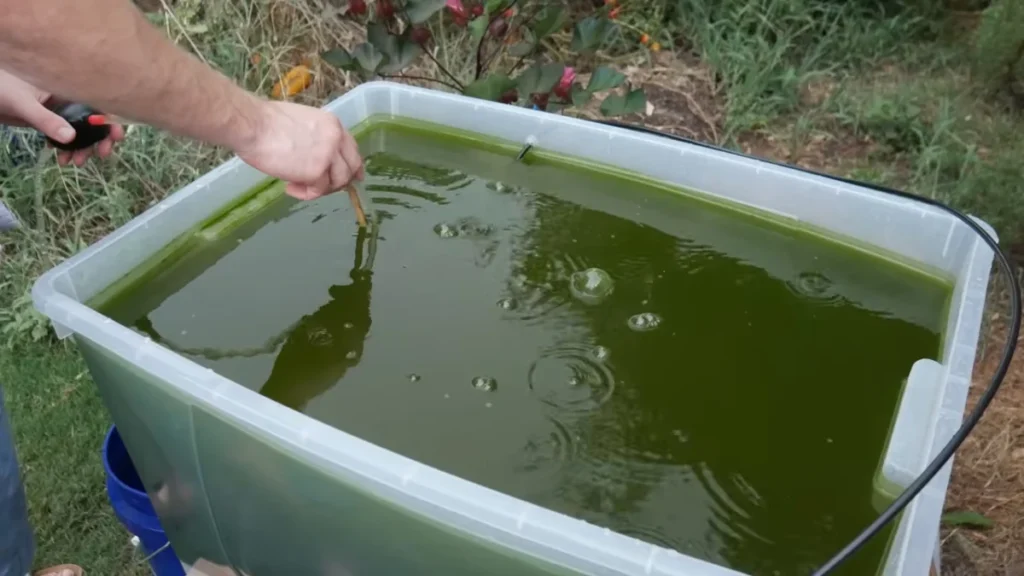
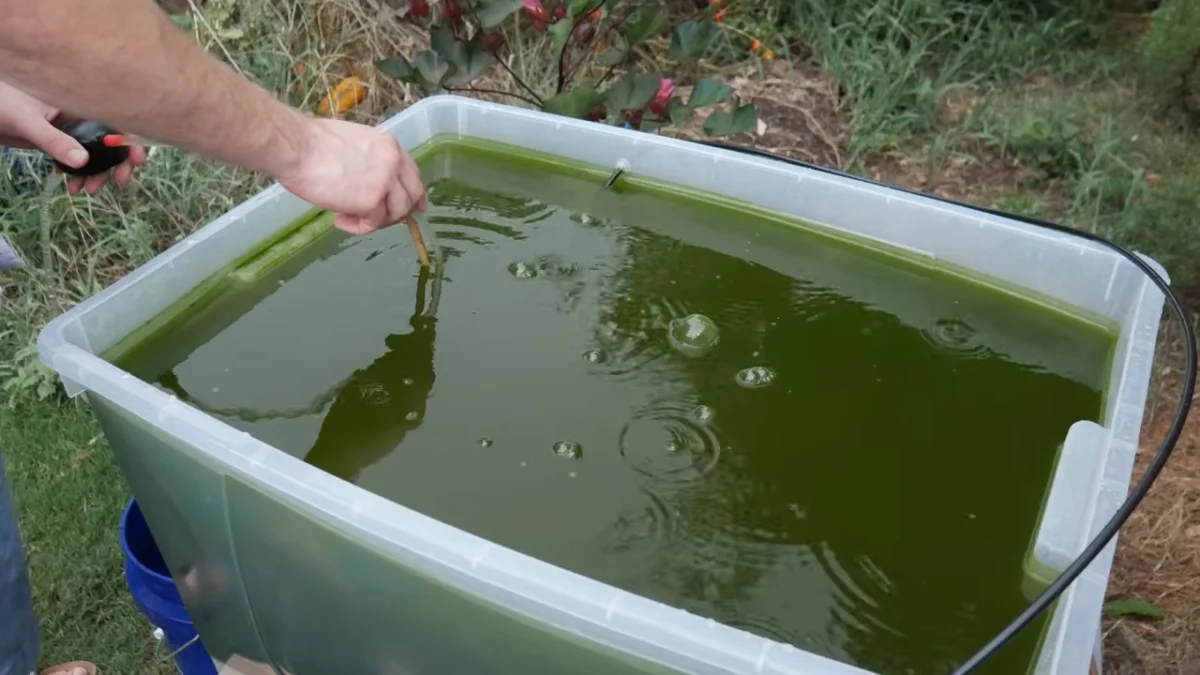
In an era of fluctuating energy prices and a growing interest in self-sufficiency, the prospect of turning backyard biomass into liquid fuel has captured the imagination of engineers, environmentalists, and DIY enthusiasts alike. Recently, a maker known as [Silent H] documented his ambitious, if ultimately humbled, attempt to create his own biodiesel. His project serves as a compelling case study on the technical hurdles of biofuel production and the stark reality of shifting from lab-bench theory to real-world application.
The Genesis of an Independent Fuel Project
The motivation behind [Silent H]’s project was not born from a reactive response to geopolitical instability or the soaring price of crude oil. Rather, the initiative began long before the volatility in the Strait of Hormuz dominated global energy headlines. Driven by a spirit of independence, [Silent H] sought to explore the feasibility of home-brewed fuel at a time when diesel was remarkably inexpensive.
What began as an intellectual challenge soon evolved into a rigorous experiment. The project was initially conceived around the promise of algae as a sustainable, high-yield feedstock. However, as the process unfolded, the technical limitations of small-scale algae processing forced a pivot toward a more traditional, yet still effective, agricultural source: the humble sunflower.
Chronology: A Trial of Two Feedstocks
Phase I: The Algae Ambition
[Silent H] initially targeted Chlorella vulgaris as his primary algae strain. In the world of biofuel research, Chlorella is often hailed as a "gold standard" candidate for several reasons:
- Cultivation Ease: It is remarkably resilient and reproduces rapidly in controlled environments.
- Harvesting Efficiency: As the culture reaches maturity, the cells naturally flocculate and sink, simplifying the separation from the growth medium.
- Oil Density: It boasts a high lipid profile, theoretically offering a high return on energy invested.
However, the transition from "high oil content" to "usable fuel" proved to be a formidable bottleneck. Chlorella cells possess exceptionally robust cell walls designed by nature to protect the organism from environmental stressors. In a laboratory setting, specialized equipment like ultrasonic sonicators or high-pressure homogenizers can rupture these cells to release the lipids. In a DIY garage setting, these tools are often inaccessible or prohibitively expensive. Despite his efforts, [Silent H] found that the extraction process yielded only a few grams of oil—a negligible amount compared to the effort expended.
Phase II: The Sunflower Pivot
Recognizing that the algae path was yielding more frustration than fuel, [Silent H] switched to a more "tractable" feedstock: sunflower seeds. Unlike the microscopic, armored cells of algae, sunflower seeds store their energy in a macro-scale format that is physically accessible through mechanical force.
By utilizing an oil press to apply significant pressure, [Silent H] was able to extract raw vegetable oil with relative ease. Once the crude oil was collected, the project moved into the chemical phase: transesterification. This process involves reacting the vegetable oil with an alcohol (usually methanol) and a catalyst (such as sodium hydroxide) to break down the triglycerides into fatty acid methyl esters—the chemical backbone of biodiesel. The resulting byproduct, glycerine, is separated out, leaving behind a fuel capable of powering a standard diesel engine.
Supporting Data: The Science of Transesterification
The chemistry of biodiesel is elegant in its simplicity, yet unforgiving of poor execution. Transesterification is essentially a chemical "swap." The vegetable oil molecule, a triglyceride, is composed of three fatty acid chains attached to a glycerol backbone. By introducing an alcohol and a catalyst, the glycerol is displaced, and the fatty acid chains bond with the alcohol molecules to form esters.
Key Factors for Success:
- Water Content: The presence of water can lead to soap formation rather than fuel, a process known as saponification. Ensuring the feedstock is dry is paramount.
- Temperature Control: The reaction requires specific temperature ranges to proceed efficiently. Too low, and the reaction stalls; too high, and methanol (which is highly volatile and flammable) can create a hazardous vapor environment.
- Catalyst Precision: The amount of catalyst must be precisely measured based on the "titration" of the oil. Different batches of oil have different levels of "free fatty acids," which dictate exactly how much lye or caustic soda is required.
[Silent H]’s success with the sunflowers underscores that while the process of biodiesel production is well-understood, the sourcing of the raw material remains the primary challenge for the amateur scientist.
Implications for the DIY Energy Movement
What does [Silent H]’s journey tell us about the future of domestic fuel production? His experience highlights three major implications for the maker community and the broader energy landscape.
1. The Scaling Problem
Biodiesel production is "ripe for hacking," as many in the community argue, yet it remains a niche pursuit. The gap between producing a "pint of fuel" and producing a "tankful of fuel" is exponential. To power a vehicle for daily use, one would need to process hundreds of pounds of sunflowers or cultivate massive, sunlight-optimized photobioreactors for algae. The energy return on investment (EROI) must be carefully calculated; if it takes more energy to grow and process the fuel than the fuel provides, the environmental and economic benefits are neutralized.
2. The Technological Barrier
The failure of the Chlorella experiment demonstrates that biology is a difficult medium for DIY hardware. While computer programming or 3D printing allows for rapid iteration, biotechnology often requires expensive, industrial-grade equipment to overcome the physical defenses of organic cells. Until more affordable, high-throughput extraction methods (such as small-scale mechanical rupturing or biological enzymatic digestion) become available to hobbyists, algae-based fuel will remain out of reach for the average garage mechanic.
3. Sustainability and Land Use
The pivot to sunflowers raises the question of land use. If every diesel driver attempted to grow their own fuel, the demand for arable land would skyrocket. This highlights the importance of focusing on "waste" feedstocks—such as used cooking oil or non-food agricultural waste—rather than primary food crops like sunflowers. While [Silent H] proved that sunflowers can work, the long-term sustainability of such a practice relies on utilizing resources that would otherwise go to waste.
Conclusion: A Lesson in Resilience
[Silent H]’s project is ultimately a success story, not because he fueled his car to the moon, but because he successfully navigated the complexities of fuel chemistry and adapted his strategy in the face of failure. His journey underscores a vital truth about the maker movement: the value lies as much in the failure of the algae experiment as it does in the success of the sunflower pressing.
By documenting the process, [Silent H] has provided a roadmap for others interested in the field. He has demonstrated that while biodiesel production is well within the capabilities of a dedicated individual, it requires a deep understanding of mechanical extraction, precise chemical balancing, and, most importantly, a willingness to adapt to the limitations of one’s resources. As we continue to look for ways to decrease our dependence on centralized energy systems, experiments like these—however modest—form the foundation of a more resilient, decentralized future.







