
The Evolution of Intelligence: People of AI Returns for Season 2 with a Laser Focus on Generative AI and Human Stories
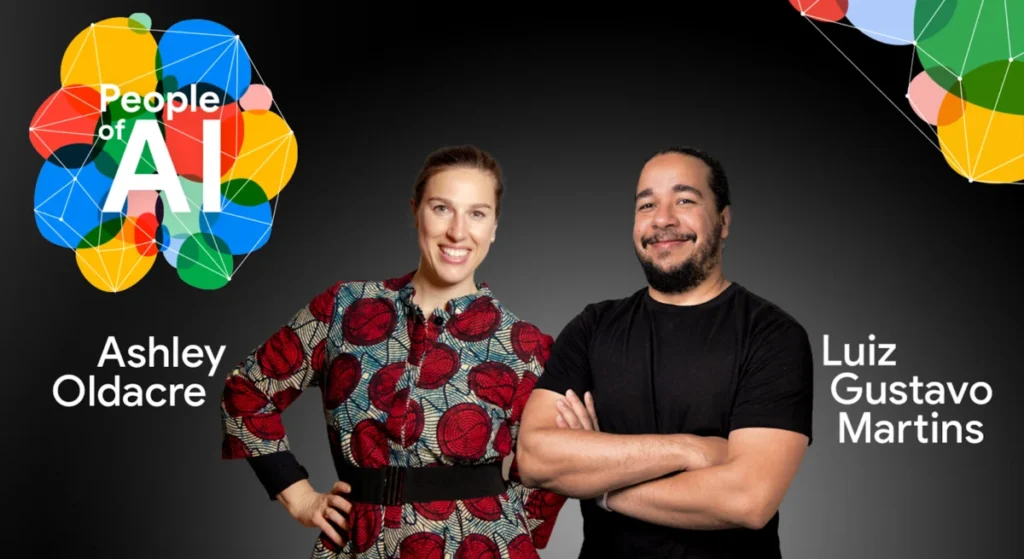
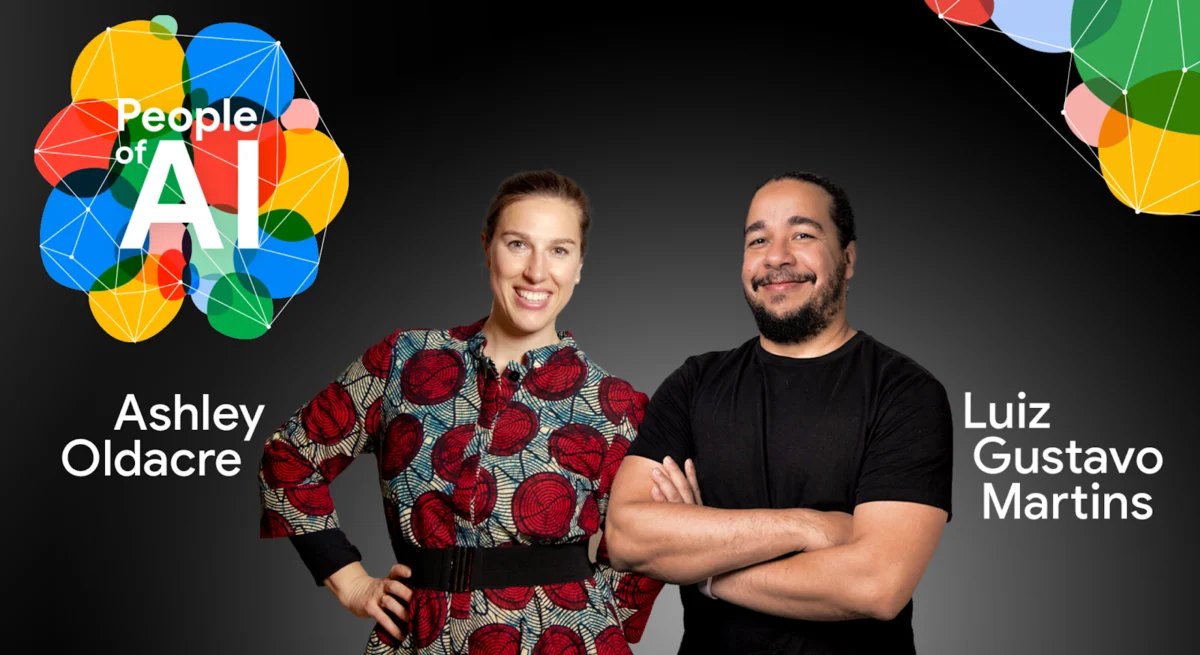
SAN FRANCISCO — In the rapidly evolving landscape of modern technology, artificial intelligence has ceased to be a futuristic frontier discussed only in academic halls or science fiction novels. It is the defining technological current of our era. Against this backdrop of explosive innovation, the acclaimed podcast People of AI has officially launched its highly anticipated second season. Spearheaded by host Ashley Oldacre and welcoming new co-host Luiz Gustavo Martins, the Google-sponsored podcast returns to humanize the data, placing the spotlight squarely on the visionaries, engineers, and creators shaping the AI revolution.
For listeners tuning in for the first time, the transition to Season 2 marks a prime opportunity to revisit the foundational eight episodes of Season 1, which are currently available for binge-listening across all major podcast platforms via Libsyn. However, Season 2 promises a distinct evolution—pivoting from the general pathways of entering the AI ecosystem to the seismic, disruptive, and transformative wave of Generative AI.
Main Facts: What to Expect from Season 2
The premiere of People of AI Season 2 brings several notable updates for technology enthusiasts, career seekers, and casual listeners alike:
- New Co-Host Integration: Ashley Oldacre is joined by Luiz Gustavo Martins, bringing fresh perspectives, dynamic dialogue, and deep industry insights to the interviewing chair.
- Generative AI Focus: While Season 1 explored diverse journeys into machine learning and the democratization of AI, Season 2 zeroes in on the exponential rise of Generative AI tools, large language models, and creative synthesis technologies.
- Weekly Release Schedule: New episodes will drop weekly, starting today, accessible via the official People of AI website and major podcast networks such as Apple Podcasts, Spotify, and Google Podcasts.
- Upcoming Video Format: In an exciting roadmap expansion, the production team has announced that later in the season, People of AI will premiere its very first video podcasts, offering a visual dimension to these compelling conversations.
- Sponsorship and Independence: The podcast is proudly sponsored by Google, though production notes emphasize that all remarks, opinions, and insights shared by guests are entirely their own and do not necessarily reflect official corporate endorsements.
Chronology: The Journey from Foundational ML to the Generative Era
To understand the weight and timing of Season 2, it is essential to trace the trajectory of the podcast and the broader technological ecosystem it chronicles.
Season 1: Demystifying the Barrier to Entry
When People of AI first launched, the global tech community was grappling with a massive talent shortage in machine learning and data science. Season 1 was designed as a bridge. Through intimate, long-form interviews, the show highlighted the non-linear career paths of its guests.
The core narrative of the inaugural season was clear: There is no single "right" background for a career in AI. Whether guests came from traditional computer science backgrounds, the humanities, the arts, or business management, the show demonstrated that the barrier to entry was lowering. Season 1 heavily emphasized that AI tools, platforms, and cloud-based machine learning services were becoming increasingly accessible. Furthermore, it laid down an ethical anchor, stressing the absolute necessity of building products responsibly, inclusively, and safely.
The Turning Point: The Generative Boom
Between the conclusion of Season 1 and the development of Season 2, the tech world underwent a tectonic shift. The mainstream breakthrough of Generative AI—characterized by advanced text generation, high-fidelity synthetic image creation, automated code writing, and multimodal reasoning—changed the rules of engagement. Technology went from being analytical and predictive to generative and creative.
Recognizing this monumental shift, the creative team behind People of AI recalibrated. They realized that while the democratization of technology remained a vital theme, the conversation needed to immediately address how professionals are navigating the day-to-day realities of the Generative AI explosion.
Season 2 Launch Day
Today marks the official kickoff of this new chapter. With the release of Episode 1 of Season 2, the podcast sets a brisk weekly cadence, promising a curated lineup of innovators who are not just watching the Generative AI wave, but actively riding and steering it.
Supporting Data and Context: The State of AI Accessibility and Growth
The thematic shift in People of AI Season 2 reflects broader economic and technological realities documented across the global tech sector.
Industry data underscores why a focus on Generative AI is both timely and critical. Over the past twenty-four months, adoption rates of AI tools among enterprise organizations have surged by triple digits. According to recent tech workforce analyses:
- Accessibility: Cloud-based machine learning APIs and open-source models have reduced the time-to-market for AI-driven applications from years to mere weeks. Developers can now leverage pre-trained foundational models without needing a Ph.D. in neural networks.
- Productivity Gains: Early macroeconomic indicators and corporate case studies suggest that generative tools are yielding productivity boosts ranging from 20% to 50% in tasks spanning software development, customer service, content creation, and data synthesis.
- Career Diversification: Mirroring the thesis of People of AI, the job market has seen an explosion of roles that blend technical understanding with domain expertise—such as prompt engineers, AI ethicists, human-AI interaction designers, and AI product managers.
By focusing Season 2 on the personal career arcs of individuals working within this explosive sector, the podcast provides qualitative depth to these quantitative macro-trends. Listeners do not just hear about market growth; they hear the exact steps a technologist took to pivot into generative modeling, the challenges they faced, and how they maintain ethical standards in high-stakes environments.

Official Perspectives and Behind-the-Scenes Insights
The ethos of People of AI has always been rooted in authentic human connection. While the underlying technology is complex, the podcast insists that the story of AI is fundamentally a human story.
Ashley Oldacre on Continuing the Mission
Reflecting on the return of the show, host Ashley Oldacre emphasizes the continuity of the show’s core values while embracing new horizons. "Last season, our goal was to prove that no matter who you are, what your interests are, or what you work on, there is a place for you in AI," Oldacre notes. "We watched how technology became more accessible, breaking down barriers that once felt insurmountable."
Luiz Gustavo Martins Joins the Fold
The addition of Luiz Gustavo Martins as co-host brings an enriched dynamic to Season 2. Martins brings his own wealth of perspective to the microphones, facilitating deeper, more nuanced explorations of how technology intersects with human creativity and professional development. Together, Oldacre and Martins guide guests through reflections on what initially sparked their interest in technology, the grueling and rewarding work required to reach the pinnacle of their fields, and the cutting-edge projects consuming their professional lives today.
The Google Sponsorship and Editorial Independence
While the podcast is generously sponsored by Google—a titan actively shaping the global AI landscape—the production maintains a strict commitment to authentic discourse. The disclaimer embedded in the show’s notes—“Any remarks made by the speakers are their own and are not endorsed by Google”—underscores an editorial freedom that allows guests to speak candidly about their triumphs, failures, ethical dilemmas, and personal philosophies regarding artificial intelligence.
Implications: Why People of AI Matters in the Age of Automation
As society navigates the uncharted waters of automation, algorithmic decision-making, and generative content creation, cultural artifacts like People of AI serve a vital societal function.
1. Demystifying Fear Through Representation
The rapid acceleration of AI has understandably sparked widespread public anxiety regarding job displacement, misinformation, and technological alienation. By focusing on the people behind the algorithms, the podcast demystifies the technology. It shows that AI systems are built, maintained, and guided by human beings with ethical concerns, creative aspirations, and social awareness.
2. Charting New Career Pathways
For professionals looking to future-proof their careers, Season 2 acts as a masterclass in professional reinvention. The guests featured on the show provide an operational blueprint for how to adapt, learn, and thrive in an economy undergoing its most profound structural shift since the dawn of the internet.
3. Fostering Responsible Innovation
A recurring thread across both seasons is the emphasis on building AI responsibly and ethically. As Generative AI introduces unprecedented challenges regarding copyright, bias, data privacy, and authenticity, hearing how industry leaders grapple with these responsibilities in real-time is invaluable for the broader tech ecosystem.
How to Tune In
The first episode of People of AI Season 2 is live today. Listeners can stream the episode directly through the official People of AI website or subscribe via Apple Podcasts, Spotify, Google Podcasts, or any preferred podcast aggregator.
As the season progresses, audiences are encouraged to stay tuned for upcoming weekly releases and the highly anticipated rollout of the show’s first video podcast editions later in the cycle.
Whether you are a seasoned machine learning engineer, a curious business leader, a creative professional navigating the generative landscape, or simply someone trying to understand the world around you, People of AI Season 2 offers an essential, human-centered lens on the greatest technological transformation of our time.







