Global Maker Movement Scales Up: Raspberry Pi Announces Expansive Summer 2026 Community Calendar and Retail Tour
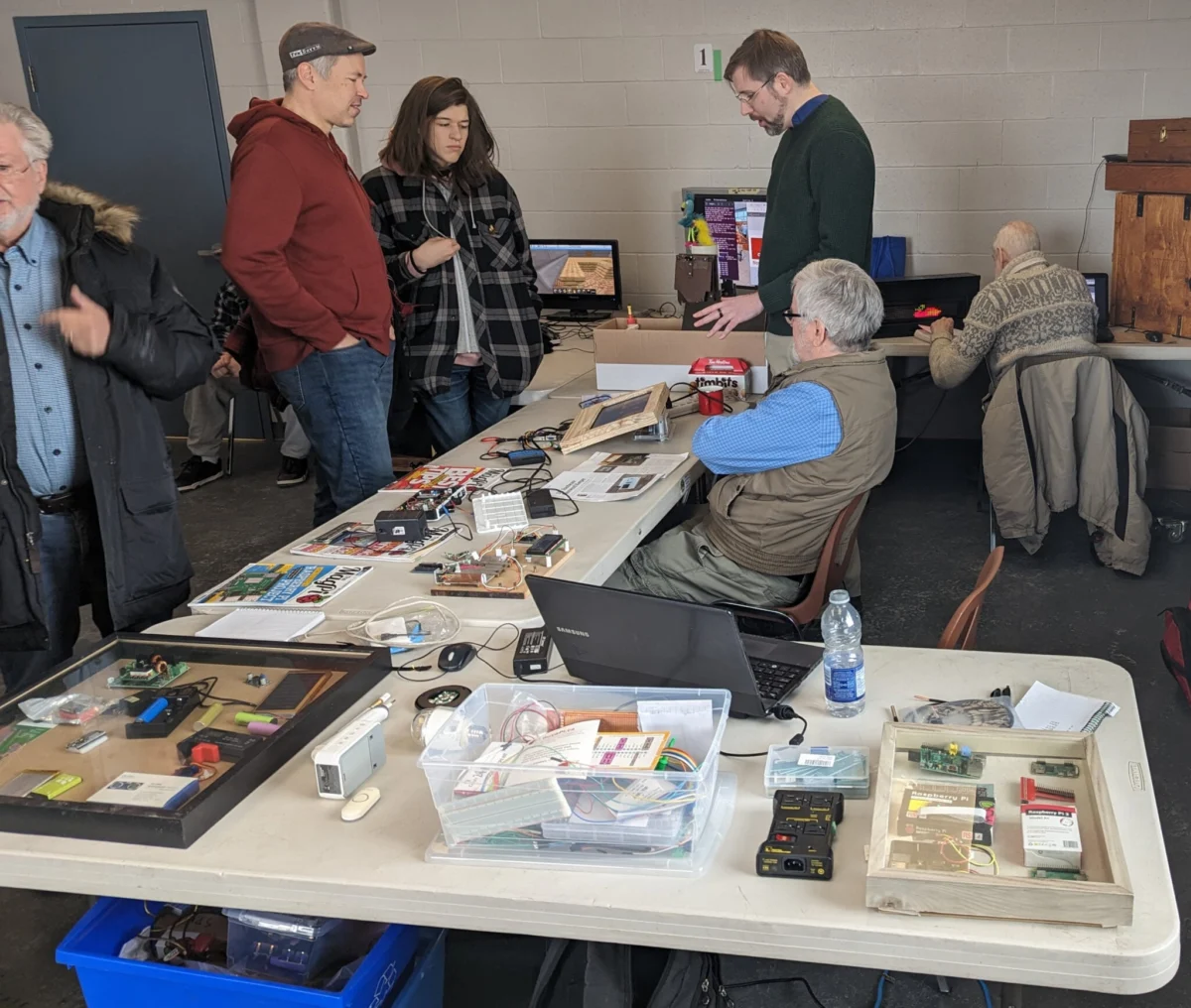
LONDON — The Raspberry Pi Foundation, the UK-based charity and commercial entity that ignited a global revolution in low-cost computing, has unveiled its most ambitious community engagement schedule to date. Spanning four continents and bridging the gap between digital and physical realms, the Summer 2026 "Raspberry Jam" series signals a significant evolution in the maker movement, transitioning from hobbyist gatherings to high-level technological workshops focusing on Artificial Intelligence (AI), industrial automation, and decentralized education.
What began as an informal gathering of four enthusiasts in a British pub has transformed into a geopolitical phenomenon. This summer, the Foundation’s community calendar features a diverse array of events—ranging from "Buildathons" in the silicon hubs of India to automation studios in Nigeria—highlighting the democratization of high-end engineering.
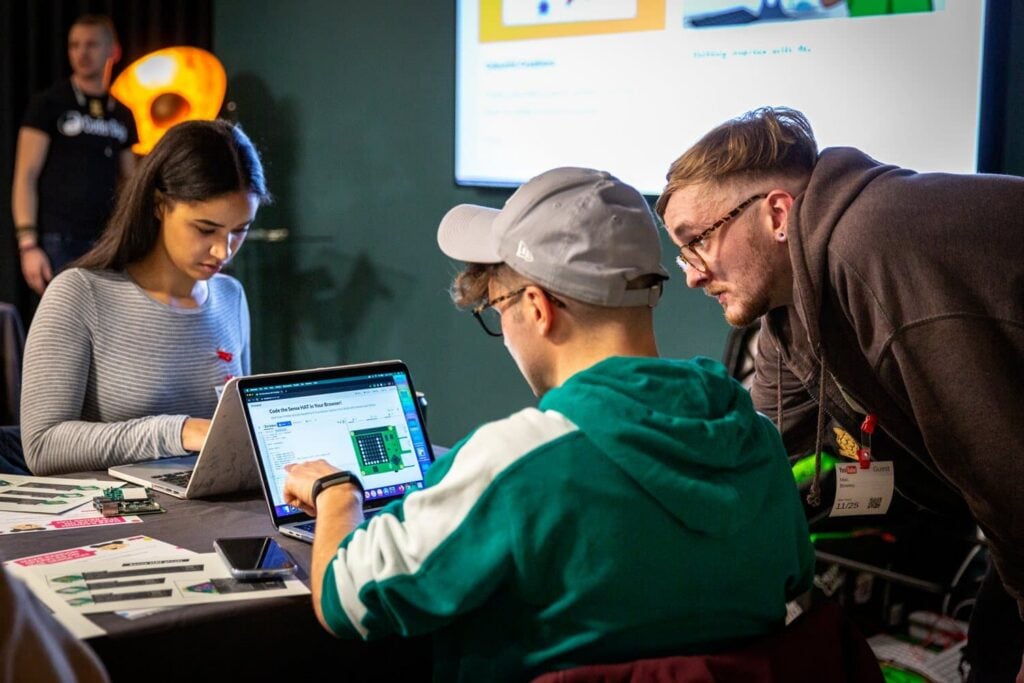
Main Facts: A Decentralized Tech Revolution
The core of the announcement centers on the "Raspberry Jam" concept—community-led events where makers, educators, and engineers share knowledge. The Summer 2026 season is characterized by three distinct trends:
- The Integration of Edge AI: A shift in focus from basic coding to "Local AI," where participants utilize the latest Raspberry Pi hardware to run neural networks without reliance on cloud infrastructure.
- Global Geographic Reach: Events are no longer concentrated in Western hubs; major activations are scheduled for Karachi, Pakistan; Abuja, Nigeria; and Santiago del Estero, Argentina.
- Physical Retail Expansion: For the first time, the official Raspberry Pi Store is "going on tour," establishing high-profile pop-up locations in major UK shopping centers to bring hardware directly to the public.
By providing a platform for these events, the Raspberry Pi Foundation is reinforcing its mission to put the power of computing and digital making into the hands of people all over the world.
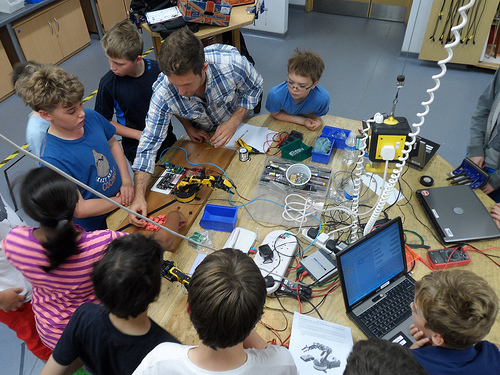
Chronology: The Summer of Making (June – August 2026)
The upcoming season follows a rigorous schedule, starting with hybrid models and culminating in large-scale physical exhibitions.
June: The Hybrid Kickoff and Global AI Focus
The season commences on June 23, 2026, with the June Hybrid Raspberry Pint. Held both online and in-person in London, this event serves as the spiritual successor to the original pub meetings, blending social networking with technical lightning talks.
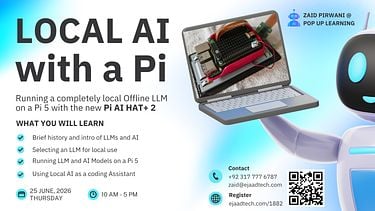
On June 25, the focus shifts to South Asia with Local AI with a Pi in Karachi, Pakistan. This event is particularly significant as it addresses the growing demand for localized, low-power AI solutions in developing economies. Two days later, on June 27, the movement sees simultaneous activations in Africa and South America. In Abuja, Nigeria, the Pi Automation Studio will explore industrial applications of the single-board computer, while in Fernandez, Argentina, the Raspberry JAM Junio 2026 will focus on community-based education and open-source hardware.
July: Buildathons and Institutional Partnerships
July marks the peak of the community calendar. On July 4, the Raspberry Pi Jamwich offers a fully digital experience, allowing global participants to collaborate on software projects from their homes.
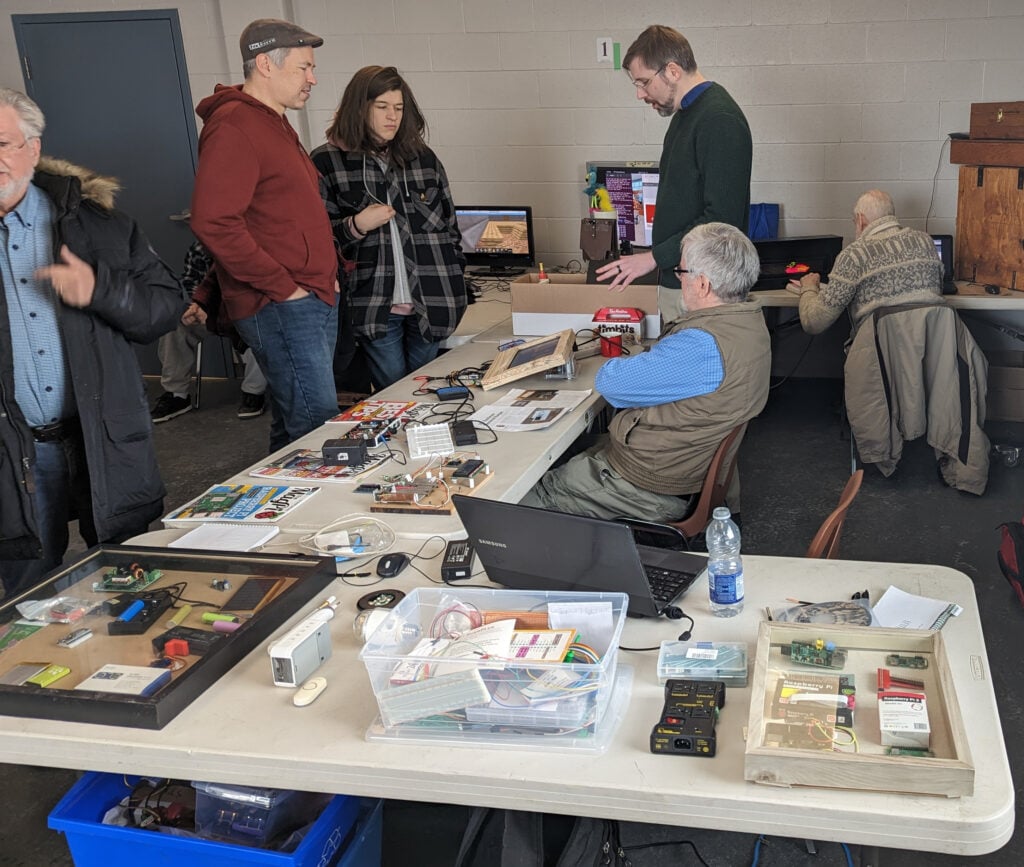
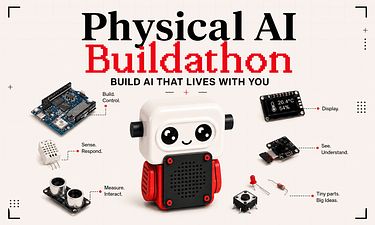
The momentum continues in Bangalore, India, on July 5 with the Physical AI Buildathon. As India’s tech capital, Bangalore represents a critical demographic for Raspberry Pi, where the hardware is used both for educational purposes and professional prototyping. Simultaneously, the NextGen Raspberry Pi Workshop (July 5–7) will run as a three-day intensive online seminar aimed at the next generation of computer scientists.
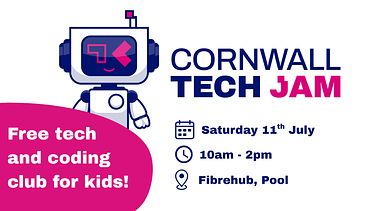
Regional UK events also thrive in July, with the Cornwall Tech Jam on July 11 and the Southend Raspberry Jam Maker Meetup on July 16. Across the Atlantic, the Riverside Raspberry Pi Meetup in California begins a series of monthly sessions (July 13, August 10, and September 14), showcasing the sustained interest in the American maker scene.
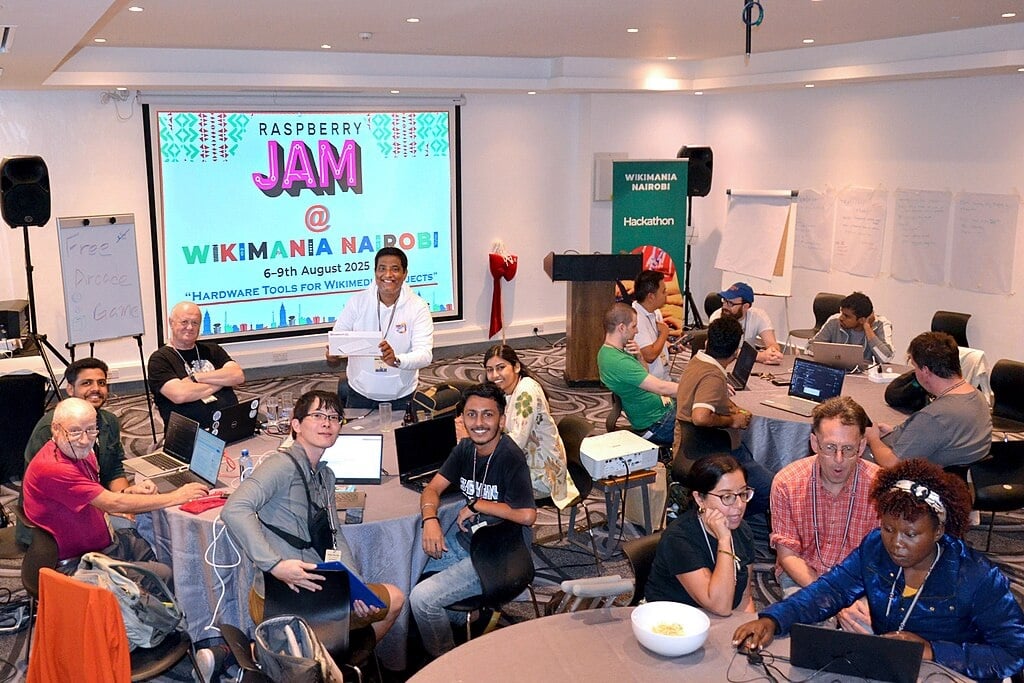
The month concludes with a high-profile intersection of open-source movements: Raspberry Jam at Wikimania Paris 2026 on July 22. By aligning with the Wikimedia Foundation’s annual conference, Raspberry Pi highlights the synergy between open-source hardware and open-access knowledge.
August: The Retail Tour
As the traditional "Jam" events continue, the Foundation will pivot toward a retail-focused strategy. The Raspberry Pi Store will move beyond its flagship Cambridge location to host two major pop-up events:
- Manchester Arndale: Friday 24 to Sunday 26 July (bridging the July-August transition).
- Bristol Cribbs Causeway: Friday 28 to Sunday 30 August.
Supporting Data: The Impact of the Maker Economy
The scale of these events is supported by the massive growth of the Raspberry Pi ecosystem. Since its inception in 2012, Raspberry Pi has sold over 60 million units, becoming the third best-selling general-purpose computer brand in the world, trailing only behind Mac and PC.
Data from the Foundation suggests that community events are a primary driver for hardware adoption in non-traditional markets. In regions like West Africa and Southeast Asia, Raspberry Pi units are frequently used as affordable alternatives to desktop PCs in schools and as controllers in local manufacturing. The "Automation Studio" in Nigeria, for example, reflects a 15% year-over-year increase in the use of Pi-based PLC (Programmable Logic Controller) alternatives in the region’s emerging industrial sector.

Furthermore, the shift toward AI-centric events is backed by the recent release of specialized hardware, such as the Raspberry Pi AI Kit. Community organizers report that interest in machine learning projects has surpassed traditional robotics projects by a margin of 2-to-1 in the 2025-2026 period.
Official Responses: A Mission of Empowerment
While the events are community-organized, the Raspberry Pi Foundation provides the infrastructure for discovery and promotion. In a statement reflecting on the community’s growth, a Foundation spokesperson noted the importance of the "low-barrier" entry point for these events.

"The Raspberry Pi community has been starting maker groups and hosting their own events for years," the Foundation stated. "These events are designed to bring together makers, tinkerers, and the ‘Raspberry Pi-curious.’ Some are for complete beginners just dipping their toes in, while others have full-blown computer engineers in their ranks."
The Foundation emphasizes that the "Jam" model is intentionally flexible. By allowing events to take place in maker spaces, libraries, or even pubs, the organization ensures that the technology remains accessible. The official response to the 2026 calendar also includes a call to action for new organizers, offering a streamlined registration process to add new events to the global map, regardless of whether the expected attendance is "five people or five hundred."

Regarding the UK retail tour, the Foundation views the Manchester and Bristol pop-ups as a way to provide "hands-on" experience. "This is your chance to shop a selection of our hardware, accessories, books, and magazines," the organization noted, highlighting the value of physical interaction in an increasingly digital marketplace.
Implications: STEM Education and Localized Innovation
The Summer 2026 schedule carries profound implications for the future of global STEM (Science, Technology, Engineering, and Mathematics) education and the decentralized tech economy.
.png)
1. Democratization of Artificial Intelligence
By hosting AI Buildathons in Bangalore and Karachi, the Raspberry Pi movement is effectively "de-clouding" AI. Traditionally, AI development required expensive server time and high-bandwidth internet. By teaching communities how to run "Local AI" on a $35–$80 computer, the movement is empowering developers in regions with unstable internet infrastructure to build sophisticated tools for agriculture, healthcare, and logistics.
2. The Professionalization of the Hobbyist
The transition from "tinkering" to "automation studios" suggests that the Raspberry Pi is increasingly viewed as a professional tool rather than a toy. As participants in Nigeria and Argentina share projects involving industrial sensors and automated systems, they are building a workforce capable of maintaining and innovating local infrastructure without relying on expensive, proprietary foreign technology.

3. Retail as an Educational Touchpoint
The decision to place Raspberry Pi stores opposite mainstream retailers like LEGO and JD Sports in Manchester and Bristol is a strategic move. It positions computer engineering as a mainstream hobby, on par with building blocks or fashion. This "normalization" of hardware hacking is essential for encouraging young people to pursue careers in engineering.
4. Strengthening the Open-Source Social Fabric
In an era of proprietary "walled gardens" in tech, the continued success of Raspberry Jams represents a counter-culture of radical transparency and collaboration. The event at Wikimania Paris 2026 is a testament to this, suggesting that the future of the internet and hardware may depend on these decentralized, community-driven networks.
As the first "Raspberry Pint" of the summer approaches this June, the global community stands ready to prove that the spirit of the "four guys in a pub" has evolved into a sophisticated, worldwide engine for innovation. Whether in a village in Cornwall or a skyscraper in Bangalore, the message of the Summer 2026 calendar is clear: the future of technology is being built by everyone, everywhere.