Global Tech Landscape: Triumphs in Space, Turbulence on Earth


The past week has delivered a diverse spectrum of news across the global technology and innovation sectors, painting a picture of both groundbreaking achievements and significant market challenges. From India’s burgeoning private space industry achieving a historic orbital launch to the formidable Starship facing a dramatic last-second abort, the aerospace domain continues its relentless push forward. Concurrently, the consumer electronics and automotive markets are grappling with substantial headwinds, as evidenced by a shrinking electric vehicle (EV) market in the U.S., financial instability for action camera giant GoPro, and a strategic retreat from key Western markets by smartphone manufacturer OnePlus. This dynamic environment underscores the rapid pace of technological evolution alongside the harsh realities of market competition and shifting consumer preferences.
India’s Skyroot Aerospace Achieves Historic Orbital Launch
Main Facts:
On July 17, 2026, Skyroot Aerospace, an Indian private space company, successfully launched its Vikram-1 booster, marking India’s first privately developed orbital rocket mission. This landmark achievement positions India as only the third nation globally to host a private entity capable of delivering payloads into Earth’s orbit, a testament to its rapidly advancing private space sector. The 24-meter (79 ft) tall Vikram-1 rocket utilized an innovative four-stage configuration, predominantly relying on solid propellant for its initial thrust phases, with a liquid-fueled fourth stage tasked with the precise insertion of its payload into orbit.
Chronology:
Skyroot Aerospace was founded in 2018 by Pawan Kumar Chandana and Naga Bharath Daka, both former scientists from the Indian Space Research Organisation (ISRO). Their vision was to democratize access to space by developing affordable and reliable launch vehicles. The company garnered significant attention and investment, culminating in its first major milestone, the suborbital launch of the Vikram-S demonstrator rocket in November 2022, dubbed ‘Prarambh’ (The Beginning). This test flight validated key technologies and propulsion systems. Following years of meticulous development, rigorous testing, and securing necessary regulatory approvals from the Indian National Space Promotion and Authorization Centre (IN-SPACe), the Vikram-1 orbital rocket was finally prepared for its maiden flight. The successful launch on Friday, July 17, 2026, from the Satish Dhawan Space Centre on India’s southeastern coast, followed a smooth countdown and flawless ascent, culminating in the precise deployment of its undisclosed payload.
Supporting Data:
The Vikram-1 rocket, named after Dr. Vikram Sarabhai, the father of the Indian space program, showcases a hybrid propulsion strategy. Its first three stages employ solid propellants, known for their simplicity and high thrust-to-weight ratio, which are ideal for initial ascent. The fourth stage, however, utilizes liquid propulsion, offering the precise thrust control required for orbital insertion and fine-tuning the payload’s trajectory. This design optimizes for both power and precision, catering to the growing demand for small satellite launches. The global small satellite market is projected to reach tens of billions of dollars by the end of the decade, driven by constellations for broadband internet, Earth observation, and IoT services. Skyroot Aerospace aims to capture a significant share of this market, offering cost-effective and dedicated launch services. The successful mission places India alongside the United States (via SpaceX, Rocket Lab) and China (with numerous private firms) in the exclusive club of nations with private orbital launch capabilities, highlighting a shift towards commercialization in space.
Official Responses:
Pawan Kumar Chandana, CEO of Skyroot Aerospace, expressed immense pride in the achievement, stating, "This is not just a launch for Skyroot, but a giant leap for India’s private space sector. Vikram-1’s success demonstrates our indigenous capabilities and opens new avenues for global customers seeking reliable and economical access to space." Officials from IN-SPACe congratulated Skyroot, emphasizing the government’s commitment to fostering a vibrant private space ecosystem through supportive policies and regulatory frameworks. They reiterated that this success is a significant step towards India becoming a global hub for space technology and services. International space observers also lauded the accomplishment, recognizing India’s growing influence in the global space economy.
Implications:
The successful Vikram-1 launch carries profound implications for India’s space ambitions and the global commercial space industry. It validates India’s strategic decision to open its space sector to private players, fostering innovation, competition, and economic growth. This move is expected to attract further domestic and international investment into Indian space startups, accelerating technological development and job creation. For the global market, Skyroot’s entry means increased competition in the small satellite launch segment, potentially driving down launch costs and increasing accessibility to space for a broader range of governmental, academic, and commercial entities. It also positions India as a key partner in international space collaborations, further solidifying its status as a major spacefaring nation.
SpaceX Starship: A Dramatic Last-Second Abort
Main Facts:
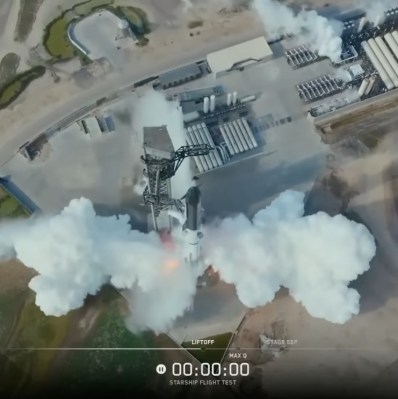
On Thursday, July 16, 2026, SpaceX’s prototype Starship, the world’s largest and most powerful rocket, experienced a dramatic last-second launch termination. The abort occurred after its numerous Raptor engines had already ignited, marking the first instance of the 124.4-meter (408 ft) rocket being called off from launch with engines running. This event, while a setback, underscored the sophistication of its onboard safety systems, which detected an anomaly within the extremely narrow window between engine ignition and liftoff.
Chronology:
The development of Starship has been a saga of ambitious engineering, rapid prototyping, and iterative testing, often publicly broadcast. Since its inception, the program has aimed to create a fully reusable, super heavy-lift launch system capable of transporting humans and cargo to the Moon, Mars, and beyond. Previous test flights, including several successful high-altitude hops and landing attempts, as well as some spectacular rapid unscheduled disassemblies (RUDs), have been critical in refining the design. This latest launch attempt was intended to further test the integrated Starship and Super Heavy booster system in a more complex flight profile, likely involving an orbital trajectory. The countdown proceeded normally until T-0, when the 33 Raptor engines on the Super Heavy booster roared to life. However, before the colossal rocket could clear the launchpad, an automated system detected a critical issue, triggering an immediate and safe abort sequence, shutting down all engines.
Supporting Data:
The Starship-Super Heavy stack is an engineering marvel, designed for unprecedented scale and reusability. Its Super Heavy booster is powered by 33 Raptor engines, each generating immense thrust, requiring an intricate choreography of ignition and monitoring. The abort system’s ability to detect an anomaly and shut down all engines within milliseconds of ignition, before the vehicle gained any significant momentum, highlights the advanced computational and sensor capabilities built into the rocket’s flight control systems. In rocketry, aborts are common, especially for developmental vehicles. Historically, launch scrub rates for new rockets can be high, with issues ranging from weather to ground support equipment. However, an abort post-ignition but pre-liftoff, known as an "engine-running abort," is less frequent and demonstrates a highly responsive safety architecture. SpaceX has been transparent about its "rapid iterative development" philosophy, embracing failures as learning opportunities. The decision to replace two Raptor engines suggests a specific, identified issue rather than a systemic design flaw.
Official Responses:
Following the abort, Elon Musk, CEO of SpaceX, took to his characteristic platform, X (formerly Twitter), to confirm the incident, stating, "Raptor engine auto-abort due to anomalous sensor reading. Safety system performed as designed. Replacing two Raptors, targeting next launch attempt early next week." SpaceX also released a brief statement confirming the nature of the abort and reiterating their commitment to safety and thorough analysis. NASA, which has contracted Starship as the Human Landing System (HLS) for its Artemis lunar missions, closely monitors Starship’s progress. While such delays are factored into their timelines, they underscore the inherent challenges of deep space mission development. Official responses from regulatory bodies like the FAA are typically focused on reviewing the incident and approving subsequent launch attempts, ensuring public safety and environmental compliance.
Implications:
The Starship abort, while preventing a potentially catastrophic outcome, inevitably introduces further delays into SpaceX’s ambitious development schedule. Each test flight is crucial for gathering data, and a scrubbed launch means a lost opportunity for progress. These delays could impact the timelines for NASA’s Artemis program, which relies on Starship for its human lunar landing capability. However, the successful execution of the abort sequence is a significant validation of Starship’s safety systems, demonstrating its ability to detect and respond to critical anomalies. This enhances confidence in the vehicle’s design and operational protocols, which is paramount for future crewed missions. The incident also serves as a public reminder of the extreme complexity and inherent risks associated with advanced rocket development, tempering expectations while showcasing the continuous innovation required to push the boundaries of space exploration.

The Retreat of Electric Vehicles in the US Market
Main Facts:
The U.S. electric vehicle (EV) market is experiencing significant turbulence, characterized by stagnant sales and a wave of model discontinuations and withdrawals over the past year. This downturn is largely attributed to a confluence of factors, including the cessation of the lucrative $7,500 federal tax credit, evolving consumer preferences, and various import and market-specific challenges. The list of departing EVs includes models from major manufacturers and even a complete market exit for some brands.
Chronology:
The EV market in the U.S. experienced a boom in the early 2020s, fueled by government incentives, rising gasoline prices, and increasing environmental awareness. Automakers, eager to capitalize on this trend, invested heavily in developing and launching numerous EV models. The federal tax credit, offering up to $7,500 for eligible vehicles, played a crucial role in making EVs more accessible and attractive to consumers. However, as the market matured, several factors began to shift. The federal tax credit, designed to stimulate initial adoption, eventually phased out for many popular models and then expired altogether, significantly increasing the effective purchase price for consumers. Concurrently, while gasoline prices remained high, consumer enthusiasm began to wane for certain models due to high sticker prices, concerns about charging infrastructure, and a lack of desired features or styles. Over the past year, this culminated in a noticeable contraction. The Sony-branded Afeela, a highly anticipated tech-forward EV, surprisingly failed to gain traction. Major players like Honda, Volkswagen, Nissan, and Hyundai made strategic decisions not to introduce their 2026 EV models to the U.S. market, opting to focus resources elsewhere. Polestar, a brand with Chinese ties, was forced to withdraw entirely from the U.S. due to new import restrictions, highlighting geopolitical and trade challenges. Even market leader Tesla began paring down its offerings, discontinuing its higher-end Model X and Model S vehicles to streamline production and focus on its mass-market models.
Supporting Data:
Recent sales data from the U.S. indicates a significant slowdown in EV adoption rates compared to earlier projections. While overall car sales may remain stable, the growth curve for EVs has flattened. For instance, Q2 2026 saw only a marginal increase in EV sales, a stark contrast to the double-digit percentage growth observed in previous years. Consumer surveys reveal that while interest in EVs remains high, price sensitivity is a major barrier, with many unwilling to pay a premium over comparable internal combustion engine (ICE) vehicles. The end of the $7,500 federal tax credit effectively raised prices for consumers by that amount overnight, impacting purchasing decisions. Furthermore, the lack of robust charging infrastructure outside major metropolitan areas continues to be a concern for potential buyers, contributing to "range anxiety." Import restrictions, such as those that affected Polestar, often stem from broader trade disputes or national security concerns related to technology, making it challenging for foreign manufacturers to compete. Tesla’s decision to discontinue the Model X and S, while potentially a strategic move to optimize production for higher-volume models like the Model 3 and Y, also reflects a challenging market for premium, higher-priced EVs.
Official Responses:
Automakers have provided various explanations for their market adjustments. Honda, Volkswagen, Nissan, and Hyundai cited a need to "re-evaluate market strategy" and "optimize product portfolios" for the U.S. market, hinting at lower-than-expected demand for specific models. Polestar released a statement expressing regret over its forced withdrawal from the U.S., attributing it directly to "unforeseen import restrictions stemming from evolving international trade policies," underscoring the broader geopolitical factors at play. Tesla’s official communication regarding the Model X and S discontinuation emphasized a focus on "efficiency and scaling production of our core vehicles," suggesting a strategic pivot rather than a direct failure of the models themselves. Industry analysts have offered a more unified perspective, pointing to the federal tax credit’s expiration as a primary catalyst for the slowdown, alongside the persistent challenges of charging infrastructure and the need for more diverse and affordable EV options to cater to a broader consumer base. Government officials, while reaffirming long-term commitments to EV adoption, acknowledged the current market complexities and hinted at potential revisions to incentive programs or infrastructure investment strategies to reignite growth.
Implications:
The current slowdown and market retractions in the U.S. EV sector carry significant implications for both consumers and the broader automotive industry. For consumers, it means fewer choices in the EV market, particularly in certain segments or price points, potentially hindering the transition away from fossil fuels. For automakers, it signals a period of consolidation and strategic re-evaluation, where only the most competitive and well-positioned EV offerings will survive. This could lead to a "shakeout" period, benefiting established players with robust supply chains and extensive charging networks. From an environmental perspective, a slower EV adoption rate in the U.S. could impede progress toward climate goals. The situation also highlights the critical role of government incentives and infrastructure development in driving new technology adoption. Future growth will likely depend on manufacturers introducing more compelling, affordable, and practical EV models, coupled with renewed governmental support and a significant expansion of reliable charging infrastructure.
GoPro’s Perilous Decline: A Market Leader Under Siege
Main Facts:
GoPro, once the unchallenged titan of the rugged action camera market, is reportedly in a dire financial predicament, facing potential collapse before the end of the year unless it can significantly bolster its cash reserves. Despite its enduring reputation for reliability, exemplified by its use in critical missions like NASA’s Artemis II, the company is struggling to compete against a surge of cheaper alternatives that have eroded its market dominance.
Chronology:
Founded in 2002 by Nick Woodman, GoPro revolutionized personal videography, creating an entirely new category of action cameras. Its innovative, durable, and compact devices quickly became synonymous with extreme sports, adventure travel, and unique perspectives, leading to explosive growth and a highly successful IPO in 2014. For years, GoPro enjoyed near-monopoly status, with its brand becoming almost generic for action cameras. However, the market dynamics began to shift dramatically in the late 2010s and early 2020s. The proliferation of increasingly capable smartphone cameras reduced the need for a dedicated camera for many casual users. Simultaneously, a wave of cheaper, often Chinese-made, action cameras entered the market, offering comparable basic features at a fraction of GoPro’s price. Despite continuous innovation and the release of new models with advanced features, GoPro found itself caught between the convenience of smartphones and the cost-effectiveness of budget competitors. This sustained pressure has severely impacted its sales and profitability, leading to declining revenues and dwindling cash reserves over the past few fiscal years.
Supporting Data:
GoPro’s financial statements have painted a grim picture. Recent quarterly reports indicate a consistent decline in year-over-year revenue, coupled with persistent net losses. For Q1 2026, for example, the company reported a revenue drop of 15% compared to the previous year and a significant reduction in its cash and cash equivalents. Its stock price has plummeted from its IPO highs, reflecting investor concern over its long-term viability. While GoPro’s market share in the premium action camera segment remains respectable, its overall share in the broader digital camera market has shrunk considerably. Competitors like DJI, with its Osmo Action series, and numerous lesser-known brands have successfully captured segments of the market by offering compelling value propositions. Despite these commercial struggles, GoPro’s technical prowess and reliability remain undisputed. The fact that NASA selected GoPro cameras to capture external views of the Orion capsule during the historic Artemis II Moon mission underscores the trust placed in its engineering for the most extreme and mission-critical applications. This stark contrast between high-tech utility and commercial struggle highlights the challenges of monetizing specialized hardware in a rapidly commoditizing market.
Official Responses:
While GoPro has not officially declared an imminent collapse, reports from financial news outlets and analyses by industry experts like Amateur Photographer suggest a critical juncture. The company’s public statements typically emphasize its ongoing innovation, brand loyalty, and future product roadmap, but they have also acknowledged "challenging market conditions" and the need for "strategic adjustments" to improve profitability. Analysts frequently point to the need for aggressive cost-cutting measures, diversification beyond its core product, or even a potential acquisition by a larger tech firm as possible survival strategies. There has been no official statement from NASA regarding GoPro’s financial status, but their continued use of GoPro products for high-stakes missions implies that the technology itself remains highly valued, irrespective of the company’s commercial woes.
Implications:
The potential demise of GoPro would mark the end of an era for a pioneering brand that defined a product category. For consumers, it would mean the loss of a premium, highly reliable option, potentially leading to a market dominated by either cheaper, less robust alternatives or more general-purpose devices like smartphones. For the industry, it serves as a cautionary tale about the challenges faced by hardware-centric companies in an increasingly competitive and dynamic consumer electronics landscape. It underscores the difficulty of maintaining market leadership when facing both "good enough" cheaper alternatives and feature-rich, multi-purpose devices. Should GoPro fail, its intellectual property and technologies could be acquired by another company, potentially leading to a rebranding or integration into a broader product line. However, the immediate implication is a significant reduction in innovation and choice within the action camera segment, impacting content creators, athletes, and adventurers worldwide.
OnePlus Retreats from European and North American Smartphone Markets
Main Facts:
OnePlus, the Chinese smartphone manufacturer known for its "flagship killer" devices, announced on Thursday, July 16, 2026, that it will cease selling new phones in Europe and North America. While existing customers in these regions will continue to receive software updates and warranty support for their devices until their originally marketed end dates, the decision marks a significant strategic withdrawal from two major global markets.
Chronology:
OnePlus burst onto the global smartphone scene in 2014 with its "Never Settle" mantra, quickly gaining a cult following by offering high-spec Android phones at significantly lower prices than established flagships. Its direct-to-consumer sales model and community engagement fostered strong brand loyalty. Over the years, OnePlus expanded its product portfolio and market presence, venturing aggressively into Europe and North America, regions traditionally dominated by Apple and Samsung. However, as the company matured, it faced increasing competition from other Chinese brands like Xiaomi and its parent company Oppo, while also struggling to maintain its initial price advantage as its devices became more premium. The fierce competition, coupled with high marketing costs, complex regulatory environments, and relatively lower market share compared to giants, made sustained profitability challenging in these saturated markets. The announcement, made on the company’s community forums, cited a need to "streamline global operations" and "focus on core strategic markets," indicating a pivot away from the highly competitive Western landscape.
Supporting Data:
Market analytics firms have consistently shown OnePlus holding a relatively small, albeit dedicated, share of the smartphone market in Europe and North America, typically in the low single digits. This contrasts with its stronger performance in Asian markets, particularly India, where it has cultivated a substantial user base. The costs associated with competing in Western markets—including extensive marketing campaigns, establishing retail partnerships, and navigating complex carrier certifications—are substantial. Despite offering compelling hardware and a clean software experience, OnePlus struggled to significantly dent the market dominance of Apple, Samsung, and increasingly, Google’s Pixel line. The broader trend in the smartphone industry has been one of consolidation, with smaller players finding it difficult to compete against the economies of scale and vast resources of market leaders. This decision aligns with a strategic focus on profitability and sustainable growth in regions where the company already has a stronger foothold and lower operational overhead.
Official Responses:
The official announcement on the OnePlus community forums was succinct, stating, "After careful consideration and evaluation of our global strategy, we have made the difficult decision to discontinue the sale of new smartphones in Europe and North America." The company reassured existing users that "software support and updates will continue through the original promised end date for your device, and hardware warranties will be fully honored." They expressed gratitude to their community for their support in these regions. Industry analysts interpreted the move as a pragmatic business decision by OnePlus’s parent company, BBK Electronics (which also owns Oppo and Vivo), to rationalize its brand portfolio and concentrate resources where returns are highest. There were no direct responses from competing manufacturers, as OnePlus’s market share in these regions was not large enough to cause significant disruption.
Implications:
OnePlus’s withdrawal from Europe and North America signifies a reduction in consumer choice within these markets, particularly for those seeking alternatives to the dominant players. While not a household name on par with Apple or Samsung, OnePlus carved out a niche with its unique value proposition and enthusiast community. Its departure means fewer options for Android users seeking high-performance devices with a distinct software experience. For OnePlus, the implication is a strategic refocus on markets where it can achieve greater scale and profitability, likely in Asia. This move reflects the increasing challenges of global expansion for even well-regarded tech brands in highly saturated and competitive sectors. It also underscores the ongoing consolidation within the smartphone industry, where only a few major players are likely to thrive globally, leading to a potentially less diverse market landscape for consumers in the long run.
A Nostalgic Dive into Jurassic Park’s Retro Tech
Main Facts:
To conclude on a lighter note amidst the week’s intense tech developments, Fabien Sanglard has compiled an exhaustive and fascinating analysis of the computers featured in the iconic 1993 film Jurassic Park. This deep dive explores everything from the background laptops to the visually striking Thinking Machines CM-5 supercomputers, offering insights into both the cinematic portrayal and the real-world technological context of the era.
Chronology:
Released in 1993, Jurassic Park captivated audiences not just with its groundbreaking CGI dinosaurs but also with its depiction of a highly advanced, albeit ultimately flawed, technological infrastructure. The film showcased a blend of cutting-edge (for its time) and more mundane computing equipment, reflecting the early 1990s tech landscape. Fabien Sanglard’s analysis meticulously traces these appearances, starting from the seemingly innocuous laptops used by characters in the field, through to the sophisticated workstations and the central control room’s impressive array of parallel processors. The computers were integral to the plot, controlling everything from the park’s security systems to its genetic sequencing and visitor navigation.
Supporting Data:
Sanglard’s detailed review identifies specific hardware models, such as the Apple PowerBook laptops, various Silicon Graphics workstations, and the visually iconic Thinking Machines CM-5 supercomputer. The CM-5, with its distinctive red LEDs arranged in a grid, became an enduring symbol of advanced computing in popular culture. These machines were genuinely powerful for their time, capable of complex simulations and data processing, although their cinematic portrayal often took artistic liberties with their actual operational capabilities. The analysis also delves into the software interfaces shown in the film, differentiating between realistic Unix-like command lines and more fanciful, graphically intense representations designed for dramatic effect. The enduring appeal of Jurassic Park‘s tech lies in its ability to blend plausible technology with cinematic spectacle, inspiring a generation of budding engineers and computer scientists.
Official Responses:
While not an "official response" in the corporate sense, the article notes the significant influence of Michael Crichton, the author of the original Jurassic Park novel. Crichton, himself an accomplished programmer, imbued his narrative with surprisingly detailed and accurate descriptions of the underlying computer technology, which lent a layer of authenticity to the film’s adaptation. This background helped ground the fantastical premise in a believable technological framework. Filmmakers and production designers collaborated to select and showcase real-world advanced computing hardware, elevating the film’s technological credibility beyond typical science fiction fare.
Implications:
Sanglard’s retrospective highlights the rapid evolution of computing technology and its representation in media. The computers in Jurassic Park, once symbols of the future, now serve as nostalgic reminders of a bygone era in tech. It underscores how quickly hardware and software paradigms can shift, yet also how certain design aesthetics, like the visual appeal of blinking lights on a supercomputer, can leave a lasting cultural impact. The detailed examination fosters an appreciation for the efforts made to integrate technology realistically into storytelling, influencing how future generations of films would portray advanced computing systems. It also reminds us that while technology constantly advances, the core principles of problem-solving and the human element in interacting with complex systems remain constant.
Conclusion
The week’s events vividly illustrate the dynamic and often unpredictable nature of the technology landscape. From the triumphant expansion of private enterprise into orbital space to the challenging market corrections faced by established consumer tech brands, innovation continues to push boundaries while economic realities dictate survival. These developments underscore the importance of adaptability, strategic foresight, and relentless innovation for companies aiming to thrive in an ever-evolving global market.