Itch.io Elevates Desktop Experience: App Update v26.22.0 Brings Enhanced Collection Management and Steam Deck Integration
The itch.io platform, a cornerstone of the independent game development ecosystem, has officially rolled out its latest update for the itch desktop application. Version 26.22.0 marks a significant shift in how users organize their libraries and interact with third-party storefronts like Steam. By prioritizing native functionality over browser-based workarounds, the itch team continues to refine the user experience for gamers who favor a centralized, efficient, and highly customizable library management system.
Main Facts: What’s New in Version 26.22.0
The latest update focuses on three primary pillars: streamlined library organization, advanced cross-platform interoperability, and future-proofing for mobile hardware.
Key highlights include:
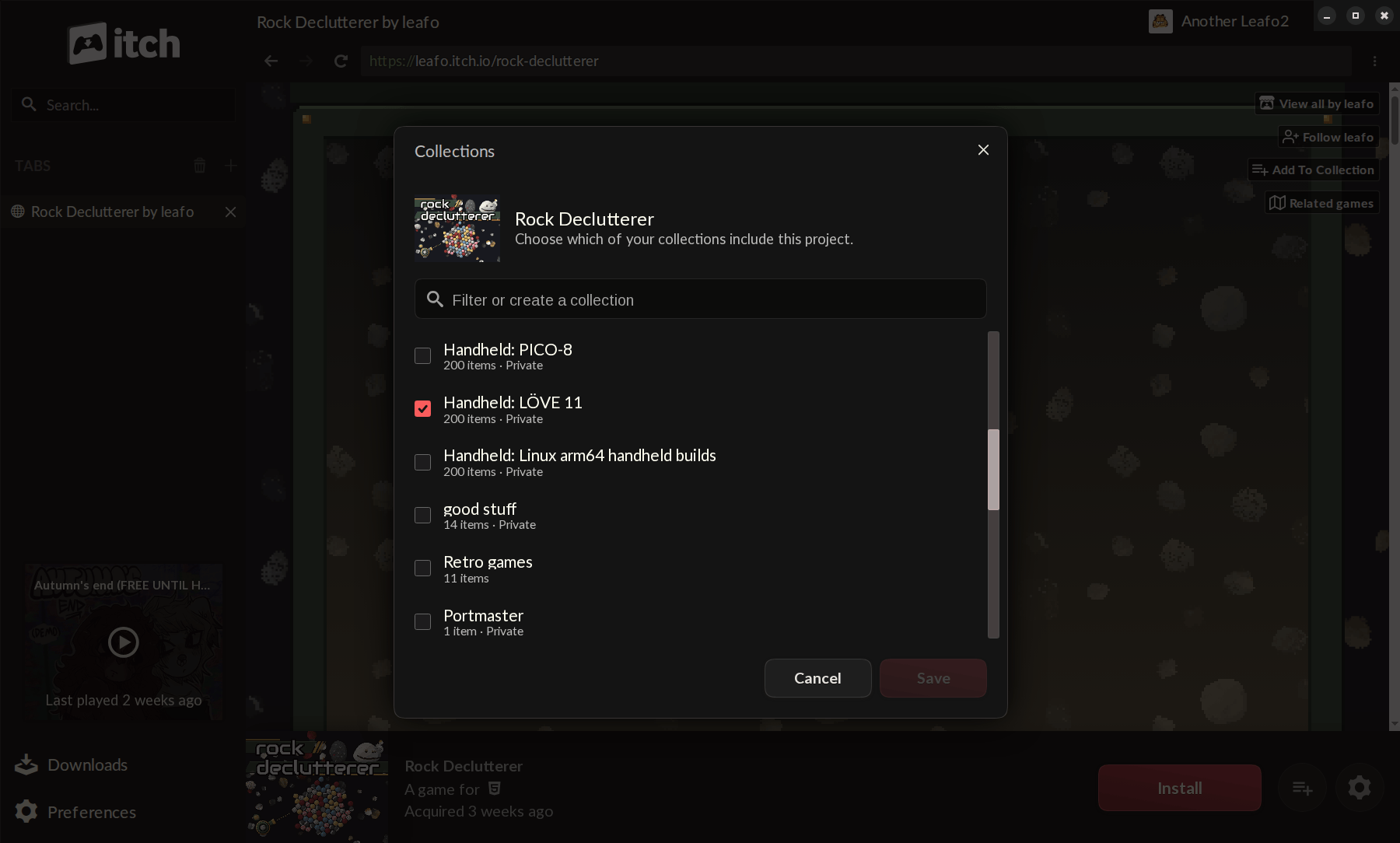
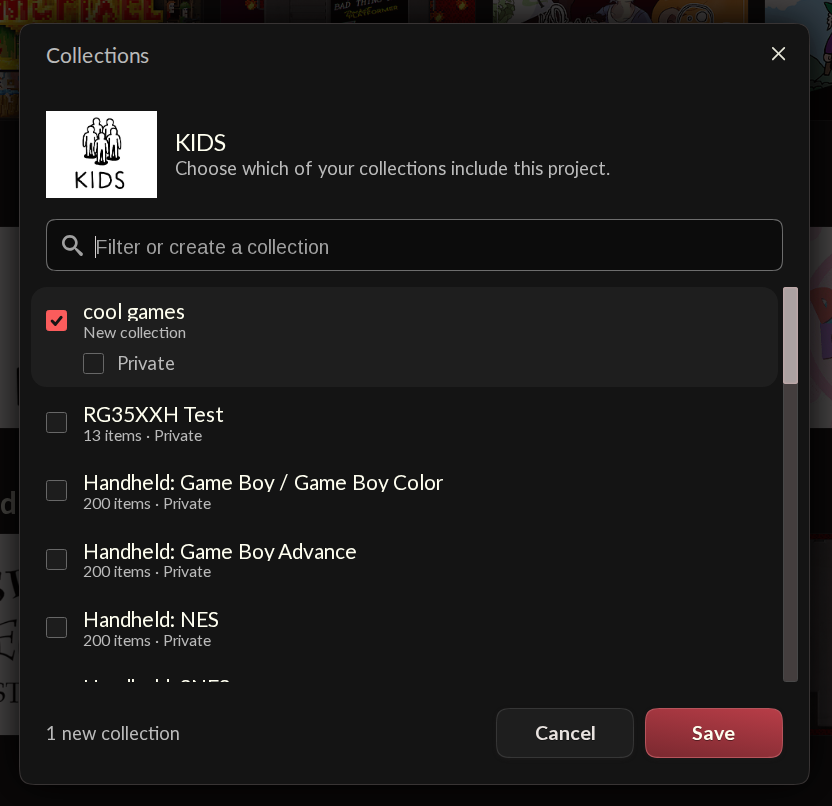
- Native Collection Management: Users can now manage, create, and edit game collections directly within the application interface, eliminating the need to toggle to an in-app browser.
- Refined Steam Shortcut Integration: Building on the success of the initial rollout, the Steam shortcut feature now offers enhanced stability and, crucially, full support for Proton, Valve’s compatibility layer.
- Butler Optimization: The underlying file management and synchronization engine, Butler, has been updated to version 15.32.0, providing improved reliability for game installations and updates.
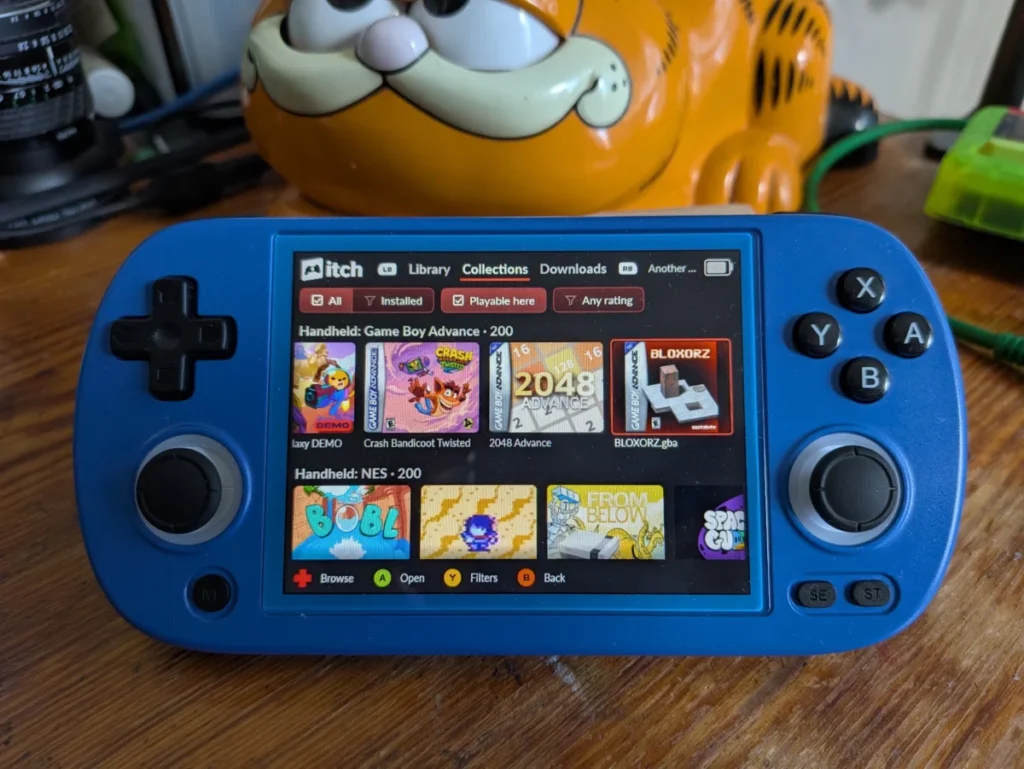
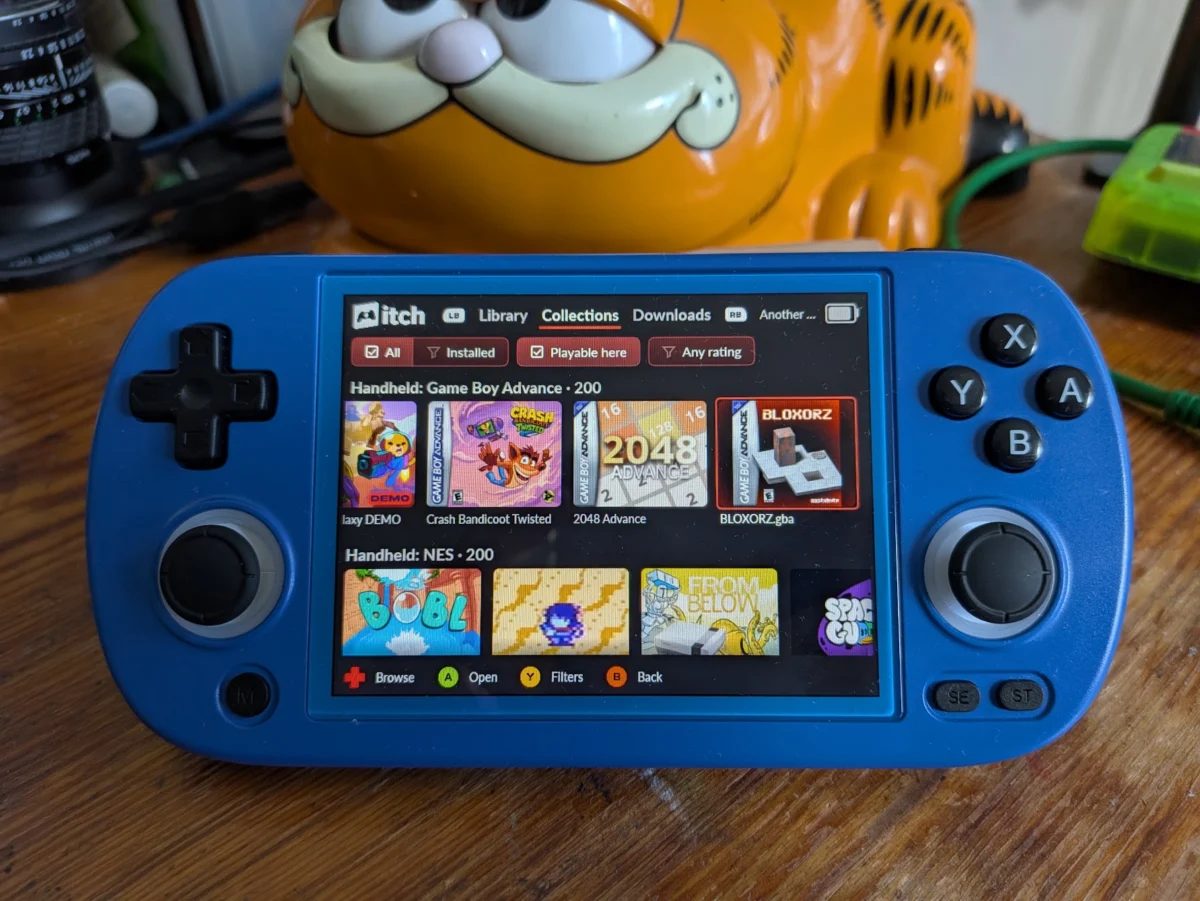
- The "itch donk" Initiative: A forward-looking project aimed at bringing the itch experience to low-powered, retro-focused Linux handheld devices.
Chronology: A History of Iterative Development
To understand the weight of this update, one must look at the trajectory of the itch app over the last year. Historically, the itch app functioned primarily as a launcher and downloader. However, in recent months, the development team has pivoted toward becoming a "library hub."
Earlier this year, the introduction of the Steam Shortcut tool was met with widespread enthusiasm, specifically from the Steam Deck community. That initial release provided the foundation for adding itch-installed games to the Steam library, but it suffered from early-stage limitations—specifically, inconsistencies with various Steam profile configurations and installation paths. Version 26.22.0 represents the maturation of that project, moving from a "proof of concept" to a robust, user-friendly tool.
Similarly, the transition to native collection editing was a logical evolution. Previously, users were forced to manage their libraries through a web-based portal embedded in the app. This disjointed experience often led to sync delays and interface friction. By bringing these controls into the native app environment, itch.io is effectively reducing the "click-cost" of organizing massive libraries of indie titles.
Supporting Data and Technical Implications
The technical architecture behind this update is designed to favor portability and performance. The inclusion of Proton support for Steam shortcuts is a major win for the Linux gaming community. When a user installs a Windows-based game through the itch app on a Linux machine, the Steam shortcut now correctly configures the launch parameters to utilize Proton. This effectively bridges the gap between the vast itch.io Windows-only catalog and the hardware capabilities of devices like the Steam Deck.
Furthermore, the Butler update (v15.32.0) is not merely a bug-fix patch. Butler is the proprietary technology that makes itch.io’s rapid, delta-patching updates possible. By optimizing this engine, the developers ensure that as game files grow in size and complexity, the overhead of updating them remains minimal.
The most intriguing data point, however, is the ongoing development of the "itch donk" project. By targeting Linux-based ARM handhelds, itch.io is acknowledging a massive shift in the hardware market. With devices like the RG40XXH and various Anbernic/Powkiddy consoles flooding the market, the demand for a lightweight launcher that can handle ROMs and native ARM game binaries is at an all-time high. The team is currently engaged in a massive data-tagging operation, scanning the platform’s library to categorize games by platform and runtime compatibility, a prerequisite for a smooth "Donk" experience.
Official Responses and Developer Insight
While the itch.io team maintains a lean communication style, their recent blog posts regarding these updates emphasize a "user-first" philosophy. Regarding the Steam integration, the developers noted: "We got a lot of great feedback from people who tested this feature and we have pushed out a bunch of fixes to make it work smoothly across more Steam installation and profile scenarios."
This emphasis on feedback-driven development is a hallmark of the platform. By allowing the community to stress-test the Steam shortcut tool, the developers were able to identify edge cases in Linux file systems that would have been invisible in a controlled, internal testing environment.
Regarding the "itch donk," the team remains cautiously optimistic. They acknowledged that while native Linux ARM builds and game engines like Love2D are already performing well, the project is still in the "sneak peek" phase. The sheer scale of the itch.io library presents a logistical challenge: accurately tagging thousands of games to ensure they run correctly on limited, low-power handhelds.
Implications for the Gaming Ecosystem
The implications of this update are three-fold:
1. Strengthening the Independent Ecosystem
By allowing users to organize their games into collections natively, itch.io is encouraging the "curation" of indie games. In an era where discovery is the greatest challenge for independent developers, tools that make it easier for players to categorize, group, and showcase the games they own help foster community-led curation. When a player organizes their "Favorite Platformers" or "Hidden Gems" collection, they are creating a signal for other users to discover those titles.
2. The Normalization of Steam Deck Interoperability
With the inclusion of Proton support, itch.io has effectively made the Steam Deck a dual-storefront device. For many users, the primary barrier to using itch.io on a handheld was the friction of launching non-Steam games. By automating the creation of shortcuts that include Proton arguments, the itch app removes the technical barrier to entry. This makes the itch.io library a viable alternative to the Steam store for handheld users, particularly for those who have acquired games through itch.io’s prolific game bundles.
3. The Future of Retro-Hardware Integration
The "itch donk" project signals a potential expansion into a new form factor. If the itch app can successfully provide a curated, functional interface for retro-handhelds, it could capture a market segment currently dominated by manual ROM management. The project’s commitment to scanning and tagging files based on compatibility is a massive undertaking that could eventually serve as a gold standard for platform-agnostic gaming. If successful, this could turn the itch.io app into the universal launcher for indie, retro, and enthusiast gaming.
Conclusion
The release of version 26.22.0 is a testament to the itch.io team’s dedication to improving the fundamental utility of their software. By focusing on the "boring" but vital tasks—such as collection management, file synchronization, and compatibility layers—they are creating a more resilient ecosystem for independent games.
As we look toward future updates, the "itch donk" project serves as a compelling reminder that the team is not just looking at the desktop PC market, but is actively investigating the future of portable, Linux-based gaming. For the average user, this means a faster, more organized, and more versatile experience. For the independent developer, it means their games are more likely to find a home on the user’s device of choice, whether that be a high-end gaming PC or a pocket-sized retro handheld.
As always, users are encouraged to update their application to the latest version to take advantage of these improvements. Full release notes, including specific technical fixes for Butler and the Steam shortcut tool, can be found on the project’s GitHub repository. With the platform continuing to innovate at this pace, the itch app is quickly transitioning from a simple utility to an essential piece of software for any serious gamer.