Nostalgia in Four Shades: Reflections on the GB Pixel Art Jam 2024
The landscape of modern game development is often defined by an endless pursuit of fidelity—higher resolutions, real-time ray tracing, and sprawling, photorealistic environments. Yet, beneath this veneer of high-tech advancement lies a persistent, thriving counter-culture that finds beauty in limitation. Nowhere is this more apparent than in the recently concluded GB Pixel Art Jam 2024, an event hosted on itch.io that challenged digital artists to return to the foundational constraints of the Nintendo Game Boy.
By mandating strict adherence to the 160×144 resolution, limited color palettes, and the specific hardware quirks of the 1989 handheld, the jam served as both a technical exercise and a celebration of aesthetic minimalism. As the event concludes, the itch.io community is preparing to preserve these submissions in a permanent, playable format, underscoring the enduring legacy of 8-bit design.
Main Facts: Defining the Constraints of the 8-Bit Era
The GB Pixel Art Jam 2024 was designed not merely as a creative showcase, but as a discipline-focused challenge. Participants were tasked with channeling the "Game Boy aesthetic," a visual style defined by four distinct shades of olive-green, grey, or monochromatic tones.
The core requirements were rigorous:
- Resolution: Strict adherence to the original Game Boy’s 160×144 pixel display.
- Palette: Utilization of the classic 4-shade limited color palette.
- Technical Integrity: Artists were encouraged to consider the hardware’s limitations, such as sprite flickering or tile-based memory constraints, even if they were working primarily in a static visual medium.
With 378 unique submissions, the jam proved that constraint is not the enemy of creativity, but rather its catalyst. The submissions ranged from evocative character portraits and sprawling, moody landscapes to intricate still-life compositions, all proving that even within a narrow technical box, the human imagination can flourish.
Chronology: A Snapshot of the Event
The GB Pixel Art Jam 2024 followed a structured timeline that allowed participants to iterate on their designs.
1. The Commencement: The jam opened with a call to action for pixel artists, enthusiasts, and retro-tech hobbyists. The prompt was clear: "Create Game Boy-inspired pixel art creations."
2. The Creative Phase: Over the course of the event, the itch.io jam board became a flurry of activity. Developers and artists swapped tips on how to best utilize "dithering"—a technique used to create the illusion of depth and shading in an environment where only four colors exist.
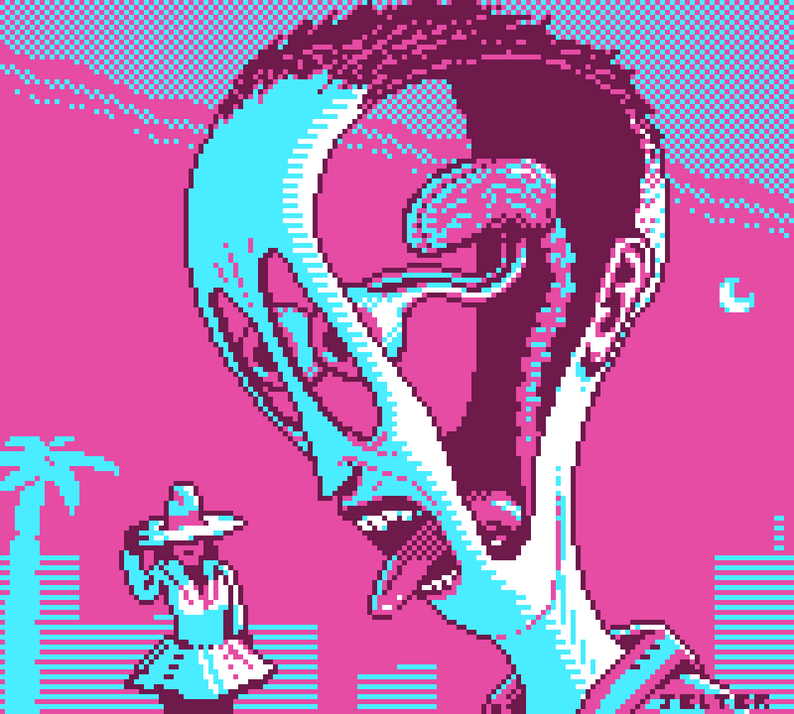
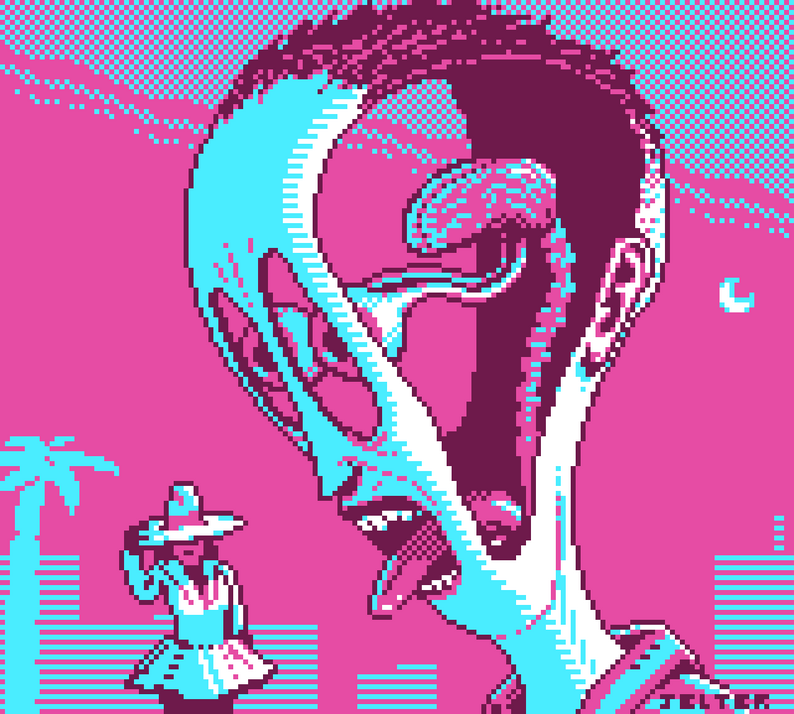
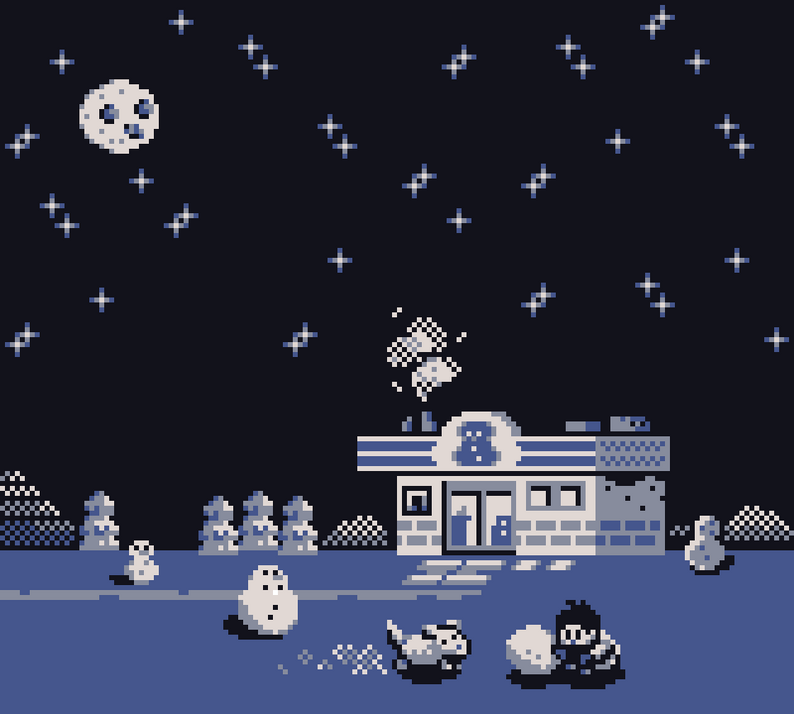
3. The Submission Window: As the deadline approached, the gallery swelled. Submissions like Malibu Dream by BenJelter and Night time at Snowball Conbini by howdy riceball highlighted the versatility of the format, proving it could handle both dreamy, sunset-drenched vistas and cozy, urban night scenes.
4. The Conclusion and Archiving: With the jam now officially closed, the organizers have transitioned into the archival phase. A compiled ROM containing the collective artwork is currently in production. This is a significant move; by bundling the art into a functional ROM, the event organizers are ensuring that these pieces can be experienced on original hardware or modern emulators, bridging the gap between digital art and software preservation.
Supporting Data: An Analysis of the Submissions
The breadth of the 378 submissions suggests that the "Game Boy style" is not a monolith. The entries can be categorized into several distinct artistic trends:
The Atmospheric Narrative
Pieces like A Lament for Forgotten Souls by Annagmo demonstrated that the Game Boy’s low-fidelity display is perfectly suited for horror and melancholic storytelling. The limited palette forces the artist to rely on high-contrast silhouettes and negative space, which creates a uniquely eerie atmosphere that high-definition graphics often struggle to replicate.
The Environmental Study
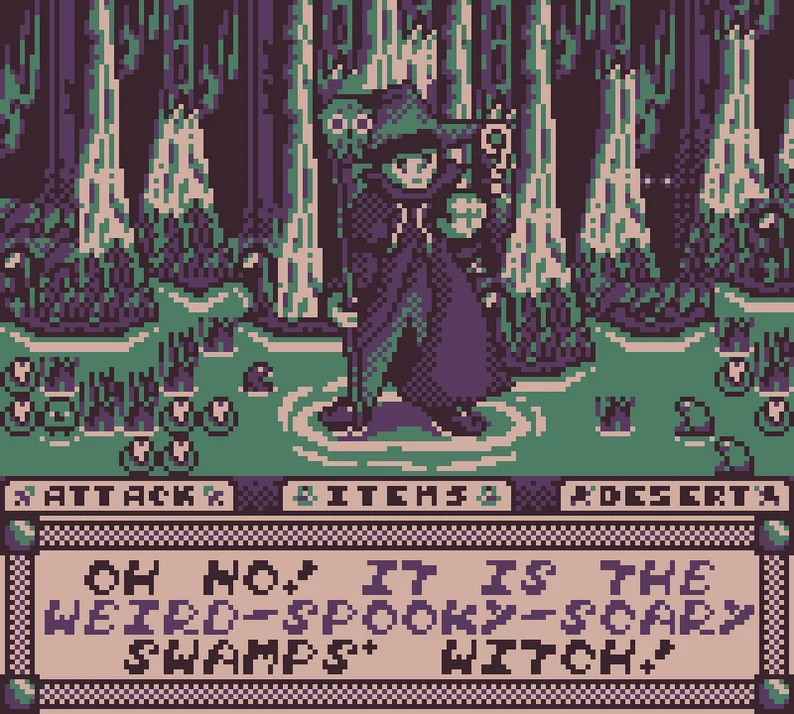
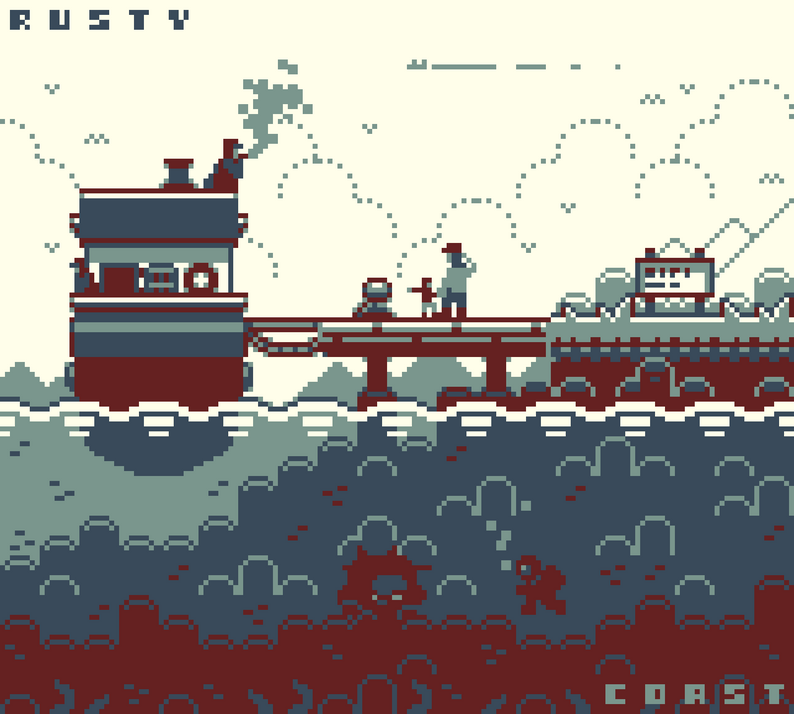
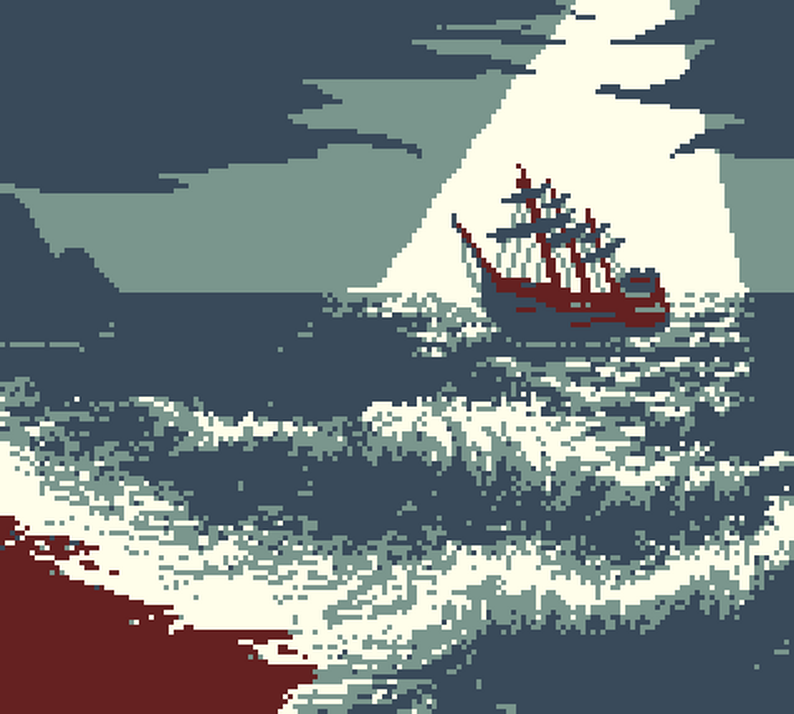
Rusty Coast by Birds Probably and Swamps’ witch by BifStek serve as masterclasses in texture. Within the constraints of a four-color palette, these artists used varying densities of pixel patterns to imply the difference between rusted metal, organic moss, and stagnant water.
Character Design and Persona
Aren, Orc Warrioress by Rohezk showcased the ability to translate complex character designs into readable, iconic sprites. Even at a minuscule scale, the personality and gear of the subject remained instantly recognizable, proving that clear silhouette design is the most important factor in 8-bit art.
The "Offline" Aesthetic
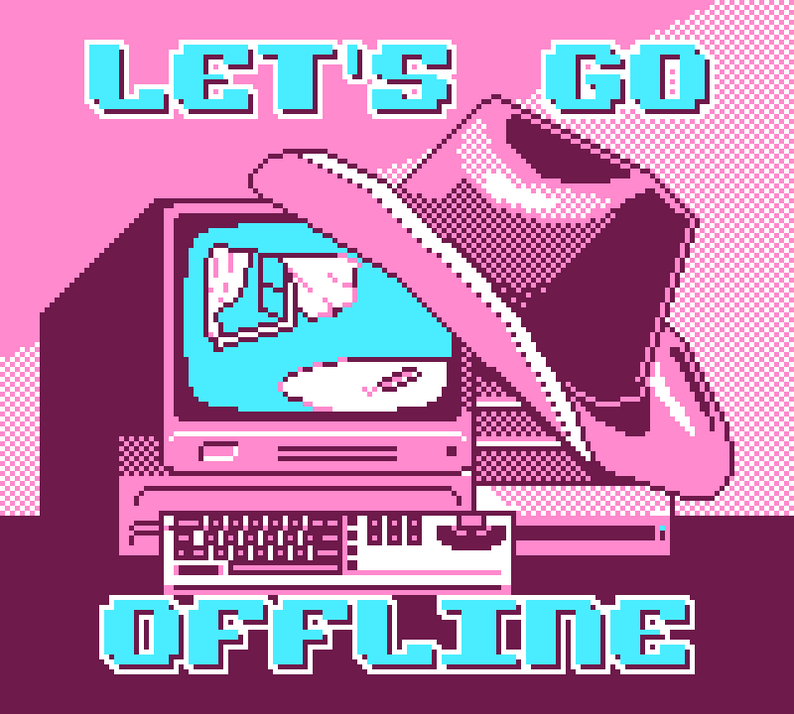
Let’s Go Offline by Robert Doman captured a contemporary, almost meta-commentary on our relationship with technology. By using a 1989 medium to comment on the modern desire to disconnect, the piece serves as a poignant reminder of why we continue to look back at retro hardware: it reminds us of a simpler, more tactile way of engaging with digital media.
Official Responses and Community Impact
The organizers of the GB Pixel Art Jam have expressed immense satisfaction with the volume and quality of the entries. In their official communication, they noted: "We’re always impressed with the wide range of events people have used our Jams feature for. This annual event challenges artists to craft visuals within the constraints of the classic handheld, using a limited color palette and adhering to specific technical requirements."
The community response has been equally enthusiastic. The discussion forums on itch.io are filled with constructive feedback, with veterans of pixel art offering tutorials on how to optimize images for the Game Boy’s specific screen frequency and color depth.
One participant noted in a thread: "Working within these constraints makes you a better artist. You stop worrying about gradients and lighting effects and start focusing on what truly matters: form, shape, and clarity."
Implications: Why Retro Tech Still Matters
The success of the GB Pixel Art Jam 2024 carries several implications for the future of digital art and game design.
1. The Preservation of Technical History
By compiling these entries into a ROM, the community is not just creating a gallery; they are creating a digital museum. This preserves the "logic" of the Game Boy era for future generations, showing that technical limitations were once a cornerstone of game design, rather than an afterthought.
2. Democratization of Design
Because the requirements were so specific and the canvas so small, the barrier to entry was low. Anyone with a pixel art program—or even a basic paint tool—could participate. This has fostered an inclusive environment where professional artists and complete beginners shared the same digital space.
3. The Counter-Trend to "Bloatware"
In an era where video games can exceed 100 gigabytes in size and require top-tier hardware to run, the GB Pixel Art Jam acts as a necessary "reset." It reminds developers that the core of gaming is not the engine, but the aesthetic experience. The 160×144 resolution forces a focus on composition that is often lost in modern, sprawling game worlds.
4. Future Potential for Jams
The itch.io Jam system has proven to be a vital tool for community building. As this event concludes, there is already talk of future iterations focusing on other legacy consoles, such as the Sega Game Gear or the Nintendo Entertainment System (NES). The success of this specific jam suggests that the market for "retro-focused" creative challenges is growing, not shrinking.
Conclusion
The GB Pixel Art Jam 2024 was more than just an art contest; it was a testament to the fact that the Game Boy’s legacy is far from static. Through the dedication of 378 artists, we have seen that the olive-green hues of the 1980s still hold a vibrant, living energy.
As we await the release of the final ROM compilation, we are reminded that technology may move forward at breakneck speeds, but art—true, disciplined, and imaginative art—is timeless. Whether you are a fan of pixel art, a student of game history, or simply a fan of the Game Boy, the entries from this jam offer a window into a world that, despite its tiny resolution, is vast in its creativity.
If you haven’t yet perused the full list of entries, it is highly recommended to explore the archives. You might just find the inspiration needed to create your own masterpiece within the four-shade limit. After all, the best art is often found where the constraints are the tightest.