Breakthrough in Neuro-Therapeutics: Harnessing the Brain’s Glymphatic System to Deliver Precision Gene Therapy
For decades, the blood-brain barrier (BBB) has served as the ultimate fortress of the human body. Designed by evolution to protect the brain from pathogens and toxins circulating in the bloodstream, this dense network of tightly packed cells has simultaneously acted as a formidable gatekeeper, preventing 98% of small-molecule drugs and nearly 100% of large-molecule therapeutics from reaching their intended targets.
Today, a collaborative team of researchers from the University of Rochester Medicine and the University of Copenhagen has announced a significant breakthrough that may finally bypass this barrier. In a study published in Nature Biotechnology, researchers detailed a dual-pronged delivery platform that combines uniquely engineered adeno-associated viruses (AAVs) with the brain’s own waste-clearance network—the glymphatic system. This innovative approach promises to redefine how we treat devastating neurological conditions, from rare pediatric white matter disorders to complex, late-onset neurodegenerative diseases like Huntington’s and multiple sclerosis.
The Core Innovation: A Two-Fold Strategy
The research, led by Steve Goldman, MD, PhD, co-director of the Center for Translational Neuromedicine at the University of Rochester, represents a departure from traditional systemic delivery methods. Instead of injecting therapies into the bloodstream and hoping they cross the BBB, the team looked inward, identifying two critical hurdles to overcome: cell-type specificity and anatomical distribution.
1. Precision Engineering of Viral Vectors
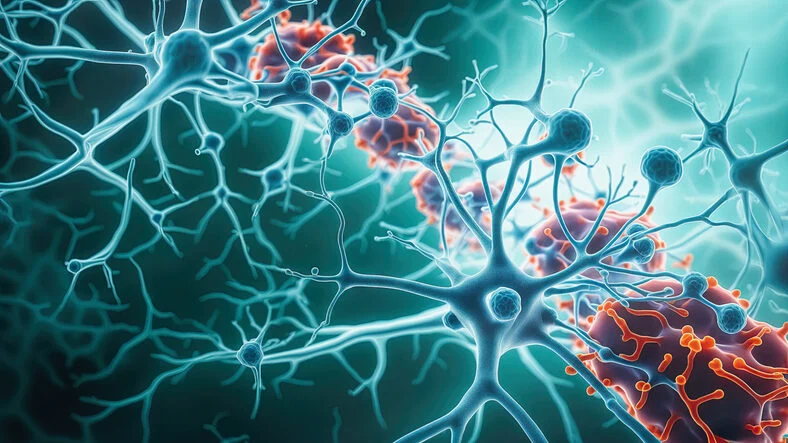
AAVs are the gold standard for gene delivery, yet wild-type viruses often lack the finesse to distinguish between different cell types. If a therapy is meant for glia—the support cells of the brain—but ends up in neurons or systemic organs, it risks unwanted side effects.
Goldman’s team engineered a custom library of modified AAV5 viral vectors. By performing precise modifications to the viral capsids—the protein shells that enclose the genetic cargo—the researchers created a "molecular key" that prefers human glial cells over other brain inhabitants. To validate this, they utilized humanized mouse models, where mice brains were transplanted with human glial progenitor cells. This allowed the researchers to observe how these vectors performed in a biologically relevant, human-like environment rather than the simplified conditions of a petri dish.
2. Utilizing the Glymphatic Highway
The second pillar of the platform is the glymphatic system. This microscopic network of fluid-filled channels, which primarily facilitates the clearance of metabolic waste, acts as an internal plumbing system for the central nervous system. By delivering the engineered AAVs into the cisterna magna—a fluid-filled space at the base of the brain—and employing a hypertonic treatment to stimulate fluid uptake, the researchers successfully "flooded" the brain’s parenchyma with the therapeutic vector. This bypasses the blood-brain barrier entirely, preventing the drug from being diluted or sequestered in peripheral organs like the liver or spleen.
Chronology of the Discovery
The path to this discovery was not linear; it was built upon years of foundational research into glial biology and viral vector design.
- 2010–2015: The Glial Shift. Dr. Goldman’s lab established the pivotal role of glial cells in disease progression. Their previous work in Huntington’s disease demonstrated that replacing diseased glial cells with healthy, lab-grown human glial progenitors could slow the decline of brain function, suggesting that glia were not just passive supporters, but active participants in neurodegeneration.
- 2016–2020: The Vector Library Development. Recognizing that current delivery methods were inadequate for widespread glial replacement, the team began the arduous task of capsid engineering. They focused on AAV5, a serotype known for its relative safety, and began the iterative process of screening thousands of variants in humanized animal models.
- 2021–2023: The Glymphatic Convergence. The research took a major turn when the team integrated their engineered vectors with the glymphatic system. By aligning the delivery site with the natural flow of cerebrospinal fluid, the team achieved unprecedented, uniform distribution of the AAVs across the brain.
- 2024: Validation and Publication. Following successful in vivo trials, the data was compiled and peer-reviewed, culminating in the recent Nature Biotechnology publication, which provides a roadmap for future clinical trials.
Supporting Data and Technical Efficacy
The study’s data highlights a significant increase in transfection efficiency compared to conventional systemic or direct injection methods. By utilizing the glymphatic system, the researchers were able to achieve widespread transduction of oligodendrocytes and astrocytes—the primary cell types involved in white matter maintenance—without causing neurotoxicity.
Furthermore, the "off-target" effect, a common pitfall in gene therapy, was significantly mitigated. Because the delivery was localized to the cerebrospinal fluid pathways, the viral load reaching the liver was reduced by several orders of magnitude compared to traditional intravenous injections. This is a critical finding, as liver toxicity has been a primary reason for the failure of many clinical-grade gene therapies in the past.
Official Perspectives: The Vision of Dr. Steve Goldman
Dr. Steve Goldman has been a vocal proponent of shifting the research focus toward the "silent" cells of the brain. During a recent discussion on the findings, he emphasized the paradigm shift this represents.

"Over the last decade, we’ve learned that many neurological disorders involve glial dysfunction as a major driver of disease," Goldman noted. "That realization has created an urgent need for tools that can safely and efficiently deliver therapies to these cells throughout the brain."
He further underscored the importance of the delivery mechanism, noting that the glymphatic system is changing how neurologists view potential interventions. "Rather than trying to force therapies across the blood-brain barrier from the bloodstream, we can use the brain’s own transport pathways to distribute them more effectively where they are needed. This is not just about a new drug; it’s about a new logistical framework for neuro-therapeutics."
Looking forward, Goldman revealed that his lab is already exploring the potential of Artificial Intelligence to accelerate the design of even more specific capsids. "We envision a future in which vectors can be designed for specific diseases and specific cell populations with absolute precision. This study shows that by combining targeted vector engineering with glymphatic delivery, we can begin to build that future."
Clinical Implications: A New Era for Rare and Common Diseases
The implications of this research are broad, spanning from rare pediatric conditions to the most common neurodegenerative challenges facing the aging population.
Pediatric Lysosomal Storage Diseases
For children suffering from inherited disorders where glia lack the enzymes necessary for metabolic function, this platform offers a potential "cure-in-a-bottle" scenario. By delivering the missing genes directly to the glial population, the body could regain the ability to clear toxic byproducts, halting the progression of white matter destruction.
Multiple Sclerosis and Myelin Repair
Multiple sclerosis is fundamentally a disease of glial dysfunction—specifically, the loss of oligodendrocytes. A therapy that can effectively re-populate or rescue these cells using the glymphatic system could potentially restore the myelin sheath, reversing some of the damage caused by the disease.
Huntington’s Disease and Beyond
Huntington’s disease, once thought to be exclusively a neuronal disorder, is now understood to be heavily influenced by glial pathology. This new delivery platform could be used to deliver gene-silencing therapies to glial cells, preventing the spread of toxic proteins and stabilizing the brain’s environment.
Conclusion: The Road Ahead
While the Nature Biotechnology paper marks a significant milestone, the team acknowledges that the transition to human clinical trials will require rigorous safety testing. The use of the cisterna magna as a delivery route, while effective, requires a high level of surgical precision. However, as medical technology advances, the potential for this platform to revolutionize neuro-medicine is undeniable.
By moving beyond the blood-brain barrier and focusing on the cellular architecture of the brain, Dr. Goldman and his colleagues have opened a door that has remained closed for decades. Whether this technology will become the standard of care for neuro-regeneration remains to be seen, but the scientific community is watching closely, as the prospect of truly "targeting the brain" has never been more tangible.