PG DATA 2026: A Milestone for the PostgreSQL Community and a Blueprint for the Future
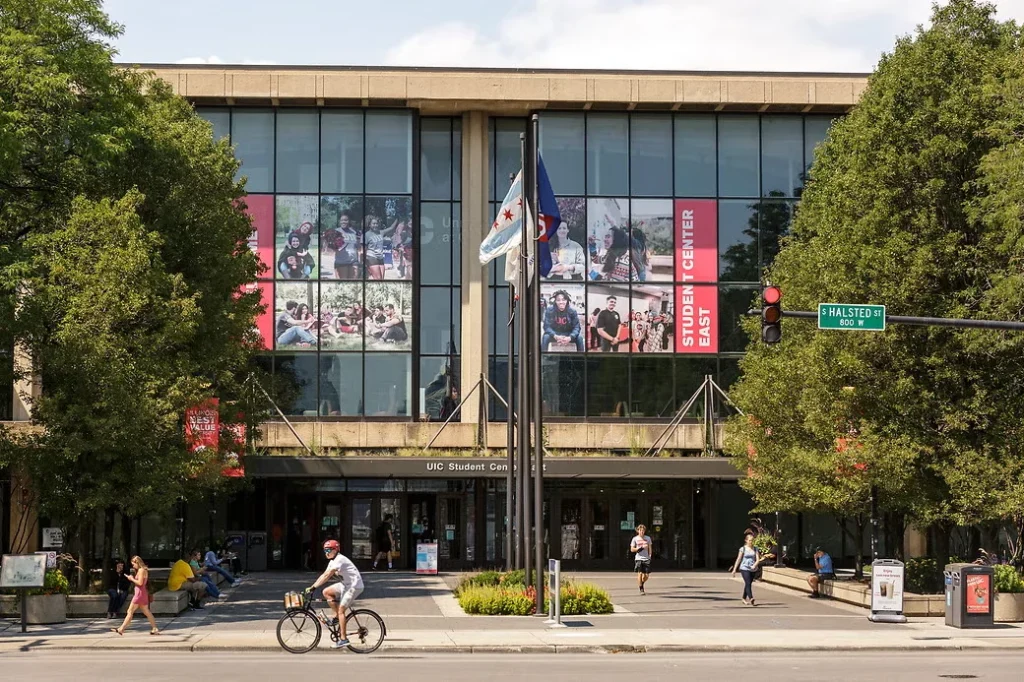
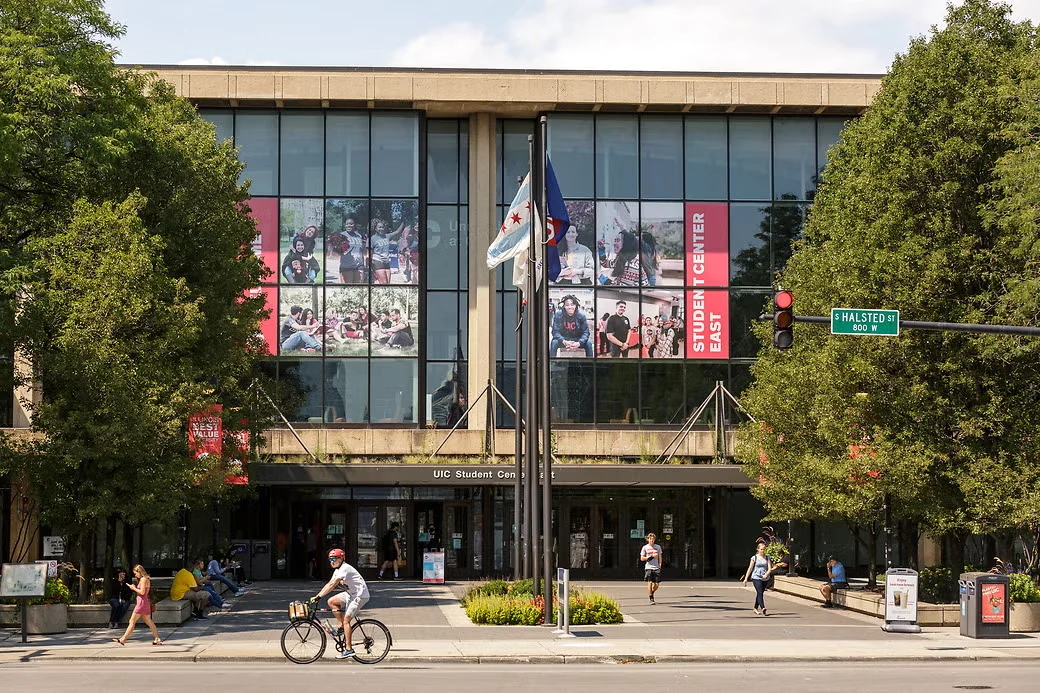
July 4, 2026 – One month has passed since the curtains closed on PG DATA 2026, the inaugural full-scale flagship event organized by Prairie Postgres. Held in the vibrant heart of Chicago, the conference marked a significant turning point for the PostgreSQL community, successfully transitioning from smaller regional gatherings to a comprehensive, high-impact technical summit. As the dust settles and the feedback loops close, the event is being hailed not just as a successful conference, but as a proof-of-concept for the future of database community engagement.
The Genesis of a Major PostgreSQL Hub
For years, the "PG Day" format served as the backbone of regional PostgreSQL networking. However, Prairie Postgres aimed for something more ambitious with PG DATA 2026. The goal was to build an environment that balanced rigorous technical discourse with the inclusive, welcoming atmosphere that has long defined the PostgreSQL community.
The success of the 2026 edition suggests that the community is hungry for large-scale, specialized forums. According to organizers, the event was characterized by a high caliber of technical presentations, robust sponsor engagement, and an atmosphere that prioritized accessibility for both veteran database architects and newcomers to the ecosystem.
Chronology of a Successful Event
The journey to PG DATA 2026 was a marathon of logistics and curation.
- Early 2026: The organizational committee, bolstered by a dedicated Call for Papers (CfP) review board, began the meticulous task of selecting speakers from a global pool of applicants.
- The Lead-Up: Over the spring months, the team focused on creating an inclusive environment, ensuring that the conference was not only technically dense but also socially accessible.
- June 2026: The event took place in Chicago, drawing participants from across the globe. The organizers implemented a streamlined management approach, allowing the core team—who had previously been overwhelmed by administrative duties at smaller events—the rare opportunity to participate in the actual sessions.
- Early July 2026: Post-event analysis, including attendee surveys and internal debriefs, confirms that the structure of the event successfully met its primary KPIs regarding attendee satisfaction and technical quality.
Supporting Data: Why Community Engagement Matters
The data surrounding PG DATA 2026 is largely qualitative, drawn from extensive feedback loops with sponsors, speakers, and attendees. However, the operational success is undeniable.
One of the most notable indicators of success was the efficiency of the volunteer and organizing committee. In previous iterations of regional PG Days, the workload was so distributed and intense that organizers often missed the content of the sessions they were hosting. At PG DATA 2026, a refined operational framework allowed key organizers to attend sessions, fostering a better understanding of the audience’s needs and current trends in PostgreSQL development.
Furthermore, the "inclusive atmosphere" was not just a branding exercise. Feedback indicates that attendees felt comfortable asking questions, networking, and engaging with high-level speakers—a core component of the "open" culture that defines open-source software communities. While the quantitative data on specific session attendance is still being synthesized, the initial response from the community suggests that the geographic choice of Chicago served as a strong draw, attracting a diverse mix of enterprise professionals and academic researchers.
Official Responses and Reflections
The leadership behind Prairie Postgres has been transparent about the highs and lows of the event. In a statement released on July 4, the organizers acknowledged that while the event was a triumph, there is always room for iteration.
"I know everyone says this, but let me repeat: this event wouldn’t be possible without everyone who contributed in so many different ways," said a lead organizer. "From the organizational committee to the CfP members, volunteers, and speakers—you all helped us build an open and inclusive event."
The organizers expressed a singular regret: the lack of time for deep, one-on-one conversations with attendees, particularly those visiting Chicago for the first time. This sentiment highlights the human element of the conference; despite the technical focus, the community aspect remains the primary driver of repeat attendance.

Looking Ahead: The Roadmap for PG DATA 2027
The most significant news to emerge from the post-event reflection is the confirmation of PG DATA 2027. Despite the exhaustion that typically follows a major conference, the team is already deep into the planning phase.
Mark your calendars: June 11-12, 2027.
The organization team has made it clear that they are not resting on the laurels of 2026. They are actively seeking input from the community to shape the future of the conference. By soliciting feedback on what should be preserved, what should be expanded, and what should be improved, they are adopting an "Agile" approach to event management.
Strategic Priorities for 2027:
- Iterative Improvements: Based on attendee feedback, the organizers are looking to refine the session structures to allow for more, rather than less, interaction between speakers and the audience.
- Broadening the Scope: With the inaugural event having established a strong technical foundation, the next phase will focus on widening the tent to include more diverse voices and niche topics within the PostgreSQL ecosystem.
- Community-Driven Content: The organizers are actively asking: "What would make you join us next year?" This question is aimed at potential attendees who missed 2026, signaling a desire to capture a wider demographic of database professionals.
Implications for the PostgreSQL Ecosystem
The success of PG DATA 2026 has broader implications for the global PostgreSQL community. As major enterprise databases become increasingly complex, the need for centralized, high-quality, community-led conferences becomes critical.
If Prairie Postgres can sustain this level of quality, Chicago could well become a permanent "capital" for PostgreSQL knowledge exchange. The event model proves that even in an era of digital connectivity, there is no substitute for the physical, face-to-face exchange of ideas, best practices, and troubleshooting tips that occur in the hallways of a major conference.
For the industry, this means a more robust, informed, and connected user base. For the developers, it means a more direct pipeline to the contributors who shape the future of the software. And for the city of Chicago, it establishes a reliable anchor for one of the most vital open-source projects in the world.
How to Get Involved
The organizers are calling on the community to help shape the agenda for 2027. Whether you were a participant, a sponsor, or someone who followed the event from afar, your input is considered an essential part of the planning process.
- Were you there? Tell us what worked, what felt out of place, and which sessions left a lasting impact.
- Were you absent? Tell us what your barriers were and what content or experiences would make the trip to Chicago a "must-attend" for your 2027 calendar.
The path toward PG DATA 2027 has begun. By leaning into the feedback of the community and maintaining the inclusive spirit that made 2026 a success, Prairie Postgres is setting a new gold standard for open-source conferences.
As we look toward June 2027, the focus remains clear: PostgreSQL is not just about code; it is about the community that writes it, supports it, and builds the future of data management upon it. Stay tuned to the official channels for the launch of the 2027 website and the opening of the next Call for Papers.
The organizers welcome all feedback via their official channels. Help build the next great chapter of the PostgreSQL community.