Revolutionizing API Manufacturing: Peptistar Integrates Asahi Kasei’s FO-MD Technology to Overcome Thermal Sensitivity Barriers
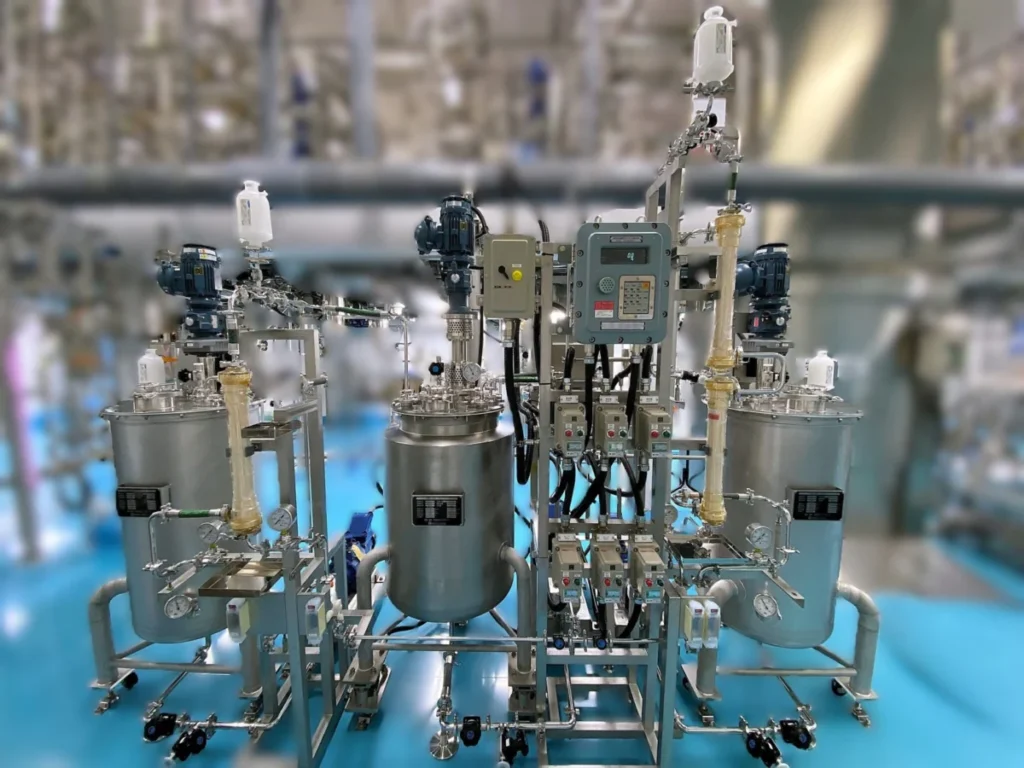
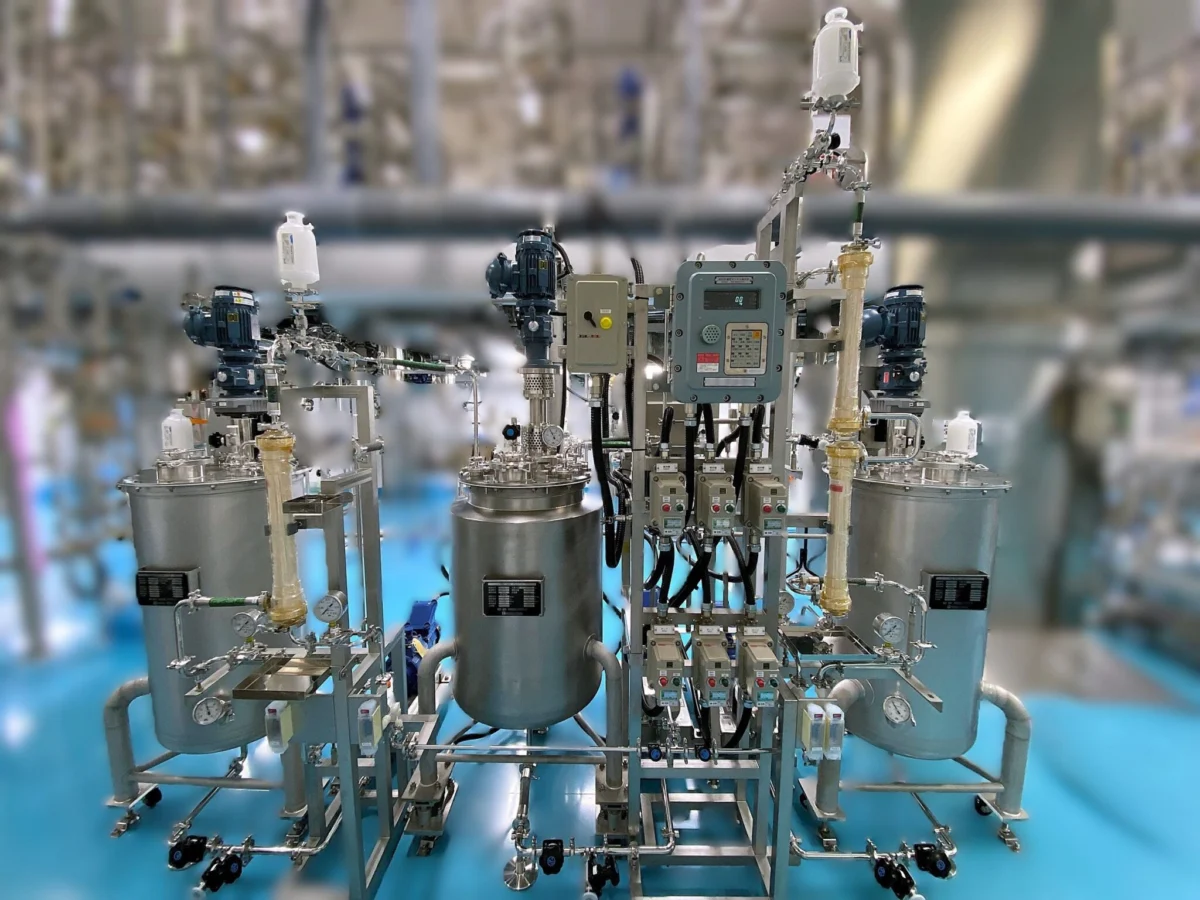
The landscape of pharmaceutical manufacturing is undergoing a profound transformation. As the industry pivots from traditional, high-volume small-molecule drugs toward the complex, high-specificity requirements of next-generation therapeutics—including peptides, oligonucleotides, and various biologics—the limitations of legacy production infrastructure have become increasingly apparent. Addressing these critical bottlenecks, Japanese contract development and manufacturing organization (CDMO) Peptistar has announced the successful integration of Asahi Kasei’s advanced forward osmosis–membrane distillation (FO-MD) system into its trial production facility.
This development marks a significant shift in how heat-sensitive active pharmaceutical ingredients (APIs) are processed, offering a potential paradigm shift in efficiency, product integrity, and energy consumption for the global biopharmaceutical sector.
The Core Challenge: Thermal Sensitivity in Modern API Production
For decades, the pharmaceutical industry has relied heavily on freeze-drying (lyophilization) to stabilize sensitive compounds. While effective at removing solvents without the structural degradation associated with heat, freeze-drying is notoriously energy-intensive, time-consuming, and expensive. It is the "bottleneck" of the downstream process; a single batch can take days to complete, creating a significant constraint on production throughput and increasing the cost of goods sold (COGS).
As the demand for complex APIs like synthetic peptides and oligonucleotides grows, so does the risk of thermal degradation. These molecules are often highly sensitive to temperature fluctuations and solvent concentrations. Conventional concentration methods—such as vacuum distillation—are often disqualified because they require heat, which can lead to chemical denaturation, unwanted precipitation, or the degradation of the API’s delicate molecular structure.
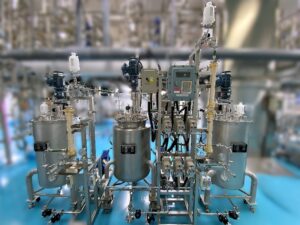
The integration of the Asahi Kasei FO-MD system at Peptistar’s facility is designed to bridge this gap. By enabling the concentration of raw material solutions at ambient temperatures, this system significantly reduces the volume of liquid feed that must be processed in the final freeze-drying stage, effectively streamlining the entire manufacturing timeline.
Chronology of Innovation: From Concept to Clinical-Scale Trial
The path to this integration began well before the current installation. The technical trajectory of the FO-MD system can be traced back to the foundational research conducted by Asahi Kasei, which culminated in their 2018 announcement regarding a breakthrough in non-thermal liquid concentration technology.
- 2018: Asahi Kasei publicly unveils its proprietary FO-MD technology, promising a method to dehydrate and concentrate liquid solutions without the application of external heat or mechanical pressure.
- 2019–2023: Extensive pilot-phase testing and optimization of the membrane materials. Asahi Kasei focuses on ensuring that the system meets the rigorous purity and safety standards required for pharmaceutical-grade applications.
- 2024–2025: Collaboration discussions between Peptistar and Asahi Kasei intensify, focusing on the specific requirements of peptide and oligonucleotide synthesis.
- 2026 (Current): Peptistar completes the installation of the FO-MD system at its manufacturing facility. The unit is currently undergoing evaluation at a manufacturing scale, marking a critical step toward full-scale Good Manufacturing Practice (GMP) production.
This progression highlights a deliberate, risk-averse approach common in pharmaceutical engineering, where every transition from benchtop to plant floor requires meticulous validation to ensure patient safety and product efficacy.
Technical Mechanics: How FO-MD Works
The FO-MD system represents a sophisticated synergy of two distinct membrane-based technologies, both of which operate under mild conditions that protect the integrity of sensitive API solutions.
Forward Osmosis (FO)
The FO component of the system leverages osmotic pressure differences across a semi-permeable membrane. By utilizing a "draw solution" with a higher osmotic pressure than the feed solution, water is naturally drawn through the membrane, effectively concentrating the API solution without the need for high-pressure pumps or external heat. Because this process occurs under ambient conditions, the sensitive API remains structurally intact, avoiding the stressors that typically lead to degradation.
Membrane Distillation (MD)
Complementing the FO process, Membrane Distillation addresses the removal of volatile organic compounds (VOCs). MD utilizes a vapor pressure difference across a hydrophobic microporous membrane. This allows volatile components—such as acetonitrile, alcohols, or ammonia—to be removed from the solution at or below room temperature.
By combining these two processes, the system creates a "gentle" concentration environment. As an Asahi Kasei spokesperson noted, this dual-process approach removes the need to subject sensitive molecules to the "harsh" environments of traditional distillation or the extreme, prolonged cycle times of standard freeze-drying.
Supporting Data: Efficiency and Scalability
While proprietary performance metrics are still being refined during the current trial phase, the theoretical benefits of the FO-MD system are clear when measured against traditional manufacturing KPIs.
- Reduction in Freeze-Drying Cycles: By reducing the volume of the raw material solution prior to lyophilization, the system significantly decreases the duration of the freeze-drying step. In many cases, a 50–70% reduction in liquid volume can lead to a 30–40% decrease in total processing time.
- Energy Savings: Freeze-drying is the single largest energy consumer in many API manufacturing suites. By moving the heavy lifting of concentration to a membrane-based system that operates at room temperature, the total energy footprint of the production facility is substantially lowered.
- Throughput Increase: By optimizing the "bottleneck" (the concentration/drying phase), CDMOs like Peptistar can process more batches in the same amount of time, allowing for faster turnaround on clinical trial supply and commercial demand.
- Yield Preservation: Because the system operates without heat, the risk of chemical precipitation or thermal degradation of the API is minimized, leading to higher purity profiles and higher overall yields.
Official Perspectives and Industry Implications
The collaboration between Peptistar and Asahi Kasei serves as a bellwether for the broader biopharmaceutical industry. As officials from both companies suggest, the industry is no longer just looking for "more" production; it is looking for "smarter" production.
Implications for Next-Generation Therapeutics
Peptides and oligonucleotides are increasingly at the forefront of personalized medicine and rare disease treatment. These molecules are significantly more complex than the small-molecule aspirin or ibuprofen equivalents of the past. They require precision manufacturing. The successful implementation of FO-MD proves that CDMOs are willing to invest in specialized infrastructure to cater to the unique needs of these drugs.
A New Standard for Sustainability
Beyond the technical benefits, there is a strong ESG (Environmental, Social, and Governance) angle. The pharmaceutical industry has long been criticized for its high energy consumption. By adopting membrane-based technologies that avoid high-heat processes, companies can significantly reduce their carbon footprint, aligning with global mandates for "Green Pharmacy."
Future Commercialization
Asahi Kasei has stated that they are actively monitoring the trial results at Peptistar as part of their broader strategy for commercialization. The success of this installation will likely dictate the speed at which this technology is rolled out to other CDMOs and large-scale pharmaceutical manufacturers worldwide.
Conclusion: A Turning Point for API Manufacturing
The integration of Asahi Kasei’s FO-MD system into Peptistar’s facility is more than just an equipment upgrade; it is a strategic alignment with the future of drug discovery. By solving the inherent conflict between API concentration and thermal sensitivity, this technology allows for a more robust, efficient, and scalable approach to producing the next generation of life-saving medicines.
As the industry continues to move toward more complex molecular structures, the ability to concentrate, purify, and stabilize these compounds under ambient conditions will distinguish the leaders in pharmaceutical manufacturing. For Peptistar, this trial is the first step toward a new GMP-ready reality, one where the speed of manufacturing finally begins to catch up with the rapid pace of clinical innovation.
The coming months of trial data will be watched closely by the industry, as the potential to replace or supplement energy-hungry, time-intensive processes with efficient, membrane-based alternatives could soon become the new industry gold standard.