Instant Play: The Renaissance of Browser-Based Gaming and the Rise of the "Micro-Experience"

In an era defined by massive file downloads, multi-hour software updates, and high-fidelity titles that occupy hundreds of gigabytes of storage, there is a refreshing counter-movement taking hold in the digital landscape: the browser-based game. With a single click, users are bypassing the traditional "install-and-wait" loop, accessing creative, bite-sized experiences that define the modern weekend aesthetic.
As platforms like itch.io continue to curate these "fresh and free" selections, a clear trend is emerging. Developers, particularly those participating in rapid-fire game jams like Ludum Dare 56, are proving that constraints—whether in time, memory, or accessibility—often serve as the ultimate crucible for innovation.
The Shift Toward Frictionless Entertainment
The current landscape of browser gaming has evolved far beyond the simple Flash games of the early 2000s. Today, developers are leveraging HTML5 and WebGL to create experiences that rival native applications in terms of atmosphere and mechanical depth. For the casual player, this represents a significant shift in the "investment cost" of gaming.
When a user opens a link to a title like Dead Names or Jelly Gang, they are not entering a long-term commitment. They are engaging with a "micro-experience." This format allows players to dip in and out of different genres—from psychological horror to physics-based puzzle solving—without the overhead of managing hardware resources or library clutter. This ease of access has revitalized the indie scene, allowing niche, experimental, and experimental-narrative games to find an audience that might otherwise be intimidated by the barrier to entry of commercial gaming platforms.

A Curated Selection: From Sci-Fi to Post-Apocalyptic Management
The latest wave of browser games highlights a diverse spectrum of creative intent. The following titles exemplify the current design philosophies dominating the itch.io ecosystem:
Narrative and Atmosphere
- Dead Names: A poignant sci-fi visual novel that explores themes of loss and identity. By utilizing a Game Boy ROM format, it achieves a distinct, nostalgic aesthetic that heightens its emotional delivery.
- Laura’s Room: A standout from GBJAM 12, this psychological horror title utilizes a rainy, nocturnal setting to build tension. It serves as a masterclass in how limited visual fidelity can be leveraged to maximize atmospheric dread.
High-Octane Action and Strategy
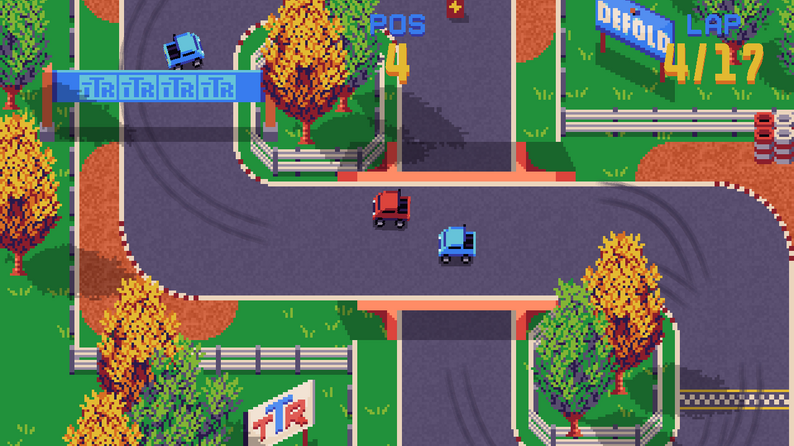
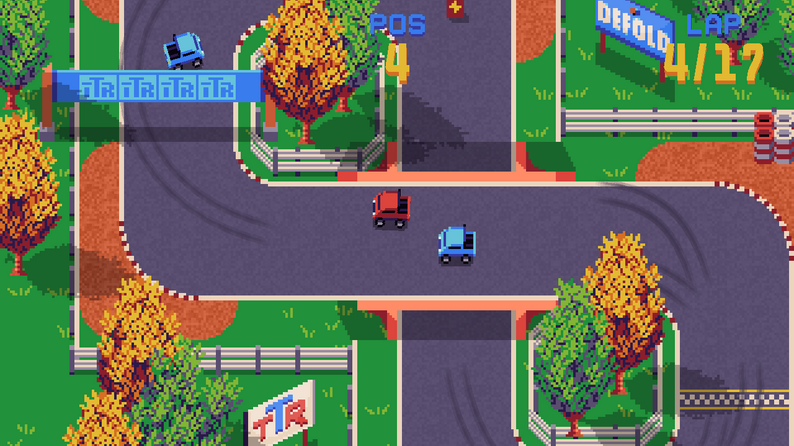
- Tiny Truck Racing: Born from the "Made With Defold Jam 2024," this title highlights the efficiency of the Defold engine. It offers a classic arcade experience, complete with time trials and nitro-boost mechanics, proving that competitive racing does not require high-end graphics to be engaging.
- Jelly Gang: A standout physics-based puzzle platformer, Jelly Gang forces the player to manage a swarm of 30 characters simultaneously. By restricting control to a "focus region" around the cursor, it turns basic movement into a strategic challenge.
Idle and Simulation Dynamics
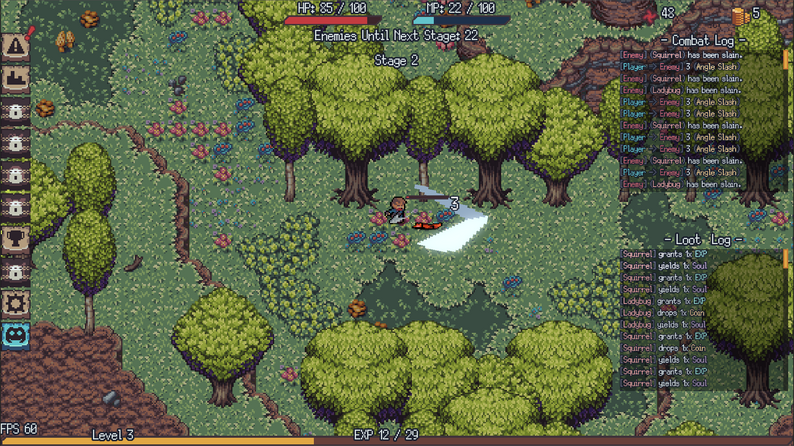
- Nomad Idle: This title highlights the evolution of the idle genre. It isn’t just about passive progress; it integrates crafting and active skill usage, creating a satisfying loop of character progression that respects the player’s time.
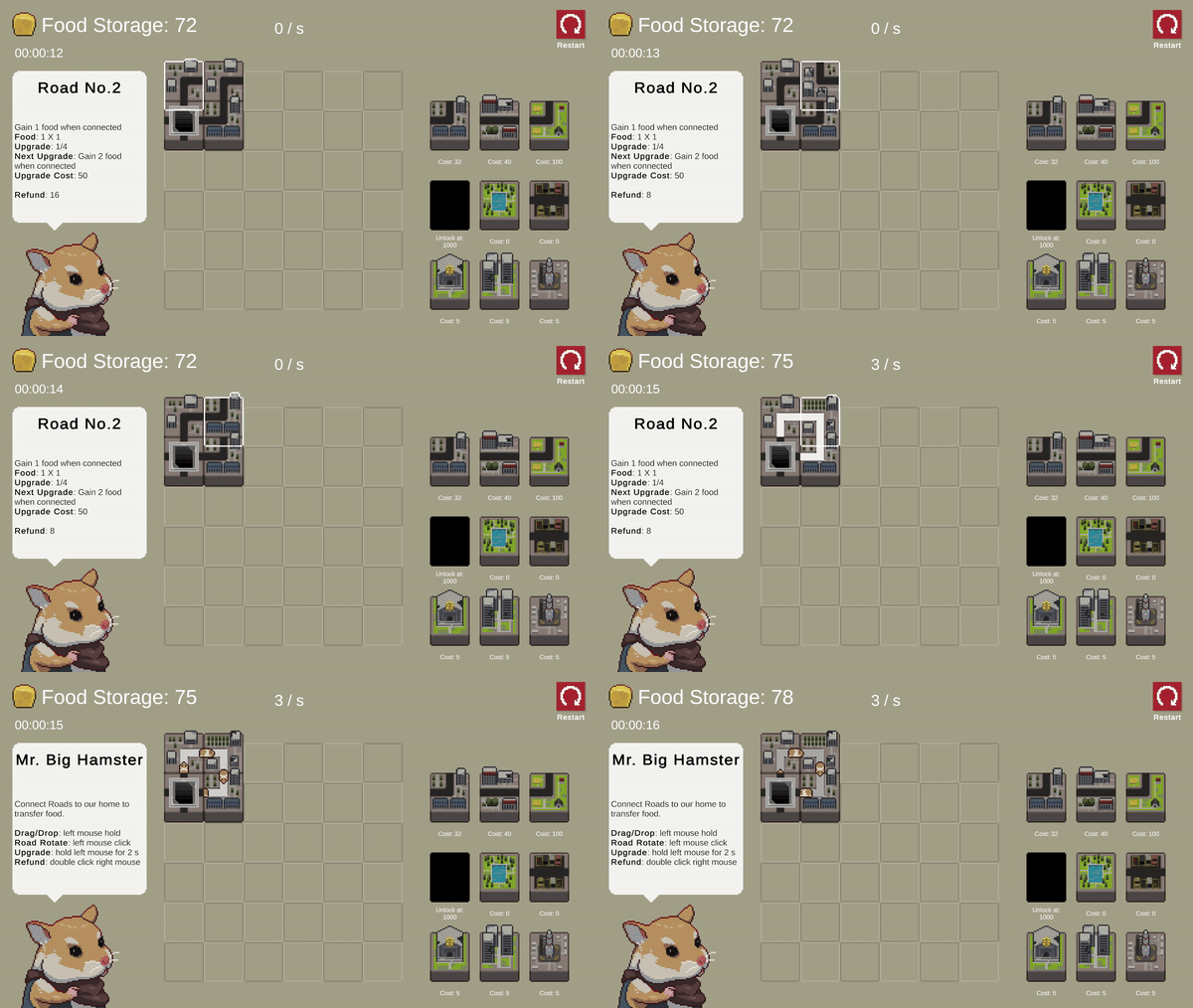
- Hamster Shelter: A post-apocalyptic management sim that contrasts grim themes with a relaxing gameplay loop. Created for Ludum Dare 56, it demonstrates the "background play" style that has become a hallmark of the browser gaming community.
- Play With Me: A darker take on the virtual pet genre. By blending minigames with a creepy, toy-centric narrative, it challenges the traditional expectations of the "pet sim" archetype.
Novel Mechanics
- Mouse Mouse: A 48-hour development marvel, this platformer uses the cursor as the primary mechanic, effectively blurring the line between the player’s interface and the game world.
The Mechanics of Game Jams: The Engine of Innovation
The proliferation of these titles is largely driven by "game jams"—time-limited events where developers must build a functional game from scratch. The Ludum Dare 56 event, which serves as the origin point for several of the games mentioned above, is a prime example of this phenomenon.
These jams act as a high-pressure environment that strips away feature creep. When a developer has only 48 hours to produce a project, they must focus on the "core loop"—the primary interaction that makes the game fun. This pressure cooker environment is exactly why browser gaming has become a hotbed for novel mechanics, such as the mouse-centric controls in Mouse Mouse or the physics-based swarm movement in Jelly Gang.
Official Discourse: The Developer-Platform Relationship
The relationship between platforms like itch.io and their developer community is a symbiotic one. A unique insight into this dynamic was recently provided through a public exchange on the itch.io blog. When a developer questioned why their specific project (created for the same Ludum Dare jam as other featured titles) was not included in a recent digest, the response from the platform’s leadership was revealing.
The exchange confirmed that there is no "secret algorithm" or rigid exclusionary criteria. Instead, it highlighted that the sheer volume of high-quality entries in modern game jams makes the selection process subjective and often a matter of "vibes." This transparency is critical; it encourages developers to keep pushing for originality, knowing that the platform is actively watching, even if a specific title doesn’t land in every curated list.
Implications for the Future of Gaming
The rise of high-quality browser gaming has several long-term implications for the industry:

- Democratization of Distribution: We are moving toward a web-first future where the browser is a legitimate, high-performance platform for gaming. This removes the gatekeeping inherent in console storefronts.
- The Rise of the "Snackable" As attention spans shift, the demand for high-quality, short-form content will grow. Browser games are perfectly positioned to fill the "commuter" or "coffee break" gaming niche.
- Cross-Genre Experimentation: Because these games are often free or low-cost, developers are taking more risks. We are seeing genres like "Idle" and "Psychological Horror" being hybridized in ways that major AAA studios rarely attempt.
Conclusion: Why Browser Games Matter
In a digital world that often feels heavy and bloated, the browser-based gaming scene offers a form of "lightness." Whether you are managing hamster colonies in a post-apocalyptic landscape or racing tiny trucks through pixelated circuits, these games remind us that the heart of gaming is not about hardware specifications or resolution—it is about the interaction between the player and the idea.
As we look toward the future, these bite-sized experiences will likely continue to grow in complexity and popularity. They serve as a testament to the power of creative constraint and the enduring appeal of instant, accessible play. For the casual observer and the hardcore gamer alike, the browser window is no longer just a way to browse the internet; it is a portal to an ever-expanding, ever-refreshing library of digital art.
Data Summary of Featured Titles:
| Game Title | Genre | Origin/Event | Key Feature |
|---|---|---|---|
| Dead Names | Sci-Fi Visual Novel | Original Release | Atmospheric GB ROM |
| Tiny Truck Racing | Racing | Made With Defold Jam | Fast-paced/Nitro mechanics |
| Nomad Idle | Idle/Auto-battler | Recent Update | Active skill progression |
| Laura’s Room | Psychological Horror | GBJAM 12 | Rainy/Atmospheric design |
| Hamster Shelter | Simulation | Ludum Dare 56 | Relaxing, background play |
| Mouse Mouse | Platformer | Ludum Dare 56 | Unique mouse-control mechanic |
| Play With Me | Virtual Pet | Ludum Dare 56 | Spooky/Retro aesthetics |
| Jelly Gang | Puzzle Platformer | Ludum Dare 56 | Physics-based swarm control |
For those looking to keep up with the rapid evolution of this medium, the "New & Popular" sections on indie platforms remain the most vital resource for discovering the next great micro-experience.