Revolutionizing DevSecOps: AWS Expands the Capabilities of Its Frontier Security Agent
In an era where the speed of software deployment often threatens to outpace the rigor of security protocols, Amazon Web Services (AWS) is fundamentally shifting the paradigm of application protection. At re:Invent 2025, AWS first unveiled the AWS Security Agent, a pioneering frontier AI designed to proactively secure applications throughout their entire lifecycle. Today, AWS has announced a major expansion of this toolset, now integrated into the broader AWS Continuum ecosystem, offering developers and security engineers a unified, agentic interface for everything from code review to penetration testing.
This evolution represents a significant leap forward in "Shift Left" security, moving away from reactive, pattern-based scanning toward deep, context-aware reasoning that understands the architecture, intent, and documentation of a modern application.
The Chronology of Innovation: From Preview to Powerhouse
The trajectory of the AWS Security Agent has been rapid, reflecting the urgent industry demand for automated, intelligent security guardrails.

- re:Invent 2025 (The Preview): AWS introduced the Security Agent, promising to bridge the gap between design-time security and deployment-time protection.
- March 2026 (General Availability): AWS marked a milestone by making on-demand penetration testing generally available, allowing teams to simulate exploits against their own applications within verified, controlled environments.
- May 2026 (Full Repo Analysis): The preview of "Full Repository Code Review" introduced deep-code analysis, capable of scanning entire codebases rather than isolated files, to identify complex, multi-layered vulnerabilities.
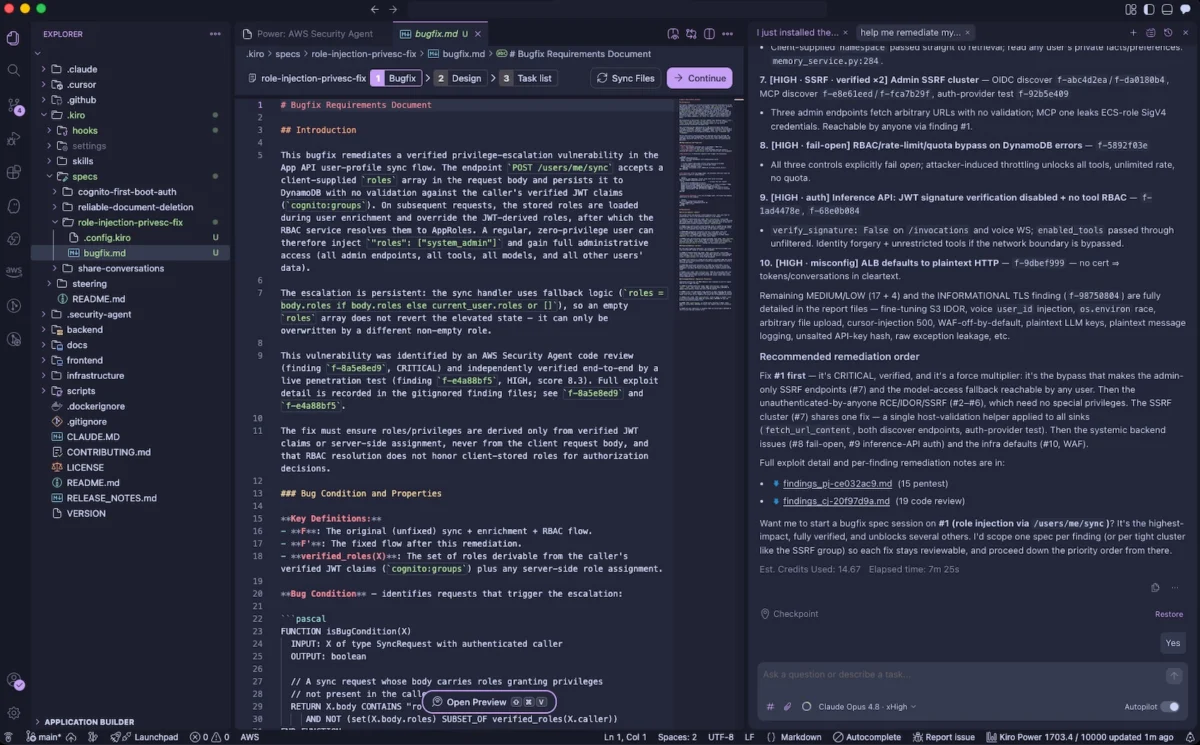
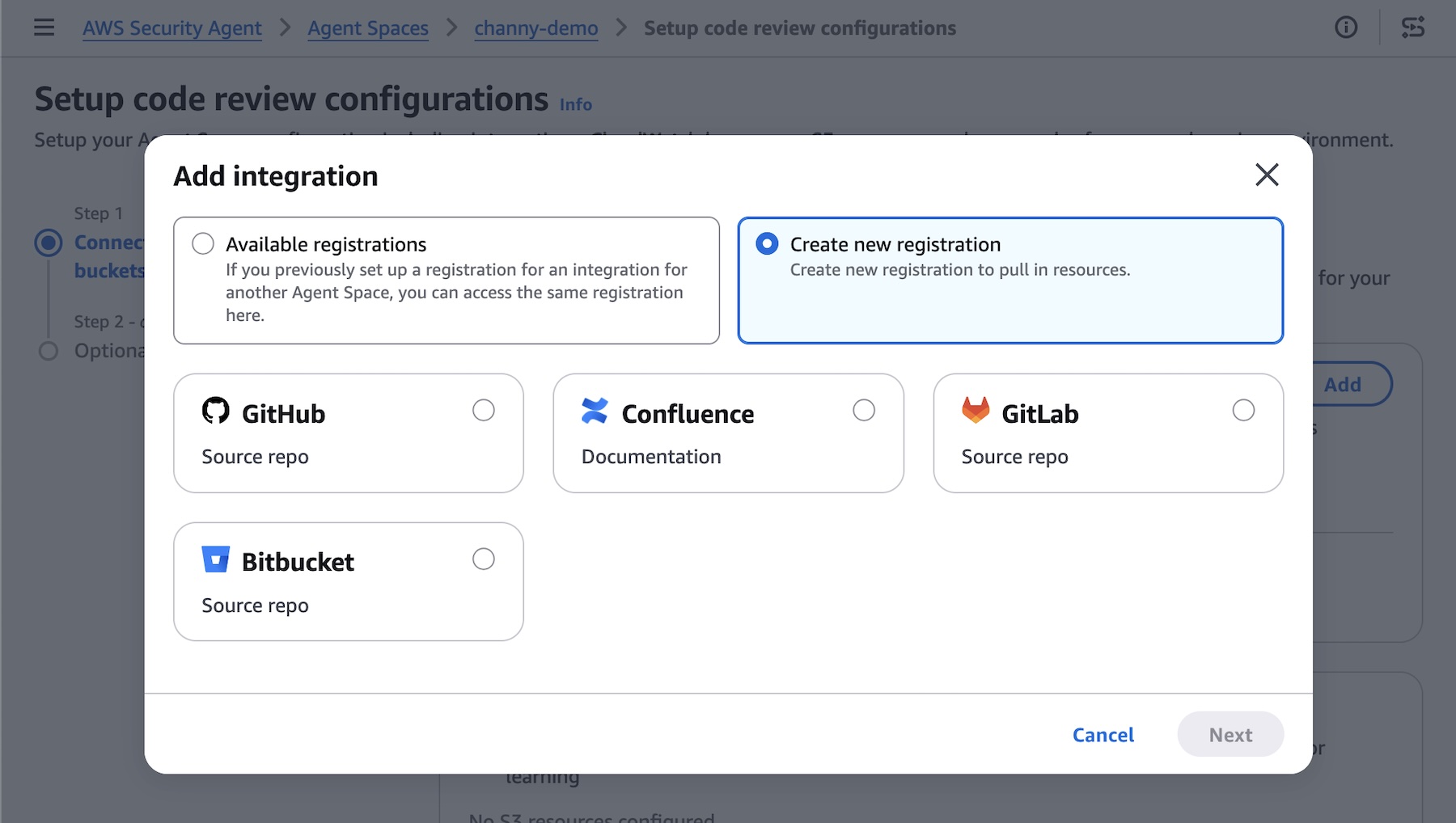
- June 2026 (Current Update): AWS has now integrated support for GitLab and Bitbucket, expanded documentation referencing via Confluence, and introduced the "Kiro Power" for IDE-native security workflows, effectively embedding the security agent into the developer’s primary workspace.
Core Capabilities: A Deep Dive into the Expanded Toolset
The latest updates are not merely incremental; they address the fragmented nature of modern DevOps. By consolidating disparate security functions into a single agent, AWS is reducing the cognitive load on engineering teams.
1. Unified Code Analysis and Repository Integration
The Security Agent now supports not only GitHub but also SaaS and self-hosted versions of GitLab and Bitbucket. This flexibility ensures that regardless of an organization’s CI/CD infrastructure, they can trigger sophisticated, reasoning-based security scans.
Crucially, the agent now integrates with Confluence. This allows the AI to reference internal design documents, policy handbooks, and architecture diagrams as context for its reviews. By understanding the intent behind the code—rather than just the syntax—the agent can identify logic flaws that traditional static analysis security testing (SAST) tools inevitably miss.

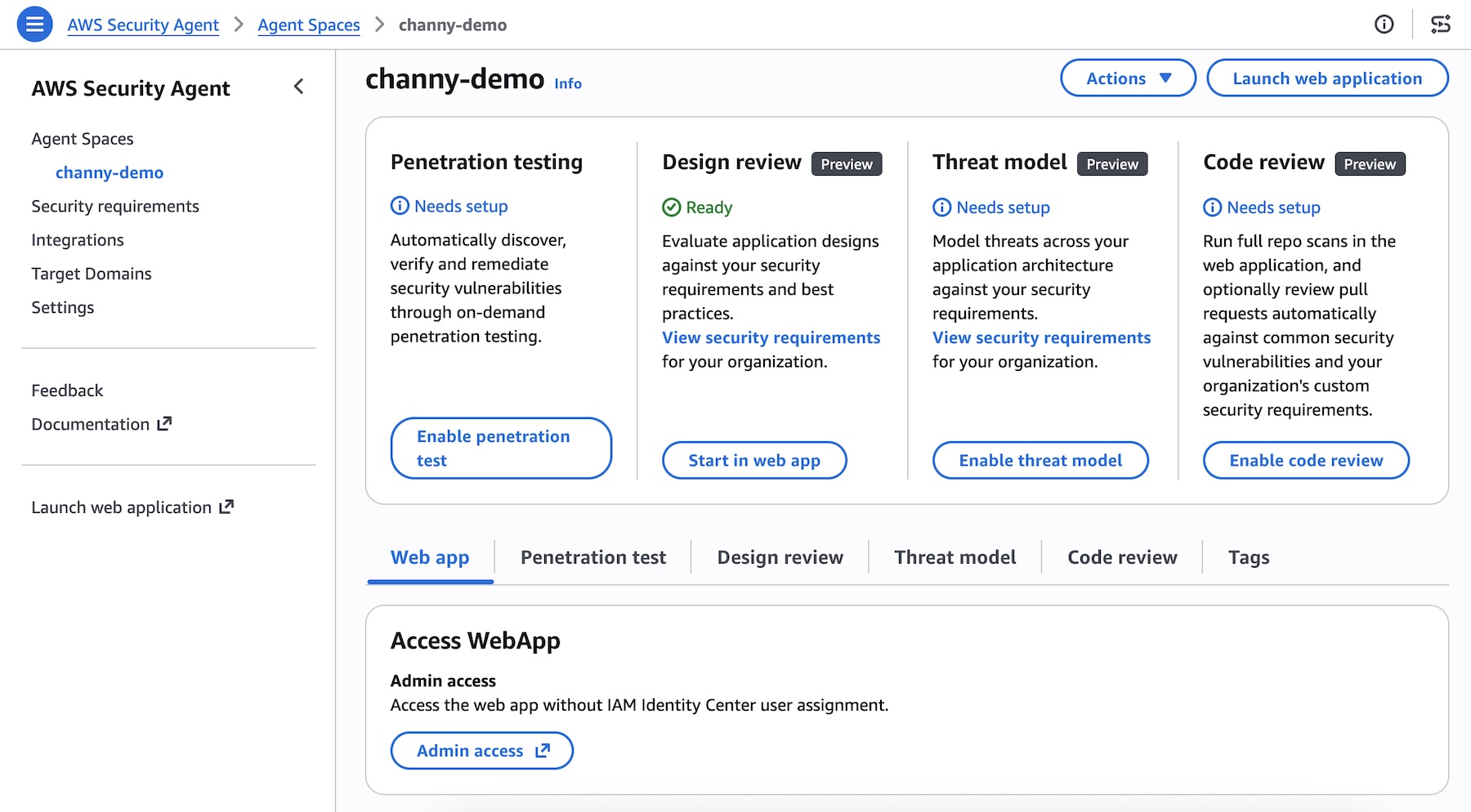
2. Design Review and Automated Compliance
Security is often treated as an afterthought, but the AWS Security Agent forces it to the design phase. With managed compliance packs, the agent continuously validates architectural designs against industry benchmarks such as the AWS Well-Architected Framework, NIST CSF, and PCI DSS.
Because every finding is mapped directly to a compliance requirement, organizations no longer scramble for evidence during audits. The agent maintains a living record of the security posture, turning compliance from a periodic "tax" into a continuous, automated byproduct of the development process.
3. Intelligent Threat Modeling
Perhaps the most sophisticated addition is the agent’s ability to generate comprehensive threat models. By analyzing design documents and source code, the agent maps data flows, identifies trust boundaries, and highlights potential attack vectors. It then prioritizes these threats, providing engineers with a clear, actionable roadmap of what to mitigate first. This replaces the manual, often error-prone process of whiteboard threat modeling with an AI-driven, data-backed approach.
Supporting Data: Why Context-Aware Security Matters
The shift from pattern-matching to "reasoning-based" analysis is critical. Traditional security tools rely on signature databases that are frequently blindsided by novel exploits. AWS Security Agent, however, uses large-scale reasoning to evaluate the exploitability of a finding.
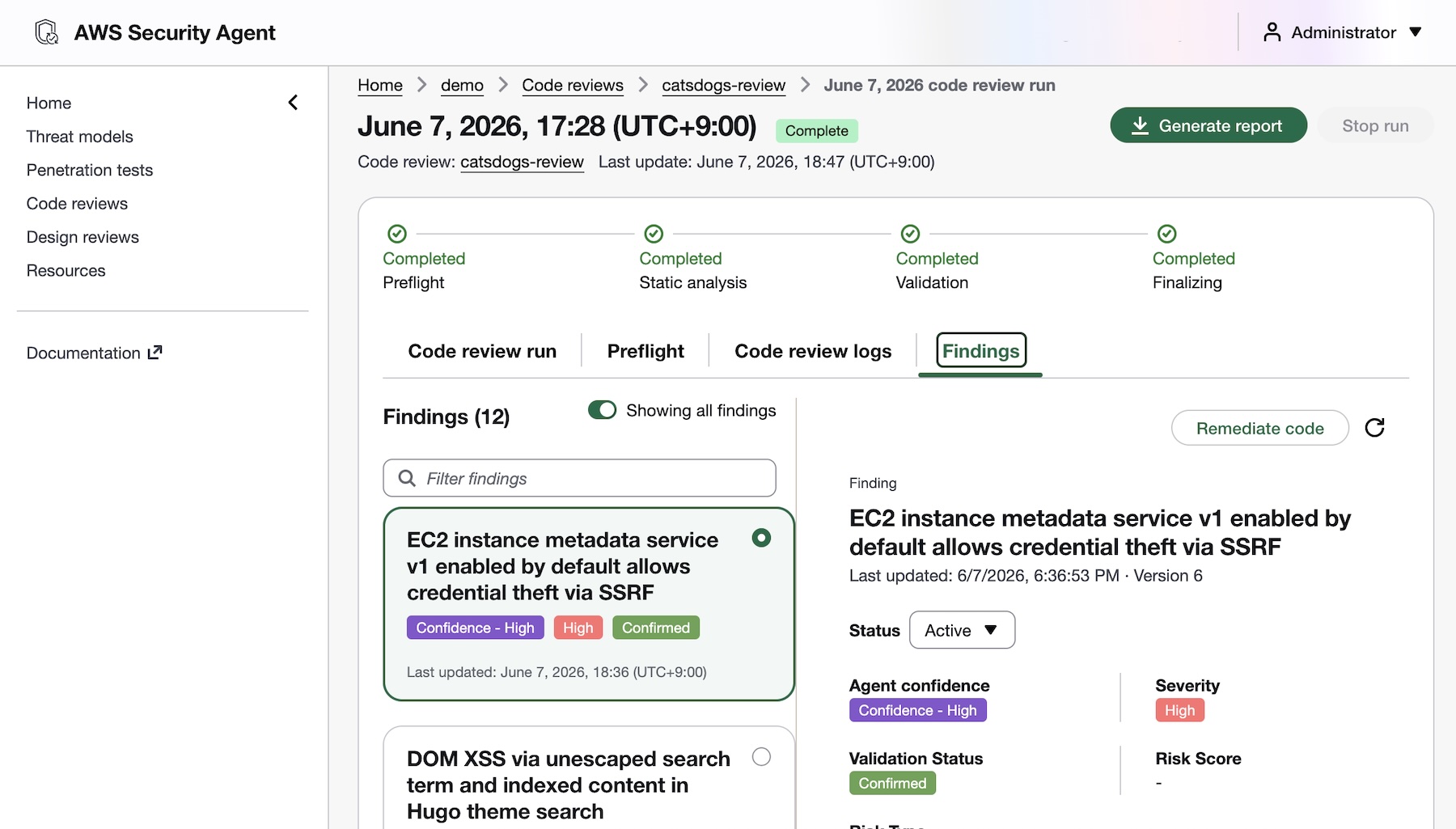
- Proof of Exploitability: When the agent identifies a vulnerability, it doesn’t just flag it; it attempts to validate it in a simulated environment. This drastically reduces "false positive fatigue"—a primary pain point for developers who are often inundated with low-priority alerts.
- Remediation at the Source: The agent provides actual fix commits. Developers are not just told, "You have an insecure SQL query"; they are presented with a Pull Request that patches the issue while maintaining the functional integrity of the code.
- Deployment Velocity: By embedding security expertise directly into the IDE via the Kiro power and Claude Code plugin, the agent removes the need for context-switching. Security checks happen in real-time as the developer types, preventing vulnerabilities from ever reaching the main branch.
Official Perspective: The "Agentic" Future
AWS’s strategy is clear: they are positioning the Security Agent as the "intelligent backbone" of the developer experience. By launching the Kiro Power for Security Agent and the Claude Code plugin, AWS is leaning into the "Agentic" movement.
"The goal is to eliminate the friction between security teams and developers," says Channy, a lead advocate for the project. "By allowing a developer to simply ask, ‘Run a full security scan on this repo’ or ‘Build a threat model for this application’ directly from their IDE, we are changing the culture. We are moving from a ‘policing’ model to an ’empowerment’ model."
The integration with the AWS Security Agent MCP (Model Context Protocol) server further signals that AWS is committed to an open ecosystem, allowing developers to plug the agent into their existing IDE tooling, whether they prefer VS Code, JetBrains, or other environments.
Implications: The Strategic Shift in DevSecOps
The implications of these developments for the enterprise are profound:
- Reduction in Security Debt: By identifying architectural flaws during the design phase and coding errors at the commit level, organizations can prevent the accumulation of "security debt" that eventually necessitates expensive, emergency refactoring.
- Democratization of Security Expertise: Not every developer is a security expert. The AWS Security Agent acts as a force multiplier, providing junior and senior engineers alike with the guidance of a seasoned security architect.
- Audit Readiness: In highly regulated industries—finance, healthcare, government—the ability to provide a machine-verified audit trail of security reviews and threat models is invaluable. The agent essentially "self-documents" the security posture of the software.
- The End of "Security Bottlenecks": The traditional security review process is often a bottleneck that delays production releases. By automating these reviews and validating them against compliance standards, AWS is enabling a model of continuous compliance where velocity and security are not mutually exclusive.
Getting Started and Future Outlook
The AWS Security Agent is available today in all commercial AWS Regions where the service has been deployed. For organizations looking to experiment, AWS is currently offering a two-month free trial, which is an ideal window for DevOps teams to integrate the agent into a non-production repository and observe its impact on their workflow.
As the platform matures, the roadmap suggests further integration with AI-driven incident response and automated patch management. With the launch of the Claude Code plugin, the barrier to entry has never been lower. Developers can now converse with their security policy as easily as they converse with their teammates.
In conclusion, the AWS Security Agent is not just another security tool; it is a manifestation of the future of engineering. By wrapping design, development, and deployment in a single, intelligent, and proactive layer, AWS is ensuring that the next generation of cloud-native applications will be "secure by design" and "resilient by default."
For more information on pricing, regional availability, or to read the technical documentation, visit the official AWS Security Agent portal.