Streamlining the Library: A Deep Dive into the Latest itch.io App Updates
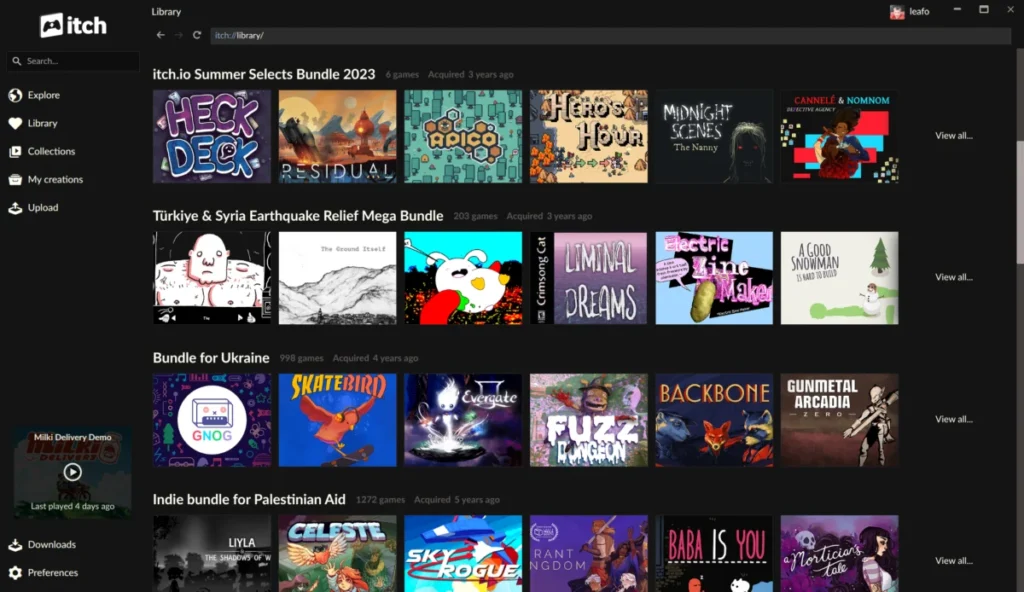
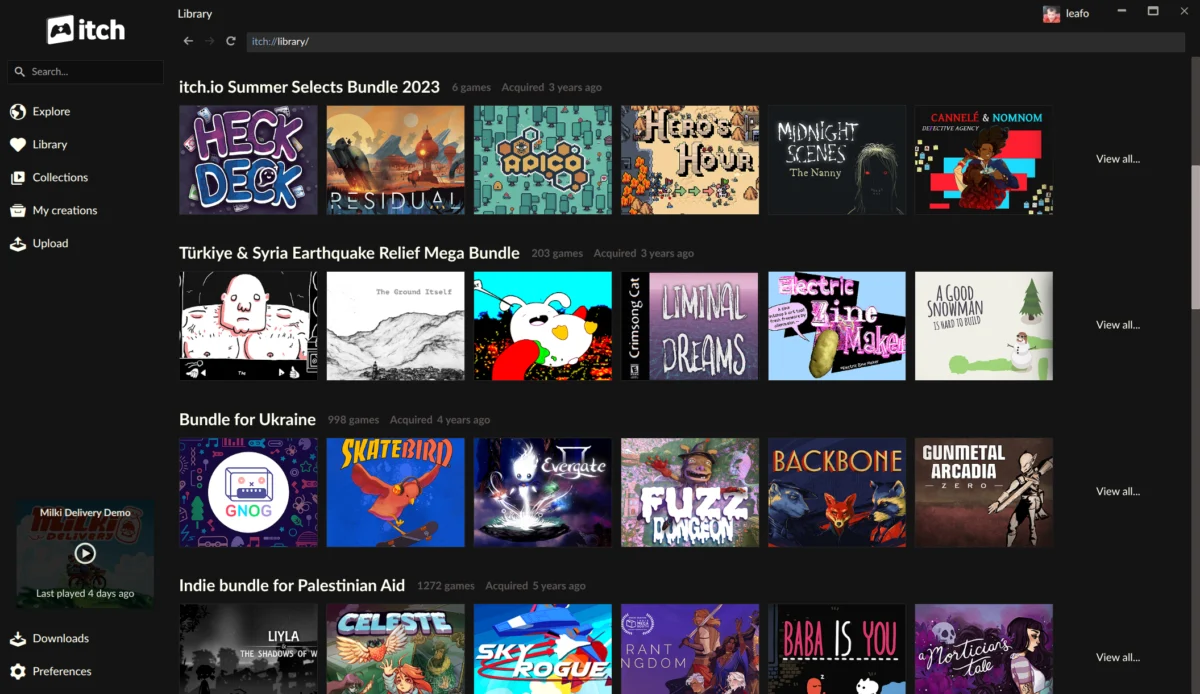
The digital storefront and independent game haven, itch.io, has rolled out a series of significant updates to its desktop application, marking a pivotal shift in how users manage their expansive game libraries. With the deployment of versions v26.15.0 and v26.17.0, the platform has addressed long-standing community feedback, focusing on usability, customizability, and the integration of massive content bundles. These updates represent the most substantial quality-of-life improvements to the itch.io app in recent history, transforming it from a simple downloader into a robust game management suite.
However, the rollout was not without its complications. Following the deployment of these updates, some users—particularly those on macOS—reported critical stability issues. In response, the development team acted swiftly to release hotfix v26.18.0 to resolve the instability. This article examines the technological hurdles, the new feature set, and the broader implications for the itch.io ecosystem.
Chronology of the Release and Troubleshooting
The update cycle for the itch.io app this month was aggressive, aiming to tackle a backlog of user-requested features. The process began with the release of v26.15.0, followed shortly by v26.17.0, which solidified the new architecture for bundle handling and launch configurations.
As with any major software deployment, edge cases emerged. Shortly after the update went live, reports flooded the community forums regarding the application failing to launch on macOS systems. The issue manifested as a persistent "crash loop," where the application would close unexpectedly immediately upon startup. The development team, led by founder Leaf Corcoran, engaged directly with the user base to diagnose the problem. By identifying a regression in the macOS environment handling, they were able to push hotfix v26.18.0 within a short window. Users caught in this cycle were advised to perform a clean reinstallation using the primary setup program to clear the corrupted state.
Supporting Data: The Scale of itch.io Bundles
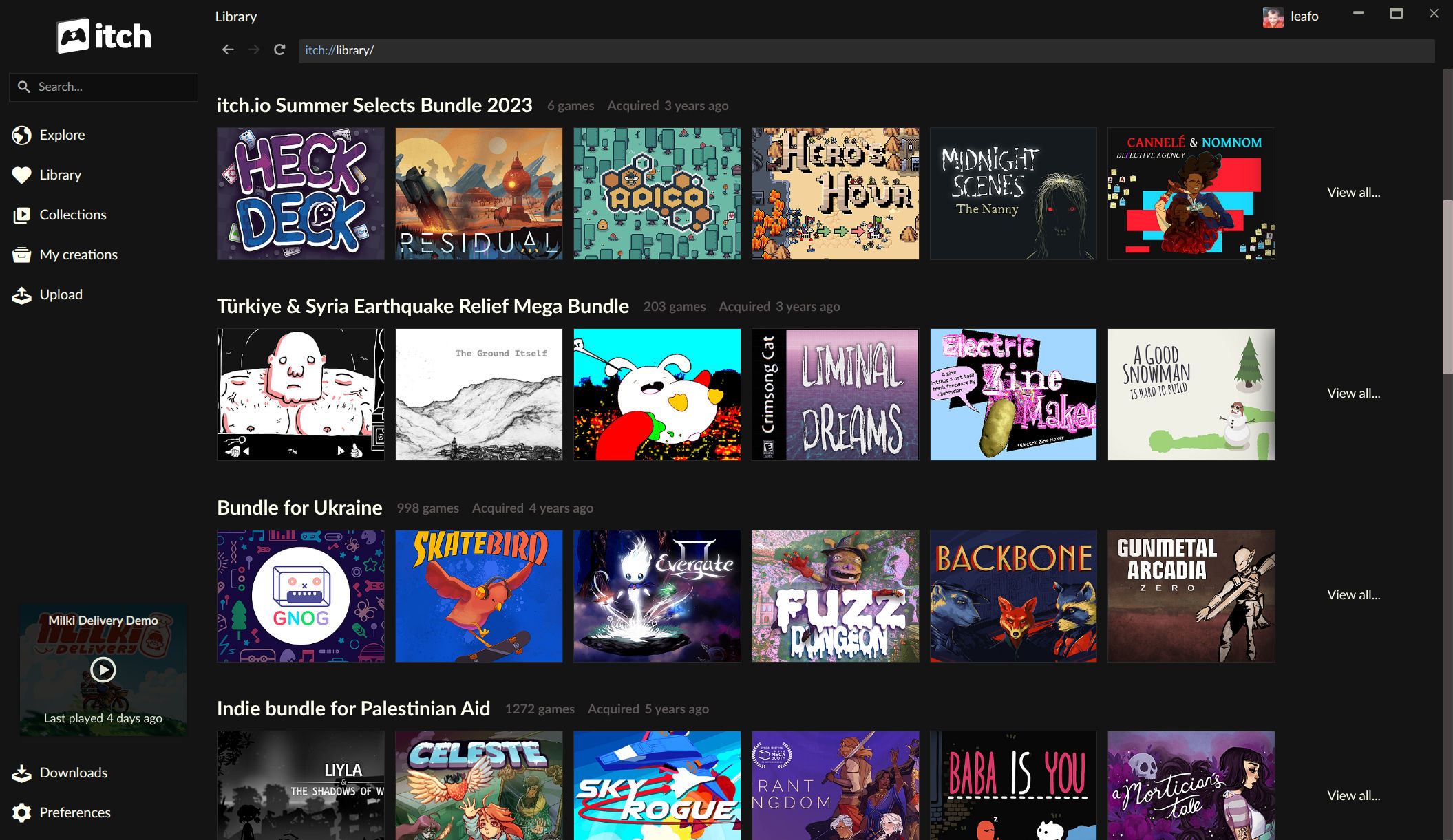
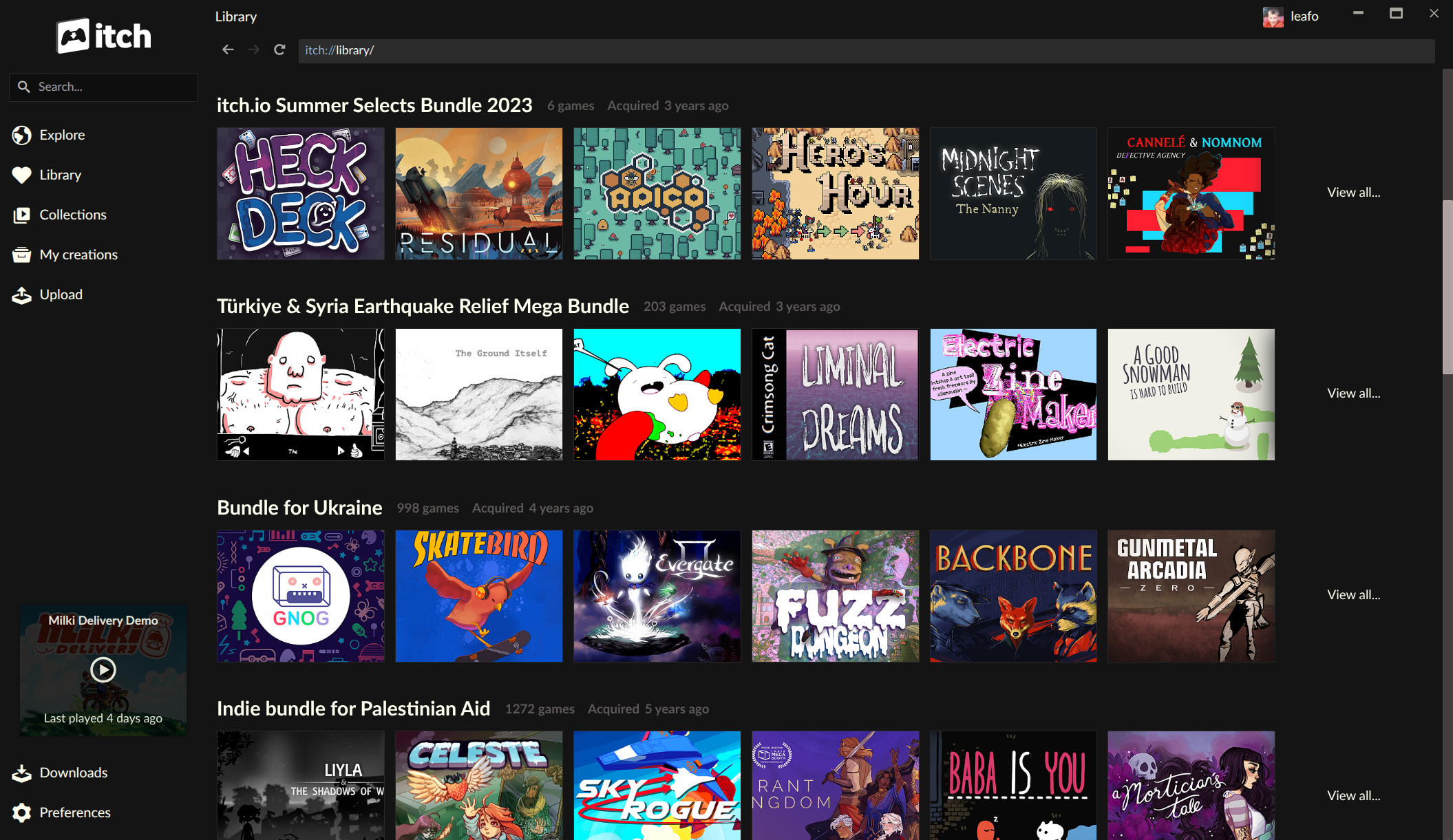
To understand why the new bundle integration is such a significant technical achievement, one must look at the sheer scale of the data involved. The itch.io platform is famous for its massive, charity-driven bundles. The Bundle for Racial Justice and Equality, for instance, featured 1,741 individual items and saw over 800,000 purchasers. Similarly, the Bundle for Ukraine contained nearly 1,000 items and was acquired by 400,000 users.
From a database management perspective, these numbers are staggering. If the platform had generated individual download keys for every single game for every single purchaser at the time of sale, the database would have required over a billion individual rows just for the Racial Justice bundle. To avoid this, itch.io utilized a "lazy-loading" approach: a single record of bundle ownership was stored, and individual game keys were only generated when the user actively claimed them on the website.
Previously, this architecture created a hurdle for the desktop app. Because the app relied on individual game keys to populate a user’s library, the thousands of games within these massive bundles remained invisible to the app until the user manually claimed them through a web browser. The new update fundamentally changes this. The app now recognizes bundle ownership natively, allowing the software to query the bundle contents directly. This effectively unlocks vast swathes of content that were previously buried behind web-based claiming processes, significantly increasing the utility of the desktop client for "power users" who own thousands of games.
Enhanced User Control: Launch Settings and Cross-Platform Access
One of the most requested features by the enthusiast community was greater control over how games launch. Previously, the itch.io app offered limited flexibility, which often hindered users who needed to run games via compatibility layers (such as Wine or Proton) or those who needed to pass specific flags to a game’s executable.
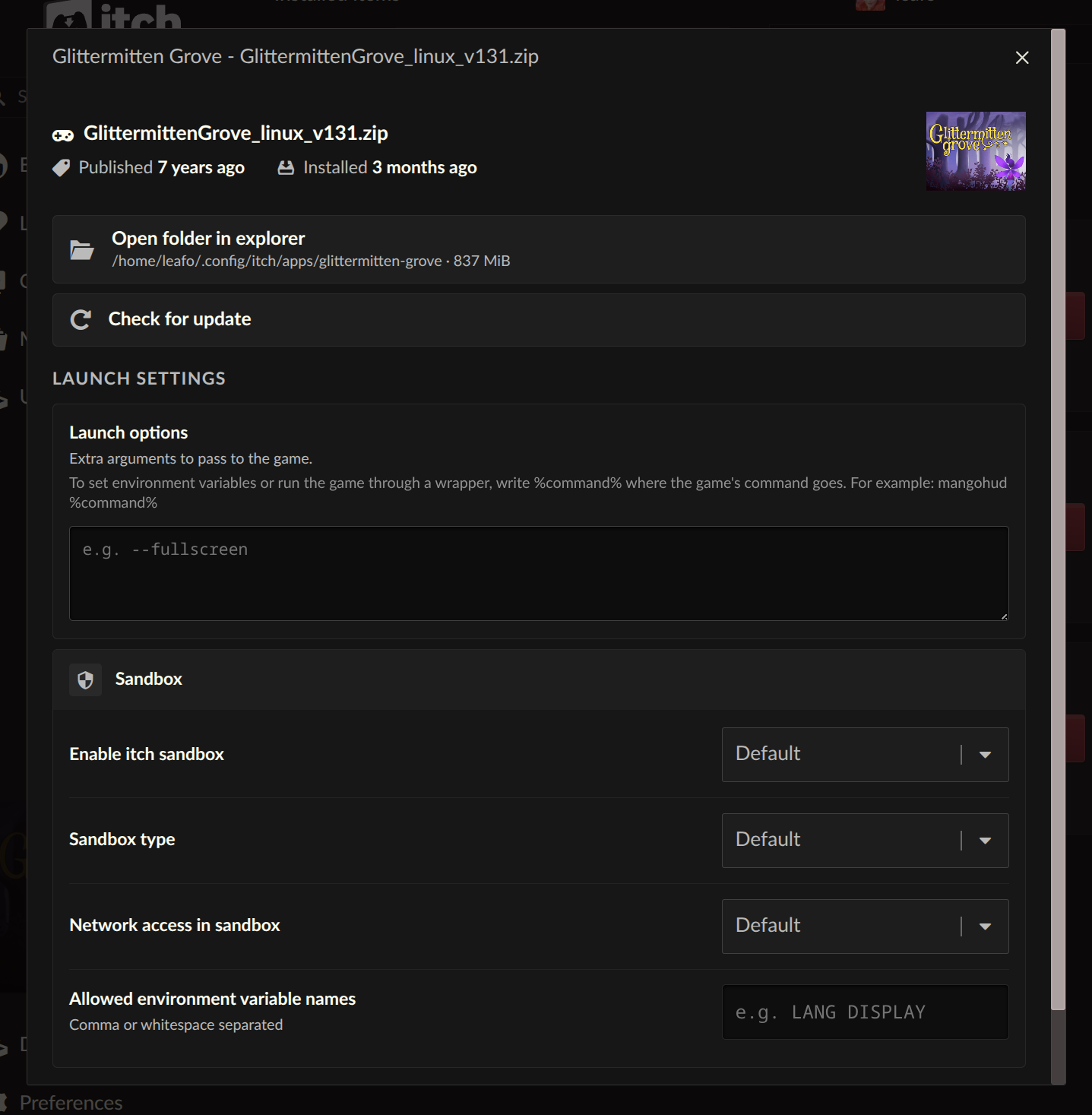
The new "Launch settings" area, accessible via the game management dialog, provides a granular interface for configuration. Users can now set sandbox restrictions, manage network access, and define specific environment variables on a per-game basis. Furthermore, the introduction of a "Command pattern" option is a game-changer for Linux and power-user enthusiasts. By using the %command% pattern, users can now wrap the game launch in custom shell scripts or debugging tools. This allows for seamless integration with third-party performance monitors or compatibility wrappers, bringing the itch.io app closer to the flexibility found in larger, more established platforms.
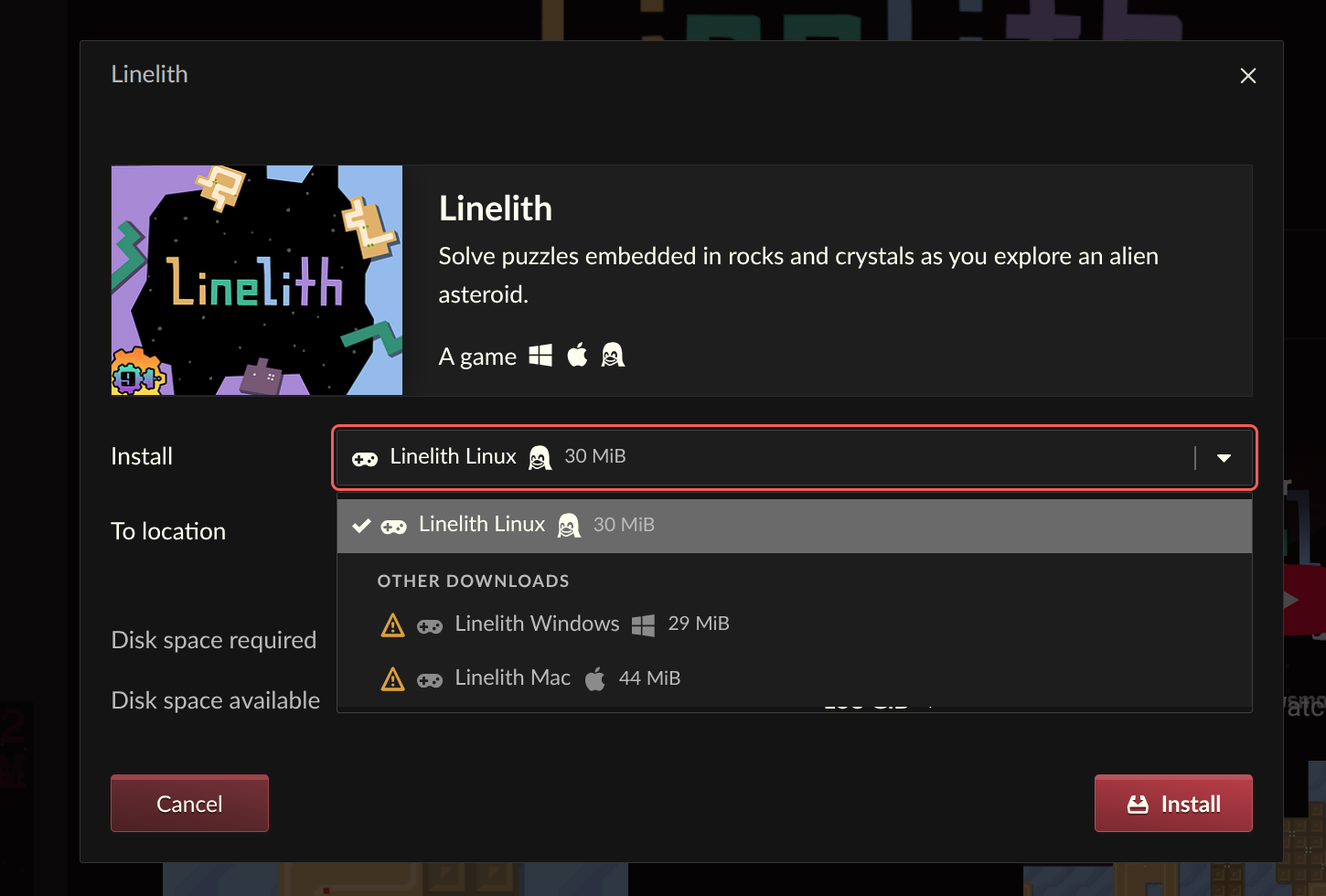
In addition to launch settings, the team has removed the "platform-gating" that previously prevented users from downloading files not explicitly tagged for their operating system. This is a crucial update for users who prefer to use compatibility tools on Linux to play Windows-only titles. By allowing the app to reveal all available downloads, developers and power users gain the freedom to experiment with software in ways that were previously blocked by automated detection scripts.
The Revamped Sidebar and Interface
The search functionality of the itch.io app had long been a point of contention. The previous implementation utilized the site’s API-based autocomplete, which often returned results in an order that felt disconnected from the user’s actual library. The team acknowledged that autocomplete is ideal for finding items already owned, but it is insufficient for broad discovery.
The new sidebar search has been completely overhauled to favor a more intuitive, library-centric experience. The design shift emphasizes the distinction between items already in the user’s possession and items available on the broader store. This separation prevents the "clutter" that users experienced when trying to search their own library, ensuring that the results are relevant to the user’s actual collection.
Official Responses and Community Feedback
The community reaction has been largely positive, though the initial macOS stability issues served as a stark reminder of the complexities of cross-platform software. In the official updates section, staff responded to concerns regarding why certain bundles were not appearing for some users.
"We pushed out a hotfix v26.18.0 to address a MacOS crashing issue," stated the development team, advising affected users to perform a clean install. This transparency, combined with the quick turnaround, helped to mitigate the frustration of the affected macOS user base. Users on the community forums, such as slitherpunk, expressed relief at the new features, noting that the ability to download platform-untagged games and the organized bundle separation significantly improved their daily workflow.
Implications for the Future of itch.io
These updates signal that itch.io is moving toward a more mature, robust desktop experience. By prioritizing the "heavy user"—someone who owns thousands of games through bundles—the platform is acknowledging that its users are not just casual players but collectors and curators.
The shift toward bundle-native management suggests that itch.io intends to continue its role as a premier host for large-scale digital distribution. As the library of indie games continues to grow, the app’s ability to handle massive, complex collections will be the deciding factor in whether it becomes a central hub for independent gaming.
Furthermore, the focus on technical launch arguments suggests a willingness to cater to the "prosumer" demographic. In an industry where major launchers are often criticized for being overly restrictive or proprietary, itch.io’s move toward open-ended command patterns and platform-agnostic downloads reinforces its commitment to the independent spirit of PC gaming.
As the platform continues to refine these tools, the expectation is that the app will move further away from its origins as a basic installation tool and toward a more sophisticated game management ecosystem. For now, users can take advantage of the increased library visibility and the newfound freedom to configure their games as they see fit. With these updates, itch.io has successfully closed a significant gap in its feature set, solidifying its position as a vital tool for indie game enthusiasts worldwide.