The FOSS Weekly Digest: Switzerland’s Migration, Omarchy’s Rise, and the Shifting Landscape of Open Source
The open-source ecosystem is currently experiencing a period of profound transformation. From national governments abandoning proprietary software suites to the meteoric, albeit controversial, rise of new foundations, the community is navigating a complex intersection of geopolitics, innovation, and corporate influence. This week’s dispatch covers the critical developments shaping the future of free and open-source software (FOSS).
1. National Sovereignty: Switzerland’s Departure from Microsoft
In a landmark decision that echoes the growing trend of digital sovereignty, the Swiss Federal Chancellery has officially initiated a pilot program to transition 3,000 workstations away from the Microsoft 365 ecosystem.

The Strategic Shift
While the federal administration manages a massive fleet of over 54,000 computers, this pilot phase is a significant "proof of concept." By moving a substantial portion of its workforce to open-source alternatives, Switzerland aims to reduce vendor lock-in, enhance data security, and maintain greater control over its internal digital infrastructure. This move is part of a broader European trend where governments are increasingly viewing reliance on US-based proprietary cloud suites as a potential strategic liability.
Implications for Public Administration
The transition involves more than just changing software; it requires retraining staff and ensuring compatibility with existing public sector workflows. If successful, the pilot is expected to pave the way for a gradual, wider-scale migration, potentially influencing other European nations currently debating their own digital independence.

2. The Omarchy Phenomenon: Funding, Growth, and Contention
Perhaps the most polarizing topic in the open-source community today is the rapid expansion of Omarchy. With over $13 million in funding and the vocal backing of high-profile industry figures like DHH, the project has become an "unstoppable force" that refuses to be ignored.
The Financial Engine
The project’s momentum was further bolstered this week by a $3 million donation from DigitalOcean, which has officially joined the Omacom Foundation as a founding corporate patron. This influx of capital has allowed Omarchy to accelerate its development cycle, particularly in the integration of native AI features.

The Philosophical Divide
The controversy surrounding Omarchy stems from two distinct factors: the project’s aggressive integration of AI and the personal stances of its leadership. Critics argue that the project prioritizes growth over community consensus, while proponents maintain that the focus on modern, AI-driven workflows is exactly what the Linux desktop needs to remain competitive in a landscape dominated by Windows and macOS.
A New Tool in the Arsenal: Barney
In response to the shifting landscape, Ikey Doherty—the legendary creator of Solus and AerynOS—has emerged from retirement. His new project, Barney, is a Rust-based tool designed to facilitate the building of Linux distributions from source. Named after his son, Barney represents a return to "first principles" for many in the community, providing a robust, transparent alternative for developers who are wary of the direction taken by larger, corporate-funded entities.

3. Firefox Nova and the Browser Wars
After months of anticipation following the March 2026 leaks, the Firefox Nova redesign is finally slated for a general release in Firefox 157 on September 29.
The Evolution of Design
Initial mockups released in the spring drew criticism for being overly aggressive. However, the final version arriving to users is a more refined, iterative update. The design language aims to streamline the browser interface while maintaining the core functionality that power users expect. This release is a critical moment for Mozilla as it attempts to balance the need for a modern, accessible interface with the "Firefox feel" that has cultivated a loyal user base for decades.

4. Hardware Performance: Fedora vs. Windows 11
The debate over whether Linux can truly outperform Windows in real-world scenarios has been put to the test. In a controlled experiment conducted by PhoneBuff, two identical Dell XPS 13 units—one running Windows 11 and the other running Fedora—were pitted against each other.
The Methodology and Results
The test utilized identical hardware and simulated real-world user tasks, such as opening applications, file manipulation, and multitasking. The results were telling: Fedora outperformed Windows in six out of eleven categories, while Windows claimed victory in only one. The remaining tests resulted in a draw. This data serves as a strong rebuttal to the persistent myth that Linux is inherently less efficient on modern consumer hardware, suggesting instead that the "bloat" often associated with proprietary OS environments significantly impacts performance.
5. Ecosystem Updates: Bottles, KDE, and Nitter
The broader FOSS ecosystem continues to see incremental but vital improvements:
- Bottles: The application, which simplifies running Windows software on Linux, has introduced an experimental ARM64 build. Currently distributed via cpak, this represents a major leap forward for Linux users on ARM-based hardware, such as the latest generation of laptops.
- KDE and the "Photos" Initiative: The KDE community is currently debating the replacement of the long-standing image viewer, Gwenview, with a new project simply called Photos. The proposal promises better mobile integration, improved performance, and a suite of features that align better with the current KDE Plasma design philosophy.
- The Return of Nitter: Following a brief shutdown triggered by a cease-and-desist letter from X Corp (formerly Twitter), the Nitter project has successfully returned. After seeking legal counsel, the developers have reinstated at least one major instance, proving that open-source tools designed to preserve user privacy and access to the web remain resilient in the face of corporate pressure.
6. Linux Education and Skill Development
For those looking to deepen their technical proficiency, this week’s resources offer a wealth of knowledge:

Mastering the PPA Ecosystem
While Snaps and Flatpaks have changed the distribution landscape, Personal Package Archives (PPAs) remain a fundamental part of the Ubuntu experience. A comprehensive new guide has been released to demystify PPA management, covering everything from security best practices to troubleshooting dependency issues.
The Power of Customization
Linux’s greatest strength is its modularity. For power users, Flyline—a Rust-powered replacement for GNU Readline—is making waves. By bringing intelligent suggestions, fuzzy search, and syntax highlighting to the Bash shell, it transforms the command-line interface into a truly modern development environment. Similarly, the recommendation to explore NixOS highlights a shift toward immutable operating systems, providing a stable, reproducible environment that is becoming increasingly popular among systems administrators and developers.
7. Homelab, NAS, and Multimedia
The "AI, Homelab and Hardware" sector continues to evolve:
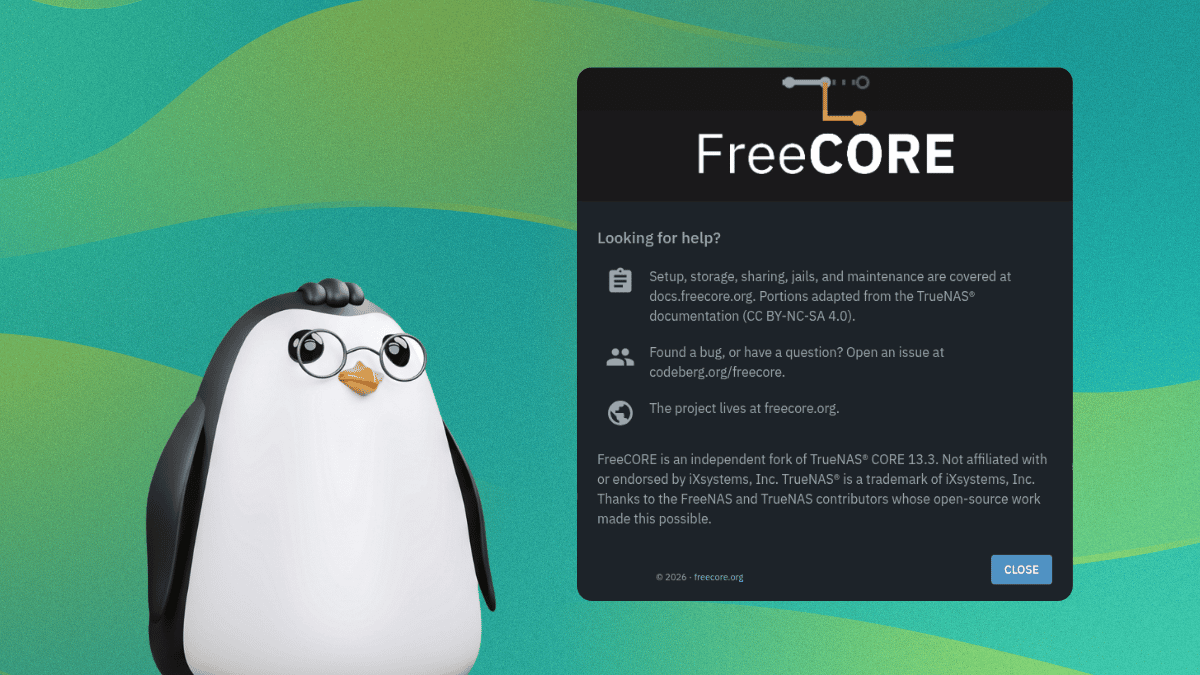
- FreeCORE: For users who are hesitant to move away from the FreeBSD-based ecosystem, FreeCORE has emerged as a compelling fork for those currently stuck on TrueNAS CORE. It ensures that the FreeBSD, OpenZFS, and Jails architecture remains viable and updated.
- Jellyfin 12.0: The popular media server software has overhauled its versioning system, jumping from 10.11 to 12.0. This major release introduces significant improvements to metadata handling for books and comics, as well as more intelligent music recommendations that leverage ListenBrainz data, reducing reliance on manual tagging.
8. Historical Context: The First "Bug"
As we innovate, it is worth remembering the origins of our terminology. On September 9, 1947, engineers working on the Harvard Mark II computer encountered a persistent malfunction. Upon investigation, they found a literal moth trapped in Relay #70. They taped the insect into the logbook, marking the first recorded instance of an "actual computer bug." This serves as a reminder that even in the most advanced computational eras, the most complex systems can still be brought to a halt by the simplest of interruptions.

Conclusion: The Path Forward
The landscape of FOSS in late 2026 is defined by a tension between the need for massive, corporate-backed growth (as seen with Omarchy) and the preservation of decentralized, community-driven development (as evidenced by the return of Nitter and the creation of tools like Barney).
As Switzerland moves toward independence from proprietary giants and users continue to find that open-source alternatives like Fedora can outperform industry standards, it is clear that the community is not just surviving—it is maturing. Whether through the adoption of immutable systems like NixOS or the integration of privacy-first tools, the future of computing remains firmly rooted in the principles of transparency and user empowerment.