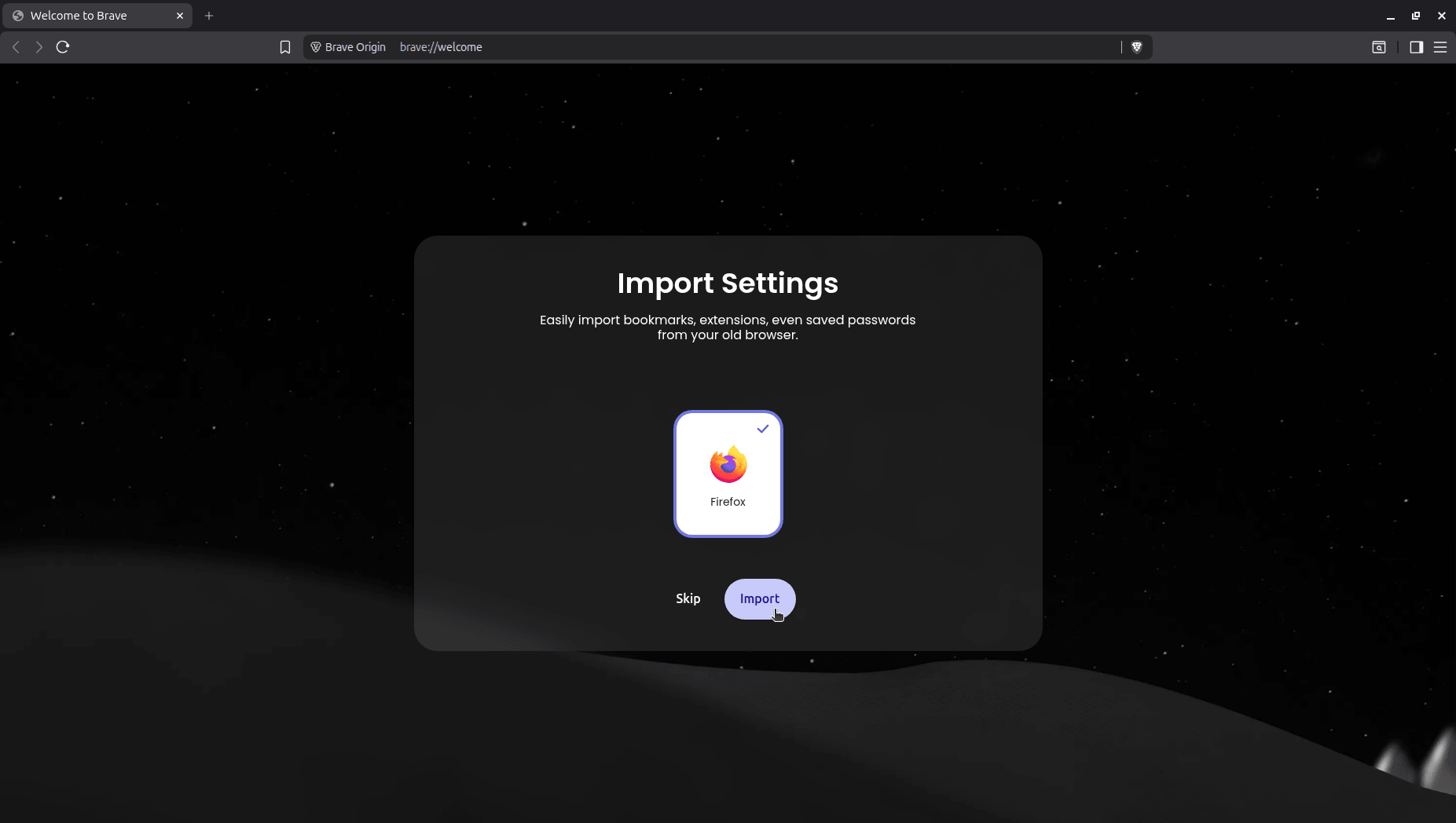
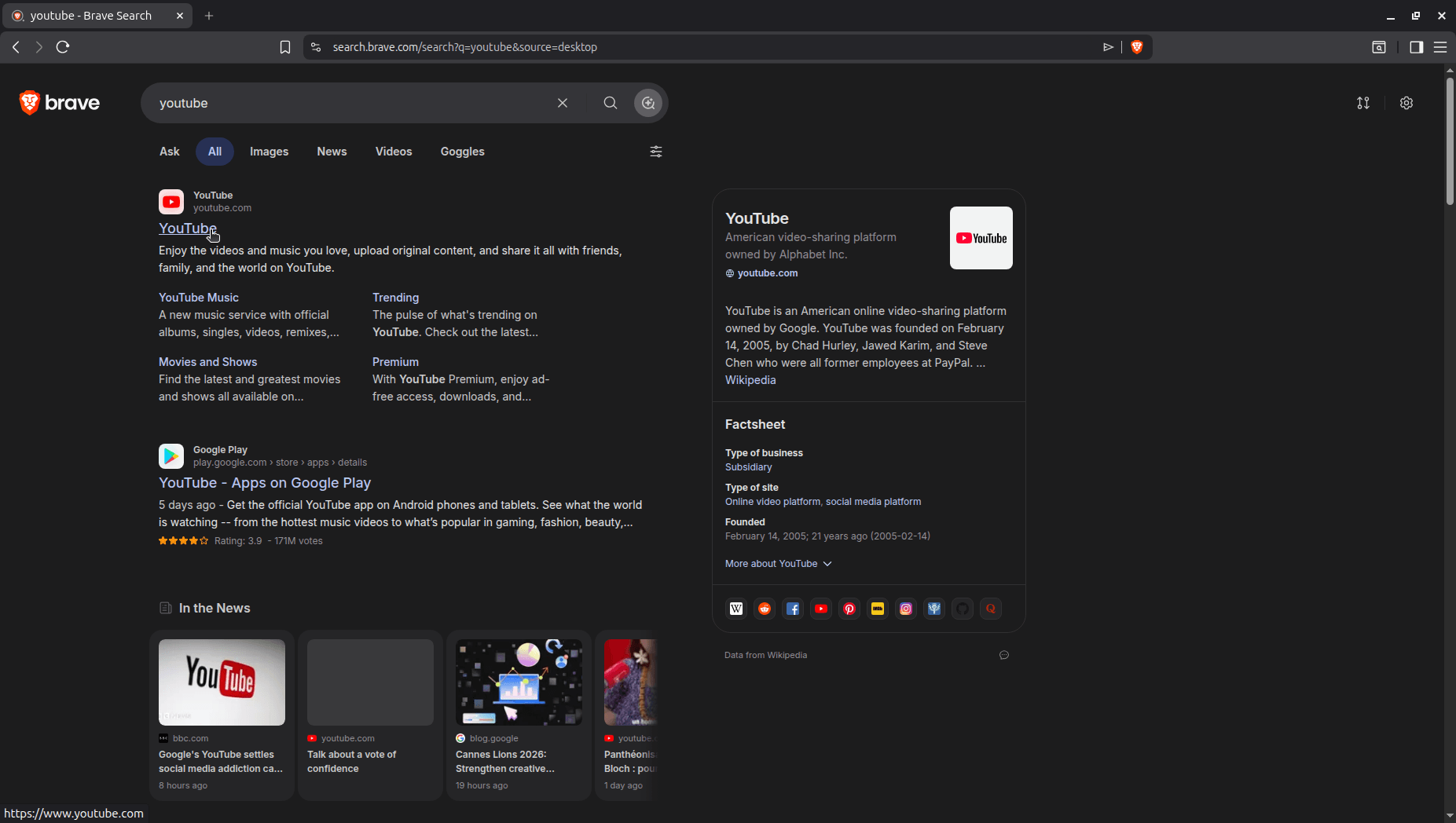
In an era where web browsers have increasingly transformed into bloated digital suites—complete with integrated AI assistants, complex cryptocurrency wallets, VPN subscriptions, and social media-style news feeds—Brave has introduced a radical departure from its own established path. The company has officially launched Brave Origin, a "stripped-down" iteration of its flagship browser designed specifically for users who prioritize performance, privacy, and minimalism over the convenience of bundled web services.
By excising the non-essential components that have become synonymous with the modern Brave experience, the developers are attempting to recapture the purity of the browser’s original mission: an ad-free, tracker-free web experience that stays out of the user’s way.
Main Facts: The Origin Philosophy
At its core, Brave Origin is a surgical reduction of the standard Brave Browser. While the primary browser aims to be an "all-in-one" hub for the modern internet user, Origin is built for the purist. It systematically removes the following features:
Leo AI: The browser’s integrated generative artificial intelligence assistant.
Crypto Ecosystem: The native crypto wallet and associated Web3 domain support.
Brave Rewards: The ecosystem that includes ad-viewing incentives and the integrated rewards program.
Integrated Services: Third-party VPN offerings, the "Talk" video conferencing tool, and built-in news aggregation.
Despite these exclusions, Brave Origin maintains the fundamental DNA that made the original browser a success. It retains the industry-leading Brave Shields, which continue to block invasive trackers, fingerprinting attempts, and intrusive advertising by default. Crucially, the browser remains a Chromium-based product, meaning users still receive regular security patches, performance optimizations, and the high compatibility standards associated with the Chromium engine.
The Cost of Simplicity
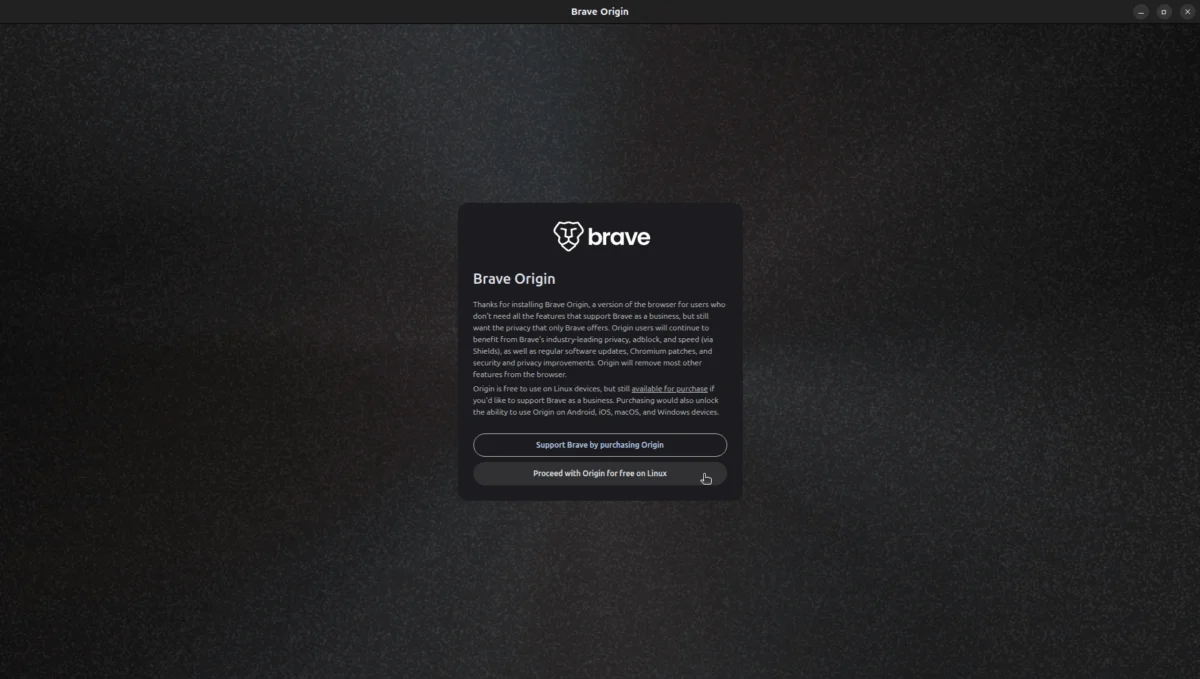
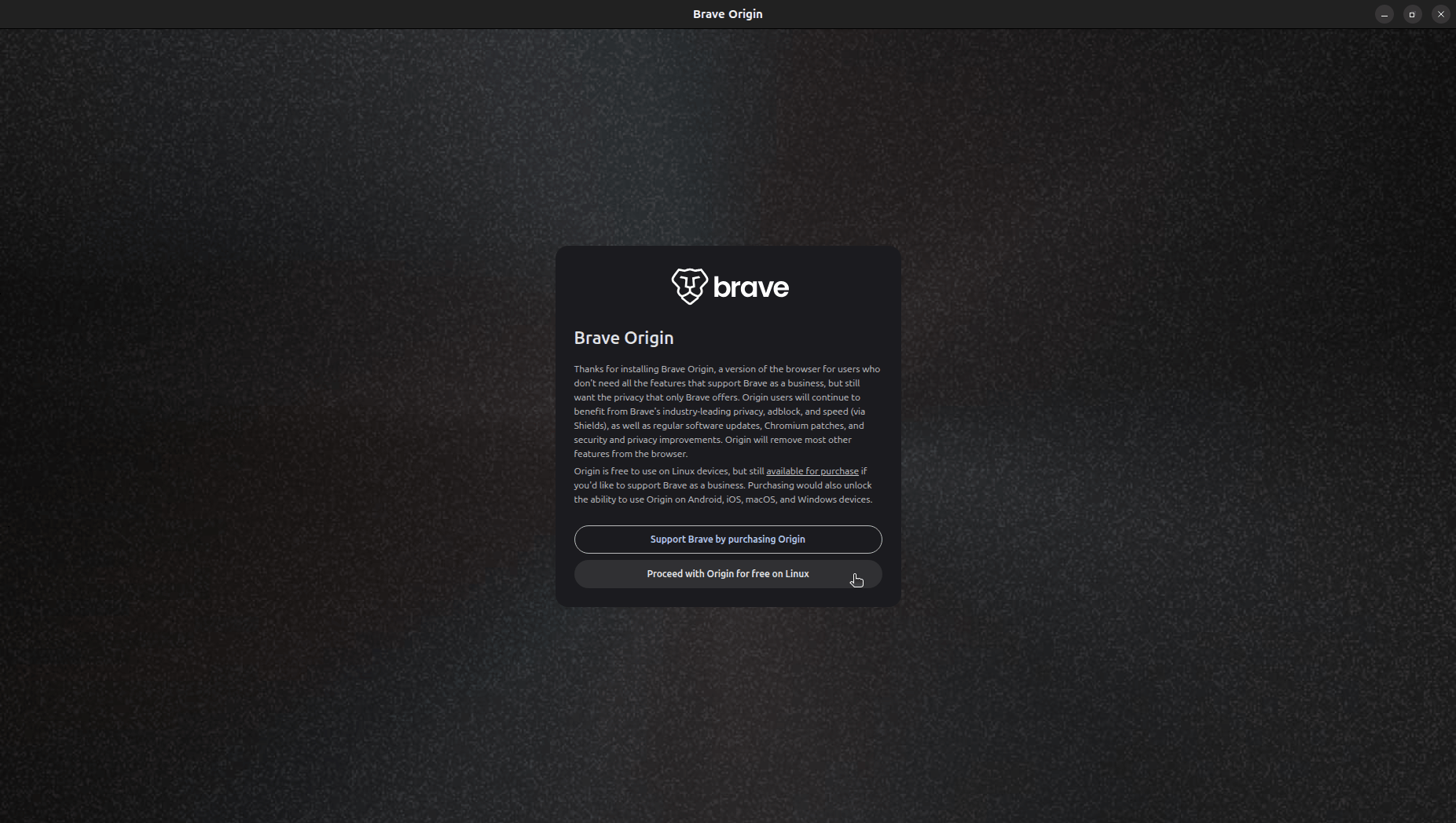
One of the most interesting aspects of the launch is the pricing model. For users on Windows, macOS, Android, and iOS, Brave Origin is positioned as a premium, "pro-minimalist" tool, carrying a one-time license fee of $59.99. However, in a significant nod to the open-source community, Brave Origin is entirely free for Linux users. This reflects Brave’s ongoing commitment to the Linux ecosystem, allowing power users and developers to adopt a "clean" browser environment without a financial barrier.
Chronology: From Feature-Rich to Foundational
The development of Brave Origin did not happen in a vacuum. It represents the culmination of years of user feedback.
The Rise of "Bloat": Since its inception, the Brave Browser expanded its feature set to compete with the likes of Opera and Vivaldi, seeking to build a sustainable revenue model through financial services and AI. While successful in growth, this led to a segment of the user base complaining that the browser felt increasingly cluttered.
Early 2026 – The Development Phase: Brave engineers began experimenting with build configurations that allowed for the "compiling out" of non-core features. This was not merely a settings toggle, but an architectural change to ensure the binary size and memory footprint were reduced.
June 2026 – Official Announcement: Brave publicly announced the "Origin" project, framing it as a direct response to users who wanted the "Brave experience" without the "Brave fluff."
Post-Launch Adoption: Within weeks of the announcement, the browser saw significant traction in the Linux community, with the availability of APT, DNF, and AUR packages, signaling that the target audience—system administrators and developers—was ready to switch.
Supporting Data: Performance and Usability
To understand if the "stripped-down" nature of Origin actually translates into tangible benefits, we must look at how it performs under load.
Benchmarking Responsiveness
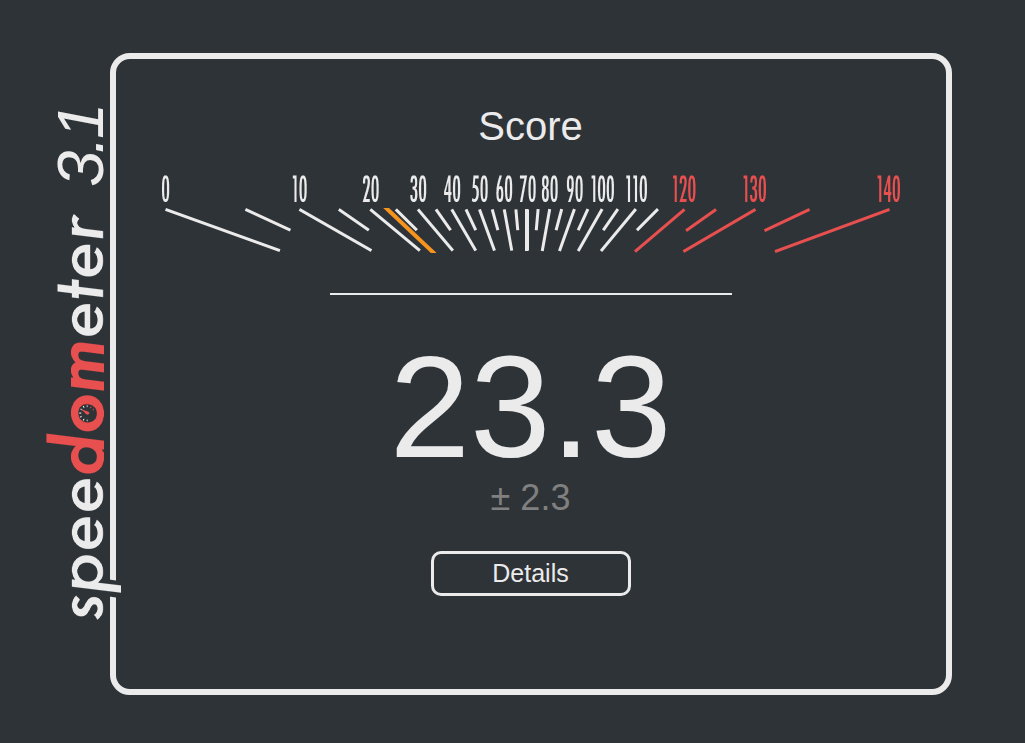
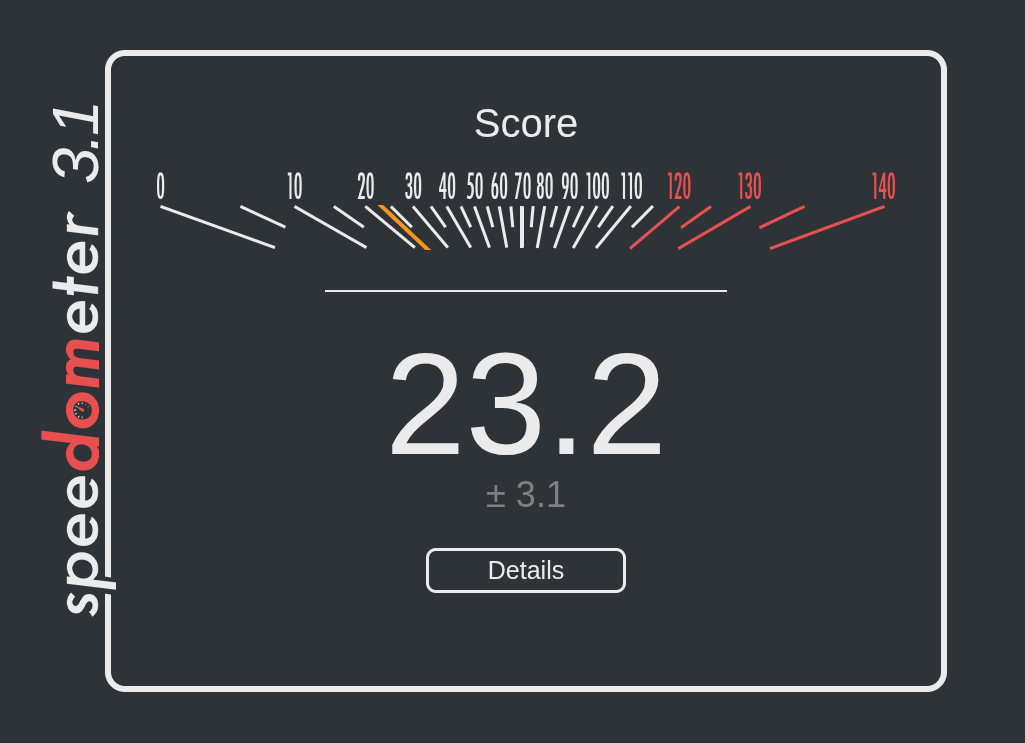
In recent tests using the Speedometer 3.1 benchmark, a clean install of Brave Origin on an Ubuntu 26.04 LTS virtual machine achieved a score of 23.3. When compared to a highly customized Vivaldi installation on a bare-metal Fedora machine (which scored 23.2), the results are effectively a tie.
While critics might argue that this proves Origin is not necessarily "faster" in terms of raw JavaScript execution, it is important to note the environment. The "lightness" of a browser is rarely found in raw compute speed; it is found in RAM consumption, background process count, and startup latency. By removing the background services associated with the crypto wallet and the Leo AI engine, Origin significantly reduces the idle memory footprint, a benefit that is most noticeable on machines with limited hardware resources or older processors.
The Shields Advantage
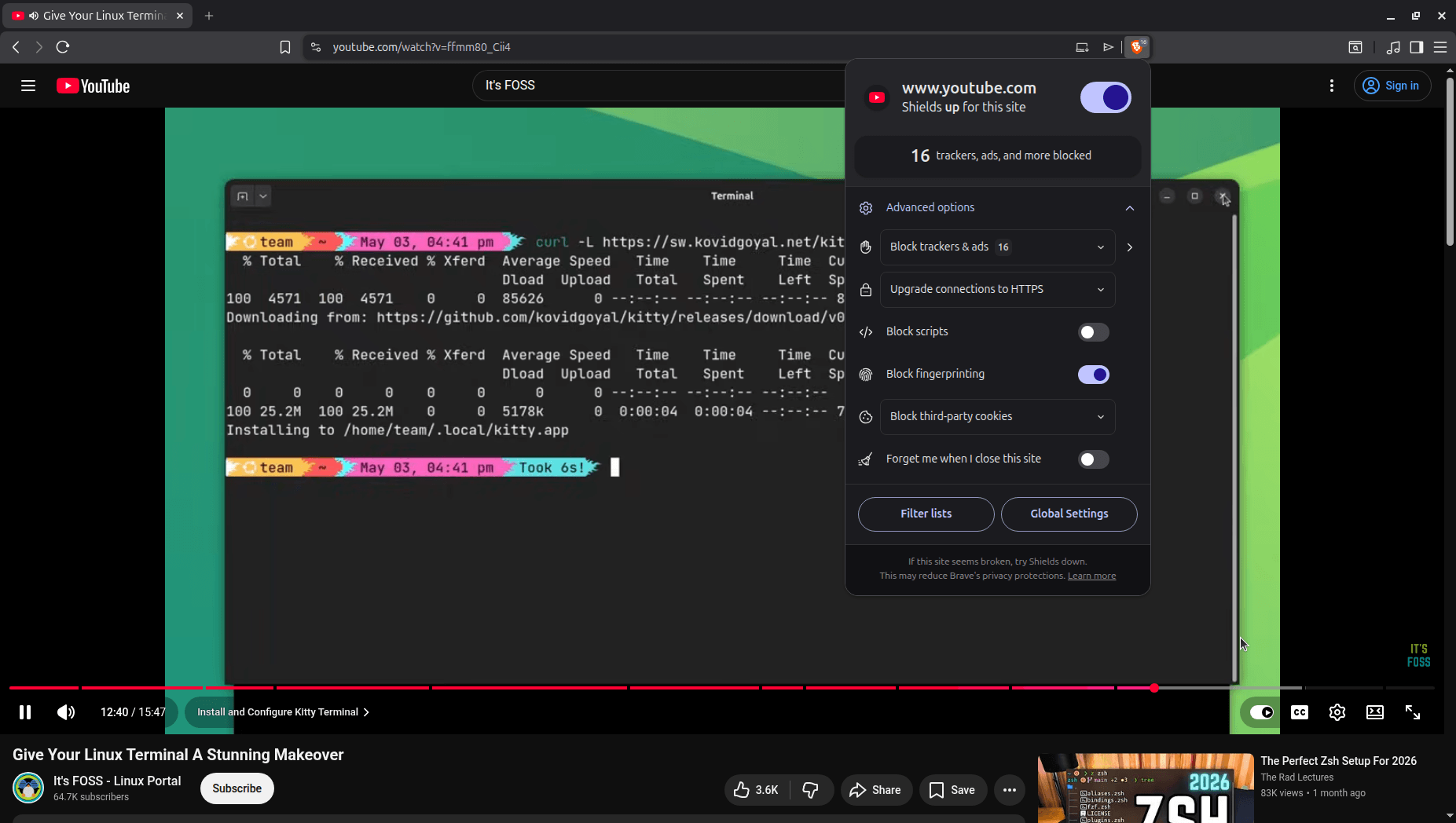
During real-world testing, Brave Shields performed with the same efficacy as the flagship version. Browsing media-heavy sites like YouTube, the browser successfully identified and blocked 16 unique trackers and ad-scripts on a single page load. Because the browser does not have to manage the overhead of the "Rewards" or "VPN" services, the interaction between the Shields and the webpage rendering feels remarkably responsive.
Official Responses: Why Did Brave Do This?
Brave’s official stance, as articulated in their launch documentation, emphasizes user autonomy.
"We built Brave Origin in response to requests from users who wanted to support Brave’s industry-leading work on Web privacy and open-source adblocking, without having to manage or remove features they weren’t interested in using."
This is a strategic pivot. By creating a paid version for non-Linux platforms, Brave is testing a "productivity software" business model. They are betting that there is a significant market of professionals who value a distraction-free environment and are willing to pay for it, similar to how one might purchase a specialized text editor or a premium development tool.
Furthermore, by keeping it free for Linux, they ensure that they maintain the goodwill of the open-source community—a demographic that is historically averse to "bloatware" and proprietary add-ons.
Implications: The Future of Browser Personalization
The release of Brave Origin has broader implications for the browser market.
1. The Death of the "One-Size-Fits-All" Browser
For years, the industry trend has been toward consolidation—adding more features to keep users inside the browser ecosystem. Brave Origin challenges this by suggesting that "less is more." If successful, we may see other vendors offer "Lite" or "Professional" versions of their browsers that remove the clutter in exchange for a fee.
2. A Boon for Linux Desktop Adoption
The decision to make Origin free for Linux is a major win for the platform. It provides Linux users with a high-performance, privacy-first browser that is officially supported and optimized for the OS, without the user having to "fight" the browser’s own bundled features. It signals that Brave continues to view Linux as a first-class citizen, despite the lack of direct revenue from that specific user base.
3. Modularity vs. Bloat
Technically, Brave Origin proves that browsers can be modular. Because it is built from the same brave-core repository as the main browser, it demonstrates that it is entirely possible to maintain a complex codebase while allowing for different "flavors." This could lead to a more modular future for Chromium-based projects, where users can select the features they want during the installation process.
4. The Privacy-as-a-Service Model
By charging $59.99 for a license on Windows and macOS, Brave is effectively commercializing "peace of mind." It is a shift away from the ad-supported revenue model that has dominated the browser industry for two decades. It suggests that if you want a clean, professional-grade tool that respects your data and doesn’t try to sell you crypto, you should be willing to pay for the development time required to build it.
Conclusion
Brave Origin is not a revolutionary new browser engine; it is an exercise in restraint. It is a refined, focused, and efficient iteration of a familiar tool. For the average user who enjoys the perks of the Brave Rewards program or the convenience of the Leo AI, the standard Brave Browser remains the superior choice.
However, for the user who demands that their browser serve only one purpose—displaying the web as quickly and privately as possible—Brave Origin is a breath of fresh air. By removing the noise, Brave has managed to elevate the signal, proving that in a world of feature-bloat, sometimes the most powerful update is the one that removes the most. Whether you are a Linux power user looking for a streamlined daily driver or a professional willing to pay for a distraction-free workspace, Brave Origin offers a compelling, sophisticated alternative to the status quo.