The End of the "Disposable" Stylus: How EU Regulations Are Forcing a Redesign of the Apple Pencil
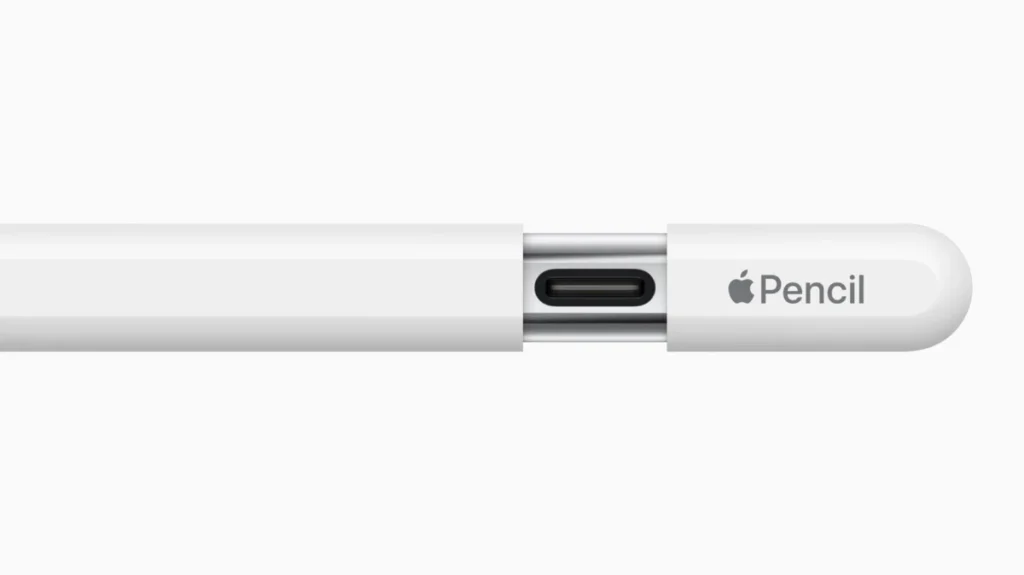
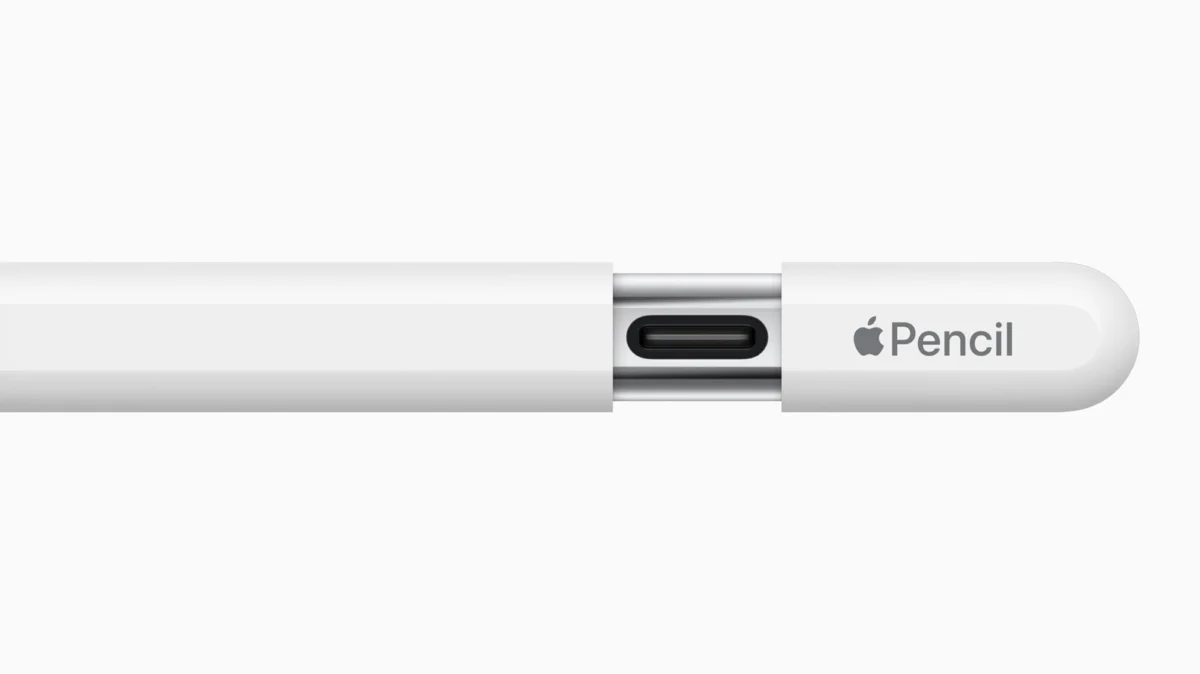
The era of the "disposable" high-end stylus may finally be drawing to a close. For years, Apple’s suite of professional-grade input devices has drawn the ire of environmental advocates and right-to-repair activists alike. Despite their sophisticated sensors, haptic engines, and seamless integration with the iPad ecosystem, Apple Pencils have long been criticized for a fundamental design flaw: a sealed, non-replaceable battery that renders the entire unit electronic waste the moment the lithium-ion cell reaches the end of its chemical lifecycle.
However, a significant shift is on the horizon. According to recent reports from Bloomberg’s Mark Gurman, Apple is currently developing two new iterations of the Apple Pencil, slated for release in the first half of 2027. More importantly, these devices are being engineered with a specific mandate in mind: compliance with stringent new European Union regulations regarding battery replaceability. This move signals a potential turning point in Apple’s hardware philosophy, balancing the company’s penchant for sealed, minimalist aesthetics with the growing global demand for sustainable, repairable technology.
Main Facts: The 2027 Pencil Refresh
The news, emerging from the reliable pipeline of industry insider Mark Gurman, suggests that Apple is preparing a dual-pronged assault on the stylus market for early 2027. This release will coincide with a major refresh of the iPad lineup, ensuring that the new hardware features the latest in connectivity and performance.
The two models currently in development carry the internal codenames B582 and B632:
- B582 (The Entry-Level Update): This model will serve as the successor to the current USB-C Apple Pencil. While it will maintain the baseline functionality expected of an entry-level tool, the primary focus for this model is adjusting the internal architecture to meet modern sustainability standards.
- B632 (The Apple Pencil Pro Refresh): This flagship device will build upon the foundation laid by the Apple Pencil Pro, which debuted features such as barrel-squeeze detection, haptic feedback, and gyroscopic rotation sensing. The focus here is not merely on adding features, but on a fundamental redesign of the internal chassis to accommodate modular battery components.
The core motivation behind these changes is the European Union’s legislative framework, which is increasingly forcing manufacturers to abandon the "glued-shut" design paradigm. By moving toward user-replaceable—or at least technician-replaceable—batteries, Apple is essentially bowing to the inevitable pressure of the global regulatory environment.
A Chronology of the Apple Pencil’s Lifecycle
To understand the magnitude of this shift, one must look at the history of the device. Since its introduction in 2015, the Apple Pencil has been a marvel of engineering, yet a disaster for repairability.
2015: The Original Debut
When Apple first introduced the Pencil alongside the original iPad Pro, it set the standard for latency-free digital drawing. However, the device was famously criticized for its charging mechanism—a Lightning port tucked under a magnetic cap—and its internal construction. iFixit’s initial teardowns revealed a device held together with high-strength adhesives, essentially making the internal battery a permanent, non-removable fixture.
2018: The Second Generation
The second-generation Apple Pencil introduced magnetic wireless charging and a flat edge, greatly improving ergonomics. Despite the design upgrades, the internal architecture remained unchanged. It was essentially a "sealed box," with iFixit labeling it a "repairability fail."
2023–2024: The USB-C and Pro Shift
In 2023, Apple introduced a more affordable USB-C model, followed in 2024 by the Apple Pencil Pro. While these devices introduced advanced features like "Find My" support and haptic engines, they continued to follow the same lifecycle path: once the battery degrades, the user is effectively forced to purchase a new unit.
2027: The Regulatory Turning Point
The upcoming 2027 cycle marks the first time that Apple is publicly rumored to be prioritizing "repairability" as a core design pillar for its stylus division. This transition reflects a broader institutional change within Cupertino as it reconciles its industrial design goals with the realities of the EU’s Digital Markets Act and the Battery Regulation (EU) 2023/1542.
Supporting Data: The Cost of "Non-Repairability"
The necessity of this change is best illustrated by the data provided by independent repair specialists. Organizations like iFixit have documented the internal landscape of the Apple Pencil, and the conclusions have been consistently grim.
- Zero Repairability Score: Across every generation of the Apple Pencil, the device has consistently scored a 0/10 on the iFixit repairability scale.
- Adhesive Volume: Teardowns show that the internal components are encased in a dense, glue-heavy housing. Accessing the battery requires precise cutting of the plastic casing, which typically results in the total destruction of the device’s exterior shell.
- Lithium-Ion Degradation: Like all lithium-ion batteries, the cells inside the Apple Pencil are rated for a finite number of charge cycles. Given the daily usage patterns of professional artists and designers, many users find their Pencils holding significantly less charge after just two to three years of ownership.
- Environmental Impact: With millions of units sold globally, the inability to replace a single $5 battery creates tons of electronic waste annually. The EU’s move is a direct attempt to force manufacturers to treat consumer electronics as long-term assets rather than consumables.
Official Responses and Corporate Strategy
Apple has maintained a complex relationship with the "Right to Repair" movement. For years, the company argued that its sealed designs were necessary to maintain the "thin and light" form factor that customers expect. In official statements, Apple has often emphasized the "safety and integrity" of the device, suggesting that opening the casing could lead to battery instability or hardware failure.
However, the corporate tone has shifted noticeably since 2022. During investor calls and public press events, Apple executives have begun to highlight their progress in using recycled materials and their commitment to "Carbon Neutral" goals.
When asked about the new regulations, Apple’s representatives typically offer a standard, measured response: "Apple is committed to complying with all local laws and regulations in every market in which we operate. We are continuously innovating to improve the longevity and repairability of our products while maintaining the high standards of performance and reliability that our customers expect."
While vague, this rhetoric signals that the resistance to repairability is crumbling. The transition to USB-C on the iPhone 15 was the "canary in the coal mine"—a move that Apple fought for years but ultimately implemented to maintain access to the European market. The upcoming 2027 Apple Pencil refresh is a continuation of this strategic pivot.
Implications: What This Means for the Consumer
For the end user, the shift toward a replaceable battery model has several profound implications.
1. Longevity and Total Cost of Ownership
The most immediate benefit is the extension of the product’s lifespan. If a user can replace a battery for a modest fee—or perhaps even perform the replacement themselves—the effective lifespan of an Apple Pencil could double. This shifts the device from a recurring cost to a long-term investment.
2. Design Constraints
Designers often worry that modularity comes at the expense of elegance. A replaceable battery compartment could introduce seams, heavier components, or a slightly larger barrel size. It will be the ultimate test of Apple’s industrial design team to see if they can implement a removable battery without sacrificing the "magical" feel of the Pencil.
3. The Secondary Market
Currently, the market for "refurbished" Apple Pencils is limited because of the battery issue. A modular design would facilitate a robust secondary market, as refurbished units could be sold with new, healthy batteries, reducing the overall demand for new plastic and lithium.
4. Setting a Precedent for Other Accessories
If Apple successfully redesigns the Pencil to be modular, it sets a precedent for other small accessories. Could we see a repairable Magic Mouse or a battery-swappable Magic Keyboard in the future? The success or failure of the B582 and B632 models will likely dictate the company’s roadmap for its entire peripheral ecosystem.
Conclusion: A New Era of Hardware Responsibility
The rumors surrounding the 2027 Apple Pencil reveal a company in transition. By prioritizing battery replaceability, Apple is not just reacting to European regulators—it is acknowledging a fundamental shift in consumer values.
As we move toward a future where "disposable" electronics are increasingly viewed as a relic of a less environmentally conscious age, the Apple Pencil stands as a perfect case study. Whether the new models will feature a user-accessible battery door or a proprietary, service-center-only replacement system remains to be seen. Regardless, the era of the "unrepairable" stylus is fading.
For the professional artist, the student, and the casual note-taker, this shift represents a rare victory for the consumer. It is a promise that, in the future, our favorite tools will be built to last, proving that high technology does not have to be synonymous with short-term consumption. As 2027 approaches, the tech world will be watching to see if Apple can truly marry its legendary design prowess with the new, necessary standards of a circular economy.