The Global Pixel Paradox: How Google Tailors Its Flagships for Different Markets
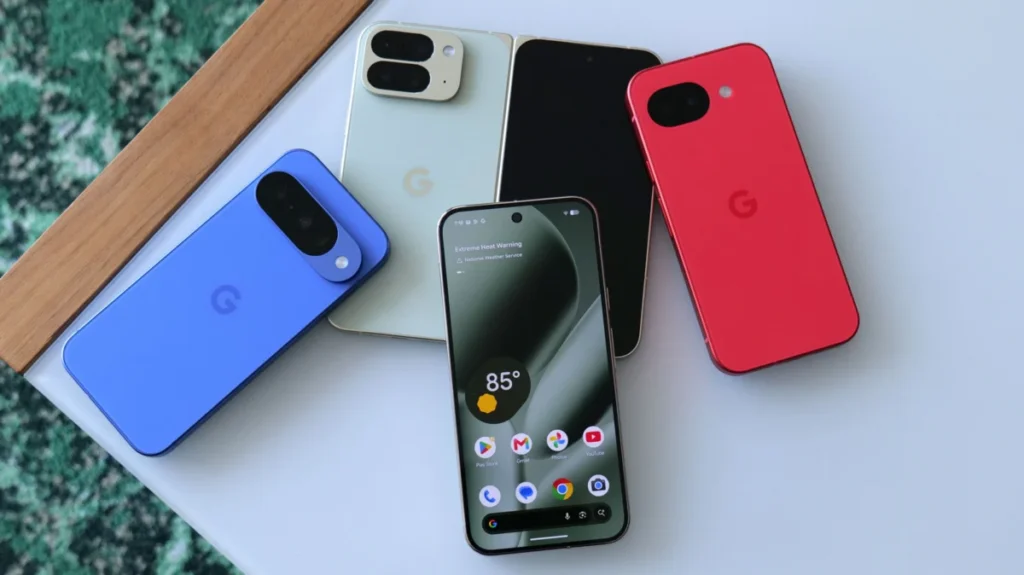
While Google’s Pixel series has evolved from a niche enthusiast device into a mainstream powerhouse, a common misconception persists among consumers: that a Pixel is a Pixel, regardless of where it is purchased. In reality, the "Googliness" of the phone remains consistent, but the underlying engineering and feature sets are meticulously calibrated to meet regional demands. As Google expands its footprint into over 30 countries, the disparities between North American handsets and their international counterparts have become a subject of increased scrutiny for travelers, expats, and tech enthusiasts alike.
Main Facts: Where the Divergence Occurs
At the surface level, the Pixel 10 lineup appears uniform. Whether you pick up a handset in New York, London, or Tokyo, you are greeted with the same clean aesthetic, the same Tensor G5 processor, and the same high-end camera array. However, under the hood, the divergence is driven by three primary factors: regional regulatory compliance, infrastructure availability, and carrier-specific strategies.
The most visible distinction is the hardware configuration regarding SIM cards. In the United States, the Pixel 10, 10 Pro, and 10 Pro XL have transitioned to eSIM-only architecture. This design choice is not merely an aesthetic preference; it is a strategic maneuver to reclaim internal space. By removing the mechanical Nano SIM tray, Google engineers gain precious cubic millimeters of internal volume. This space is prioritized for the specialized antennas and hardware components required to support mmWave (millimeter-wave) 5G—a high-frequency, short-range connectivity standard heavily prioritized by major American carriers like Verizon.
In contrast, international models retain the physical Nano SIM slot. Because the mmWave infrastructure is far less ubiquitous in Europe, Asia, and the Middle East, Google opted to keep the traditional SIM tray to ensure broader compatibility in markets where eSIM adoption, while growing, is not yet the singular standard.
A Chronological Shift in Strategy
The evolution of these regional differences mirrors Google’s broader journey in the hardware space.
- 2016–2018 (The Experimental Phase): During the early years of the Pixel, regional differences were largely software-based, revolving primarily around language packs and localized Google Assistant support. Hardware was largely homogenized across markets.
- 2019–2021 (The 5G Inflection Point): The introduction of 5G connectivity forced Google to create regional variants. This period saw the first significant split in hardware, as the US market demanded mmWave support, while international markets—where sub-6GHz frequencies were the primary standard—did not justify the added cost or battery drain of mmWave hardware.
- 2022–Present (The Maturity of Optimization): The current generation (Pixel 10 series) represents the most refined version of this strategy. Google has streamlined its manufacturing process so that the chassis remains nearly identical, with the only major "surgical" difference being the inclusion or exclusion of the SIM tray and the corresponding internal antenna modules.
Supporting Data: The mmWave Trade-off
The decision to omit mmWave support in international Pixels is a data-driven one. mmWave 5G offers theoretical speeds of up to 5Gbps, but its physical properties are limiting; it struggles to penetrate walls and requires a massive density of "small cell" towers.
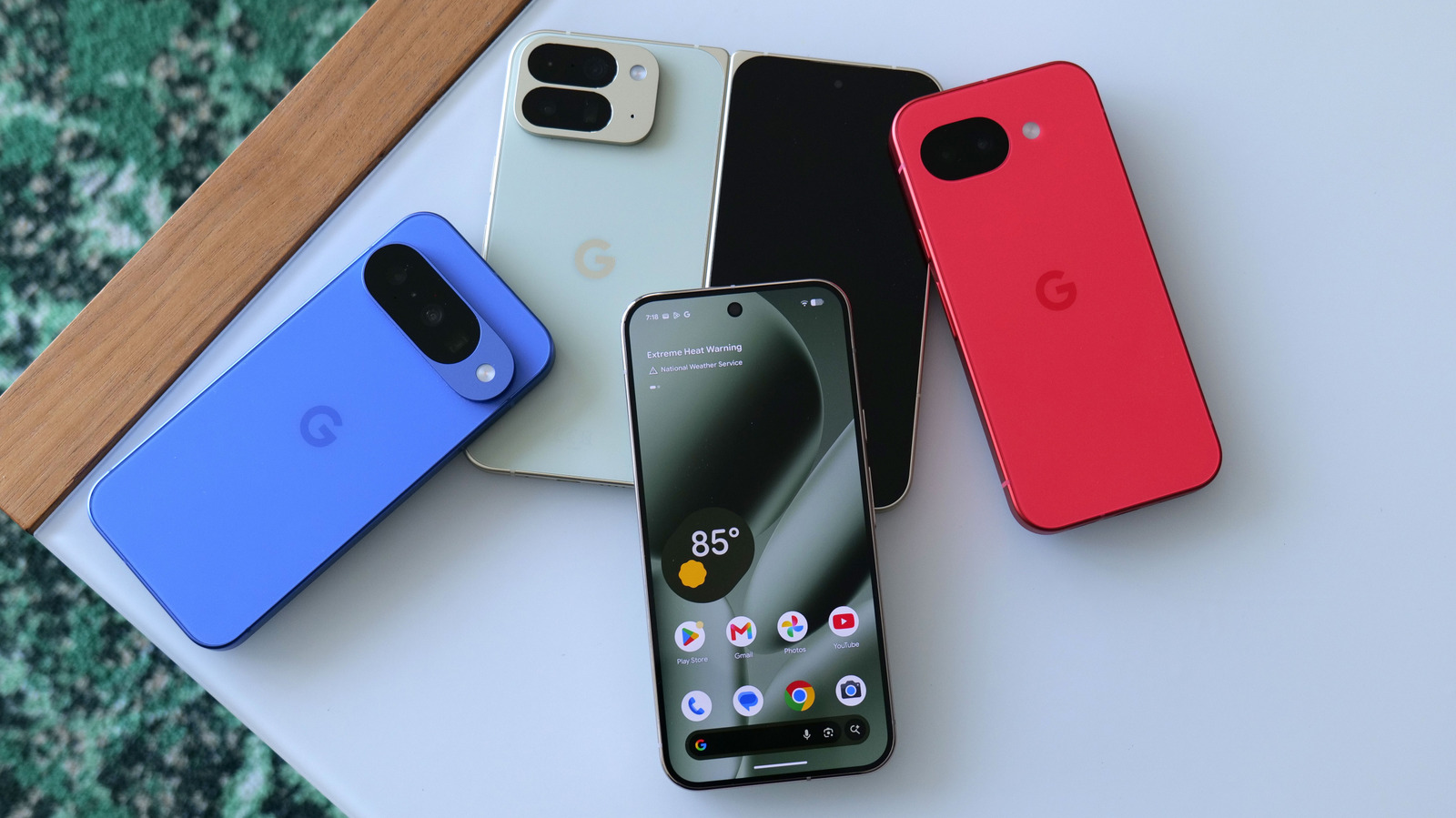
According to global network deployment data, the United States is an outlier in its aggressive investment in mmWave. Many international providers have opted for a "coverage-first" approach using mid-band and sub-6GHz frequencies, which offer better range and reliability.
| Feature | US Pixel Model | International Pixel Model |
|---|---|---|
| Physical SIM Tray | No (eSIM Only) | Yes (Nano SIM + eSIM) |
| mmWave 5G | Supported | Generally Not Supported |
| AI Feature Access | Immediate/Day One | Staged Rollout |
| Regulatory Tags | FCC Compliance | Localized CE/NCC/JATE |
This data explains why a US-bought Pixel might feel "future-proofed" for American stadiums and dense city centers, while an international model is optimized for the broader, more consistent coverage typical of European and Asian carrier networks.
Official Responses and Regulatory Logic
When questioned about these regional discrepancies, Google’s position remains consistent: the focus is on "user experience optimization." In official statements, representatives often cite the "regulatory environment" as the primary driver for software staging.
For instance, the rollout of advanced AI features like "Magic Cue"—the contextual information-surfacing tool—is not a matter of technical capability, but of legal and linguistic readiness. Google must ensure that its AI models comply with strict data privacy laws, such as the EU’s GDPR, before they can be activated in specific regions. Furthermore, the linguistic nuance required for the AI to understand addresses, calendar appointments, and local colloquialisms varies significantly across the 30+ countries where the Pixel is sold.
Google’s engineering team has noted that the US market serves as the primary "sandbox" for these features due to the uniformity of the language and the maturity of its digital infrastructure. Once a feature passes the vetting process in the US, it is systematically localized for international deployment.
Implications for the Consumer
For the average user, the implications of these differences are generally minor but can be significant depending on your lifestyle.
1. The Traveler’s Dilemma
If you are a frequent international traveler, the international model is arguably the superior choice. The inclusion of a physical Nano SIM slot allows you to land in a new country and immediately swap in a local prepaid card. While eSIMs are becoming more travel-friendly, physical cards remain the gold standard for connectivity in many developing nations where digital-only carrier services may not be readily available.
2. The Expat Perspective
If you are moving between countries, the best practice remains purchasing your device in your country of residence. While a US Pixel will work globally, you may miss out on localized warranty support or specific carrier optimizations. Furthermore, purchasing a device from a local carrier ensures that the software is pre-configured with the correct APN (Access Point Name) settings, preventing the headache of manual network configuration.
3. The "Tank" Exception
Interestingly, the Pixel 10 Pro Fold stands as a unique outlier. Due to its complex internal design and the necessity of fitting all components into a folding chassis, Google has maintained the physical SIM tray across both US and international versions. This suggests that in the hierarchy of hardware engineering, the physical form factor of the phone can sometimes override the regional "eSIM-only" trend.
Conclusion: A Global Vision with Local Nuance
The differences between US and international Pixel phones are a testament to the complexity of the modern smartphone market. While it is tempting to view these tweaks as "shortchanging" certain markets, they are, in fact, the opposite. They represent a targeted effort to ensure that each device is optimized for the specific cellular, regulatory, and linguistic realities of its home market.
For the vast majority of users, these differences will never be noticed. The hardware is equally powerful, the camera performance is identical, and the software experience is uniform. However, for those who move across borders or rely on specific cellular technologies, understanding these nuances is essential. Google’s strategy is clear: keep the core experience consistent, but allow the hardware to bend to the needs of the environment. Whether you are using a Pixel in a bustling American metropolis or a rural town abroad, the device is designed to be a reliable, albeit locally tuned, extension of Google’s digital ecosystem.