Turning the Tide: AWS WAF Introduces Direct Monetization for AI Web Traffic
In a landmark shift for the digital economy, Amazon Web Services (AWS) has unveiled a groundbreaking capability within its AWS WAF (Web Application Firewall) suite: AI traffic monetization. This new feature allows digital content creators, publishers, and enterprise stakeholders to reclaim value from the massive influx of automated AI agents that scour the web. By enabling per-request pricing at the network edge, AWS is effectively transforming the infrastructure cost of AI crawling into a potential revenue stream.
The State of the Web: A Paradigm Shift
For years, the internet operated on a symbiotic "crawl-for-index" model. Search engine crawlers would visit websites, index the content, and return high-intent referral traffic, driving ad impressions and subscription growth. However, the rise of Generative AI has fundamentally disrupted this relationship.
Current industry data indicates that AI bot traffic now accounts for more than 50% of total web traffic for many publishers, with AI-specific crawlers surging by more than 300% year-over-year. Unlike traditional search engines, these bots consume content to fuel Large Language Models (LLMs), providing summaries and answers directly within AI interfaces. This "zero-click" architecture leaves content owners bearing the brunt of server infrastructure costs while receiving little to no traffic, ad revenue, or subscription conversion in return.
AWS WAF’s new monetization capability directly addresses this imbalance. It provides a technical bridge that allows publishers to charge AI agents for access, ensuring that the labor and cost of content production are compensated by the very entities profiting from that content.
Chronology: From Visibility to Transaction
The evolution of AWS WAF from a defensive security tool to an economic enabler has been a multi-year journey:
- The Visibility Phase: AWS first introduced granular Bot Control to provide visibility into traffic patterns, allowing publishers to identify and manage the deluge of automated requests.
- The Mitigation Phase: Publishers gained the ability to block or rate-limit aggressive crawlers, protecting their origin servers from being overwhelmed. However, this was a blunt instrument that prevented content discovery by potentially valuable or legitimate AI models.
- The Monetization Phase (Present Day): By integrating the x402 protocol and stablecoin payment rails, AWS has moved beyond simple blocking. The platform now facilitates a transactional relationship where content access is contingent upon payment, marking the first time that "pay-per-crawl" has been democratized at the network edge.
Supporting Data and Technical Architecture
The technical implementation of this feature is designed to be low-friction for developers. By operating directly at the CloudFront edge, AWS WAF eliminates the need for publishers to modify their origin infrastructure or write complex backend application code.
The Role of x402 and Stablecoins
The system leverages the x402 Facilitator, a mechanism that enables machine-to-machine payment flows. When an AI bot requests a protected page, the AWS WAF infrastructure intercepts the request and issues an HTTP 402 "Payment Required" response. This response includes a JSON-formatted price manifest, detailing:
- The requested price in USDC (USD Coin).
- Supported blockchain networks (e.g., Base, Solana).
- The destination wallet address for settlement.
This system allows for a frictionless, autonomous transaction where the agent runtime handles the payment, and the WAF confirms the settlement before serving the content. This shift from credit cards to blockchain-native stablecoins is critical, as it bypasses traditional banking latency and international settlement hurdles, allowing for instantaneous micro-payments at a global scale.

Dashboarding and Traffic Analysis
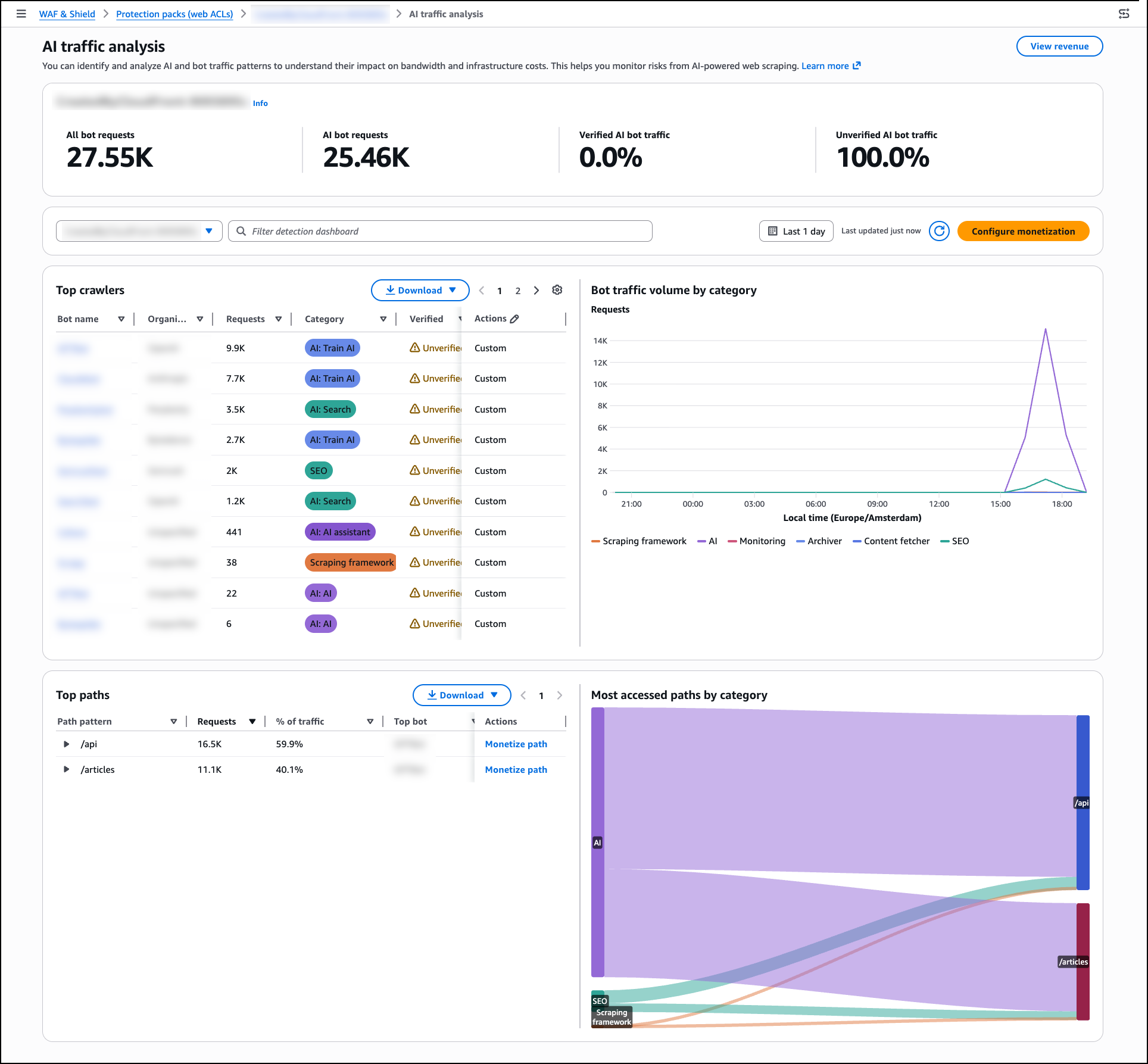
The new AI traffic analysis dashboard serves as the control center for publishers. It provides deep visibility into:
- Traffic Segmentation: Distinguishing between verified AI bots (e.g., GPTBot, Claude-Web, Perplexity-Bot) and unverified traffic.
- Infrastructure Impact: Metrics on bandwidth consumption, estimated monthly hosting costs, and peak request rates.
- Revenue Attribution: A per-path heatmap that identifies exactly which content pieces are generating the most interest—and revenue—from AI agents.
Official Guidance: Implementing Monetization
To begin capitalizing on AI traffic, AWS outlines a structured, risk-mitigated deployment process:
1. Enabling Bot Control
Before monetization can occur, publishers must have AWS WAF Bot Control (Common or Targeted level) enabled on their CloudFront distribution. This provides the classification data necessary to distinguish between a benign browser user and a high-value AI agent.
2. Creating Protection Packs
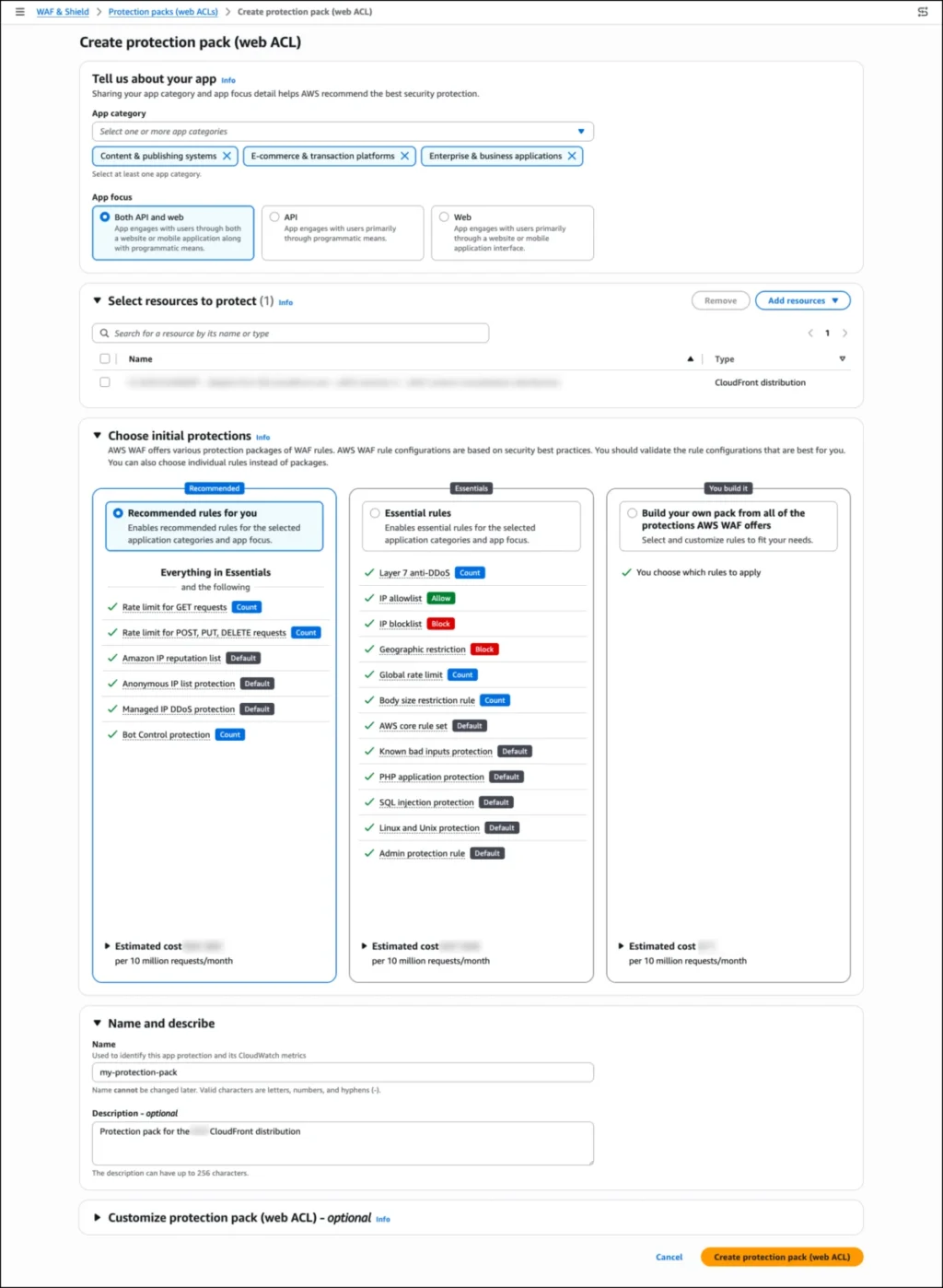
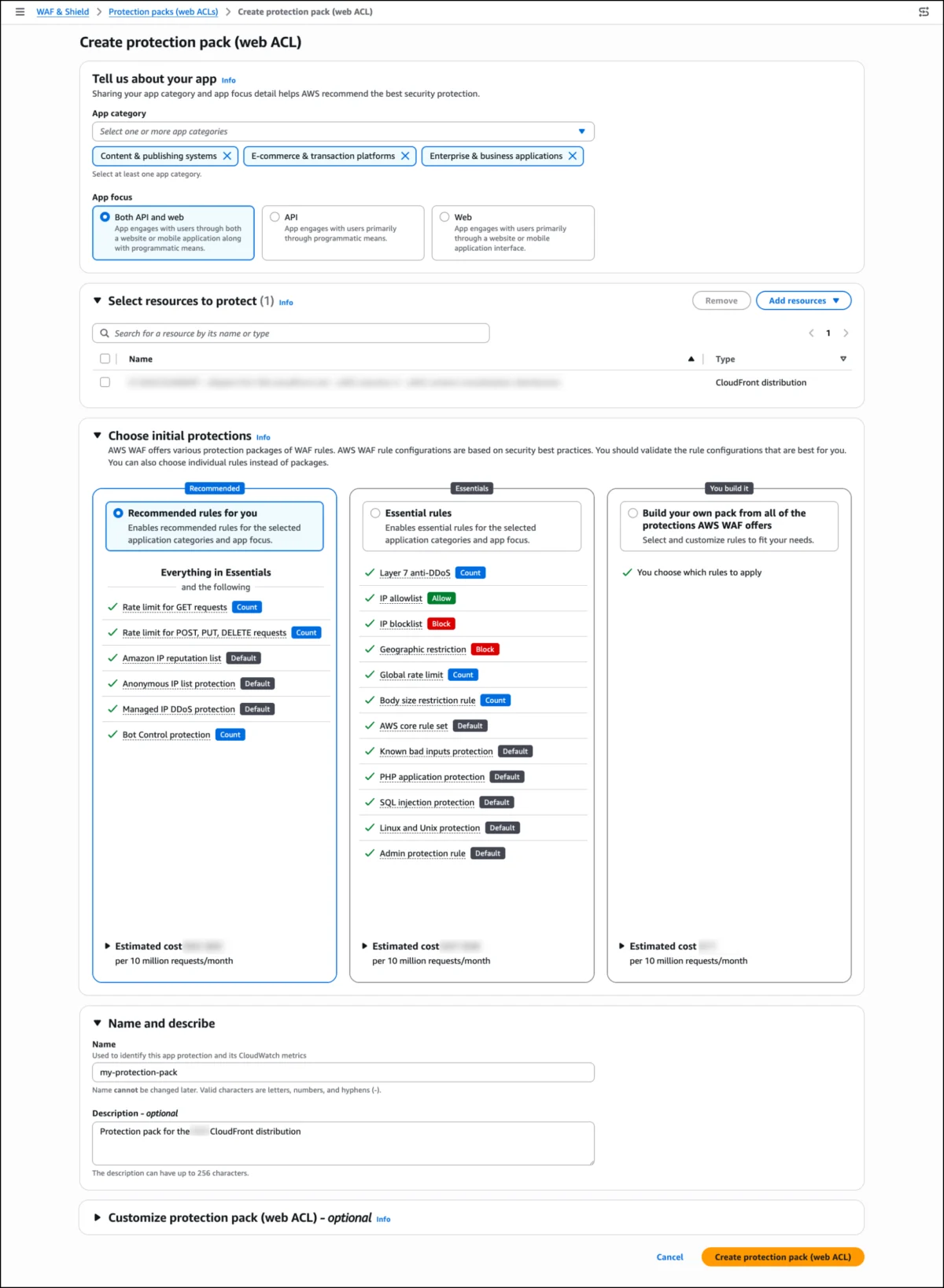
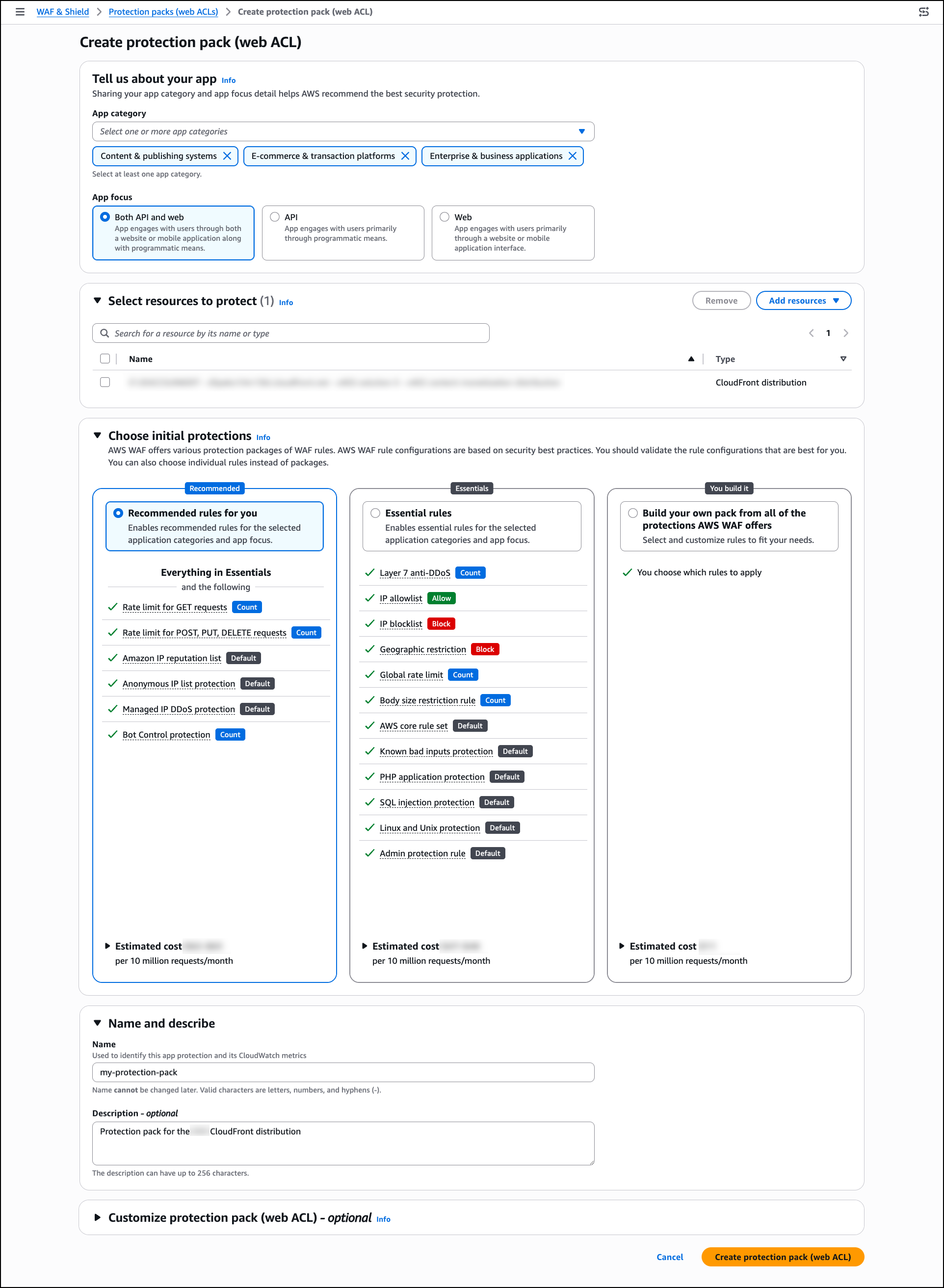
The "Protection Pack" is the core configuration unit. Within the AWS WAF console, users define their app categories, associate specific content paths, and set license terms. This allows for tiered pricing—for example, charging a premium for long-form research content while providing free access to news headlines or marketing pages.
3. The "Test" to "Real" Pipeline
Recognizing the complexity of automated payments, AWS provides a built-in "Currency Mode" toggle. Publishers are encouraged to use Test Mode on non-production traffic. During this phase, transactions occur on testnets (such as Base Sepolia or Solana Devnet) using faucet funds. This allows teams to validate their wallet configurations and payment flows without risking actual capital. Only when the logic is confirmed is the system switched to "Real" mode.
Implications for the Digital Ecosystem
The introduction of this tool has profound implications for the future of the web, content ownership, and AI development.
A New Revenue Pillar for Publishers
For media companies, academic journals, and data aggregators, this could represent a fundamental shift in business modeling. As AI models become increasingly reliant on high-quality, up-to-date information, the content itself becomes a "utility" that can be metered. By moving this process to the edge, AWS has ensured that publishers can monetize traffic without needing to build custom payment APIs or negotiate individual licensing deals with dozens of AI startups.
The Ethical and Legal Landscape
This development forces a confrontation with the "fair use" debates that have long shadowed AI training. By providing a technical mechanism for payment, AWS is effectively arguing that content access should be a contractual, rather than a passive, affair. It provides a standardized framework that could simplify legal compliance for AI companies, who can now pay for authorized, high-frequency access to data without the risk of copyright infringement.
Future-Proofing the Web
The roadmap for this feature is already expanding. With support for Stripe integrations and the Machine Payments Protocol (MPP) on the horizon, AWS is signaling that this is not a niche feature for crypto-native companies, but a standard tool for the broader enterprise market.
Conclusion: A More Equitable Internet?
AWS’s move to monetize AI traffic at the edge is a transformative moment for the internet. By turning the "bot problem" into a "bot economy," AWS is empowering content creators to regain control over their digital assets. As more publishers adopt these tools, we are likely to see a tiered web emerge—one where AI agents pay for the privilege of high-quality data, and content creators are finally compensated for the foundational intelligence that powers the AI revolution.
For now, the capability is available to all Amazon CloudFront customers at no additional cost beyond standard WAF pricing, setting the stage for a rapid adoption curve across the digital publishing landscape. The era of the "free-for-all" crawl is coming to an end; the era of the monetized web has officially begun.