The Labor of Play: Exploring Themes of Work, Community, and Capital in Indie Gaming
In the modern digital landscape, video games have long served as an escape from the mundanity of the nine-to-five grind. Yet, a burgeoning sub-genre of independent titles has begun to flip this script, choosing instead to interrogate the nature of labor, the value of communal effort, and the friction between personal agency and systemic expectations. This week, we examine three standout titles available on itch.io—Time Bandit, Ducky’s Delivery Service, and Communite—that challenge our understanding of what it means to "work" within a digital space.
The Architecture of Exploitation: Time Bandit
Main Facts and Mechanics
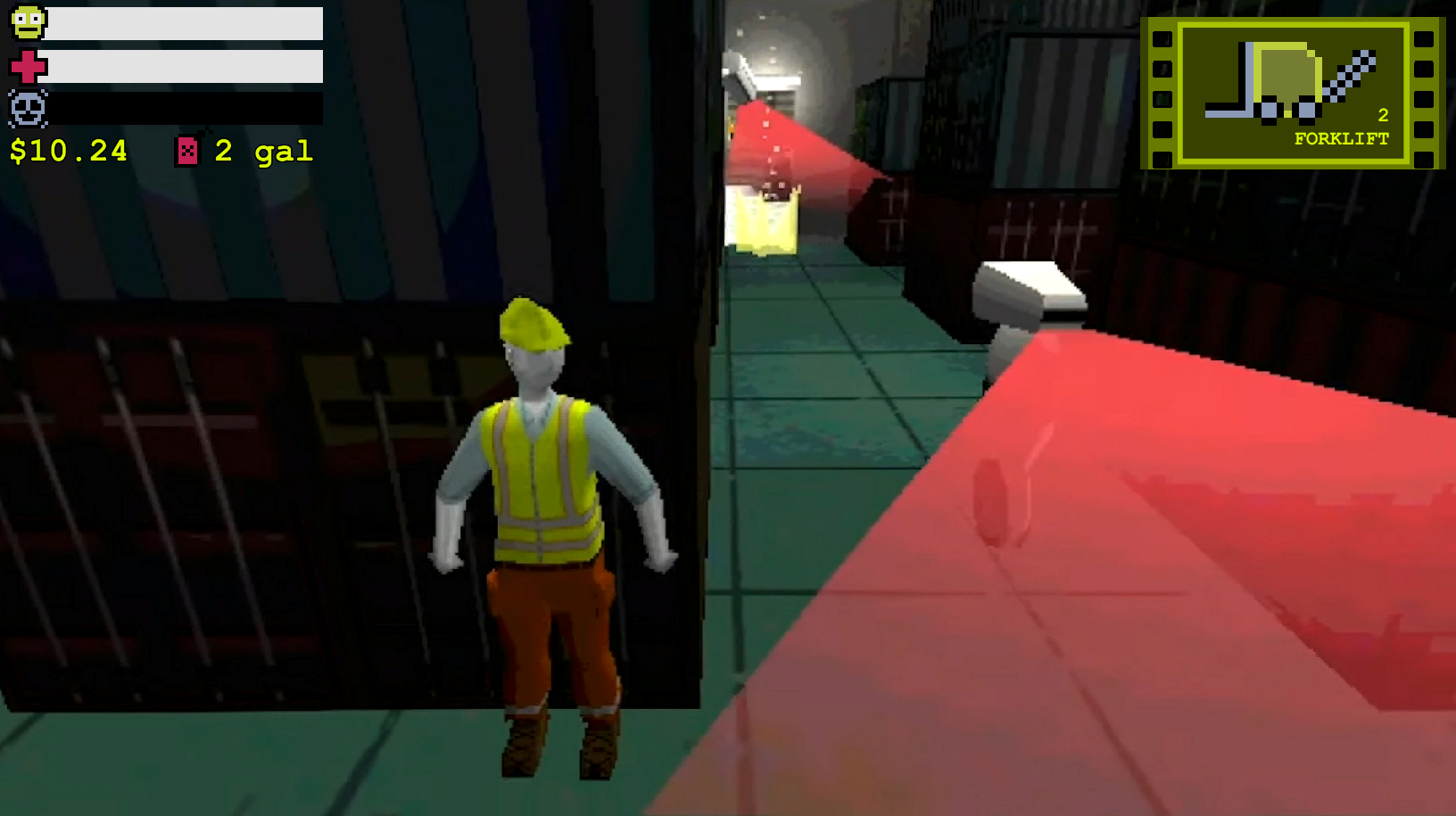
Time Bandit, developed by PhoenixUp, is perhaps the most intellectually provocative entry in recent memory. It functions as a meta-commentary on the extraction of value within a capitalist framework. What sets Time Bandit apart is its commitment to real-world integration; the game utilizes the player’s actual local time and weather conditions to dictate in-game shifts.
When the game registers that the player is "on the clock," they are restricted to a specific job site where mundane tasks—such as moving boxes—are mandatory. These tasks are not merely aesthetic; they consume significant amounts of real-time, effectively tethering the player’s personal time to the production of "Time Crystals."
The Chronology of Control
The gameplay loop operates on a binary of compliance and subversion. During work hours, the game is a simulation of drudgery. However, once the shift ends, the game transitions into a stealth-based heist simulator. The player must navigate the workspace they occupied during the day to reclaim the products of their own labor. This creates a psychological tension: players must weigh the security of "honest" (albeit exploited) labor against the high-stakes, high-reward prospect of reclaiming their own productivity.
Implications for the Player
Time Bandit asks a fundamental question: Is the "safe" path of following the rules actually sustainable, or is it merely a slow surrender of one’s agency? By forcing the player to experience the passage of time as a limited resource, the developer highlights the precarity of the modern workforce, making the act of "stealing back" feel less like a game mechanic and more like an act of rebellion.
The Duality of Play: Ducky’s Delivery Service
A Shift in Perspective
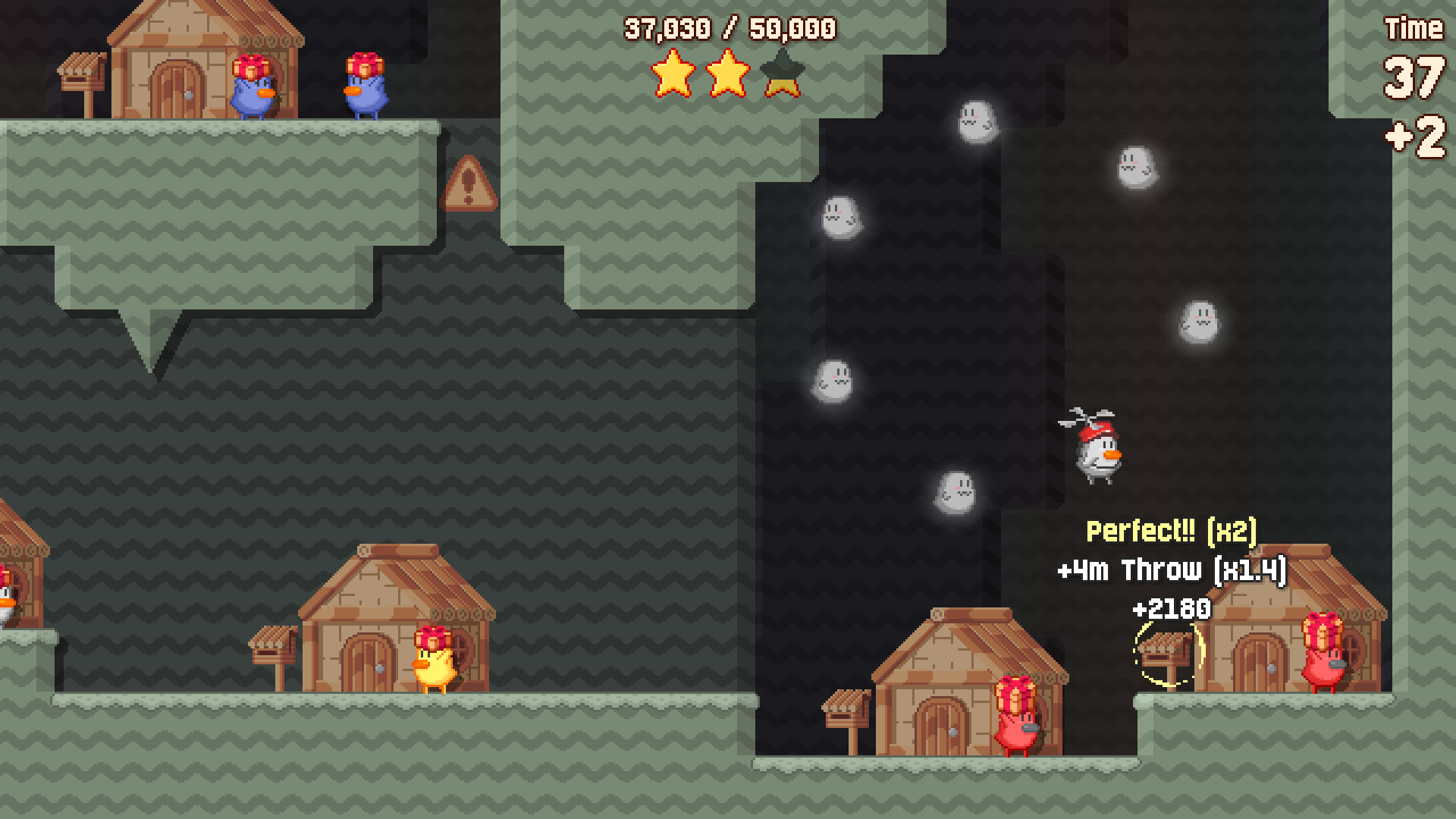
If Time Bandit focuses on the weight of systemic labor, Ducky’s Delivery Service by CT Matthews explores the joy—and the intensity—of labor when the stakes are personal and the aesthetic is charming. At first glance, this is a whimsical arcade title featuring a duck equipped with a helicopter backpack. However, beneath the surface of this "cute" exterior lies a rigorous, high-skill arcade engine.
Supporting Data and Mechanics
The game’s movement is reminiscent of the "flappy" genre, requiring rhythmic, repetitive inputs to keep the protagonist airborne. Yet, the core of the experience is not just survival, but efficiency. The game tracks delivery times and rewards "trick shots," transforming a simple mail-delivery premise into a competitive playground for speedrunners and score-attack enthusiasts.
Official Design Philosophy
According to the developer’s notes, the project was designed to be modular in difficulty. It features an extensive suite of accessibility tools, allowing players to modulate the game’s speed and complexity. This design choice serves as an important lesson in inclusivity: by allowing the player to define their own experience, the game manages to be both a relaxing diversion and a "sweaty" test of mechanical precision. It proves that "work-themed" games do not have to be dour or punishing to be mechanically deep.
The Collective Effort: Communite
Redefining Social Interaction
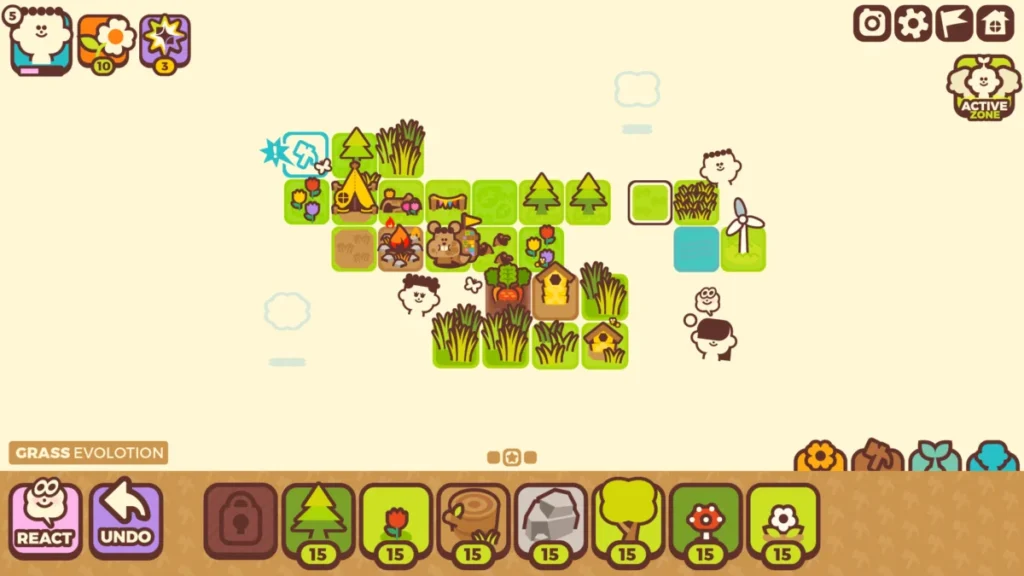
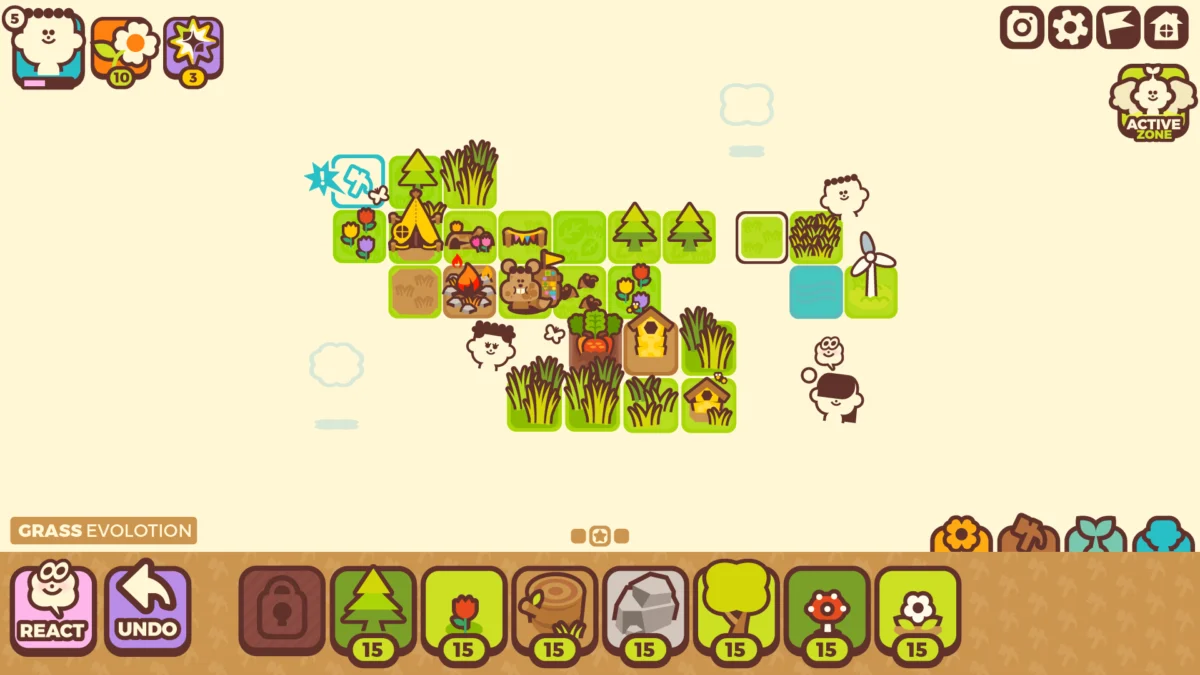
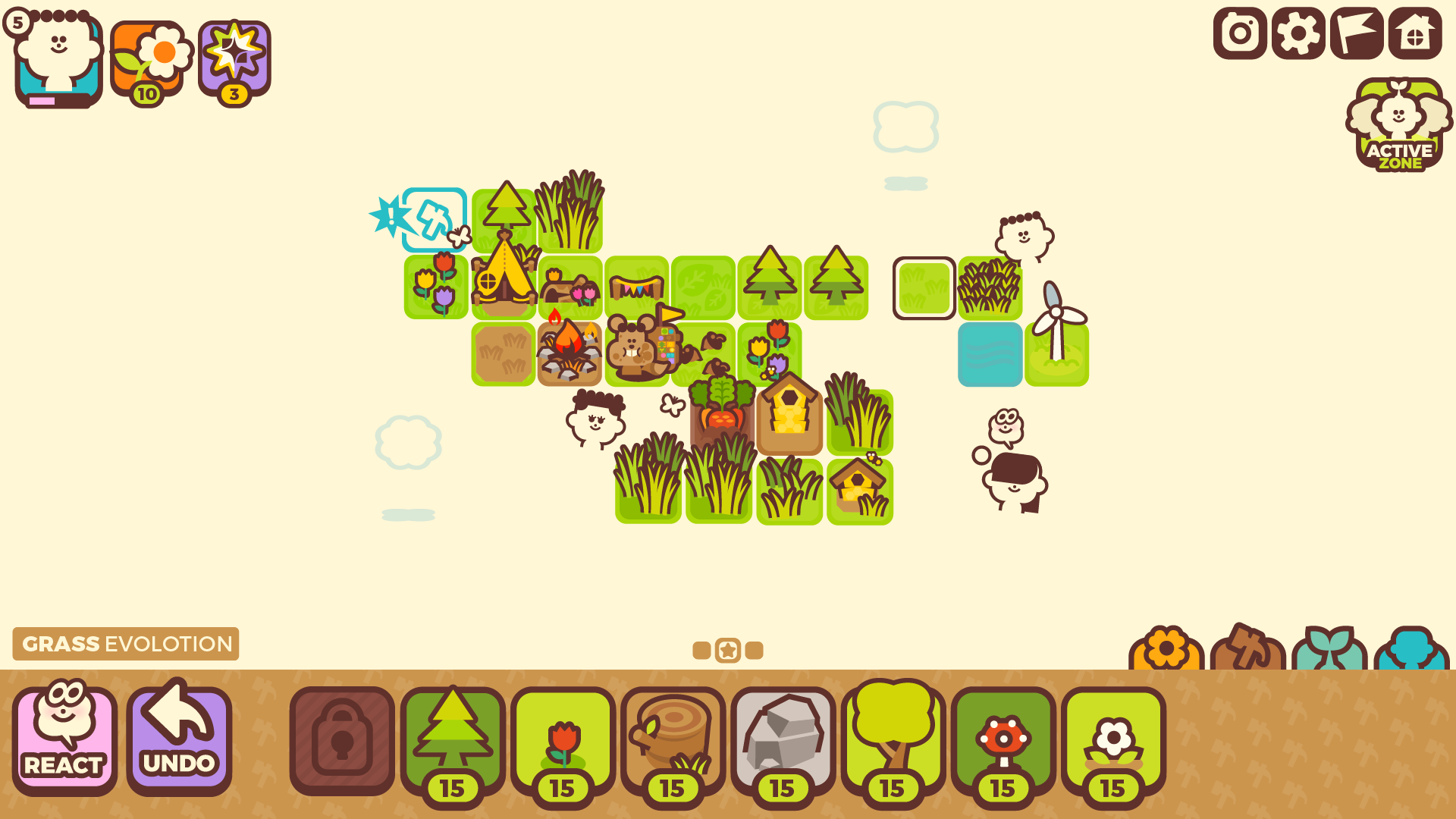
Communite, created by JimJum, moves away from the individualistic grind of the previous two titles to focus on the power of collective action. In this top-down building simulator, the player is not an isolated architect but a single node in a larger, community-driven ecosystem.
Chronology and Cooperative Growth
The gameplay loop of Communite is intentionally passive. When a player logs in, they are directed to a location currently under construction, where the most pressing communal needs are located. Decorations and structures are not built by one person; they are the result of cumulative contributions.
Crucially, Communite incorporates a stamina system that limits how much an individual can contribute in a single sitting. This is a brilliant subversion of modern "power-fantasy" gaming. By preventing the player from completing projects solo, the game forces them to step away and allow the community to finish what they started.
The Implications of "Not Playing"
The true beauty of Communite lies in the experience of returning to the game. When a player logs back in, they see the physical manifestation of their neighbors’ contributions. The world has changed in their absence. This reinforces the core thesis of the game: that true progress is not the result of a single "hero" figure, but the quiet, sustained work of a collective. It is a meditative, anti-crunch philosophy that stands in stark contrast to the aggressive, "always-on" nature of most modern live-service titles.
Comparative Analysis: The Industry Perspective
The Evolution of the "Work" Theme
Historically, "work" in video games has been relegated to repetitive grinding—killing monsters to gain experience points or collecting materials to upgrade gear. These three titles represent a shift in the medium’s maturity. They treat labor not as a means to an end (leveling up), but as the subject matter itself.
- Time Bandit highlights the injustice of labor.
- Ducky’s Delivery Service highlights the skill and satisfaction of labor.
- Communite highlights the necessity and beauty of communal labor.
Implications for Future Game Design
The success of these titles suggests that players are hungry for mechanics that mirror real-world complexities. As the discourse around "crunch" culture in the AAA game industry continues to grow, these indie developers are providing a necessary counter-narrative. They demonstrate that games can be used to process, critique, and even celebrate the way we contribute to the world.
Conclusion
Whether you are looking to reclaim your time from a digital overlord, master the art of high-speed delivery, or contribute to a shared, peaceful landscape, these three games offer more than just entertainment. They offer a mirror.
Time Bandit serves as a warning about the commodification of time. Ducky’s Delivery Service serves as a reminder that labor can be joyful when the player is treated with respect and provided with the right tools. Communite serves as an aspirational vision of what we can achieve when we prioritize the collective over the individual.
In a world where labor is often synonymous with stress, these indie titles invite us to reconsider the value of our effort. We encourage readers to visit the itch.io pages for these titles, support the developers, and engage with the communities surrounding them. After all, the best way to understand the labor of play is to participate in it yourself.
What have you been playing?
The conversation around how we represent labor in gaming is only just beginning. Are these themes hitting home for you? Do you find comfort in the communal building of Communite, or does the high-stakes rebellion of Time Bandit resonate more with your daily experience? Let us know your thoughts in the comments section below. Your feedback helps us shape future recommendations and explorations into the diverse world of independent gaming.