The Silent Revolution: How the Internet of Things is Redefining the Social Media Landscape
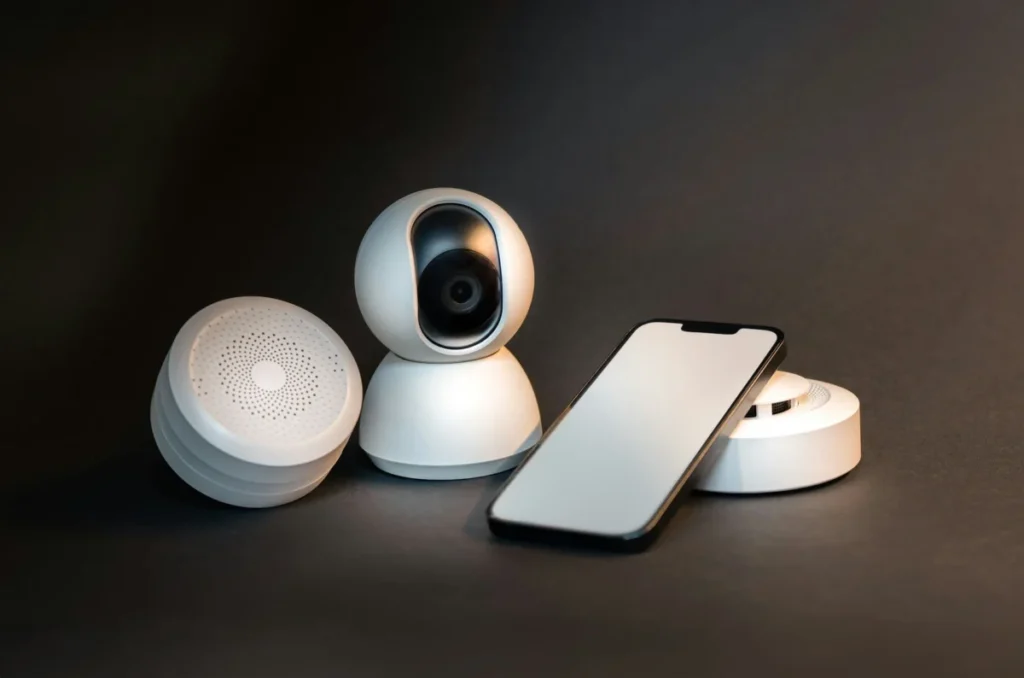
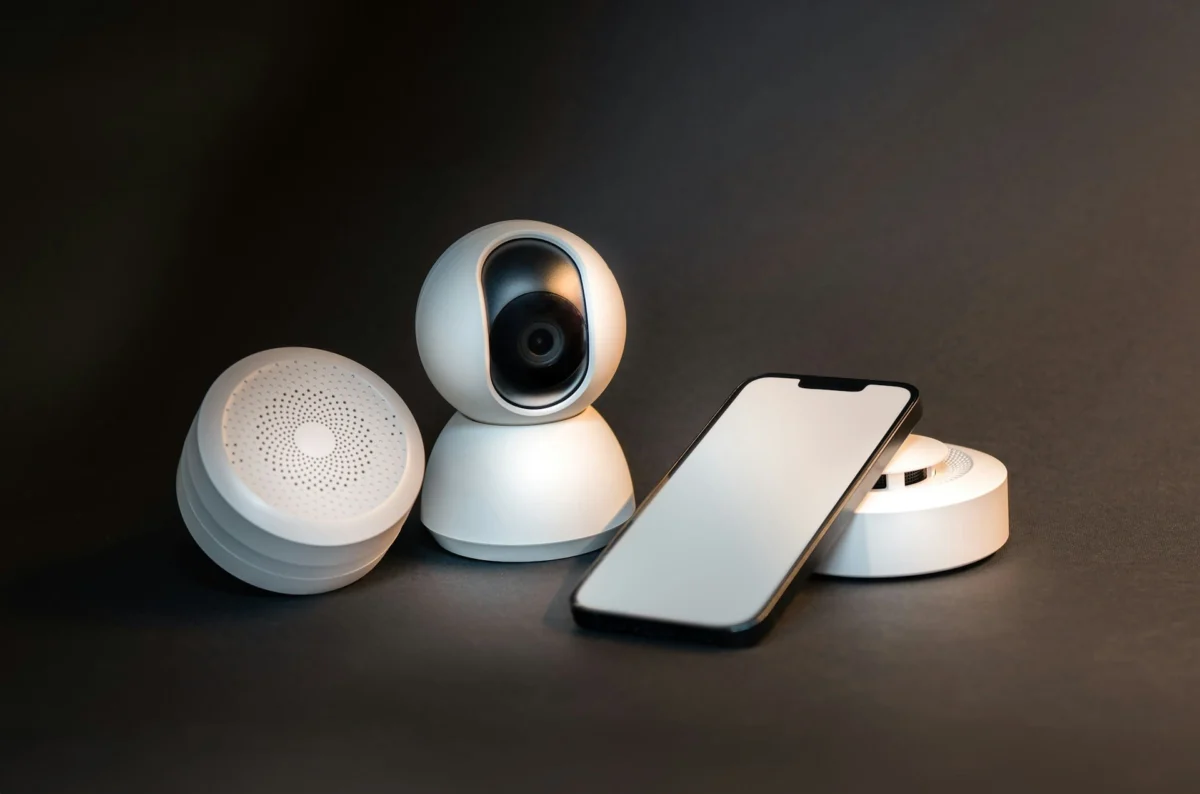
The days of manually curating one’s digital existence—carefully selecting a photo, drafting a witty caption, and refreshing the screen to monitor the dopamine-inducing trickle of likes—are rapidly drawing to a close. Social media, once a static bulletin board for our lives, is transforming into a dynamic, living ecosystem. As the Internet of Things (IoT) matures, the boundary between our physical environment and our digital social presence is dissolving. We are moving toward a future where our devices do not merely assist us; they represent us.
The Convergence: Defining the IoT-Social Nexus
At its core, the Internet of Things refers to the vast, interconnected web of physical objects—smart fridges, biometric wearables, autonomous vehicles, and intelligent thermostats—that communicate through the cloud. Currently, these devices operate primarily as silos of convenience, optimizing energy consumption or tracking fitness metrics. However, the next phase of digital evolution involves the integration of this granular, real-time data into the social media experience.
According to projections by IoT Analytics, the global footprint of connected devices is expected to surpass 50 billion units by 2035. This massive proliferation of hardware creates an unprecedented telemetry stream. When this data is fed into the sophisticated algorithms of platforms like Meta, X, and TikTok, social media ceases to be a curated highlight reel and becomes a real-time broadcast of our biological and domestic reality.
A Chronology of Connectivity: From Static to Synchronous
To understand where we are headed, we must look at the trajectory of our digital engagement:
- The Web 1.0 Era (The Static Feed): Users manually input data. Social media was a digital diary.
- The Algorithmic Era (The Personalized Feed): Platforms began using past behavioral data to predict engagement, shifting from chronological to interest-based curation.
- The IoT Integration Era (The Predictive Feed): We are currently entering a stage where devices provide the context for our posts. If your smart kitchen detects you are out of milk, it doesn’t just suggest a grocery list—it engages in social commerce by polling your inner circle for brand recommendations.
- The Immersive/AR Era (The Ambient Feed): The future, as signaled by the proliferation of smart glasses and wearables, involves an overlay of social data onto the physical world, creating a persistent, ambient digital layer.
Supporting Data: The Scale of the Shift
The momentum behind this integration is backed by staggering hardware adoption rates. In 2024 alone, over 156 million smartwatches were sold globally. These devices are sophisticated sensors capable of tracking everything from heart rate variability and blood oxygen levels to precise GPS coordinates.
When these metrics are cross-referenced with social platforms, the predictive capabilities of these services increase exponentially. PWC reports that 51% of consumers currently favor highly personalized content, yet this appetite for "tailored experiences" comes at the cost of deep data extraction. As we move toward 2035, the volume of data generated per capita will grow at an estimated compound annual growth rate (CAGR) of 20%+, providing platforms with the raw material to build nearly omniscient user profiles.
Four Pillars of the IoT-Social Transformation
The merger of IoT and social media is not merely an incremental update; it is a fundamental shift in user experience.
1. The Era of Auto-Generated Content
The "friction" of content creation is the primary barrier to social engagement. IoT removes this. Imagine a future where a marathon runner’s heart rate, pace, and altitude are automatically formatted into a dynamic graphic and posted to their feed the moment they cross the finish line. By removing the need for manual input, platforms can increase the frequency and accuracy of content, turning the mundane data of daily life into a continuous stream of social output.
2. Hyper-Personalization and Predictive Feeds
Current algorithms show you what you have liked. IoT-powered algorithms will show you what you are about to need. By analyzing sleep patterns, nutritional intake, and location history, platforms can anticipate life events. If your smart home sensors detect high levels of stress, your social feed may automatically pivot to calm-inducing content or wellness resources. While this offers immense utility, it raises critical ethical questions regarding autonomy and the potential for digital manipulation.
3. Social SEO and the Death of the Search Engine
The way users discover information is migrating away from traditional search engines toward conversational AI and social platforms. Currently, 46% of Gen Z users utilize social media as their primary search tool. With IoT integration, your car’s dashboard could query local social reviews to find a restaurant, or your smart fridge could cross-reference your current inventory with viral recipes on Instagram. Social media is evolving from a destination to a decision-making engine.
4. Seamless Augmented Reality (AR)
The final frontier is the "spatial web." With smart glasses—such as those currently being developed by Meta and Ray-Ban—social media will no longer be trapped on a 6-inch screen. Instead, users will see "social layers" in the physical world. Walking down a street, you might see tags, reviews, or friend-check-ins floating over buildings. This transforms social media from a virtual activity into an augmented physical experience.
Official Responses and Ethical Implications
The rapid acceleration toward an IoT-integrated social experience has drawn intense scrutiny from regulatory bodies and legal experts. The primary concern is not just data security, but the psychological impact of hyper-personalization.
Lawsuits, such as those currently facing Meta regarding the alleged addictive design of Instagram and Facebook, highlight the risks of a system that knows too much about its users. Legal filings suggest that these platforms are designed to exploit human vulnerability. When IoT data—which is significantly more intimate than browsing history—is added to the mix, the potential for harm increases.
"We are entering an era where the platform knows your physical state better than your physician," says one leading cybersecurity consultant. "If that data is breached, or if it is used to target vulnerable individuals, the consequences go beyond identity theft; they touch upon the very structure of our mental health and decision-making freedom."
Implications for the Future: The Privacy Paradox
The greatest challenge facing this technological shift is the "Privacy Paradox." Users desire the convenience of a fully connected home and an anticipatory social feed, but they remain deeply skeptical of how that data is stored and used.
The integration of IoT and social media creates a vulnerability surface that is unprecedented. A security breach in your IoT ecosystem could, in theory, leak your health records, your home security status, and your private social interactions in a single package. The path forward requires a new "Social-IoT Compact"—a framework involving:
- Data Minimization: Platforms must move toward edge computing, where data is processed on the device rather than in the cloud.
- Transparent Governance: Users must have granular, real-time control over which IoT devices share data with which social platforms.
- Regulatory Guardrails: Governments must establish clear laws defining who owns the "social telemetry" generated by our personal devices.
Conclusion: The Human Connection
Despite the allure of automation and the efficiency of hyper-personalized feeds, the core of social media remains fundamentally human. IoT devices are, at their best, tools for enhancing our connectivity. They can help us find the right recipe, track our health, or share our triumphs in real time.
However, technology should not dictate the nature of our relationships. As we navigate this transition, we must ensure that our devices serve to facilitate genuine connection rather than replacing it with data-driven simulations. The future of social media will be as smart as our devices, but it must remain as human as our intentions. We are the architects of this new digital landscape, and we retain the power to decide whether these tools empower us or simply observe us.