The State of the Web: CSS Functions, Grid Evolution, and the Highlights of CSS Day 2026
The landscape of front-end development is shifting at an unprecedented velocity. As we move deeper into 2026, the modularity and expressive power of CSS have reached a new zenith. From the impending arrival of custom @function capabilities to sophisticated quality-of-life updates for native modal dialogs, the web platform is becoming more intuitive for developers while offering more robust control for designers. This edition of What’s !important synthesizes the most critical updates, community insights, and technical breakthroughs that are currently defining the industry.
Main Facts: The New CSS Frontier
The primary narrative in the CSS ecosystem right now is the empowerment of the developer through greater abstraction and cleaner syntax.
The Rise of Custom @function
Perhaps the most significant development on the horizon is the standardization of the @function at-rule. Currently moving toward Baseline status, this feature promises to allow developers to create custom CSS functions, effectively ending the era of repetitive, hard-coded declarations. Jane Ori’s recent technical breakdown of these fundamentals has become essential reading, providing a “baby-step” guide for those intimidated by the shift. When paired with Declan Chidlow’s newly published documentation in the CSS-Tricks Almanac, developers now have a roadmap for integrating these functions into their production workflows.
The alpha() Function: A Syntax Refinement
A quieter but equally impactful update is the introduction of the alpha() function. While many developers were initially skeptical—questioning why we needed a new tool when color manipulation was already possible via oklch—the consensus has quickly shifted. The alpha() function allows for significantly cleaner code, particularly when dealing with CSS variables. By abstracting the color channel manipulation, it removes the need to wrap complex color definitions in verbose, format-specific functions every time a developer wants to adjust opacity.
Chronology of Recent Advancements
The recent weeks have been a whirlwind of activity, marked by both official spec updates and community-driven events.
- June 3, 2026: Una Kravets brings attention to critical UX improvements for the
<dialog>element, specifically advocating for theclosedbyattribute andoverscroll-behavior: contain. - June 11–12, 2026: CSS Day 2026 takes place in Amsterdam. The conference serves as the primary hub for the year’s most anticipated CSS discussions, including deep dives into performance and animation.
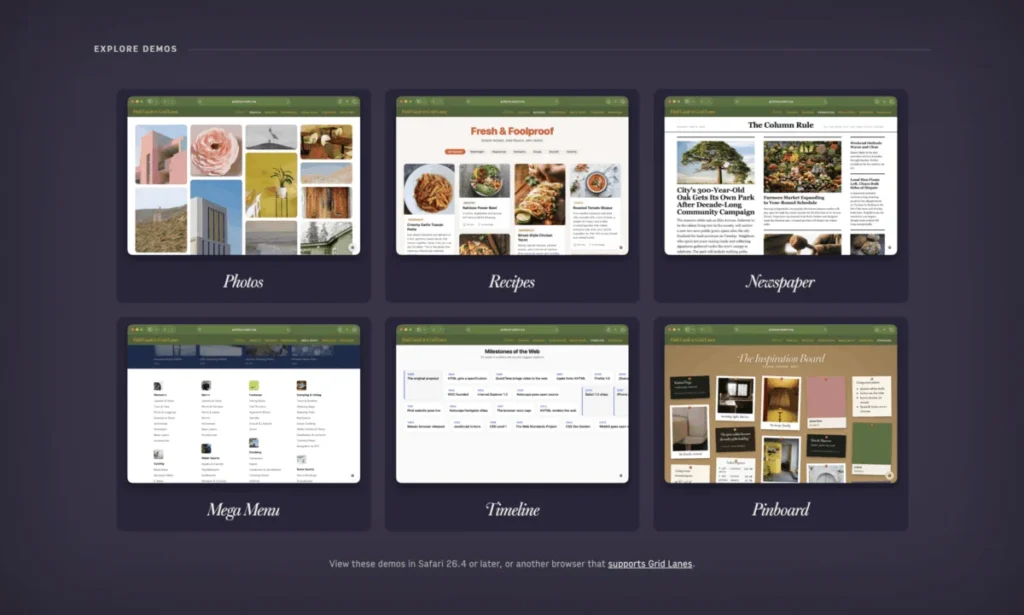
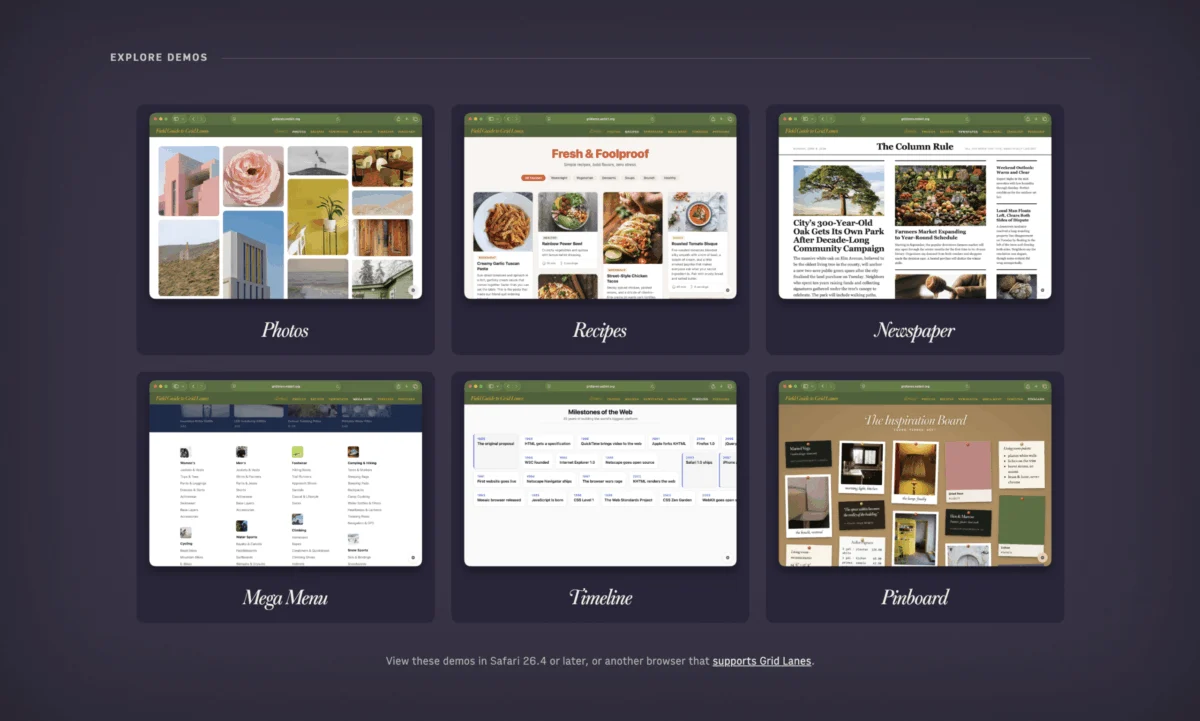
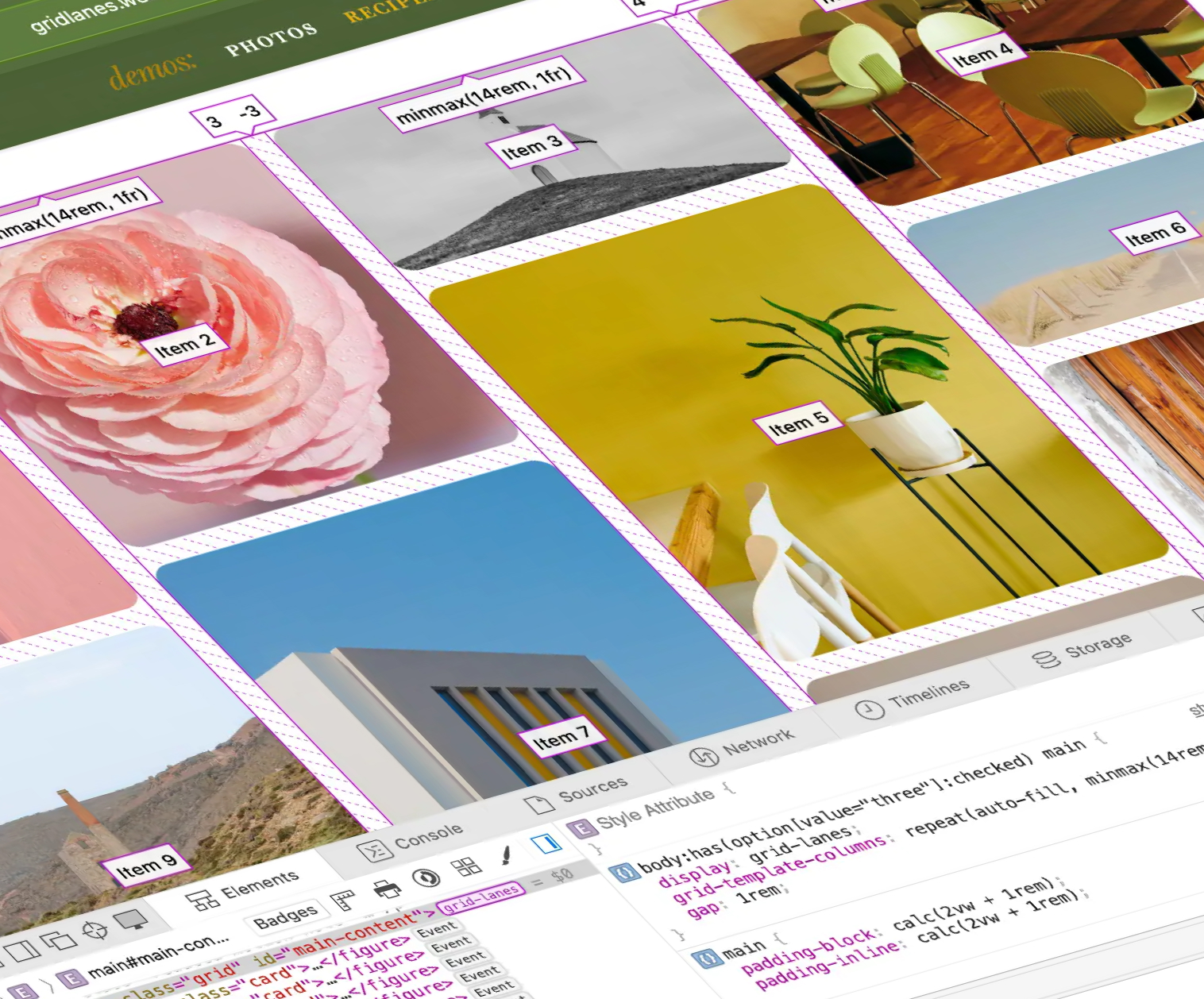
- Mid-June 2026: WebKit launches the Field Guide to Grid Lanes, a comprehensive resource that signals a new maturity in how browsers handle complex grid-based layouts.
- Late June 2026: The community awaits the official release of the CSS Day 2026 session recordings, promising a deeper look into the technical hurdles discussed on stage.
Supporting Data and Technical Implications
Grid Lanes: A New Standard for Layout
The WebKit team’s launch of the Field Guide to Grid Lanes is a watershed moment for layout design. For years, developers have struggled with the limitations of grid systems when dealing with non-linear or masonry-like content. The Field Guide provides a curated collection of barebones and real-world examples—ranging from complex timelines to dynamic mega-menus—that illustrate the potential of grid lanes. This is not merely an educational resource; it is a signal that browsers are finally aligning on how to handle the "masonry" problem that has plagued CSS layout engines for nearly a decade.
Improving the <dialog> UX
The native <dialog> element has long been a source of frustration regarding "quality-of-life" issues. Specifically, developers often struggle with layout shifts when scrollbars disappear or the lack of intuitive "light dismiss" behavior. The proposed closedby attribute aims to standardize how modals interact with user inputs. Combined with overscroll-behavior: contain, these updates ensure that a modal remains a contained, performant UI component rather than an intrusive overlay that breaks the underlying page’s scroll physics.
Furthermore, the ongoing challenge of animating these elements remains a pain point. Chris Coyier’s recent series on In-and-Out Animations for dialogs highlights the common pitfalls associated with @starting-style and discrete property transitions. While many developers consider themselves "proficient" with dialogs, the reality is that the margin for error remains high, making high-quality documentation and guides more critical than ever.
Official Responses and Industry Sentiment
The industry reaction to these updates has been largely positive, characterized by a sense of relief as the CSS spec finally addresses long-standing "papercuts."
Regarding the alpha() function, Adam Argyle’s advocacy has been central to its adoption. The industry response highlights a desire for "declarative intent." As one prominent developer noted on social media, the goal of modern CSS is not just to make things work, but to make the intent of the code immediately readable to the next developer who opens the stylesheet. By reducing the visual noise of color math, alpha() succeeds in this mission.

At CSS Day 2026, the mood was one of pragmatic optimism. While there were no "flashy" announcements involving radical new layout engines, the focus was firmly on stability, performance, and the refinement of existing tools. The absence of a live stream was compensated for by an active and enthusiastic community presence on platforms like Bluesky, where attendees shared slides, behind-the-scenes insights, and the inevitable "CSS-themed" humor that characterizes the conference.
Implications for the Future of Web Development
The overarching theme of this current cycle is standardization. We are seeing a shift away from the "wild west" of browser-specific hacks toward a unified, robust language.
1. Reduced Reliance on JavaScript
With the addition of @function, improved dialog handling, and better grid control, the amount of JavaScript required to manage UI state and layout is decreasing. This is a massive win for performance, as native CSS solutions are inherently faster than their JS-driven counterparts.
2. Improved Maintainability
The move toward better variable management (as evidenced by the alpha() function) means that design systems can be built with more flexibility. Developers can now define color palettes in a base format and manipulate them on the fly without losing track of their color space, leading to significantly fewer bugs and cleaner stylesheets.
3. The "Gamification" of CSS
The popularity of tools like Sunkanmi Fafowora’s CSS Wordle underscores a cultural shift: CSS is no longer just a utility; it is a craft. The fact that developers are spending their downtime playing games built entirely on CSS questions suggests that the community is more engaged with the intricacies of the language than ever before. This engagement is what drives the adoption of new features like the Grid Lanes guide; when developers are excited about the mechanics of their tools, they push the boundaries of what the web can look like.

Conclusion
As we look toward the latter half of 2026, it is clear that the web platform is in a period of consolidation and refinement. We are not just adding new features; we are polishing the existing ones to make them more ergonomic and powerful. From the precision of grid-based layouts to the modularity of custom functions, the tools available to front-end engineers are more capable than ever.
For the developer, the message is clear: stay curious, keep your documentation bookmarked, and don’t be afraid to experiment with the latest Baseline features. The web is evolving, and for those who keep up, the possibilities for creating performant, beautiful, and maintainable interfaces have never been brighter. Until the next update—keep your selectors specific and your variables scoped.