
The War Against Web Bloat: How One Developer’s Proxy is Reclaiming Mobile Data
Main Facts: The Bloat Crisis
The modern internet is, by many metrics, suffering from a severe case of digital obesity. As web pages grow increasingly complex, laden with high-resolution assets, aggressive tracking scripts, and bloated frameworks, the average user’s mobile data plan is being consumed at an unsustainable rate. For users operating on metered connections or in regions with limited bandwidth, the simple act of browsing a news site or a blog can feel like a prohibitive luxury.
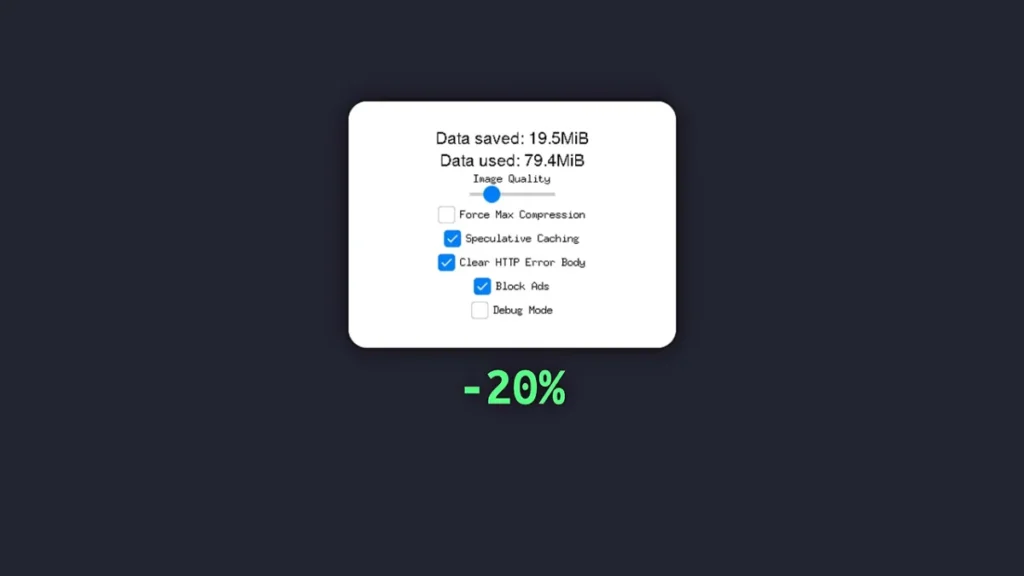
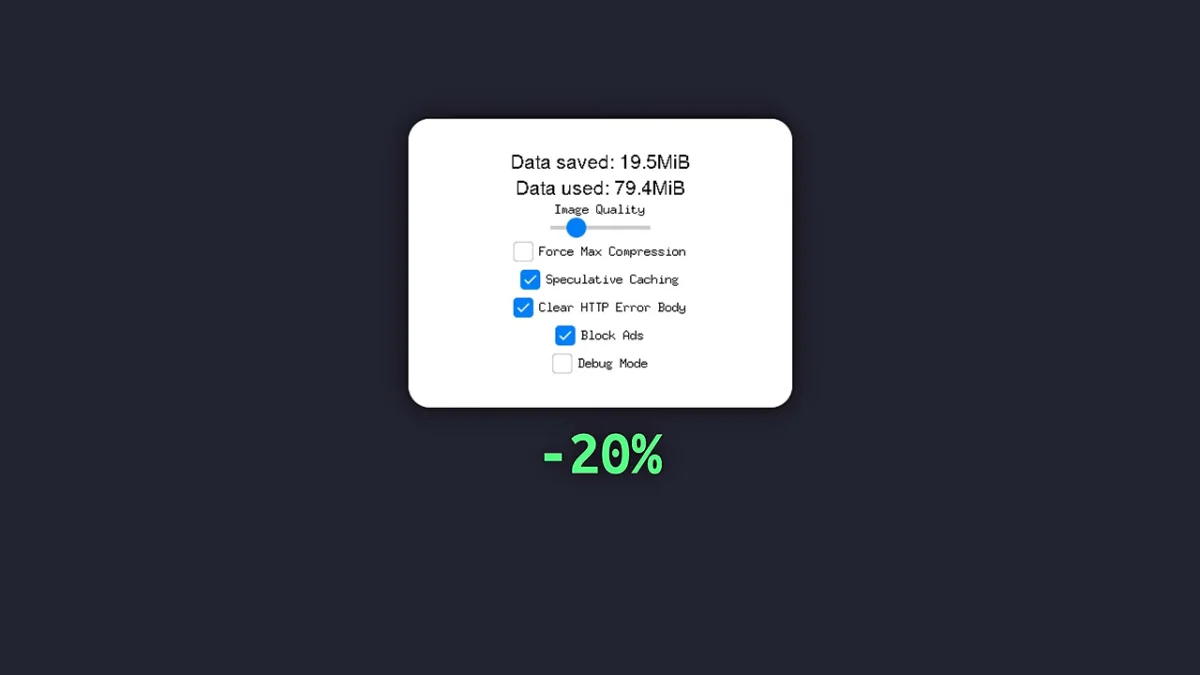
In a direct response to this trend, a developer known as "PortalRunner" has unveiled a self-hosted HTTPS proxy solution named Arachnidium. Rather than accepting the status quo of ever-increasing page sizes, this tool sits between the user and the broader web, actively scrubbing, compressing, and optimizing data in real-time. By leveraging the power of mitmproxy, Arachnidium serves as a gatekeeper that strips away the excess, ensuring that only the essential content reaches the end user’s device.
Chronology: From Frustration to Functional Solution
The development of Arachnidium did not occur in a vacuum; it was born out of a specific, personal pain point. For PortalRunner, the decision to build a custom solution was triggered by the persistent, slow-loading nature of his mobile browsing experience.
- Initial Realization: The developer noted that basic webpages were consuming data volumes that rivaled the capacity of early-era storage media, such as multiple floppy disks.
- The Technical Pivot: Rather than attempting to write a new protocol from scratch—an approach that often leads to security vulnerabilities and long development cycles—the developer opted to utilize
mitmproxy. This established, open-source tool provided the necessary foundation for intercepting and modifying traffic. - Implementation: Over several months, the proxy was refined to handle the complexities of HTTPS. The core focus was placed on automated image processing, specifically shifting heavy PNG and JPEG assets into the more efficient WebP format, while simultaneously aggressively resizing images for mobile viewports.
- Deployment: Upon finalizing the configuration, the developer released the project on GitHub, inviting other bandwidth-conscious users to deploy their own instances.
Supporting Data: Why Compression Matters
To understand why Arachnidium is gaining traction, one must look at the current state of web traffic. The average webpage size has climbed significantly over the last decade, with images accounting for the largest share of total page weight.
The Mechanics of Efficiency
The brilliance of the Arachnidium approach lies in its multi-layered strategy for data reduction:
- Image Transcoding: By converting bulky image formats into WebP, the proxy can reduce file sizes by 25% to 35% without significant degradation in visual quality for small mobile screens.
- Resolution Downscaling: The proxy intelligently identifies the device’s screen size and downsizes large images accordingly. Serving a 4K image to a device with a 1080p display is a waste of data; the proxy eliminates this redundancy.
- Ad and Tracker Blocking: By intercepting traffic before it hits the browser, the proxy can block calls to known ad-tech and tracking servers, which are often the primary contributors to "hidden" page weight.
- Configurable Compression: The project includes a user-defined configuration file that allows for a sliding scale of optimization. Users can choose between "Balanced" (which preserves some detail) and "Aggressive" (which prioritizes data savings above all else).
The Security Bonus
Beyond data savings, the use of a self-hosted proxy provides a tangible security benefit. By acting as a private, personal VPN, the proxy obscures the user’s traffic from the local network and potential man-in-the-middle attacks at public Wi-Fi hotspots. It encapsulates the user’s browsing activity within a single, secure tunnel, providing a layer of privacy that standard mobile browsers often fail to achieve on their own.
Official Perspectives and Technical Context
While PortalRunner’s project is a grassroots effort, it aligns with a broader movement in the tech community to address "software rot" and internet bloat.
Industry experts have long pointed out that the "information superhighway" has become congested with redundant telemetry and heavy, unoptimized JavaScript bundles. When asked about the project’s limitations, the developer is transparent: this is not a universal fix for aging hardware.
"This project is explicitly about saving data," PortalRunner stated in his documentation. He distinguishes his work from projects like FrogFind or MacProxy, which are designed to make the modern web compatible with 1990s-era computers. While those projects prioritize compatibility, Arachnidium prioritizes efficiency for modern devices that are hampered by poor network conditions.
Implications for the Future of Web Browsing
The success of tools like Arachnidium poses significant questions for the future of web development. If users are increasingly forced to intercept and "clean" the content they receive, it suggests a growing disconnect between web designers and their audience.
The "Bloat" Backlash
The rise of such proxies indicates that the "modern web" has reached a tipping point. When users feel they need a specialized proxy just to read a standard news article, it serves as an indictment of current web development practices. If designers continue to prioritize complex, heavy-scripted experiences over performance and accessibility, we are likely to see a permanent shift toward user-controlled content filtering.
Empowering the User
Arachnidium puts the control back into the hands of the end-user. It turns the browser from a passive consumer of bloated, third-party content into an active participant that dictates what is allowed through the pipe. As mobile data remains expensive or capped in many parts of the world, the ability to "compress the internet" is becoming more than a hobbyist’s project—it is a functional necessity for equitable access.
Potential Evolution
Looking ahead, the evolution of this technology may include:
- Machine Learning Optimization: Future iterations could use AI to identify and replace high-bandwidth video elements with static thumbnails automatically.
- Browser Integration: While currently a standalone proxy, the logic behind Arachnidium could eventually be integrated into lightweight browser extensions, simplifying the setup process for non-technical users.
- Standardization: As more developers create these tools, we may see a push for "Lightweight Web" standards, where servers automatically offer "lite" versions of sites based on user-agent signals, reducing the need for intermediaries.
Conclusion
PortalRunner’s Arachnidium serves as a potent reminder that we are not entirely at the mercy of the bloated web. Through the clever application of existing open-source tools, it is entirely possible to reclaim bandwidth and speed up the digital experience. While the project may not fix the underlying issues of a bloated internet, it provides a crucial life raft for those who are tired of waiting for massive, unnecessary assets to load. As the digital divide continues to manifest in the form of data costs and slow speeds, the importance of such community-driven solutions cannot be overstated. By choosing to strip away the excess, we don’t just save data—we regain control over our digital lives.







