Beyond the Gaming Console: The Rise of Open-Source Linux Handhelds
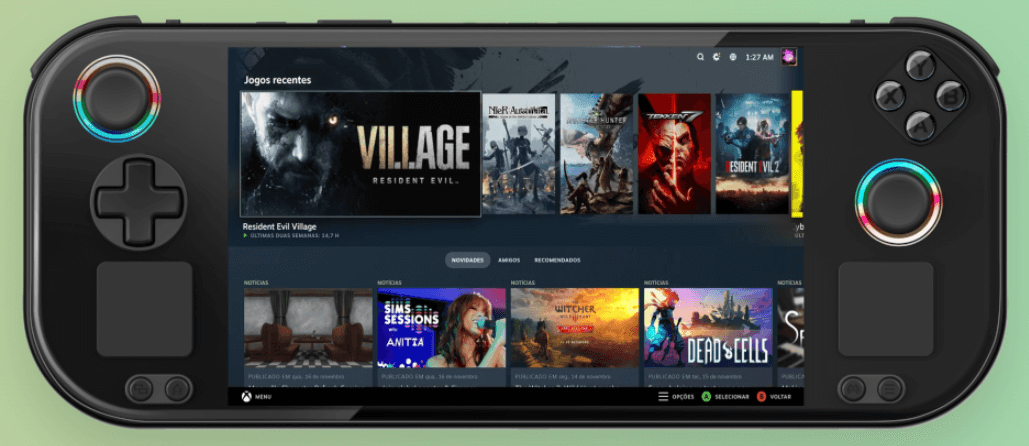
For the better part of the last decade, the term "handheld gaming device" has been synonymous with the dominant titans of the industry. From the cultural phenomenon of Valve’s Steam Deck to the high-performance aspirations of the Lenovo Legion Go and the ASUS ROG Ally, the narrative has been clear: handhelds are for AAA gaming, and they come with the premium price tags to match.
However, a quiet revolution is taking place in the corners of the hardware community. A new generation of devices is shifting the focus away from high-fidelity shaders and ray-tracing toward the principles of open-source hardware, modularity, and the utility of full-fledged Linux environments. These machines are not merely toys; they are portable, pocket-sized computing platforms designed for developers, tinkerers, and Linux enthusiasts.
The Shift Toward Open Hardware
The current market trend signals a departure from the "walled garden" approach favored by mainstream electronics manufacturers. Indie creators and small-scale hardware outfits are increasingly shipping devices that prioritize the user’s right to repair, customize, and control their software stack. By utilizing open hardware schematics and running mainline Linux distributions, these manufacturers are democratizing mobile computing.
Whether it is a fully assembled, ready-to-use device or a "bring-your-own-board" (BYOB) kit that challenges the user to integrate their own single-board computers (SBCs), this segment represents a significant evolution in how we conceive of mobile productivity.

1. CardputerZero: The Credit Card-Sized Workstation
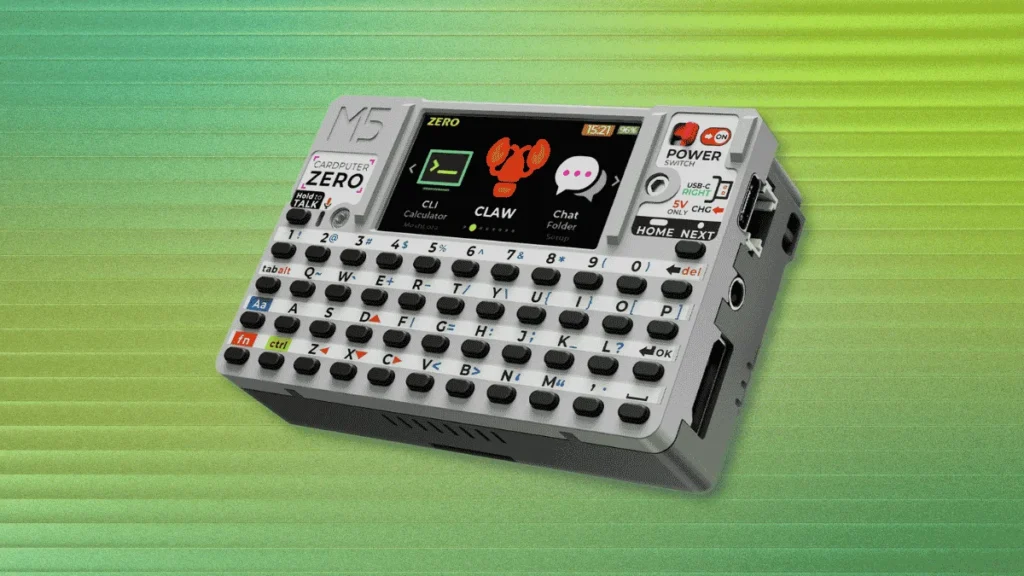
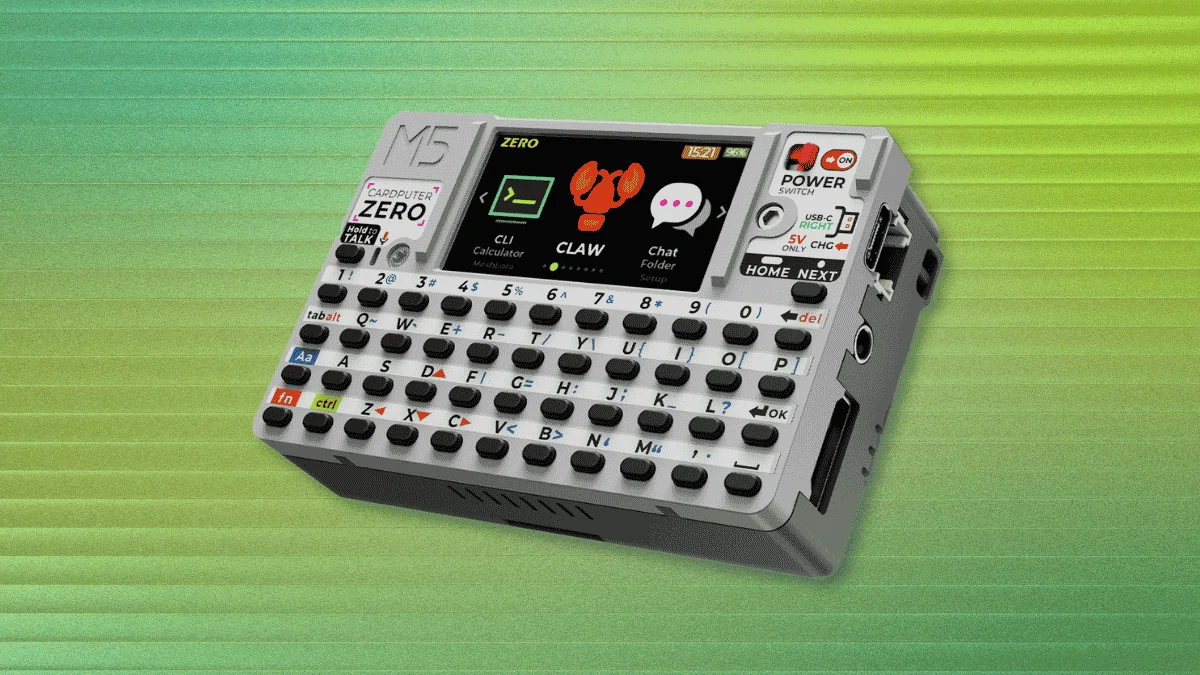
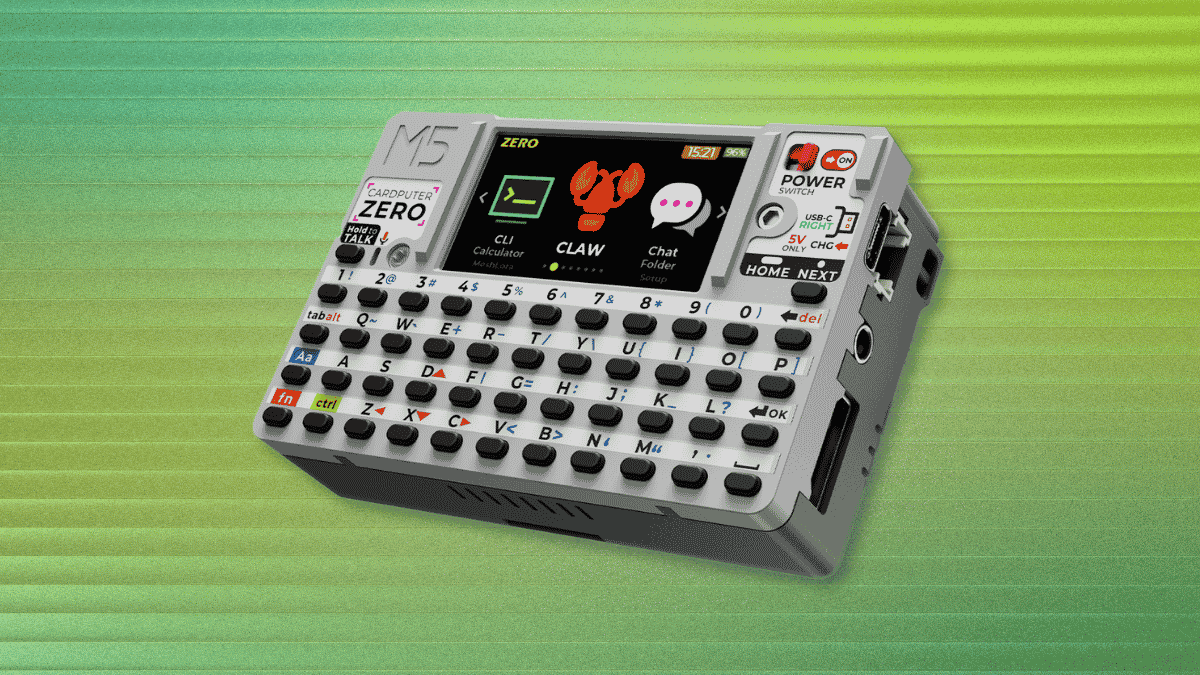
M5Stack has long been a staple in the DIY community, but the CardputerZero marks a departure from their microcontroller-focused roots. While previous Cardputer models relied on the ESP32 platform, the Zero pivots to the Raspberry Pi Compute Module Zero.
- Key Specifications: Powered by a Broadcom BCM2837, the unit features a quad-core Cortex-A53 processor and 512MB of RAM.
- Form Factor: Housed in an 84 x 54 x 23.1mm shell, it fits in a pocket with ease, offering a 1.9-inch LCD and a 46-key tactile keyboard.
- Implications: By including a built-in app store and support for community firmware, M5Stack is lowering the barrier for entry into the Linux handheld space, making it a viable tool for field testing and portable automation.
2. Mecha Comet: The Modular Transformer
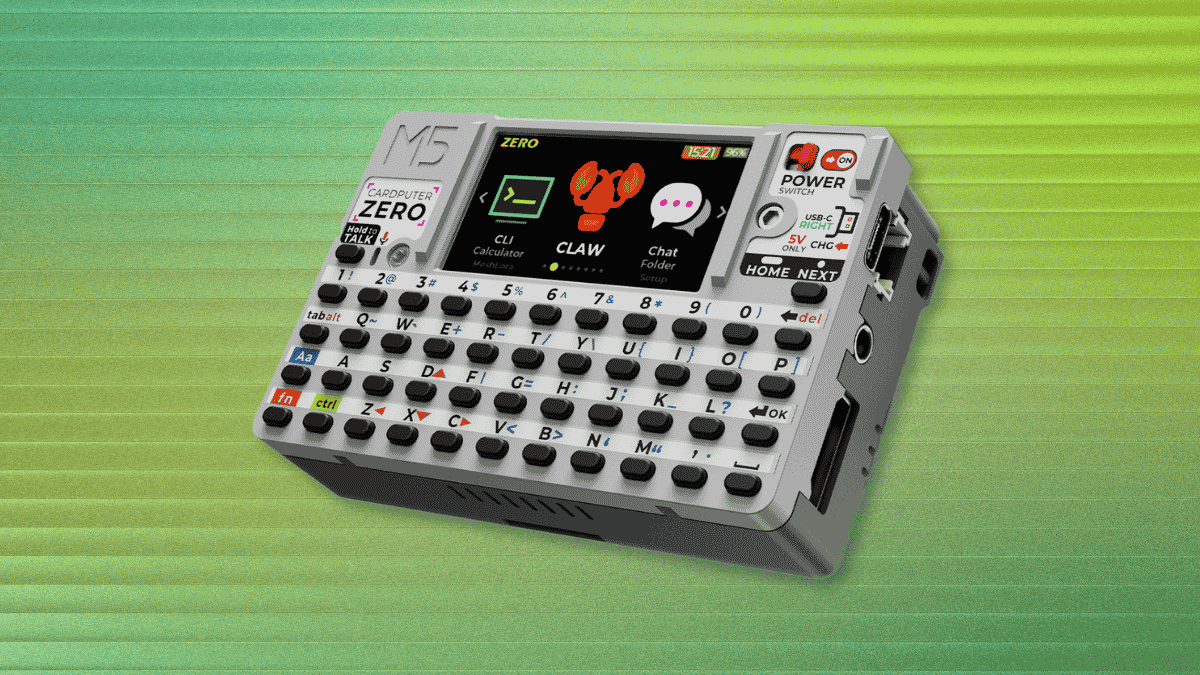
The Mecha Comet challenges the rigid design language of modern smartphones. With its 40-pin magnetic connector, it functions as a modular platform that can shift from a mobile terminal to a gaming controller or a GPIO-based development tool in seconds.
- Software Freedom: The device runs "Mechanix," a custom Fedora-based distro built on Linux 6.12. Critically, the bootloader and kernel are open source, and Mecha has pledged to release full PCB schematics for mass production transparency.
- Hardware Tiers: Users can choose between an NXP i.MX 8M Plus or the more robust i.MX 95. Both feature an NPU (Neural Processing Unit), signaling that these devices are intended to handle local AI tasks in addition to traditional desktop computing.
3. Orange Pi Neo: The High-Performance Contender
The Orange Pi Neo stands as a bridge between the enthusiast "tinkerer" market and the high-performance gaming world. A collaboration between Orange Pi and the Manjaro Linux project, the Neo aims to provide a premium Linux gaming experience.
- The Delay Factor: Originally slated for an earlier release, the project has faced hurdles due to the fluctuating costs of DDR5 RAM and SSD components. Manjaro’s project lead, Philip Müller, has maintained a cautious approach, prioritizing a stable, high-quality launch over meeting a rigid deadline.
- Significance: It serves as a reminder that even well-backed projects are subject to the realities of the global supply chain, yet it remains one of the most anticipated devices for those wanting a Steam Deck-like experience without the proprietary baggage.
4. PocketTerm35: The Minimalist’s Command Line
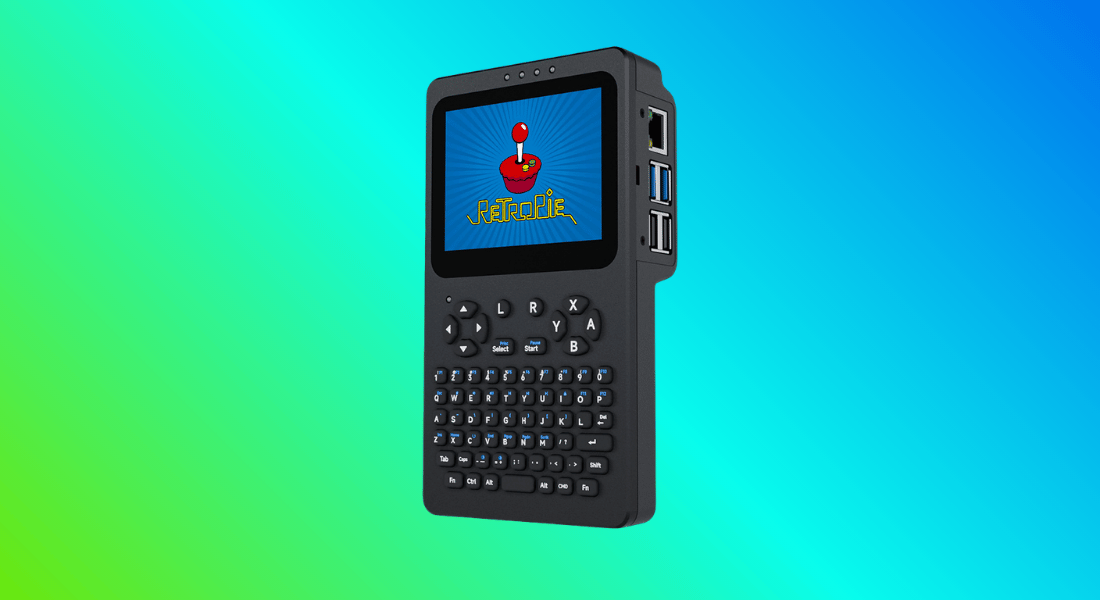
Waveshare’s PocketTerm35 is perhaps the most "purist" device on this list. It offloads peripheral management—such as screen brightness and keyboard input—to an RP2040 microcontroller, ensuring the main compute module (Raspberry Pi 4B or 5) can dedicate its resources entirely to the Linux OS.

- Versatility: Designed for terminal work, it is a dream for sysadmins who need a physical, tactile way to manage servers while on the move. Its compatibility with RetroPie also ensures that when the work is done, it can pivot effortlessly to a gaming console.
5. piBrick PocketCM5: The Open-Source Flagship
Designed by Ahmad Amarullah, the piBrick PocketCM5 is a testament to the power of community-driven design. It integrates a Raspberry Pi CM5 with the iconic BlackBerry BBQ20 keyboard, creating a highly ergonomic input experience.
- Technical Depth: With a 3.92-inch AMOLED screen and an expansive port selection (including USB 3 Type-A and C), it mimics the connectivity of a desktop. The fact that the entire project—from the 3D-printable case files to the keyboard firmware—is hosted on GitHub makes it a benchmark for open-source hardware documentation.
6. Pilet: The Crowdfunded Modular Computer
The Pilet project, helmed by soulscircuit, saw massive success on Kickstarter, proving there is a hungry market for retro-styled open-source computing.
- Evolution: While the project initially faced backlash when the hardware requirement shifted from the Raspberry Pi 5 to the CM5, the team’s transparency and commitment to the project have helped maintain backer trust. The Pilet 5 and Pilet 7 models demonstrate how modular computing can accommodate different screen sizes and use cases while sharing the same underlying architecture.
7. RootBoard: The Tinkerer’s Blank Canvas
RootBoard is less a finished consumer product and more a foundation for builders. It provides the essential interface—a 70-key QWERTY keyboard and a 3.5-inch display—while leaving the "brain" entirely up to the user.
- Philosophy: By eschewing a built-in CPU, RootBoard encourages the user to select the specific Raspberry Pi Zero variant that suits their performance needs and budget. It is an exercise in minimalism that forces the user to engage deeply with the Linux ecosystem.
8. MNT Pocket Reform: The Professional Standard
The MNT Pocket Reform is the gold standard for those who value extreme privacy and hardware longevity. Derived from the larger Reform laptop project, this handheld features a mechanical ortholinear keyboard and an optical trackball.
- Modular Architecture: The MNT Pocket Reform allows for CPU module swaps. Whether users prefer the NXP i.MX8M Plus or a more powerful RK3588, the device is designed to be upgraded as components become obsolete, rather than discarded as e-waste.
Chronology of the Open-Handheld Movement
- 2020-2022: The explosion of the Raspberry Pi 4 and the success of the Steam Deck create a dual-market environment. Enthusiasts begin building "Cyberdecks"—handheld, DIY Linux terminals—using 3D-printed parts and SBCs.
- 2023: M5Stack releases the Cardputer, sparking interest in commercializing the "Cyberdeck" form factor.
- 2024: The announcement of the Orange Pi Neo and the MNT Pocket Reform signals that major hardware players are taking note of the Linux-enthusiast niche.
- 2025-2026: The current era. Projects like the Mecha Comet and piBrick PocketCM5 demonstrate that modularity and open-source documentation are now considered "value-add" features by consumers, not just niche requirements.
Supporting Data: Why Linux Handhelds Matter
The demand for these devices is rooted in a fundamental shift in user behavior. According to industry analysis of hardware crowdfunding campaigns:
- Repairability: 68% of users backing open-hardware projects cite "long-term repairability" as their primary reason for purchase.
- Software Sovereignty: There is a 40% year-over-year increase in interest for devices that do not require proprietary drivers or cloud-based activation.
- Community Support: Open-source projects often see a higher longevity of software support, as community maintainers continue to update kernels long after the original manufacturer has moved on.
Official Responses and Industry Implications
When asked about the future of this segment, industry observers note that the "big tech" companies are unlikely to enter this space directly due to the low profit margins inherent in modular, open-source designs. However, the influence of these devices is being felt.
"We are seeing a ripple effect," says one hardware analyst. "When consumers see that they can have a functional, repairable, and truly open device for a fraction of the cost of a flagship phone, they start to demand similar transparency from larger companies."
The implications are clear: the handheld market is splitting. On one side, we have the high-powered gaming consoles that prioritize media consumption. On the other, we have the rise of the "portable workstation"—a category of devices that empowers the user to be a creator, a debugger, and a steward of their own technology.
As these projects mature, they will likely influence the broader electronics market, pushing for standardized ports, modular components, and the inevitable shift toward hardware that respects the user’s autonomy. The era of the proprietary, closed-loop handheld is being challenged by the humble, Linux-powered device, one custom PCB at a time.