Transcripta Bio Secures $24M to Pioneer Transcriptome-Based Drug Discovery
In the high-stakes arena of modern pharmaceutical research, where the attrition rate for new drug candidates often exceeds 90%, a Palo Alto-based startup is betting on a radical shift in methodology. Transcripta Bio, founded in 2023, has officially announced a $24 million funding round, signaling a significant vote of confidence from both institutional venture capital and strategic medical partners. With a focus on modulating gene expression signatures, the company aims to move beyond traditional target-based drug discovery, utilizing AI and robotic automation to decode the complex "blueprint" of cellular health.
Led by industry veteran Chris Moxham, PhD—a former vice president of quantitative biology at Eli Lilly and CSO of Folcrum Therapeutics—Transcripta Bio is positioning itself at the confluence of three rapidly maturing technologies: high-throughput sequencing, massive computational power, and advanced laboratory robotics.
The Evolution of the "Drug Hunter"
For three decades, Chris Moxham has operated at the front lines of drug discovery. Throughout his tenure at major pharmaceutical players, he witnessed the industry’s gradual transition from empirical observation to data-driven decision-making. However, he maintains that the tools available today represent a generational leap.
"Technology is now advancing to allow us to interrogate the transcriptome, which is a phenomenal blueprint for cell state and fate," Moxham told GEN Edge.
The transcriptome—the full range of messenger RNA molecules expressed by an organism—serves as the bridge between the static genetic code and the dynamic proteins that execute cellular functions. By mapping this landscape, Transcripta Bio seeks to treat diseases not just by hitting a single protein target, but by restoring the healthy expression signature of a cell. According to Moxham, the company’s current operational model would have been physically and computationally impossible as recently as five years ago.
A Three-Pronged Technological Framework
Transcripta Bio’s platform differentiates itself through a proprietary, three-tiered methodology designed to de-risk clinical assets long before they reach human trials.
1. Identifying the Disease Signature
The process begins with patient-derived single-cell RNA sequencing (scRNA-seq). By analyzing the precise transcriptomic state of cells affected by a specific disease—ranging from neurodevelopmental disorders to muscle-wasting conditions—the company creates a digital "signature" of the pathological state.
2. The "Drug Atlas"
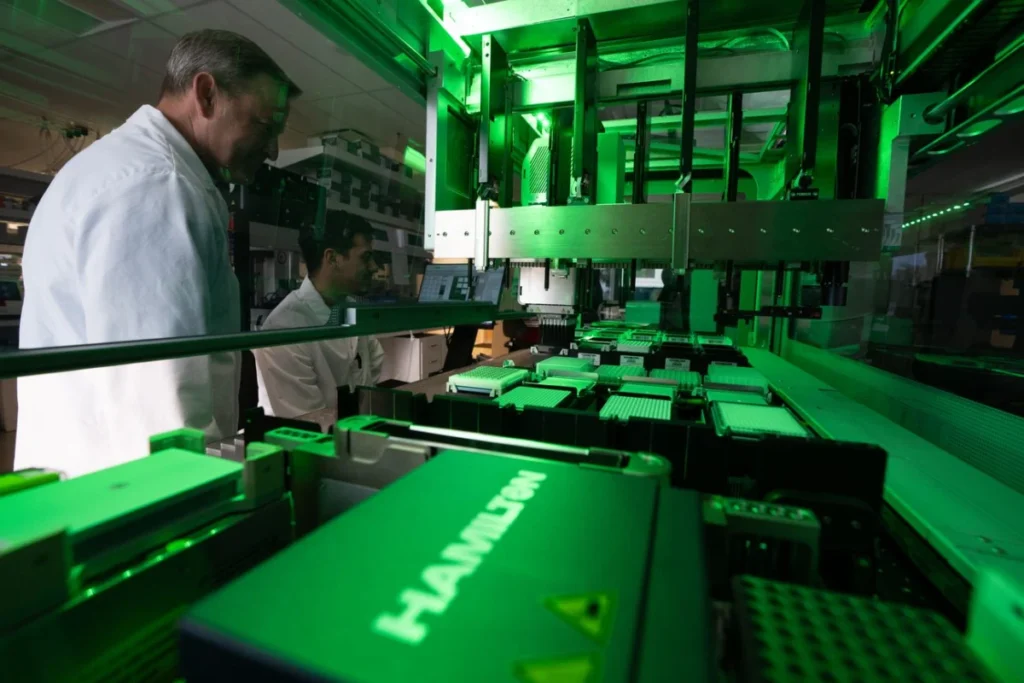
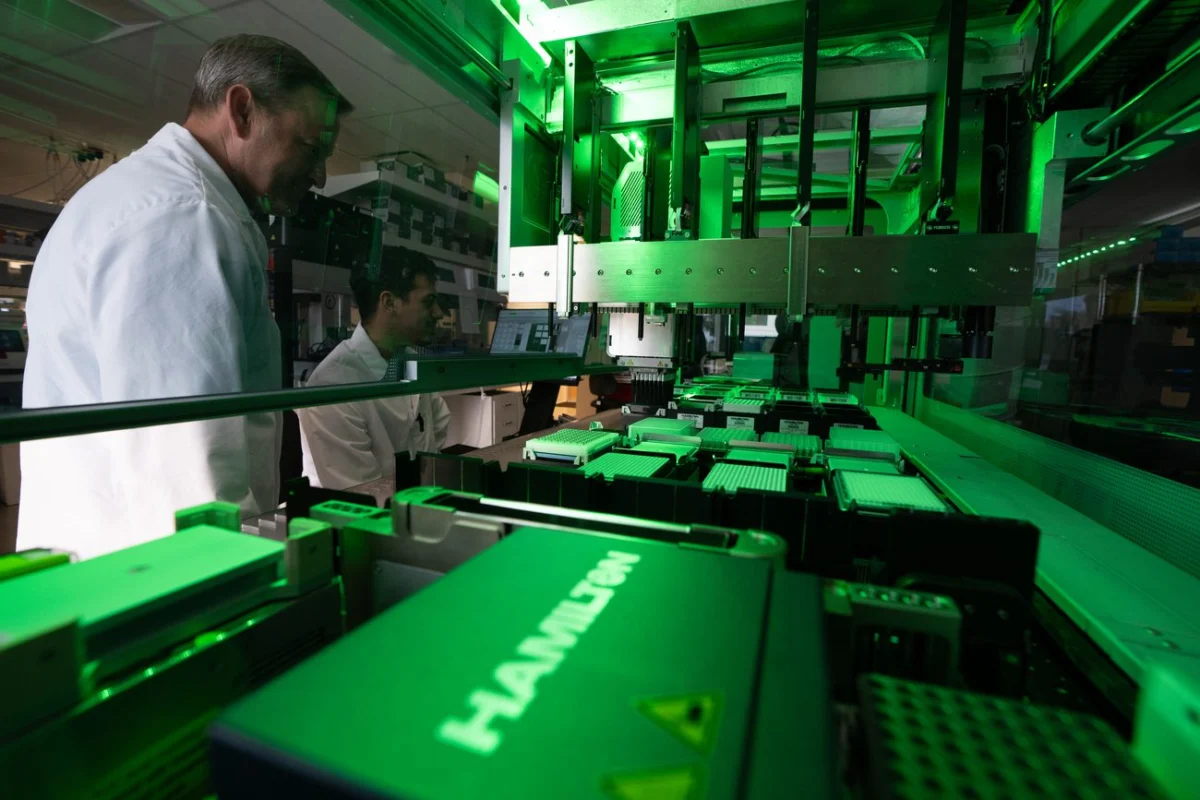
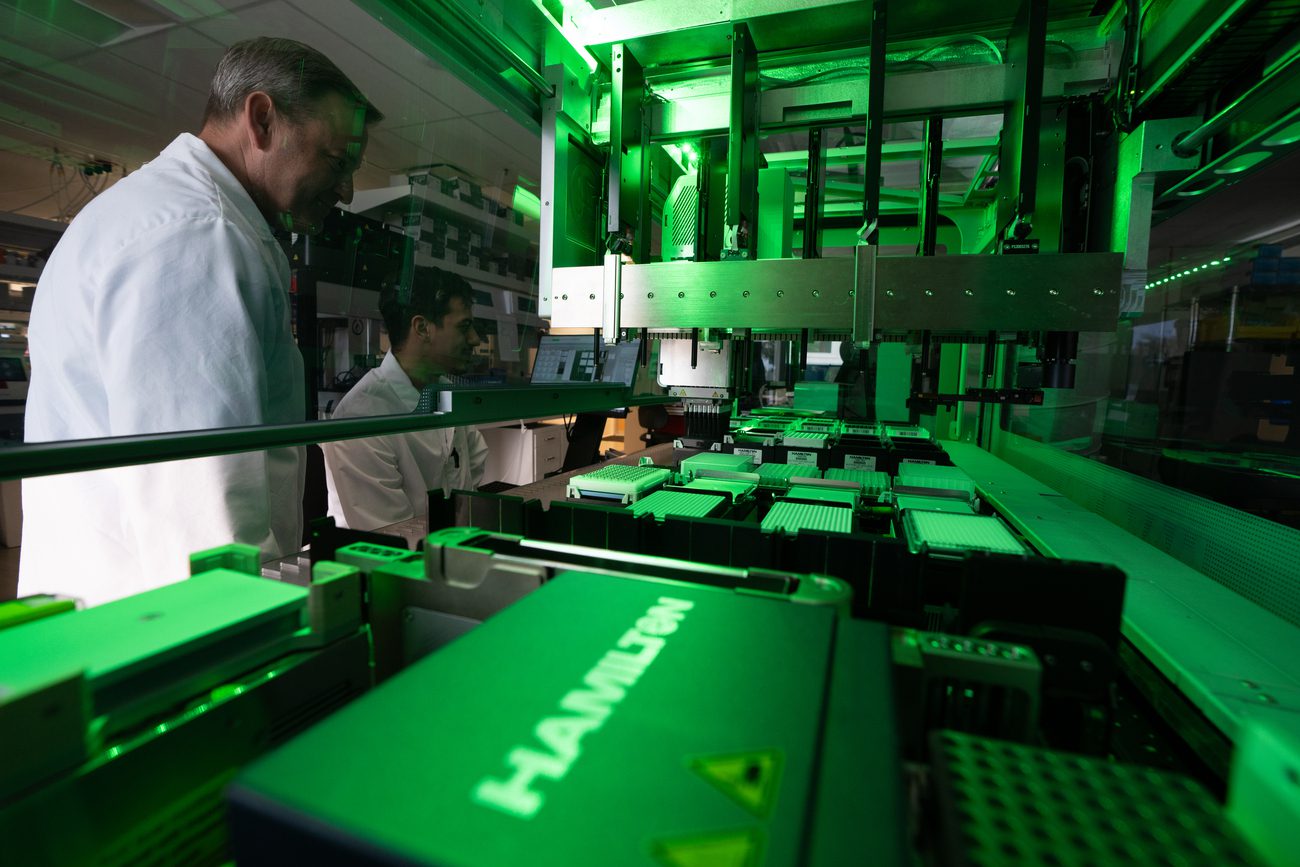
The heart of the platform is an in-house generated, high-dimensional "drug atlas." Through extensive robotic platforms, Transcripta measures the effects of small molecule perturbations across 80% of the transcriptome. This provides a comprehensive dose-response profile across diverse cellular contexts, including glutamatergic and motor neurons, fibroblasts, and keratinocytes.
3. AI-Driven Prediction
These massive datasets fuel the company’s AI models, which predict how specific compounds can modulate gene expression to reverse a disease signature. By focusing on the totality of the cell’s response rather than isolated interactions, the company aims to capture off-target effects and therapeutic potential with unprecedented accuracy.
Chronology of Progress: From Concept to Clinical Readiness
- 2023: Transcripta Bio is founded in Palo Alto, California, with a mission to leverage transcriptome modulation for therapeutic development.
- Early 2025: The company demonstrates proof-of-concept in 19q12 syndrome (a form of autism spectrum disorder), showing that the FDA-approved oncology drug entrectinib can reverse disease markers at low concentrations.
- Mid-2025: Successful case studies are reported where patients show clinical benefit within nine months of targeted treatment.
- July 2026: The company announces a $24 million funding round, supported by JAZZ Venture Partners, BlueYard Capital, the Mayo Clinic, and Omnimed.
- 2027 (Upcoming): The company plans to file an Investigational New Drug (IND) application for its Huntington’s disease program and expects to launch a new cohort of therapeutic programs by Q2 2027.
Supporting Data and Therapeutic Scope
Transcripta Bio’s pipeline is deliberately bifurcated: it pursues both novel small molecules and the repurposing of clinical-stage assets. The latter strategy is a cornerstone of the company’s fiscal and operational efficiency. By leveraging existing human safety data from previously approved drugs, the company significantly shortens development timelines and reduces the capital expenditure typically required for early-stage clinical trials.
The efficacy of this strategy was highlighted in the company’s work on 19q12 syndrome. By identifying entrectinib—a drug originally developed for oncology—as a potential modulator for this specific autism-related signature, the company bypassed years of basic research.
Furthermore, the company is making significant strides in its Huntington’s disease program. The platform successfully identified novel molecules capable of downregulating MSH3, a validated therapeutic target involved in DNA mismatch repair. This targeted approach to modulating MSH3 is expected to move into the IND-enabling phase, with regulatory filings anticipated in the coming year. Additional pre-IND research is currently underway for facioscapulohumeral muscular dystrophy (FSHD) and myotonic dystrophy, expanding the company’s reach into the complex world of rare neuromuscular diseases.
Official Perspectives: Investors and Leadership
The recent funding round represents more than just capital; it represents a strategic alignment with healthcare institutions. The inclusion of the Mayo Clinic and Omnimed as investors suggests that Transcripta’s platform is being viewed not merely as a computational model, but as a viable pipeline for clinical medicine.
For Moxham, the funding is a necessary step to reach what he describes as the "moment of truth" for any drug developer: Phase II clinical trials. "Phase II is where the rubber meets the road," he notes. By utilizing AI to identify high-confidence candidates, Transcripta aims to improve the dismal success rates of the broader pharmaceutical industry, where the probability of a drug moving from Phase I to approval remains a significant hurdle.
"We are now looking at hundreds of diseases with this type of approach," Moxham says, highlighting the scalability of the platform. Unlike traditional drug discovery, which often requires a "one-target, one-drug" mindset, Transcripta’s focus on the transcriptomic signature allows for a more generalized, systematic approach to drug discovery across a vast array of pathologies.
Implications for the Future of Drug Discovery
The rise of companies like Transcripta Bio marks a pivotal moment in the "digitalization" of biology. As the industry moves away from the "trial and error" paradigm, the ability to model the impact of small molecules on the entire transcriptome offers a potential solution to the industry’s productivity crisis.
Key Takeaways:
- Scalability: By utilizing robotic automation, the company can process vast quantities of data, creating a feedback loop that improves the predictive power of their AI models with every experiment.
- Translational Speed: The dual approach of developing novel molecules while repurposing existing ones provides a balanced portfolio that manages risk while maintaining the potential for high-impact breakthroughs.
- Precision Medicine: By tailoring treatments to the specific gene expression signatures of individual diseases, Transcripta is aligning itself with the broader movement toward personalized, mechanism-based therapeutics.
As Transcripta Bio prepares for its next phase of growth, the biotechnology sector will be watching closely to see if their AI-driven, transcript-focused model can deliver on its promise. With fifteen employees currently driving an ambitious, multi-disease pipeline, the company stands as a testament to how the integration of high-throughput data and artificial intelligence is fundamentally rewriting the rules of the pharmaceutical industry. If their upcoming clinical trials for Huntington’s disease and other conditions yield the results they anticipate, Transcripta Bio may well set the new standard for how we identify and develop the next generation of life-saving medicines.