Young Makers Dive Deep: How a £130 Raspberry Pi Underwater Camera Is Revolutionizing Citizen Science
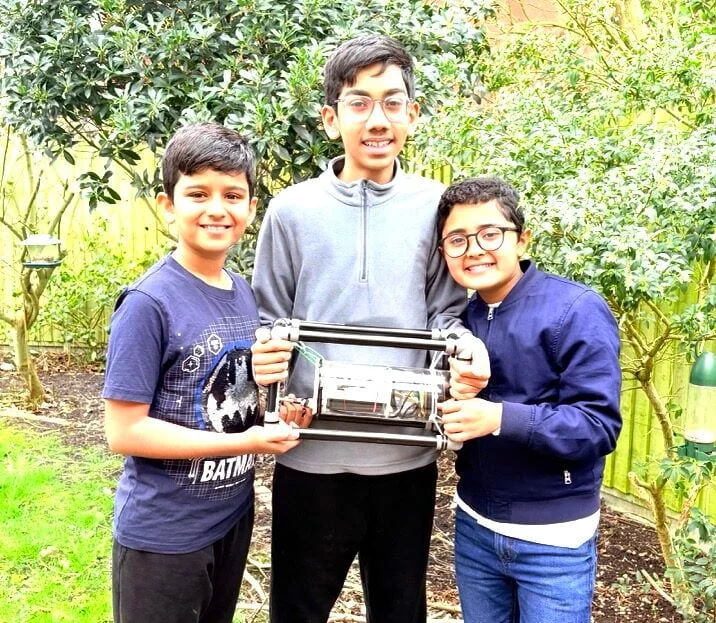
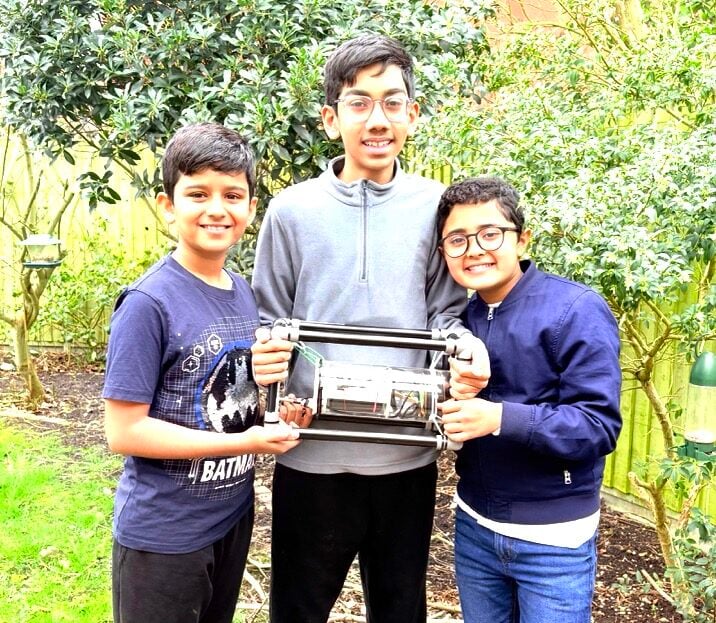
CAMBRIDGE, UK — When standard commercial gear falls out of reach, ingenuity often takes the helm. For three young tech enthusiasts aged 10 to 13, the refusal of adults to buy an expensive GoPro camera sparked a chain reaction that resulted in "Sensea"—a low-cost, high-efficiency DIY underwater explorer. Built for roughly £130, this ingenious device captures high-definition video and vital ecological data from local rivers and lakes, proving that world-class scientific exploration is no longer reserved for heavily funded institutions.
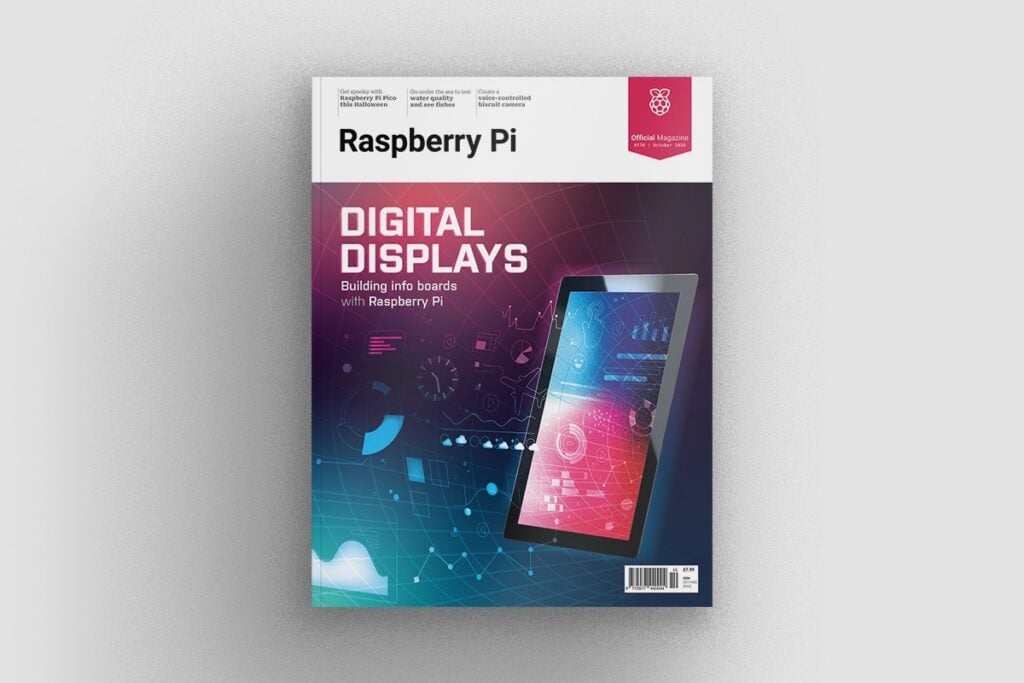
Featured prominently in Issue 170 of the Raspberry Pi Official Magazine, the Sensea project has also captured top honors in Instructables’ Sensors Contest. Behind this triumph is the "Unboxed STEM Club," a collective of youthful curiosity and adult mentorship that treats complex engineering challenges as interconnected puzzles waiting to be solved.
Main Facts: The Anatomy of Sensea
At its core, Sensea is a citizen-science ecosystem engineered to investigate the hidden depths of local aquatic environments. Rather than relying on commercial, off-the-shelf aquatic drones—which can cost thousands of dollars—the team designed a custom-built rig centered around accessible, modular technology.
The primary components of the Sensea build include:
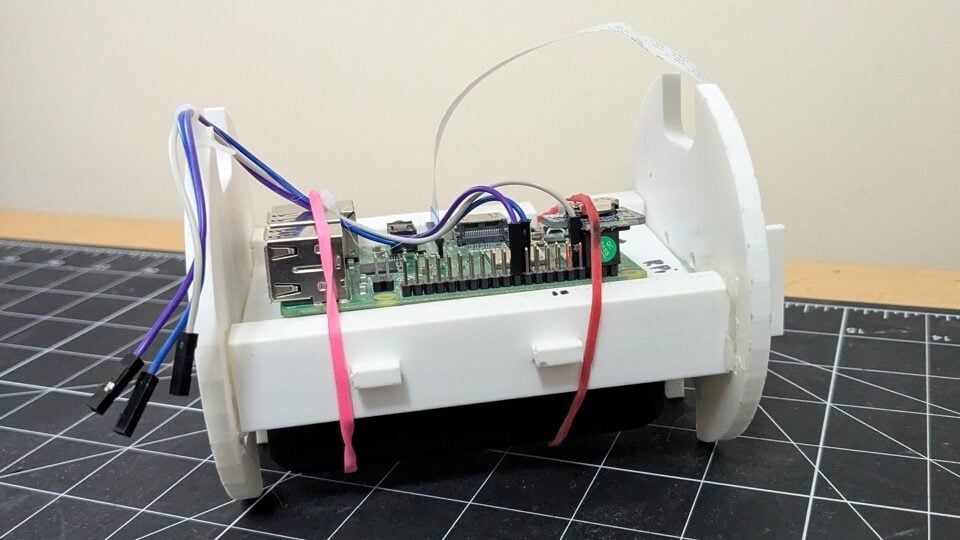
- The Brain: A Raspberry Pi 3 Model B+ single-board computer, chosen for its low power consumption, affordability, and robust community support.
- The Eyes: A Raspberry Pi Camera Module 3, configured with manual fixed focus to cut through the visual noise of suspended river sediment.
- The Sensors: A waterproof DS18B20 temperature probe for gathering thermal data, paired with a PCF8523 real-time clock (RTC) module to ensure accurate time-stamping independent of an internet connection.
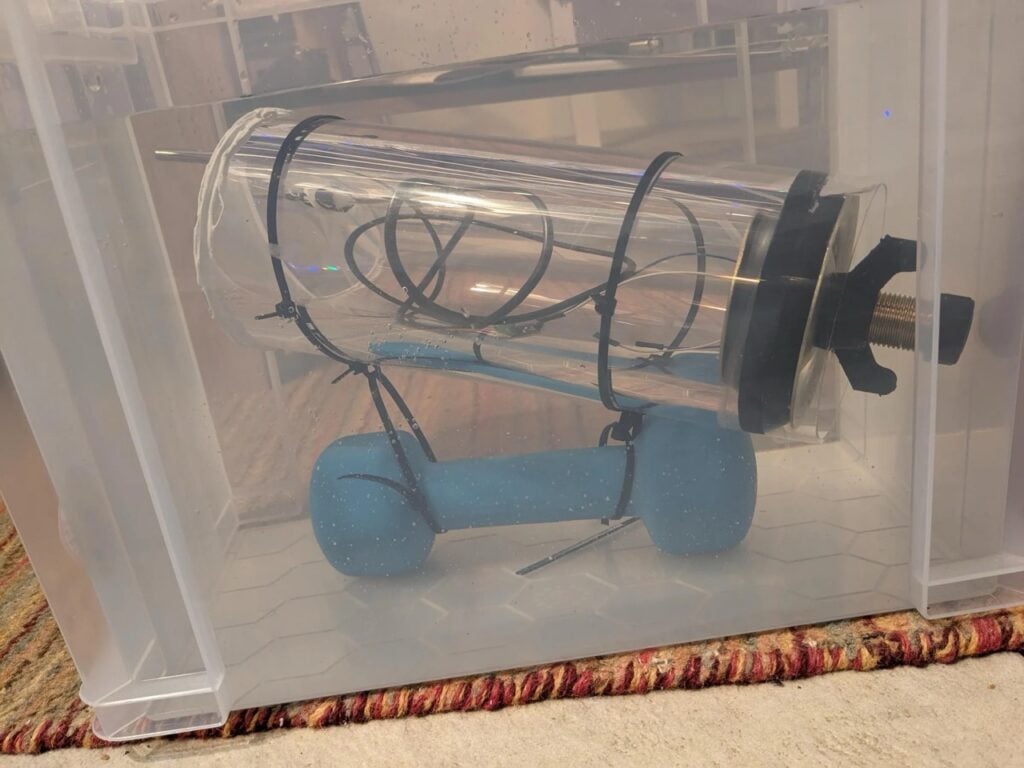
- The Chassis: A transparent acrylic pressure chamber sealed at one end with a 10.5cm marine-epoxy disc and a waterproof cable gland, and capped at the other with a plumbing-grade expanding drain plug.
- The Ballast: A 2kg bone-shaped dumbbell acting as ballast to steadily sink the rig to the riverbed without the need for complex, failure-prone motor propulsion systems.
Powered by a standard 5V USB power pack, the entire assembly executes automated Python scripts (sensea_logger.py) that log temperature variations and trigger 10-second high-definition video captures, storing all data securely on a local microSD card.
Chronology: From Rejected Wishlist to Award-Winning Build
The journey of Sensea spans months of collaborative iteration, weekend brainstorming, and hands-on trial-and-error.
Phase 1: Inception and Problem-Solving
The project began when young makers Pinak, Vihaan, and Yuvan—guided by mentors Kshitij Varma and Dr. Amol Patil—expressed an intense desire to explore underwater environments. When initial requests for a commercial action camera were denied, the team pivoted. Inspired by the rhetoric surrounding river and ocean conservation, they realized there was a severe lack of accessible tools for ordinary people to monitor aquatic health. They decided to build their own.
Phase 2: Choosing the Tech and Prototyping
Selecting the Raspberry Pi 3 Model B+ was a turning point. None of the boys had previously used a Raspberry Pi in their STEM Club projects, but the hardware’s versatility, massive online knowledge base, and low price point made it the ultimate vehicle for their ambitions.
Phase 3: The Waterproofing Challenge
The most perilous phase of development involved keeping the sensitive electronics dry while ensuring sensors could accurately read the water. The team engineered a transparent acrylic tube housing. Rigorous testing protocols were established: before any deployment, the fully sealed tube and cable are submerged in a bucket of water for five minutes to check for rising bubbles. Only upon passing this "leak test" is the unit deployed into the wild.
Phase 4: Field Testing and Deployment
With buoyancy mastered via the 2kg dumbbell ballast, the team began field-testing Sensea in real-world environments. Initial deployments successfully compared the aquatic ecosystems and thermal profiles of the River Cam and a nearby lake, Todd’s Pit.
Phase 5: Recognition
Following its field trials, the project was documented on Instructables and submitted to the platform’s Sensors Contest, where it took home first place. The project subsequently caught the eye of the wider maker community, securing a feature in the latest edition of the Raspberry Pi Official Magazine.
Supporting Data & Technical Specifications
To understand the viability of Sensea as a citizen science tool, one must examine the cost-to-performance ratio and technical resilience of the build.
| Component / Parameter | Specification | Purpose / Function |
|---|---|---|
| Microcomputer | Raspberry Pi 3 Model B+ | Executes Python logging scripts, manages camera and sensors. |
| Imaging System | Raspberry Pi Camera Module 3 | Captures 10-second underwater video clips (manual fixed focus). |
| Thermal Monitoring | Waterproof DS18B20 Probe | Logs precise, time-stamped water temperature readings. |
| Timekeeping | PCF8523 Real-Time Clock (RTC) | Ensures data points have accurate stamps without network access. |
| Enclosure | Custom Acrylic Tube + Drain Plug | Pressure-resistant housing; keeps electronics completely dry. |
| Ballast | 2kg Dumbbell | Provides stable, dead-weight descent to the riverbed. |
| Power Source | Standard 5V USB Power Bank | Delivers prolonged operational life via low power consumption. |
| Total Cost | Approx. £130 | Keeps advanced aquatic exploration economically viable for hobbyists. |
The choice of a manual fixed focus is a data-driven triumph in itself. While modern cameras rely heavily on autofocus, aquatic environments are rife with micro-debris, plankton, and suspended sediment. Autofocus mechanisms tend to "hunt" or lock onto floating particles rather than the background terrain. By locking the focus manually, the Unboxed STEM Club achieved dramatically sharper, more stable footage of aquatic life and riverbeds.
Official Responses and Mentorship Perspectives
The success of Sensea underscores the profound impact of peer-supported, mentor-guided education. The Unboxed STEM Club operates on a philosophy that rejects rote memorization in favor of exploratory problem-solving.
"The boys’ defining approach is to ask lots of questions, look at problems as connected puzzles with many possible answers, and keep trying hands-on solutions even if things go wrong at first," notes the club’s advisory framework.
Mentors Kshitij Varma and Dr. Amol Patil stepped back to allow the young makers to take the engineering reins. Rather than stepping in at the first sign of trouble—such as buoyancy miscalculations or wiring hurdles—the mentors fostered an environment where failure was treated merely as data collection.
Raspberry Pi community leaders have likewise lauded the project. By relying on the vast, collaborative documentation hosted online by thousands of global Raspberry Pi users, the boys demonstrated how modern open-source ecosystems empower the next generation of engineers, coders, and environmental scientists.
Implications: The Future of Low-Cost Citizen Science
The ripple effects of the Sensea project extend far beyond local ponds in Cambridge. By breaking down the financial and technical barriers associated with underwater exploration, the Unboxed STEM Club has mapped out a blueprint for scalable, grassroots environmental monitoring.
1. Democratizing Environmental Monitoring
Traditionally, water quality testing and underwater videography required expensive commercial submersibles, professional marine cameras, and dedicated institutional funding. Sensea demonstrates that a £130 investment can yield actionable environmental data. Local communities, schools, and amateur conservation groups can replicate this setup to monitor pollution, track local biodiversity, and hold local authorities accountable for river health.
2. Potential Project Expansions
The modular nature of the Raspberry Pi ecosystem leaves the door open for advanced iterations. The team has already discussed several upgrades for future deployments:
- pH Sensors: Integrating chemical sensors to monitor water acidity and detect industrial runoff or agricultural pollution.
- Depth and Pressure Sensors: Mapping underwater topography and precise submersion depths.
- AI-Powered Species Identification: Deploying machine learning models directly on the edge (using tools like TensorFlow Lite on Raspberry Pi) to automatically classify fish, plant species, and invasive organisms captured on video.
- Alternative Deployments: Modifying the housing and sensor suite to monitor air quality, greenhouse microclimates, or surface-level water metrics via floating buoys.
3. Inspiring the Next Wave of Makers
Perhaps the most significant implication of Sensea is its cultural footprint. By proving that children can conceive, build, and deploy functional scientific hardware without corporate backing, the project serves as a clarion call for STEM education worldwide. It bridges the gap between passive consumption of technology and active, purposeful creation.
As environmental challenges mount globally, innovations born from curiosity—like a repurposed Raspberry Pi strapped to a dumbbell inside an acrylic tube—remind us that the solutions to complex problems often begin with a simple, unanswered question: What lies beneath?
For readers interested in building their own environmental monitoring tools, detailed breakdowns of projects like Sensea can be found in the latest editions of the Raspberry Pi Official Magazine, available via print subscription (which currently includes a complimentary Raspberry Pi Pico 2 W) or through their digital archives.