CAMBRIDGE, UK — When three young technology enthusiasts were told that professional-grade marine exploration gear like a GoPro was out of the question for their weekend tinkering, they didn’t drop the project. Instead, they built something far more innovative.
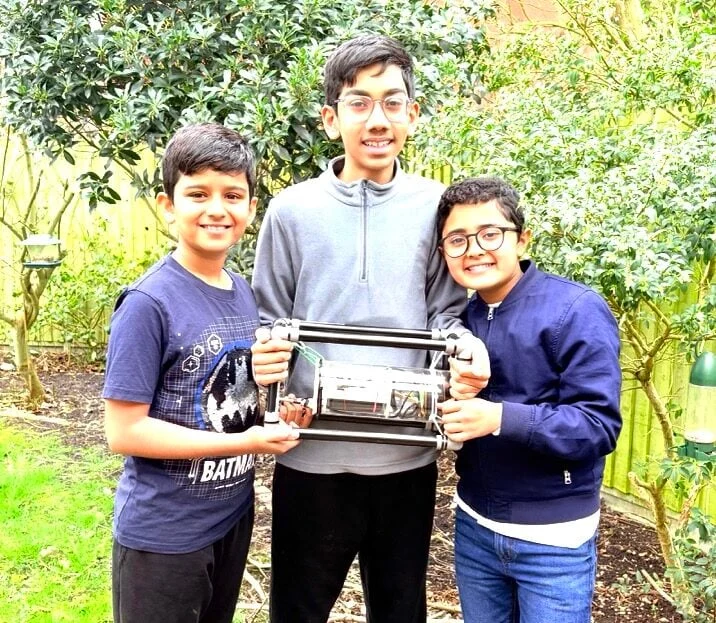
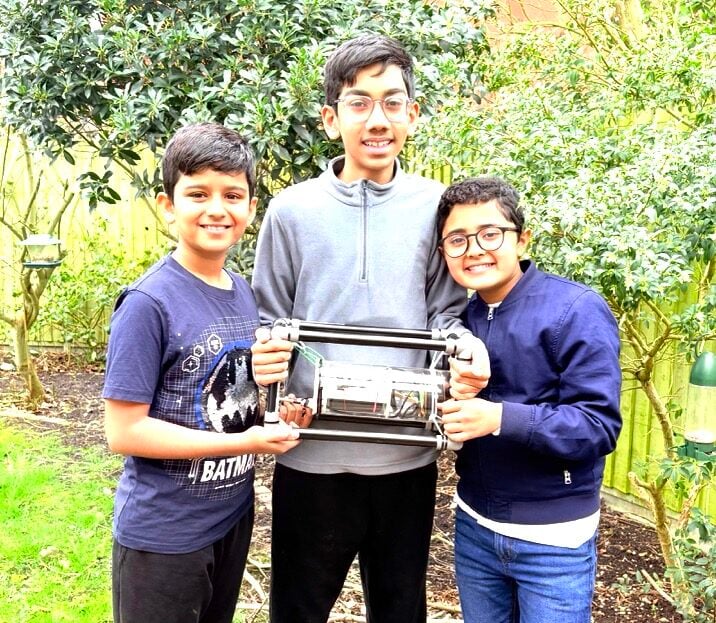
Pinak, Vihaan, and Yuvan—three bright makers aged 10 to 13—make up the UnboxedSTEMClub, a grassroots collective meeting every weekend alongside dedicated adult mentors Kshitij Varma and Dr. Amol Patil. Rather than settling for off-the-shelf consumer gadgets, the team engineered Sensea, a custom-built, low-cost DIY underwater camera powered by a Raspberry Pi 3 Model B+.
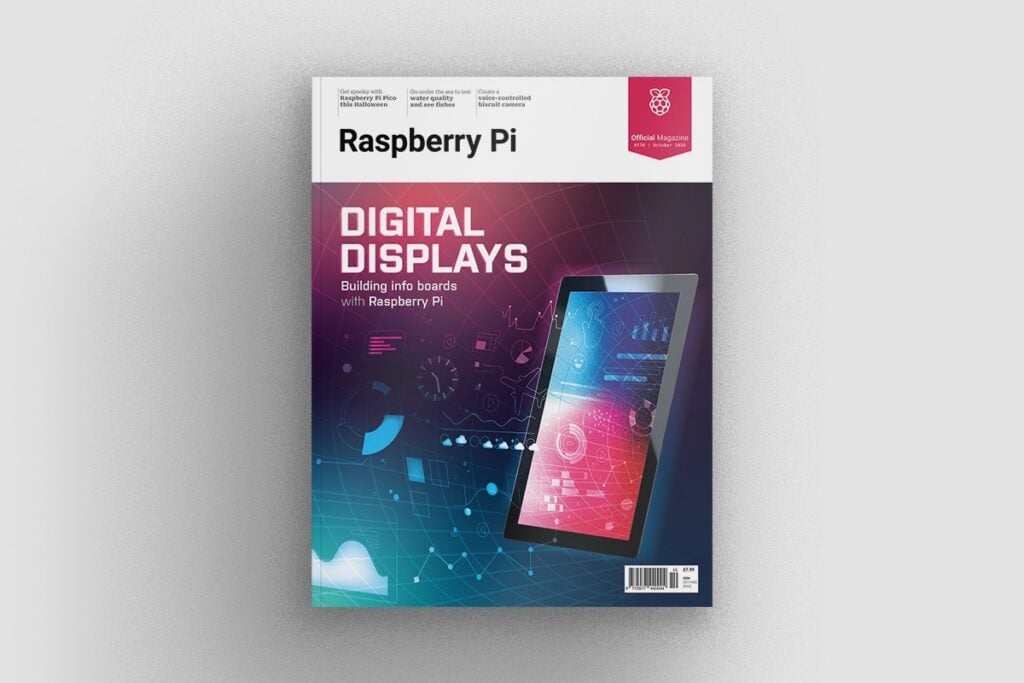
Totaling around £130 in parts, Sensea was designed to investigate water quality, monitor aquatic ecosystems, and reveal what truly lurks beneath the surface of local ponds and rivers. Their ingenuity has not gone unnoticed: featured prominently in the latest issue of Raspberry Pi Official Magazine, the project has also captured top honors in Instructables’ Sensors Contest.
Main Facts: Engineering Beneath the Surface
The Sensea project represents a masterclass in frugal, effective engineering. Built to operate in murky riverbeds and still lakes, the rig relies on a carefully orchestrated combination of hardware and software designed to withstand hydrostatic pressure while capturing high-definition environmental data.
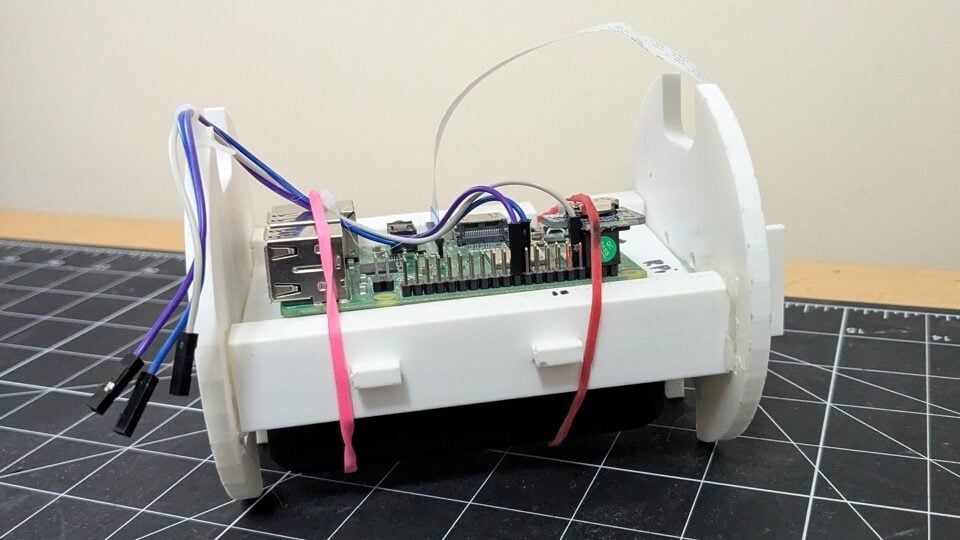
The Brains: A credit-card-sized Raspberry Pi 3 Model B+, chosen for its low power consumption, compact form factor, and expansive maker community.
The Optics: A Raspberry Pi Camera Module 3, featuring a manually set fixed focus to prevent autofocus mechanisms from hunting uselessly when encountering suspended silt and river particles.
The Sensors: A waterproof DS18B20 temperature probe for tracking thermal variations, paired with a PCF8523 real-time clock (RTC) to ensure accurate, offline data-logging.
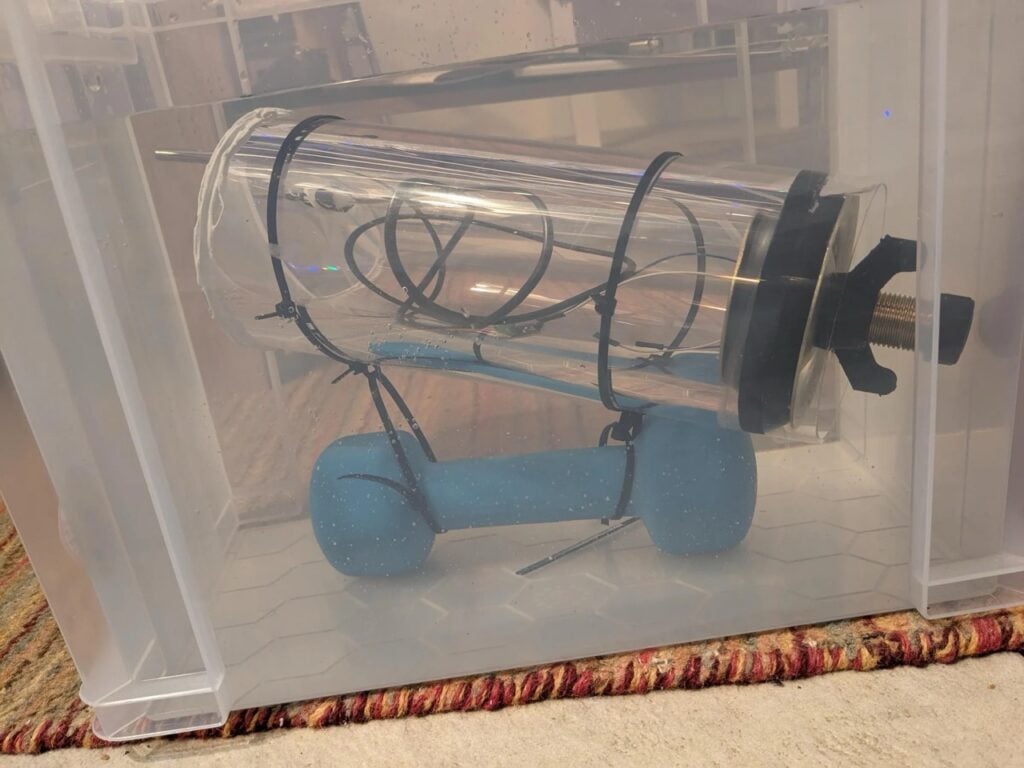
The Enclosure: A transparent acrylic pressure chamber sealed on one end with a permanently bonded 10.5cm acrylic disc and secured on the other by an expanding plumbing drain plug.
The Ballast: Rather than incorporating complex motor-driven propellers or thrusters, Sensea relies on a gravity-fed descent facilitated by a repurposed 2kg bone-shaped dumbbell.
The Cost: Approximately £130, making advanced citizen science accessible to hobbyists, schools, and young makers worldwide.
Chronology of the Build: From Concept to Riverbed
The journey of Sensea spans months of collaborative brainstorming, trial-and-error prototyping, field testing, and iterative refinement.
Phase 1: Inception and Ideation
The Unboxed STEM Club was founded on a simple philosophy: treat problems as connected puzzles with multiple potential answers, and never shy away from hands-on failure. Inspired by public discussions surrounding river and ocean conservation, the boys realized there was a distinct lack of affordable tools for everyday people to monitor aquatic health. They wanted to peer past the surface murkiness of their local waterways—specifically the River Cam and a nearby lake known as Todd’s Pit.
Phase 2: Hardware Selection and Prototyping
After their pleas for an expensive GoPro were denied, the team pivoted to the Raspberry Pi ecosystem. Drawn by the platform’s robust documentation, Python programmability, and active online community, they designed a system architecture that prioritized low power draw and reliability. They selected a standard 5V USB power pack to keep the system running untethered for extended periods.
Phase 3: Solving the Waterproofing Puzzle
The greatest engineering hurdle was keeping the sensitive electronics bone-dry while allowing sensors to interface with the water and the camera to record a clear field of view. The team engineered a transparent acrylic tube.
One end was sealed using marine epoxy and pierced with a waterproof cable gland to feed the DS18B20 temperature probe through safely.
The opposite end utilized an expanding plumbing drain plug, allowing the team to easily swap rechargeable batteries and clear the microSD card between deployments.
Before trusting the electronics to the depths, the team instituted a rigorous safety protocol: submerging the fully sealed tube and cable assembly in a bucket of water for five minutes to check for rising bubbles.
Phase 4: Field Testing and Deployment
Achieving proper buoyancy was another iterative challenge. After experimenting with various weights and configurations, the team bolted a 2kg bone-shaped dumbbell to the assembly. This reliable ballast acts as a dead-weight anchor, smoothly sinking Sensea to the muddy beds of local water bodies.
Once submerged, a custom Python script titled sensea_logger.py takes over. It orchestrates the capture of 10-second high-definition video clips, logs time-stamped temperature readings, and saves everything securely onto the Raspberry Pi’s microSD card for post-retrieval analysis.
Supporting Data & Technical Specifications
To understand the efficacy of the Unboxed STEM Club’s creation, it is helpful to examine the operational parameters and component hierarchy of the Sensea rig:
Component
Make / Model
Function
Microcomputer
Raspberry Pi 3 Model B+
Core processing, script execution, and peripheral control
Imaging Unit
Raspberry Pi Camera Module 3
Capturing 10-second underwater video clips (manual focus)
Thermal Probe
DS18B20 (Waterproof)
Logging high-precision, time-stamped water temperature data
Real-Time Clock
PCF8523 RTC module
Maintaining accurate chronological data stamps without internet
Power Source
Standard 5V USB Power Bank
Delivering low-draw, sustained electricity to the rig
Hull / Housing
Custom Acrylic Tube + Marine Epoxy
Acting as a transparent, high-pressure waterproof chamber
Ballast System
2kg Bone-Shaped Dumbbell
Providing stable, passive sinking dynamics to lake and riverbeds
Initial deployments successfully mapped contrasting thermal profiles between the flowing waters of the River Cam and the still, enclosed environment of Todd’s Pit, proving that the low-cost sensor suite could yield genuine comparative scientific data.
Official Responses and Perspectives
The project has captured the attention of the wider maker and educational communities, serving as a shining example of youthful curiosity paired with technical aptitude.
"We often talk about protecting oceans and rivers, but rarely have the tools to measure what’s happening below the surface," noted the young creators during interviews with the maker community. By rejecting the notion that scientific exploration requires high-end corporate equipment, Pinak, Vihaan, and Yuvan demonstrated that ingenuity and open-source hardware can bridge the gap.
Mentors Kshitij Varma and Dr. Amol Patil praised the boys’ resilience, noting that their willingness to treat setbacks as learning opportunities allowed them to overcome complex challenges in fluid dynamics, acrylic bonding, and Python scripting without heavy-handed adult intervention.
The broader tech community has echoed this praise. Judges at Instructables recognized the ingenuity of the build, awarding Sensea top placement in the international Sensors Contest. Furthermore, the project’s deep-dive documentation caught the eye of editors at Raspberry Pi Official Magazine, cementing its status in Issue 170.
Implications: The Future of DIY Citizen Science
The success of the Sensea project extends far beyond a weekend hobbyist experiment. It highlights a growing shift toward accessible citizen science, where everyday communities can monitor their local environments using affordable, programmable technology.
Expanding Capabilities
The Unboxed STEM Club is not resting on its laurels. The modular nature of the Raspberry Pi platform leaves the door open for future upgrades. Planned iterations for Sensea and similar DIY probes include:
pH and Chemical Sensors: To actively monitor urban runoff and agricultural pollution in local watersheds.
Pressure and Depth Transducers: To map topographical profiles of underwater hazards or lakebeds.
AI-Powered Species Identification: Utilizing lightweight machine learning models on the edge to automatically identify local fish, crustacean, and plant species in real time.
Cross-Disciplinary Applications
Beyond underwater exploration, the fundamental framework of Sensea—a waterproof, low-power, programmable sensor hub—can easily be repurposed. Similar rigs could be deployed as floating surface buoys to monitor agricultural runoff, enclosed in greenhouses to track humidity and temperature gradients, or mounted in urban environments as low-cost air quality stations.
As environmental challenges grow more complex, the work of Pinak, Vihaan, and Yuvan proves that the next generation of environmental stewards won’t just wait for solutions to be handed down—they will code, solder, and build them themselves.
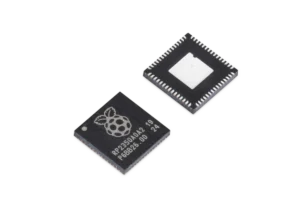
The full, step-by-step breakdown of the Sensea project can be found in Issue 170 of Raspberry Pi Official Magazine, available now in print and online digital formats. Subscribers signing up for 6- or 12-month print packages also receive a complimentary Raspberry Pi Pico 2 W.