Revolutionizing Customization: NaKyle Wright Unveils "Inkterface" E-Ink Faceplate for Valve’s Steam Machine
FOR IMMEDIATE RELEASE
[City, State] – [Date, e.g., July 15, 2026] – In a significant development for hardware enthusiasts and the vibrant community surrounding Valve’s gaming ecosystem, NaKyle Wright has officially released "Inkterface," an meticulously documented open-source design for an E-ink faceplate tailored specifically for the recently launched Steam Machine. This innovative project embodies Valve’s long-standing philosophy of fostering a "hacker-friendly" environment, providing users with an unprecedented level of customization and functional enhancement for their gaming hardware.
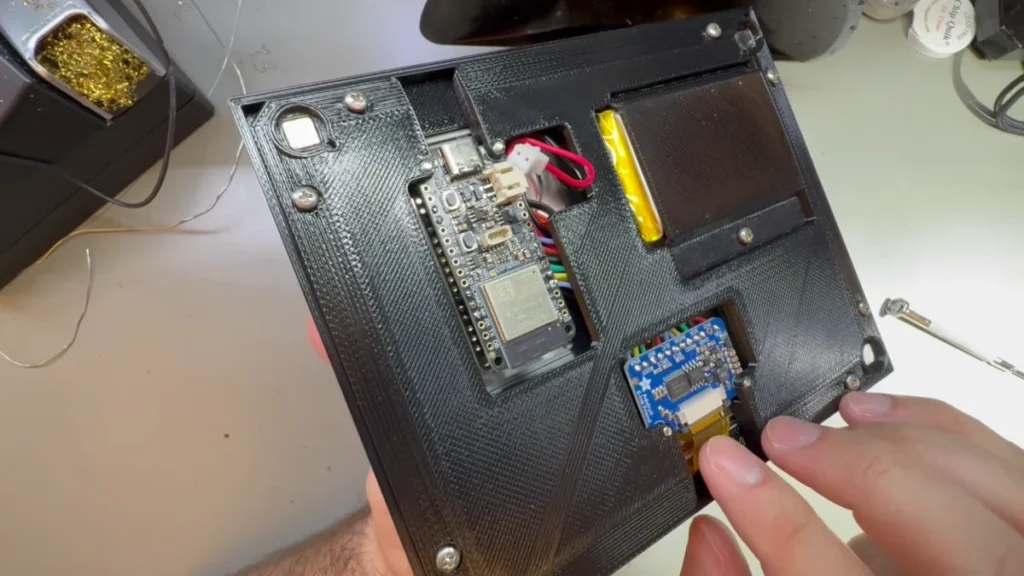
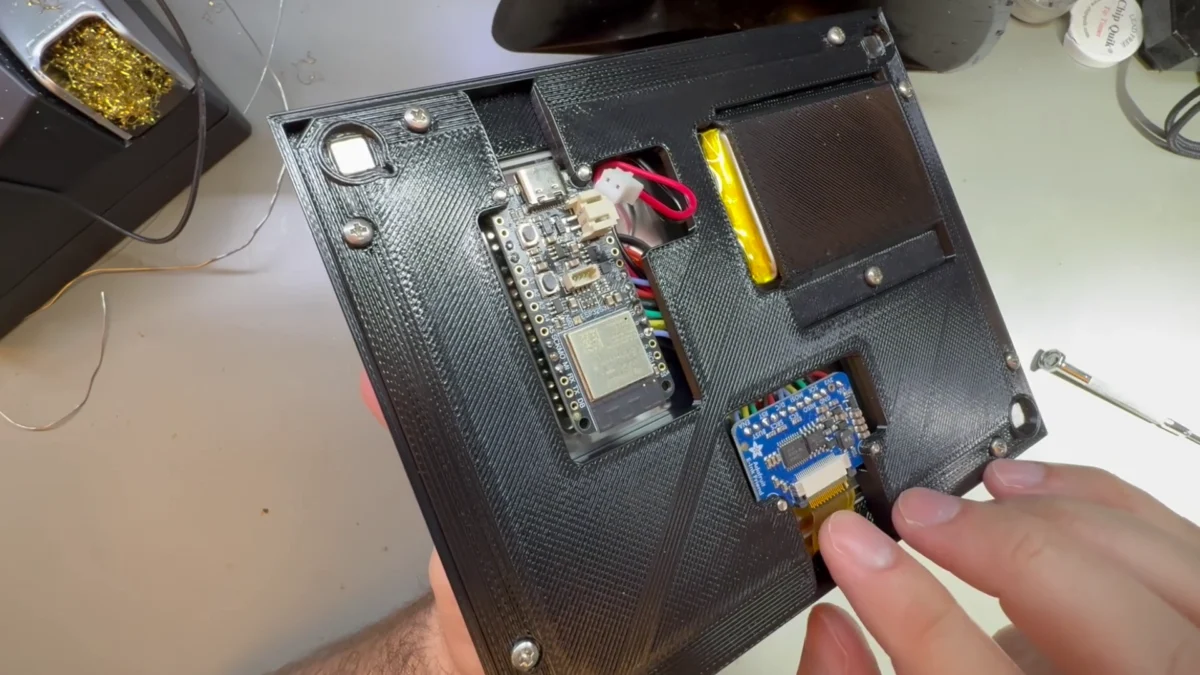
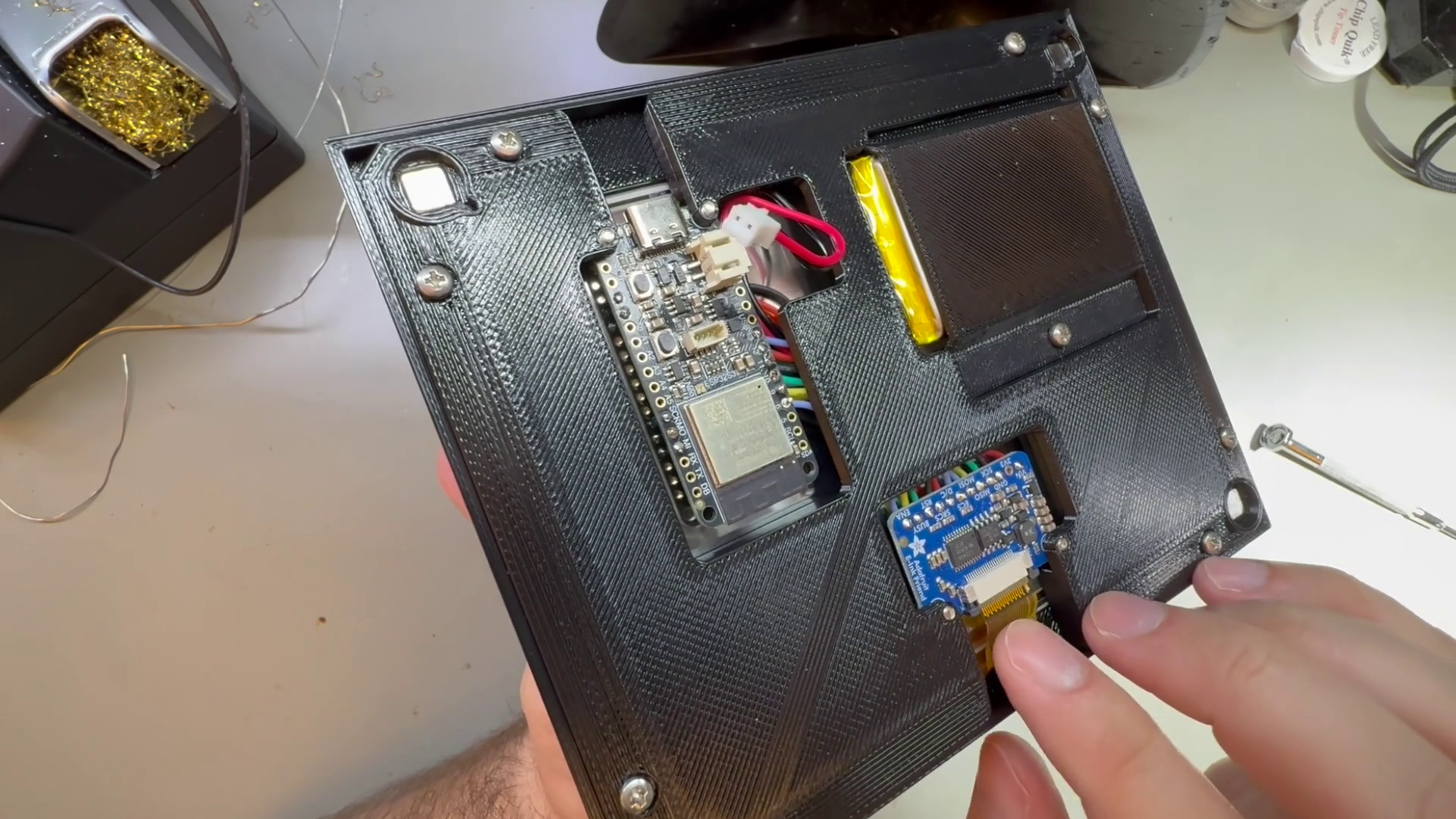
Inkterface stands out not just for its ingenuity but for its comprehensive documentation, making advanced hardware modification accessible to a broader audience. The project integrates a 5.83-inch E-ink panel, an ESP32-based controller, and a compact lithium-polymer battery, all housed within a cleverly designed 3D-printed frame. Attaching wirelessly via magnets and communicating over Bluetooth, this self-contained faceplate promises to transform the Steam Machine’s aesthetic and informational capabilities, offering a dynamic canvas for system statistics, game art, or personalized messages.
This initiative is poised to reignite interest in hardware customization within the gaming community, further cementing the bond between independent developers and major platform providers like Valve, who consistently champion user-driven innovation.
Main Facts: A New Frontier in Hardware Personalization
NaKyle Wright’s "Inkterface" project represents a compelling leap forward in the realm of user-customizable gaming hardware. At its core, Inkterface is an E-ink display system designed to serve as a dynamic faceplate for Valve’s Steam Machine, allowing owners to personalize their device beyond standard factory configurations. This project is a testament to the power of open-source development and the enduring spirit of the maker community, directly aligning with Valve’s historical encouragement of hardware modification and experimentation.
The centerpiece of Inkterface is a 5.83-inch E-ink panel, renowned for its low power consumption and high readability, even in ambient light. This panel is driven by a dedicated board and controlled by an ESP32 microcontroller, a versatile System-on-a-Chip (SoC) celebrated for its integrated Wi-Fi and Bluetooth capabilities. Powering this self-contained unit is a small, efficient lithium-polymer battery, ensuring wireless operation and seamless integration with the Steam Machine.
Physical integration is achieved through a meticulously engineered 3D-printed frame and bezel, which not only securely houses all internal components but also ensures a snug, aesthetically pleasing fit onto the Steam Machine. The design ingeniously minimizes wiring complexities, opting instead for a wireless attachment mechanism utilizing four strategically placed magnets. This magnetic coupling facilitates effortless installation and removal, providing users with flexibility and convenience.
On the software front, Inkterface communicates with the host Steam Machine wirelessly via Bluetooth. A dedicated service running on the Steam Machine is responsible for pushing updates and managing the display’s content. While a user-friendly configuration application is slated for eventual release on Steam, early adopters can manually install and configure the necessary software components, a common practice in the DIY hardware community.
Crucially, Wright’s commitment to the open-source ethos is evident in the project’s comprehensive documentation. The inclusion of both .stl files for direct 3D printing and .step files for easy modification of the CAD models empowers users to adapt the design to their specific needs, whether it involves altering component layouts or integrating different display sizes. This level of transparency and modularity significantly lowers the barrier to entry for aspiring hardware modders, fostering a collaborative environment where improvements and variations can flourish. Inkterface is more than just an accessory; it is a platform for further innovation, embodying the true spirit of hacker-friendly hardware design.
Chronology: Valve’s Open Legacy and the Birth of Inkterface
The genesis of NaKyle Wright’s "Inkterface" project is deeply rooted in Valve Corporation’s consistent and deliberate strategy of fostering an open hardware ecosystem. To fully appreciate the significance of Inkterface, one must first understand the historical context set by Valve itself.
Valve’s Enduring Commitment to Open Hardware:
From its early forays into hardware, Valve has distinguished itself by embracing a philosophy that encourages user modification, transparency, and community contribution. This began arguably with the original Steam Controller, for which Valve released CAD files and encouraged third-party modifications, even going so far as to include a toolkit for disassembly. This commitment was further solidified with the development of SteamOS, a Linux-based operating system designed to be open and modifiable, underpinning the original Steam Machines.
The first generation of Steam Machines, while not achieving widespread commercial success, laid the groundwork for Valve’s future hardware endeavors. They represented Valve’s initial attempt to bring PC gaming into the living room with a dedicated, console-like form factor, but with the inherent flexibility of a PC. The very concept of the Steam Machine was built on an open platform, allowing various hardware manufacturers to produce their own iterations, each with unique designs and specifications. This decentralized approach naturally led to a community eager for deeper customization.
More recently, Valve doubled down on this philosophy with the immensely successful Steam Deck. For the Steam Deck, Valve not only released detailed CAD files but also actively engaged with the community, providing resources and encouraging repairs and modifications. This consistent pattern demonstrates that Valve views its hardware not as closed consumer electronics, but as platforms for ongoing innovation and personalization by its users. The existence of a dedicated GitLab repository (gitlab.steamos.cloud/SteamHardware) containing drawings and 3D models for devices like the Steam Deck and Steam Controller is a clear, official endorsement of this "hacker-friendly" ethos. It is within this rich environment of encouraged experimentation that projects like Inkterface find their natural home and thrive.
The Steam Machine Renaissance and NaKyle Wright’s Vision:
The recent release of an updated Steam Machine, which NaKyle Wright’s faceplate targets, signals a renewed interest from Valve in this form factor or perhaps an iterative evolution of their living-room gaming strategy. While details of this "recently released Steam Machine" are not extensively covered in the original context, its arrival clearly spurred Wright’s creative drive.
NaKyle Wright’s inspiration for Inkterface likely stemmed from a desire to bridge the gap between the functional utility of the Steam Machine and the aesthetic appeal of a customizable display. Many modern gaming consoles and PCs feature integrated screens for status updates, logos, or even animated GIFs. The Steam Machine, despite its power, might have lacked such a dynamic visual element. Wright’s project addresses this by proposing an E-ink display, which offers distinct advantages over traditional LCDs, such as lower power consumption and persistent imagery without constant refresh, making it ideal for a status display that doesn’t distract from gameplay or consume significant resources.
Project Development and Documentation:
The development timeline for Inkterface can be inferred as a meticulous, multi-stage process. It would have commenced with conceptualization: envisioning an E-ink display for the Steam Machine. This would be followed by careful component selection, identifying the optimal E-ink panel size, a suitable microcontroller like the ESP32 for its wireless capabilities, and an appropriate power source.
The next critical phase would involve computer-aided design (CAD) for the physical enclosure. Wright would have iterated through various designs for the 3D-printed frame and bezel, ensuring a precise fit for both the internal components and the Steam Machine itself. The choice of magnetic attachment speaks to an emphasis on user convenience and non-destructive modification.
Simultaneously, software development would be underway. This includes writing the firmware for the ESP32 to control the E-ink display and handle Bluetooth communication, as well as developing the host-side service for the Steam Machine to manage content updates. The eventual goal of a dedicated Steam app for configuration indicates a commitment to a polished user experience.
The release of Inkterface, accompanied by its "meticulously documented" nature, signifies the culmination of this development cycle. By providing detailed build instructions, schematics, and critically, both .stl and editable .step files, NaKyle Wright has ensured that Inkterface is not just a finished product but a living project that the community can embrace, modify, and expand upon. This thorough documentation is a hallmark of truly open-source hardware, demonstrating a commitment to empowering others to replicate and innovate.
Supporting Data: A Deep Dive into Inkterface’s Architecture and Potential
The technical architecture of NaKyle Wright’s "Inkterface" is a masterclass in modular, efficient hardware design, perfectly leveraging readily available components to create a sophisticated yet accessible customization option for the Steam Machine. Understanding the specific choices made by Wright illuminates the project’s ingenuity and its potential for broad adoption and further development.
Core Components and Their Strategic Selection:
-
The 5.83-inch E-ink Panel and Driver Board: The selection of an E-ink display is central to Inkterface’s identity. Unlike traditional LCDs or OLEDs, E-ink panels consume power only when refreshing their content, making them exceptionally energy-efficient for static or infrequently updated displays. This characteristic is ideal for a faceplate that might display system information, game logos, or ambient artwork for extended periods without draining a significant amount of power. The 5.83-inch size strikes a balance between visibility and integration, providing ample space for information without overwhelming the Steam Machine’s form factor. The accompanying driver board simplifies the interface between the E-ink panel and the microcontroller, abstracting away complex timing and waveform generation specific to E-ink technology.
-
ESP32-Based Controller Board: The ESP32 is an exceptionally powerful and versatile microcontroller, making it an excellent choice for Inkterface. Its integrated Wi-Fi and Bluetooth capabilities are crucial for the project’s wireless operation. Bluetooth Low Energy (BLE) is particularly well-suited for communicating with the host Steam Machine, offering low-power data transfer for updates and configuration commands. Beyond connectivity, the ESP32 boasts sufficient processing power and memory to manage the E-ink display, handle incoming data, and potentially execute custom display logic. Its robust development ecosystem, supported by various programming frameworks (like Arduino IDE or ESP-IDF), also contributes to the project’s accessibility for developers looking to customize its firmware.
-
Small Lithium-Polymer (Li-Po) Battery: The inclusion of a dedicated Li-Po battery makes Inkterface a truly wireless and self-contained unit. This design decision eliminates the need for power cables running from the Steam Machine, preserving the aesthetic cleanliness of the setup. The small form factor of Li-Po batteries allows for discreet integration within the 3D-printed enclosure, contributing to the snug and streamlined assembly. Given the low power demands of the E-ink display and the efficient power management of the ESP32 in sleep modes, the battery life is expected to be considerable, requiring infrequent recharging.
Ingenious Physical Design: The 3D-Printed Frame and Bezel:
The 3D-printed frame and bezel are not merely structural components; they are critical to the project’s success, demonstrating thoughtful engineering.
- Precision Fit: The design ensures that the E-ink panel, driver board, battery, and ESP32 controller fit "just so," minimizing internal movement and providing a robust assembly. This level of precision is achievable thanks to the iterative capabilities of 3D printing.
- Minimal Wiring Hassles: By carefully designing pathways and compartments, the 3D print helps to manage and hide internal wiring, contributing to the clean aesthetic and reducing potential points of failure.
- Magnetic Attachment: The use of four magnets for attachment is a stroke of genius. It provides a secure yet non-permanent bond to the Steam Machine, allowing for easy installation, removal, or swapping of the faceplate without tools or damage. This modularity enhances the user experience, making customization a simple, reversible process.
Software and Connectivity: The Brains Behind the Beauty:
The wireless communication over Bluetooth and the software architecture are pivotal to Inkterface’s functionality.
- Bluetooth Communication: Bluetooth offers a reliable, low-latency, and energy-efficient channel for the Steam Machine to send display data and configuration commands to the E-ink faceplate. This avoids the complexities of Wi-Fi setup for a simple accessory and ensures a direct, dedicated link.
- Host-Side Service: The "small service" running on the Steam Machine is the intermediary that bridges the gaming platform with the external display. This service can monitor various system parameters (CPU/GPU usage, temperature, network activity), pull game-specific information (current game title, achievements, player count), or even retrieve web-based content (weather, news headlines) to push to the E-ink display. Its configurability implies that users can define what information is most relevant to them.
- Future Steam App: The planned release of an official configuration app on Steam is a significant step towards mainstream accessibility. Such an app would provide a graphical user interface (GUI) for users to effortlessly manage display content, update frequencies, E-ink refresh modes, and potentially even upload custom images or themes, all within the familiar Steam environment. This move democratizes customization, moving it beyond the realm of command-line interfaces.
Unleashing Customization: The Power of Open Files:
Perhaps the most compelling "supporting data" for Inkterface’s potential lies in NaKyle Wright’s decision to include .step files alongside the standard .stl models.
.stlFiles: These are standard tessellated models used directly by 3D printers. They allow users to print the design as is, faithfully replicating Wright’s original vision..stepFiles: These are vendor-neutral CAD (Computer-Aided Design) files that retain all the parametric information of the design. This means users can open them in virtually any professional CAD software (e.g., Fusion 360, SolidWorks, FreeCAD) and modify individual features, dimensions, or component placements. This is invaluable for:- Component Swaps: If a user wishes to use a different size E-ink panel, a different ESP32 development board, or a larger battery, the
.stepfiles allow them to easily adjust the internal compartments and mounting points. - Aesthetic Modifications: Users can alter the bezel’s shape, add logos, integrate additional buttons or sensors, or design entirely new external aesthetics.
- Functionality Expansion: The modular nature encourages adding more features, perhaps an ambient light sensor to adjust display brightness (though less critical for E-ink) or even a small speaker for subtle audio alerts.
- Component Swaps: If a user wishes to use a different size E-ink panel, a different ESP32 development board, or a larger battery, the
This level of open-source hardware documentation is exemplary and empowers the community not just to build, but to innovate upon the original design. It fosters a truly "homebrewed" ecosystem, where Inkterface could become the foundation for countless unique Steam Machine faceplates, mirroring the concept of a "homebrewed Steam machine" itself. The project thus provides a robust framework for personal expression and technological exploration, extending the utility and lifespan of the Steam Machine well beyond its factory specifications.
Official Responses: Valve’s Endorsement Through Openness
While there may not be an explicit, direct statement from Valve Corporation specifically endorsing NaKyle Wright’s "Inkterface" project at this moment, Valve’s "official response" is implicitly and powerfully conveyed through its long-standing and well-documented commitment to open hardware, community engagement, and the provision of resources that directly enable such projects.
The GitLab Repository as a De Facto Endorsement:
The most significant "official response" comes in the form of Valve’s own GitLab repository, specifically https://gitlab.steamos.cloud/SteamHardware. This repository is a goldmine for hardware enthusiasts, containing official drawings, 3D models, and technical specifications for critical Valve hardware like the Steam Deck and Steam Controller. The very existence of this publicly accessible resource demonstrates Valve’s explicit encouragement for users and developers to delve into their hardware, understand its architecture, and, crucially, design complementary or custom components.
By making these internal design assets available, Valve actively facilitates the creation of accessories, holders, custom brackets, and modifications. Inkterface directly benefits from this philosophy, as its designer could leverage the precise dimensions and form factors provided by Valve to ensure a perfect fit for the Steam Machine. This open-source approach from a major hardware manufacturer is relatively rare in the industry and serves as a powerful testament to Valve’s belief in the creative potential of its user base. It is a clear message that Valve views its hardware as platforms for innovation, not as sealed black boxes.
Community Impact and Valve’s Observational Role:
Valve has historically maintained a close relationship with its community, often observing and learning from user-generated content and modifications. Projects like Inkterface are not merely niche curiosities; they serve as valuable feedback mechanisms. They demonstrate what features users desire, what technical challenges they are willing to overcome, and how they interact with Valve’s hardware in novel ways. While Valve might not issue press releases for every community project, their teams are known to monitor forums, social media, and platforms like Hackaday (where Inkterface was featured) to gauge community interest and identify emerging trends.
The positive reception of Inkterface within the maker and gaming communities further validates Valve’s open-hardware strategy. When projects like this gain traction, they reinforce the idea that empowering users leads to valuable innovation that can enhance the overall ecosystem. This indirect "response" through community activity is often more impactful than a direct statement, as it signifies organic growth and genuine enthusiasm.
Potential Influence on Future Official Accessories:
It is not uncommon for major companies to draw inspiration from successful community-driven projects. The ingenuity displayed in Inkterface, particularly its wireless operation, magnetic attachment, and dynamic E-ink display, could potentially influence future official accessories or even design considerations for subsequent iterations of Valve’s hardware. While pure speculation, the ability to gauge user demand for specific functionalities through community projects provides Valve with market insights without the need for extensive internal R&D for every concept. Thus, NaKyle Wright’s Inkterface, while an independent endeavor, exists within a framework actively supported and observed by Valve, making it an integral part of the broader Steam hardware narrative.
Implications: Broadening Horizons for Gaming Hardware and Beyond
NaKyle Wright’s "Inkterface" project extends far beyond a simple accessory for the Steam Machine; its implications resonate across the landscape of gaming hardware, the open-source movement, and even broader discussions around consumer electronics and sustainability.
The Democratization of Gaming Hardware Customization:
Inkterface is a powerful exemplar of the growing trend towards democratized hardware customization in the gaming industry. For too long, console-like gaming experiences have been characterized by sealed, non-modifiable devices. While PC gaming has always offered more flexibility, direct hardware modification at the level of physical integration and custom display interfaces has often been the domain of highly specialized engineers or modders. Inkterface, with its meticulous documentation and reliance on accessible technologies like 3D printing and ESP32 microcontrollers, lowers the barrier to entry significantly. This empowers a larger segment of the gaming community to become creators, not just consumers, fostering a deeper sense of ownership and personal connection with their gaming systems. This shift could lead to an explosion of personalized gaming setups, where each Steam Machine could truly reflect its owner’s individual style and functional needs.
Enhancing Product Longevity and Value:
In an era increasingly concerned with electronic waste and the short lifecycles of consumer gadgets, projects like Inkterface offer a compelling model for extending the utility and lifespan of existing hardware. By providing avenues for meaningful upgrades and personalization, devices like the Steam Machine can remain relevant and engaging for longer periods. Instead of replacing an entire system to gain a new feature, users can incrementally enhance their existing hardware. This not only benefits the environment by reducing e-waste but also provides greater long-term value for consumers who can adapt their devices to evolving preferences or new functional requirements. The modular design, facilitated by the .step files, ensures that Inkterface itself is not a static solution but a adaptable platform that can evolve alongside future component advancements or user needs.
The Educational Power of Open-Source Hardware:
The "meticulously documented" nature of Inkterface positions it as an invaluable educational resource. For individuals interested in electronics, microcontrollers, 3D design, and embedded programming, the project offers a practical, real-world case study. Beginners can follow the instructions to build a functional device, gaining hands-on experience with soldering, firmware flashing, and 3D printing. More advanced users can delve into the source code and CAD files, learning about hardware-software interaction, Bluetooth communication protocols, and E-ink display management. This project serves as a bridge between theoretical knowledge and practical application, nurturing a new generation of hardware hackers and innovators. The repository of Steam hardware provided by Valve further augments this educational aspect, offering official blueprints for experimentation.
Paving the Way for a More Open Hardware Future:
Inkterface strengthens the argument for more open hardware initiatives from manufacturers across all sectors, not just gaming. Valve’s proactive stance in releasing CAD files and encouraging modifications creates a virtuous cycle: companies provide open resources, which in turn inspire community projects, which then generate goodwill, provide valuable feedback, and potentially influence future product development. This collaborative model, as demonstrated by Inkterface, can lead to more robust, user-centric, and innovative products in the long run. It challenges the traditional closed-ecosystem model, advocating for a future where hardware is seen as a platform for continuous improvement and personalization by its users.
Inspiring Further Innovation and Community Engagement:
The success and visibility of Inkterface are likely to inspire other community members to embark on similar projects. One can envision a future where Steam Machines, and potentially other Valve hardware, become canvases for a multitude of E-ink displays, custom LED arrays, integrated sensors, or even miniature interactive screens. The project’s emphasis on modularity and open files means that other developers can build upon NaKyle Wright’s foundation, creating entirely new functionalities or adapting Inkterface to display different types of information – from real-time game statistics and streaming chat feeds to personalized wallpapers and animated GIFs. This fosters a vibrant ecosystem of add-ons and modifications, transforming the Steam Machine into a truly unique and continuously evolving piece of hardware.
Ultimately, NaKyle Wright’s Inkterface is more than a clever gadget; it is a statement about the power of open collaboration and individual ingenuity in shaping the future of technology. It underscores the potential for users to transcend the role of passive consumers and become active participants in the evolution of their favorite hardware platforms, proving that the spirit of innovation truly thrives at the intersection of community, creativity, and open access.