Digital Sovereignty in Action: How Mecklenburg-Vorpommern is Breaking Free from Big Tech
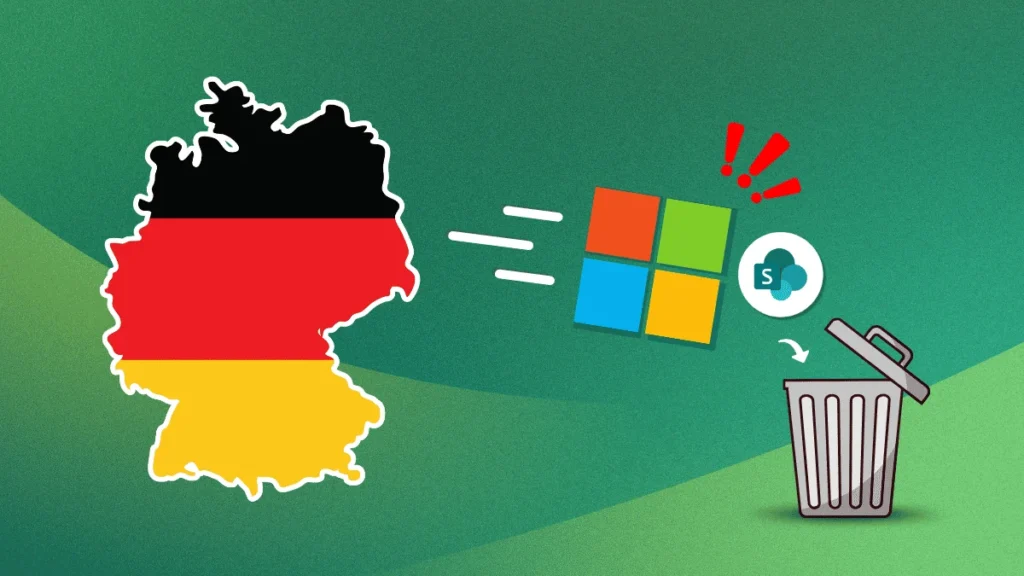
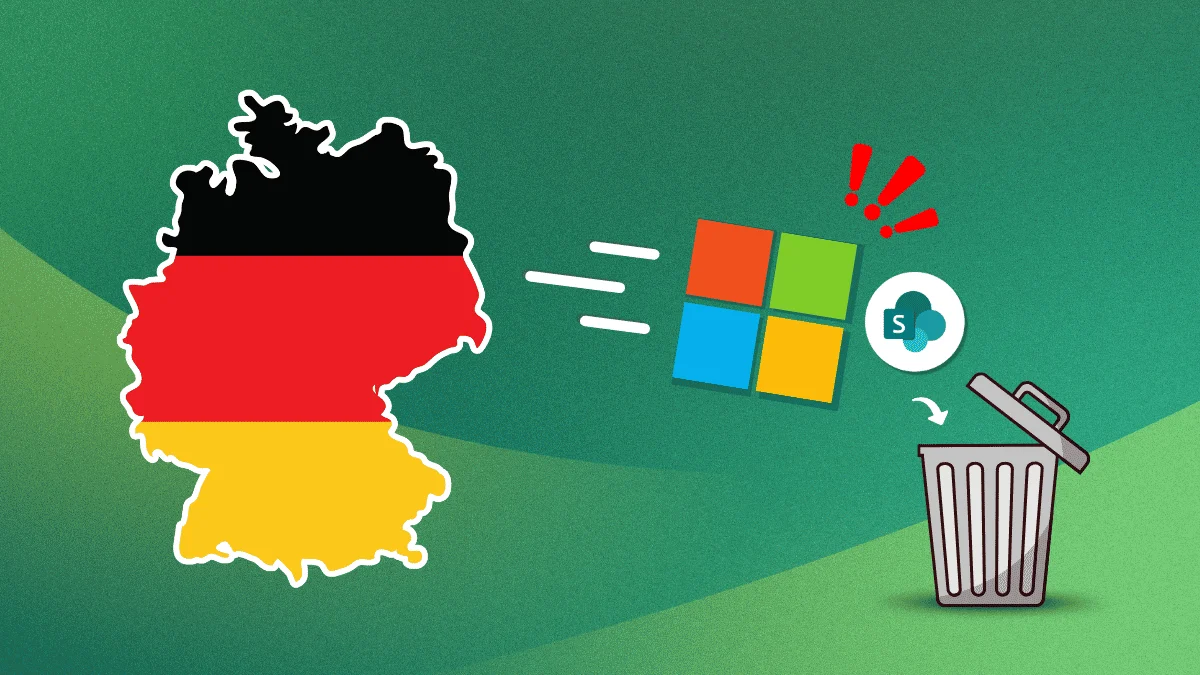
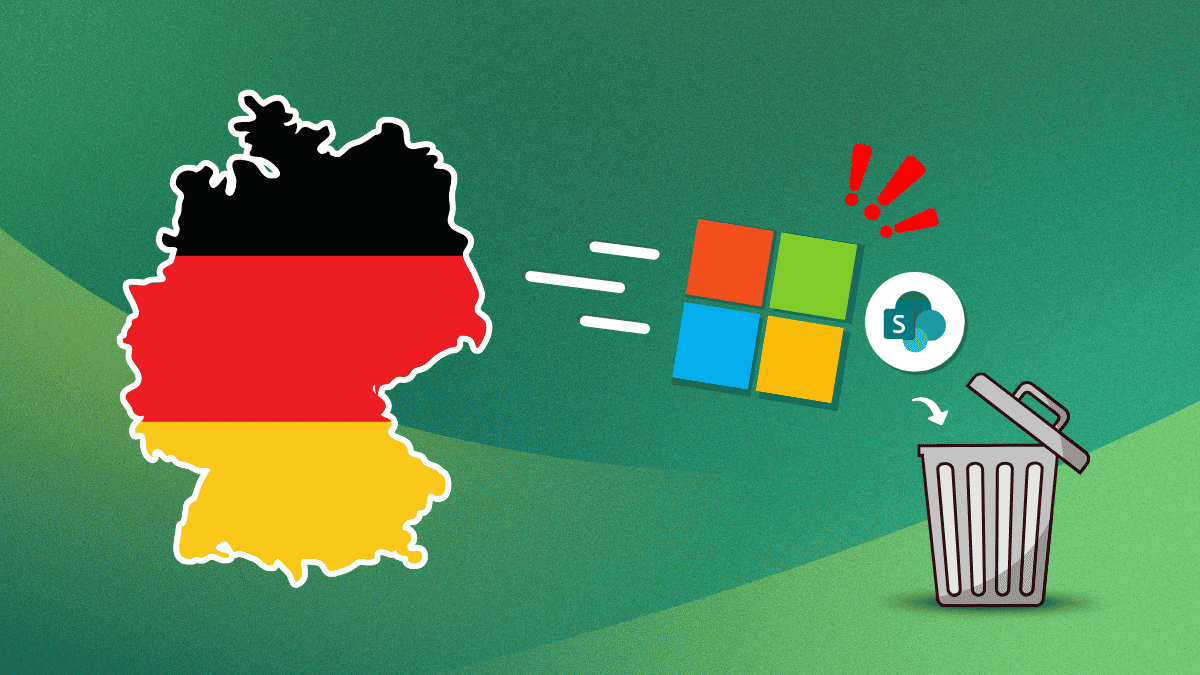
In a landmark shift for European public administration, the German state of Mecklenburg-Vorpommern has officially commenced a transition away from Microsoft SharePoint, replacing the proprietary giant with a self-hosted, sovereign Nextcloud infrastructure. This move, currently serving 5,000 public sector employees, is not merely an isolated IT upgrade; it represents a fundamental pivot toward digital autonomy and long-term fiscal responsibility. As the state prepares to scale this deployment to 50,000 workers, it joins a growing coalition of German states and European entities prioritizing open-source solutions over reliance on foreign Big Tech conglomerates.
The Strategic Shift: Moving Away from SharePoint
For years, Microsoft SharePoint has been the de facto standard for document management and internal collaboration within government agencies. However, as concerns regarding data privacy, vendor lock-in, and the rising costs of licensing grow, European administrations are increasingly seeking alternatives.
Mecklenburg-Vorpommern, in collaboration with its state-owned IT services provider, DVZ M-V, has successfully executed the initial phase of this migration. The platform currently handles core file-sharing requirements, with a roadmap in place to integrate advanced groupware tools, real-time chat functionality, and secure video conferencing.
The transition is being managed with a focus on stability. Unlike many high-profile enterprise migrations that are plagued by downtime and data loss, the initial rollout to the first 5,000 employees has been described as seamless. This success serves as a proof-of-concept that will guide the expansion to the remaining 45,000 users, encompassing everything from provincial ministries to small municipal offices.
Chronology of the Open Source Push
The decision to move to Nextcloud is the result of a long-term strategic evolution in German state governance:
- Initial Assessment (2022–2023): Mecklenburg-Vorpommern’s IT leadership began evaluating the total cost of ownership (TCO) for Microsoft 365. Beyond the sticker price of licensing, the state identified significant "hidden" costs related to compliance, legal hurdles, and the inability to customize workflows to suit specific German administrative needs.
- The Pilot Phase (2024): DVZ M-V initiated a pilot program, testing Nextcloud’s scalability within controlled departments. During this period, the state also began integrating OpenProject for project management and the LEA (an AI assistant based on OpenWebUI) to streamline administrative bureaucracy.
- The Agreement (2025): The Ministry of Finance and Digitalization of Mecklenburg-Vorpommern signed a formal cooperation agreement with the State Chancellery of Schleswig-Holstein. This pact was designed to pool resources and expertise, ensuring that neither state is "reinventing the wheel" in their transition to sovereign infrastructure.
- Full-Scale Migration (Ongoing): With the initial 5,000 users successfully onboarded, the project is now entering a phase of rapid expansion, with a goal of reaching 50,000 users by the end of the current legislative cycle.
Supporting Data: Why Sovereignty Matters
The motivation for this transition is rooted in both economics and policy. A major driver is the German federal government’s "Deutschland-Stack" initiative—a comprehensive framework aimed at building a sovereign digital infrastructure.
The Cost of Proprietary Dependency
The financial implications are stark. Neighboring state initiatives have demonstrated that migrating to open-source alternatives like LibreOffice and sovereign cloud stacks can save administrations more than €15 million annually in licensing fees alone. When extrapolated across the entire German public sector, these savings represent hundreds of millions of euros that can be reinvested into local development and public services rather than flowing into the coffers of overseas software giants.
Standardization and Interoperability
Under the Deutschland-Stack mandate, the German government has restricted acceptable document formats for public administration to ODF (Open Document Format) and PDF/UA. By explicitly excluding proprietary Microsoft formats like .doc, .ppt, and .xls, the government is forcing an ecosystem shift. This mandate ensures that documents remain readable and editable in perpetuity, regardless of the vendor providing the software, thereby eliminating the "forced upgrades" cycle that characterizes the proprietary software market.

Official Perspectives: Leadership on Digital Autonomy
Marco Anschütz, the Chief Information Officer (CIO) of Mecklenburg-Vorpommern, has been a vocal proponent of this transition. In a recent statement, he emphasized that the platform is not just a replacement for SharePoint, but a reliable, expandable foundation for the future of the state’s digital architecture.
"Together with DVZ M-V, we’ve built a platform that runs reliably today and is being expanded step by step," Anschütz noted. The sentiment reflects a broader cultural change within the German government—a move away from "buying off the shelf" toward "building for our needs."
This transition is supported by the federal government’s push for digital sovereignty, which defines the ability of the state to control its own digital destiny. By using open-source tools like Nextcloud and OpenWebUI, the state maintains full control over its data residency, security audits, and software updates, ensuring that no third party—foreign or otherwise—has a "backdoor" into critical administrative systems.
Implications: The Domino Effect
The alliance between Mecklenburg-Vorpommern and Schleswig-Holstein is highly significant. By coordinating their efforts, these states are setting a template for other German states (Länder) to follow.

Breaking Vendor Lock-in
The primary implication of this move is the systemic reduction of vendor lock-in. For decades, public agencies were trapped in a cycle where they had to upgrade their hardware to keep up with the increasingly heavy requirements of proprietary software suites. By shifting to lean, open-source solutions, these agencies regain the power to choose their own hardware cycles and prioritize local service providers, which in turn fosters a domestic ecosystem of IT experts and developers.
A Model for the EU
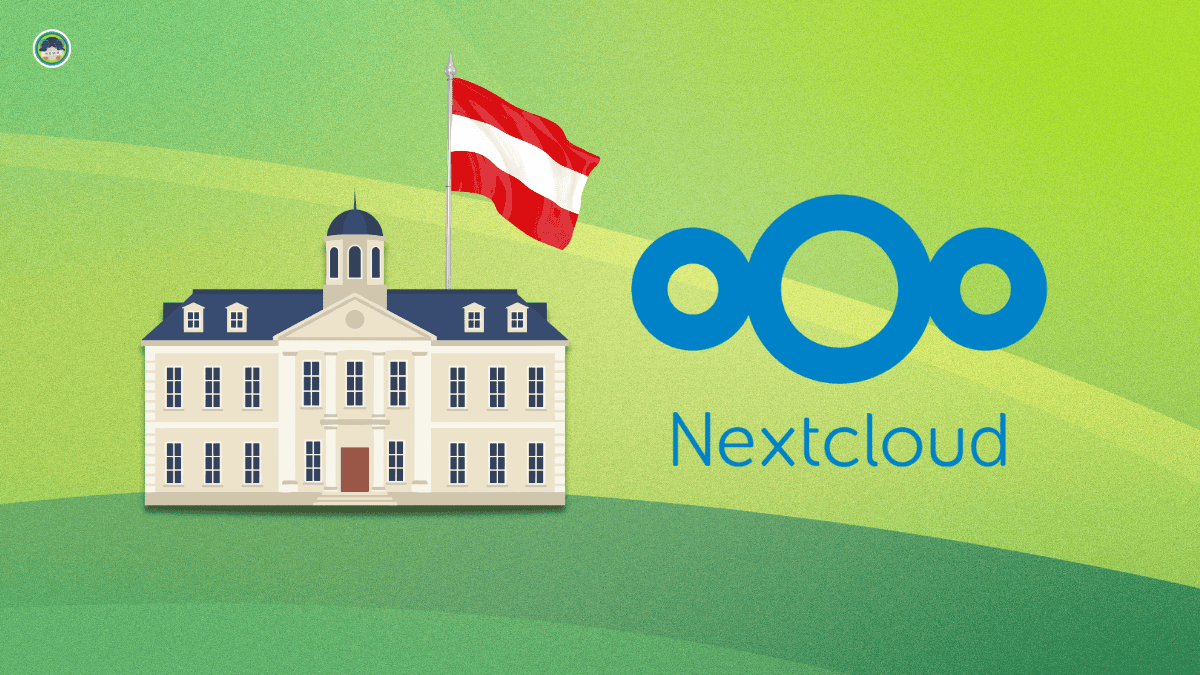
This initiative mirrors similar trends across the European Union. Recently, the Austrian Ministry of Climate Action (BMK) also pivoted to Nextcloud, successfully migrating 1,200 employees in just four months. As more governments make the switch, the "sovereign cloud" becomes a viable, battle-tested alternative for the entire continent.
It is important to note that this is not an overnight "total war" on Microsoft. Mecklenburg-Vorpommern is not severing all ties with the company; the state still utilizes various Microsoft products for specific legacy functions. However, the scope of the "SharePoint exit" marks a clear boundary line: for core collaboration, communication, and document management, the state has decided that open source is the superior, more secure, and more cost-effective path forward.
Looking Toward the Future
The scale of this project—moving 50,000 public sector workers—is massive by any metric. The complexity involved in migrating user data, training staff, and ensuring the interoperability of existing legacy systems cannot be overstated. However, with the backing of federal mandates and a collaborative cross-state agreement, the project is positioned for success.
As the state of Mecklenburg-Vorpommern continues its migration, it is effectively acting as a beacon for other administrations. The message is clear: digital sovereignty is no longer a theoretical debate reserved for technical conferences. It is a practical, achievable, and necessary step for any modern government that wishes to remain in control of its administrative integrity in the 21st century.
For the employees, the change brings a more unified and secure workspace. For the taxpayers, it promises significant long-term savings. And for the open-source community, it stands as a landmark victory, proving that when the stakes are high, open-source software is ready to meet the challenge of national-level scale and complexity.