The "Don’t Panic Cyberdeck": A Beacon for Bespoke Computing in the DIY Era
Main Facts
In an era increasingly dominated by mass-produced, standardized personal computing devices, a growing movement of makers and enthusiasts is pushing the boundaries of what a computer can be. At the vanguard of this shift stands the "Don’t Panic Cyberdeck," a remarkable open-source project from creator Paul Rickards. This innovative device serves as a compelling testament to the power of combining readily available modern desktop 3D printing capabilities with the immense processing potential of single-board computers (SBCs). Far from being just another gadget, the Don’t Panic Cyberdeck embodies a philosophy of personalized computing, offering an accessible blueprint for individuals to construct a bespoke machine tailored to their specific needs and aesthetic preferences, bucking the trend of uniform laptops and desktops.
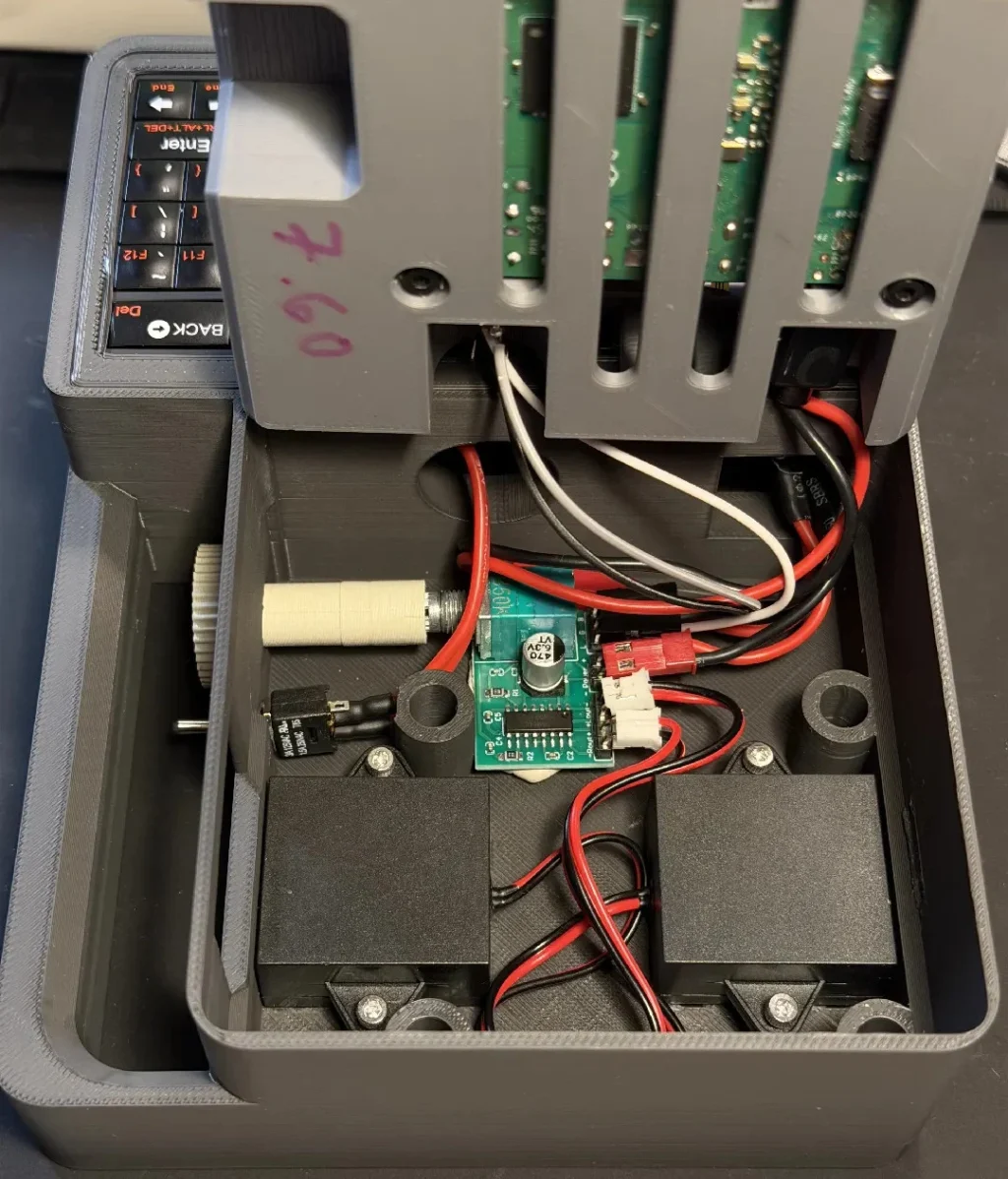
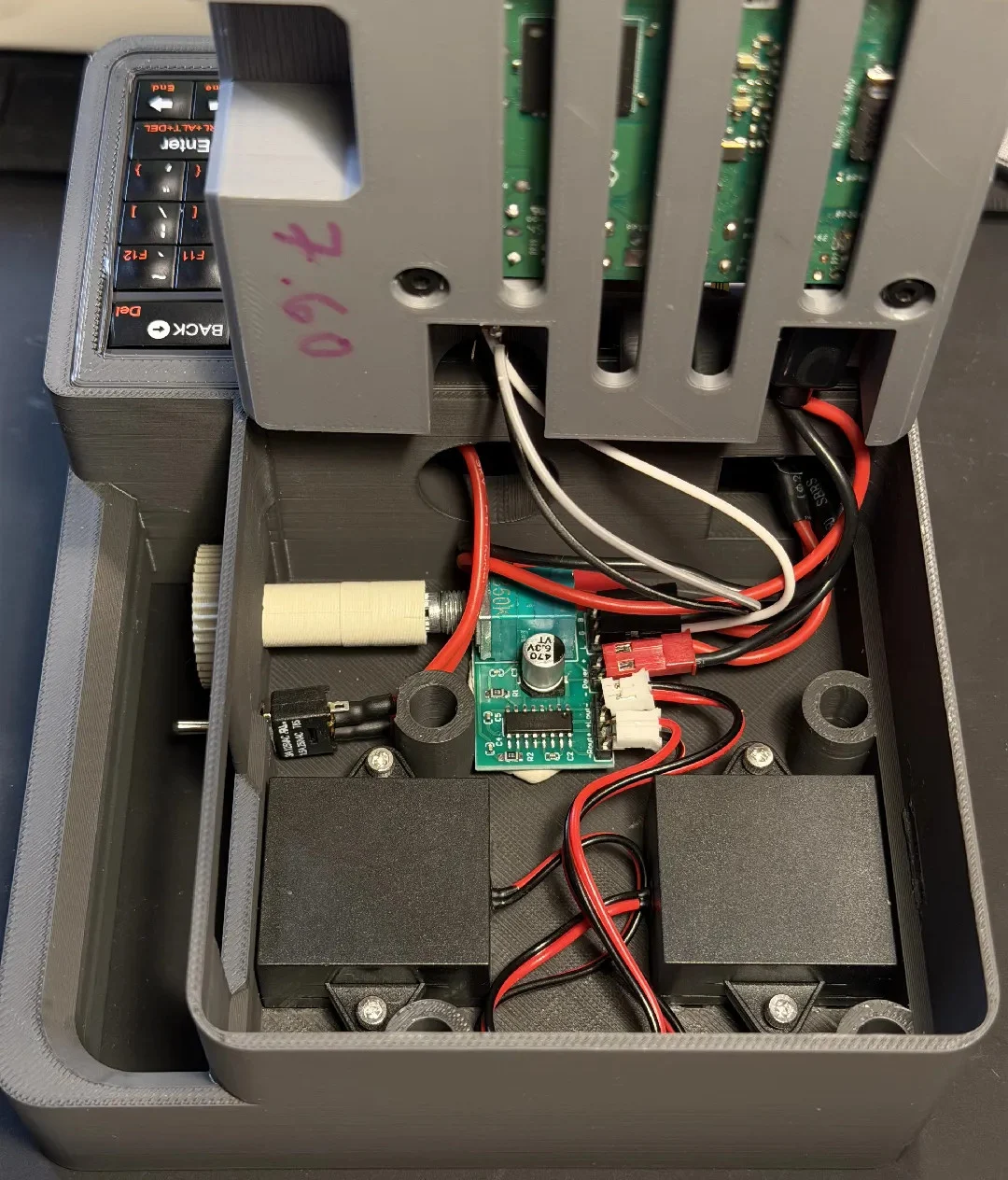
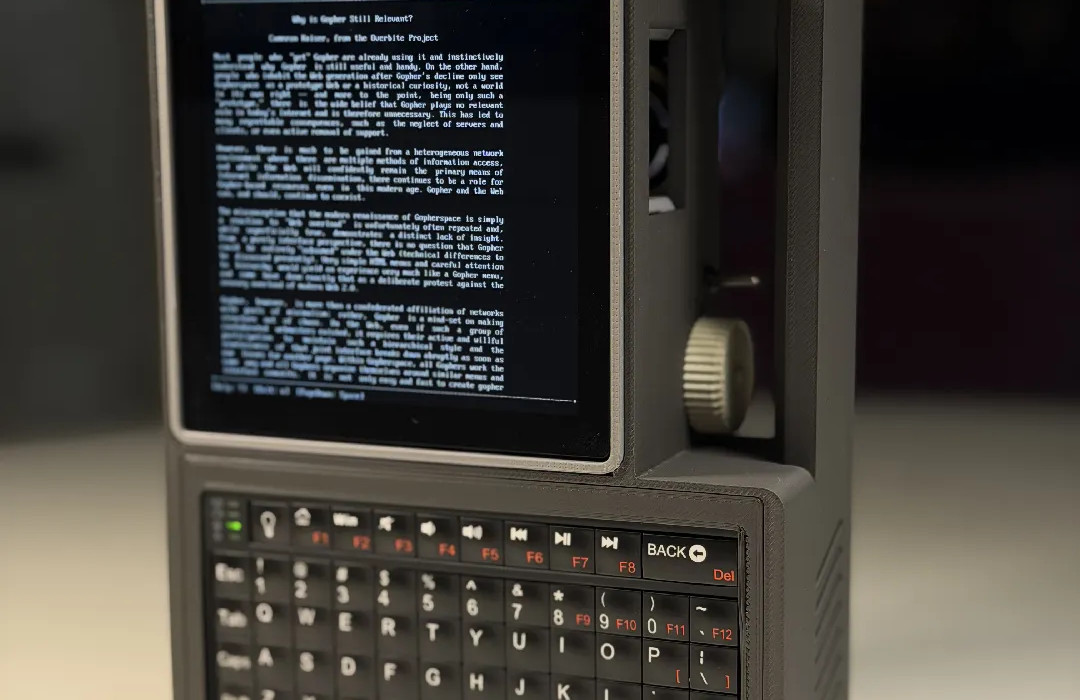
The core appeal of Rickards’ design lies in its approachability and thoughtful engineering. While the final product exudes a distinctive, almost retro-futuristic aesthetic reminiscent of the "Gibsonian" cyberdeck ideal, its construction does not demand an insurmountable investment in time, specialized tools, or financial resources. At its heart, the baseline configuration of the Don’t Panic Cyberdeck integrates a Raspberry Pi 3A+ for its compact power, a vibrant Pimoroni HyperPixel 4.0 Square LCD (with optional touch functionality) for its display, and a reliable Rii 518BT keyboard for input. These components, chosen for their cost-effectiveness and widespread availability, form the bedrock of a fully functional portable computer. The project further offers optional enhancements, such as an LX-2BUPS UPS board paired with 18650 cells for robust battery power, and a PAM8403 breakout board for audio, complete with a clever printable volume knob that integrates seamlessly into the 3D-printed enclosure. Crucially, Paul Rickards has released the entire design under a Creative Commons license, accompanied by a meticulously detailed Bill of Materials (BOM) and comprehensive assembly instructions, transforming a personal project into a community resource. This commitment to open-source collaboration democratizes access to sophisticated hardware design, inviting a broader audience to engage with and customize the burgeoning world of alternative computing experiences.
Chronology: The Evolution of Bespoke Computing and the Cyberdeck Revival
The concept of a "cyberdeck" is not new, tracing its roots back to the cyberpunk literary movement of the 1980s, particularly the works of William Gibson. These fictional devices were often rugged, highly customized, and frequently used for illicit activities in a dystopian future, emphasizing raw functionality over sleek aesthetics. For decades, the realization of such devices remained largely in the realm of science fiction, constrained by the limitations of available technology and manufacturing processes. Early attempts at portable, custom computers were often cumbersome, expensive, and required specialized electronics knowledge far beyond the average enthusiast.
However, the dawn of the 21st century brought forth a confluence of technological advancements that dramatically altered this landscape. The rapid evolution of desktop 3D printing technology, transitioning from niche industrial tools to affordable, user-friendly machines, provided individuals with unprecedented control over physical design and fabrication. Simultaneously, the proliferation of powerful yet compact single-board computers like the Raspberry Pi family revolutionized embedded computing. These miniature powerhouses offered sufficient processing capabilities for a wide array of tasks, from basic productivity to media consumption and light development, all within a footprint small enough for highly portable custom enclosures.
This perfect storm of accessible hardware and manufacturing tools catalyzed a significant revival of the cyberdeck concept within the maker community. What began as experimental projects by a few dedicated hobbyists soon blossomed into a vibrant subculture. Forums, online communities, and platforms like Hackaday and Printables became repositories for increasingly sophisticated designs, ranging from highly aesthetic "decked-out" machines to minimalist, function-over-form devices. Makers began to explore diverse applications: dedicated writing machines, field-deployable diagnostic tools, portable gaming consoles, and personal communication hubs, all encased in uniquely fabricated shells.
It is within this rich historical and technological context that Paul Rickards’ Don’t Panic Cyberdeck emerges as a particularly significant entry. While the exact chronology of Rickards’ personal development process for this specific project is not publicly detailed, its release in 2023 (as indicated by the original article’s internal metadata, even if the year in the URL is 2026, pointing to a forward-looking publication) places it firmly within the mature phase of the modern cyberdeck movement. It represents a refined approach, learning from years of community experimentation. Instead of being a purely experimental prototype, it arrives as a polished, replicable design, offering a clear pathway for others to follow. Its name itself, a nod to Douglas Adams’ "Hitchhiker’s Guide to the Galaxy," suggests a friendly, reassuring entry point into what might otherwise seem a daunting undertaking for newcomers. Rickards’ decision to open-source the design from the outset is a direct reflection of the collaborative spirit inherent in this contemporary maker movement, ensuring that his innovation contributes immediately to the collective knowledge base and inspires further iterations and customizations.
Supporting Data: A Deep Dive into Design and Components
The Don’t Panic Cyberdeck’s strength lies not only in its overall concept but also in the thoughtful selection and integration of its components, coupled with a robust open-source design philosophy.
The Role of 3D Printing and Enclosure Design
The physical manifestation of the Don’t Panic Cyberdeck is made possible by modern desktop 3D printing. The ability to fabricate custom enclosures with intricate details and precise tolerances has been a game-changer for bespoke computing. Rickards’ design leverages this by providing STL files for the chassis, which can be printed on most consumer-grade FDM (Fused Deposition Modeling) printers. Materials like PLA (Polylactic Acid) are popular for their ease of printing and biodegradability, while PETG (Polyethylene Terephthalate Glycol) offers greater strength and temperature resistance, making it suitable for a device intended for portability and potential outdoor use. The enclosure design is not merely functional; it incorporates features like integrated standoffs, cable management channels, and precisely cutouts for ports and the display, all contributing to a clean and robust final product. The inclusion of a non-negotiable handle, as humorously highlighted in the original article, speaks to a design ethos that prioritizes practical usability and distinctiveness over the sleek, handle-less uniformity of commercial laptops. This handle transforms the device from a mere collection of components into a truly portable and confidently carried tool.
Core Computing Power: The Raspberry Pi 3A+
The choice of the Raspberry Pi 3A+ is strategic. While newer, more powerful Raspberry Pi models exist, the 3A+ offers an excellent balance of performance, power efficiency, and a compact form factor.
- Performance: Equipped with a 1.4GHz quad-core ARM Cortex-A53 processor, it is more than capable of handling common tasks such as web browsing, word processing, basic programming, and media playback.
- Power Efficiency: The 3A+ is known for its lower power consumption compared to its siblings (like the Pi 3B+ or Pi 4), which is crucial for a battery-powered portable device where every milliampere counts.
- Form Factor: Its smaller size (65mm x 56mm) compared to the standard Raspberry Pi models allows for a more compact and elegant enclosure design, contributing to the overall portability of the cyberdeck.
- Connectivity: It includes Wi-Fi and Bluetooth, essential for wireless networking and peripheral connections, reducing the need for additional dongles and maintaining a streamlined profile.
Visual Interface: The Pimoroni HyperPixel 4.0 Square LCD
The display is a critical interface, and the Pimoroni HyperPixel 4.0 Square LCD stands out for its unique characteristics.
- High Resolution: Despite its compact size, this display boasts a sharp resolution, making text and graphics clear and legible, vital for prolonged use.
- Square Aspect Ratio: The unusual square aspect ratio lends itself well to specific applications, such as displaying dashboards, code snippets, or as a distraction-free writing interface, further emphasizing the bespoke nature of the cyberdeck.
- Direct GPIO Connection: The HyperPixel connects directly to the Raspberry Pi’s GPIO pins, simplifying wiring and reducing the overall component count and complexity.
- Optional Touch Functionality: The touch-enabled version adds an intuitive input method, enhancing usability for graphical user interfaces and mobile-style interactions.
Input Method: The Rii 518BT Keyboard
The Rii 518BT keyboard is a popular choice for compact, portable computing solutions due to several factors:
- Compact Design: It integrates a full QWERTY keyboard with a trackpad, providing a complete input solution in a small form factor.
- Bluetooth Connectivity: Wireless Bluetooth connection frees up the Raspberry Pi’s limited USB ports and reduces cable clutter within the enclosure.
- Rechargeable Battery: Its built-in battery is convenient for portable use, aligning with the cyberdeck’s mobile aspirations.
Power Management and Audio Enhancements
For true portability, battery power is essential. The LX-2BUPS UPS board provides an uninterruptible power supply, allowing the cyberdeck to seamlessly switch between external power and internal 18650 lithium-ion cells. The use of standard 18650 cells (commonly found in flashlights and laptop batteries) makes power management both robust and easily serviceable. For audio, the PAM8403 breakout board offers a compact and efficient stereo amplifier solution, driving small speakers with surprising clarity. Paul Rickards’ clever inclusion of a printable volume knob that slips over the potentiometer and extends through the case exemplifies the meticulous attention to user experience and the integration of 3D printing into every functional aspect of the design.
Software Environment and Customization
While not explicitly detailed, the Don’t Panic Cyberdeck, running on a Raspberry Pi, would typically utilize a Linux-based operating system. Options range from the official Raspberry Pi OS (formerly Raspbian) to more specialized distributions like RetroPie for gaming or various minimalist Linux builds tailored for specific tasks. The open-source nature of both the hardware design and the underlying software stack allows for unparalleled customization. Users can tailor the desktop environment, install specific applications, or even develop their own software to maximize the device’s utility for their unique workflows. This freedom from proprietary software ecosystems is a cornerstone of the cyberdeck philosophy.
Creator’s Intent and Community Engagement
Paul Rickards’ decision to release the Don’t Panic Cyberdeck design under a Creative Commons license, coupled with a detailed Bill of Materials and comprehensive assembly instructions, is a pivotal aspect of this project. This act of open-sourcing is more than just a convenience; it is a clear statement of intent and a powerful mechanism for fostering innovation and community engagement.
From the creator’s perspective, the intent likely stems from a desire to share knowledge and empower others. Rickards, having invested "sleepless nights" into perfecting the design, recognized the value of making his work accessible rather than proprietary. This approach reduces the barrier to entry for aspiring makers, enabling them to replicate a functional and aesthetically pleasing device without needing to navigate the complexities of hardware design from scratch. It democratizes the process of building sophisticated personal computing devices, moving it from the realm of specialized engineering firms to the hands of passionate individuals.
This open-source model directly addresses the needs of the broader maker community. It provides:
- A Proven Blueprint: Instead of starting with a blank slate, enthusiasts have a tested and functional design to build upon. This significantly reduces frustration and increases the likelihood of successful project completion.
- Educational Value: The detailed instructions and BOM serve as an educational resource, teaching individuals about component selection, electronics assembly, 3D printing principles, and basic computing architecture. It transforms the act of building into a learning experience.
- Platform for Customization: While the baseline design is excellent, the Creative Commons license encourages modification and adaptation. Users are free to swap components, alter the enclosure design, integrate new functionalities (e.g., different screens, additional ports, specialized sensors), or even remix the design for entirely new purposes. This iterative improvement driven by a diverse community ensures the project remains vibrant and relevant.
- Community Building: Open-source projects naturally foster communities where individuals can share their builds, troubleshooting tips, modifications, and future ideas. This collaborative environment accelerates development and spreads expertise.
The project’s philosophy, therefore, aligns perfectly with the ethos of the modern maker movement: create, share, and inspire. By providing a clear, well-documented path, Rickards has not only introduced a compelling cyberdeck but has also made a significant contribution to the collective knowledge base, inviting others to embark on their own journeys into bespoke computing.
Implications: Reshaping the Future of Personal Computing
The Don’t Panic Cyberdeck, and projects like it, carry significant implications for the future trajectory of personal computing, the maker movement, and even broader societal trends.
Challenging the Status Quo of Personal Computing
For decades, personal computing has been largely defined by a few dominant form factors: the desktop tower, the laptop, and more recently, the tablet and smartphone. These devices, while incredibly powerful and ubiquitous, often represent a "one-size-fits-all" approach that may not cater to specific user needs or preferences. The Don’t Panic Cyberdeck directly challenges this paradigm. It suggests that a computer doesn’t have to look or function like a traditional laptop. It can be rugged, portable, and purpose-built for tasks like distraction-free writing, field diagnostics, or creative hacking, rather than general-purpose consumption. This leads to a future where individuals might own several highly specialized computing devices, each optimized for a distinct use case, alongside or instead of a single, generalized machine. This could usher in an era of "post-PC diversity," where computing experiences are as varied as the users themselves.
Empowering the Maker Movement and DIY Culture
The accessibility of the Don’t Panic Cyberdeck further strengthens the maker movement. By providing a relatively easy-to-follow blueprint for a complex device, it lowers the barrier to entry for individuals who might be intimidated by electronics or 3D design. This empowerment fosters a sense of agency and creativity, moving users from passive consumers to active creators. It reinforces the idea that technology is not just something to be bought off a shelf, but something that can be understood, modified, and built from the ground up. This DIY culture has broader implications, promoting critical thinking, problem-solving skills, and a deeper understanding of the tools we interact with daily.
Sustainability, Repairability, and Longevity
In an age of planned obsolescence and increasing electronic waste, projects like the Don’t Panic Cyberdeck offer a refreshing alternative. Because the device is assembled from modular, off-the-shelf components, it is inherently more repairable and upgradeable. If a component fails, it can often be replaced individually, rather than discarding the entire device. Furthermore, the 3D-printed enclosure can be reprinted if damaged, or modified to accommodate new components or design improvements. This stands in stark contrast to sealed, unrepairable consumer electronics, promoting a more sustainable approach to technology consumption and extending the lifespan of personal computing devices.
Educational and Economic Impact
The educational implications are profound. Building a cyberdeck offers hands-on experience in electronics, soldering (for some components), 3D printing, operating systems (Linux), and basic programming. It’s a practical project that teaches fundamental STEM principles in an engaging way. Economically, these projects demonstrate that powerful computing doesn’t always require premium prices. By leveraging affordable SBCs and open-source designs, individuals can create highly functional tools at a fraction of the cost of commercial equivalents, making advanced computing more accessible to a wider demographic. This can have particular benefits in regions where access to conventional computing hardware is limited or expensive.
Niche Markets and User-Centric Design
Finally, the Don’t Panic Cyberdeck highlights the growing demand for niche computing solutions. Mainstream manufacturers, driven by economies of scale, often overlook specific user requirements that fall outside the mass market. Cyberdecks, by their very nature, are designed to fill these gaps. Whether it’s a writer seeking a distraction-free environment, a field engineer needing a rugged diagnostic tool, or a digital artist desiring a portable canvas, bespoke computing offers solutions that are truly user-centric. This trend could inspire larger manufacturers to consider more modular, customizable, or specialized product lines in the future, ultimately enriching the entire computing ecosystem.
In conclusion, Paul Rickards’ Don’t Panic Cyberdeck is more than just an interesting piece of hardware; it is a symbol of a paradigm shift. It represents the liberation of personal computing from rigid forms, the empowerment of the individual maker, and a hopeful vision for a future where technology is not just consumed, but actively created, customized, and cherished. It is a compelling invitation to "Don’t Panic" about the future of computing, but rather to embrace the boundless possibilities of building it yourself.