Evolution of an Ecosystem: Inside itch.io’s Major Platform Overhaul
In the ever-shifting landscape of independent game development, the infrastructure supporting creators is just as critical as the games themselves. For over a decade, itch.io has positioned itself as the premier sandbox for experimental, indie, and niche gaming. This week, the platform announced a comprehensive series of updates designed to streamline developer workflows and enhance the consumer experience. From the introduction of a sophisticated "Sale Explorer" to a complete architectural rebuild of bundle hosting and Patreon integration, these changes represent one of the most significant operational shifts in the platform’s recent history.
The New Frontier: Introducing the Sale Explorer
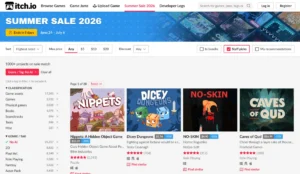
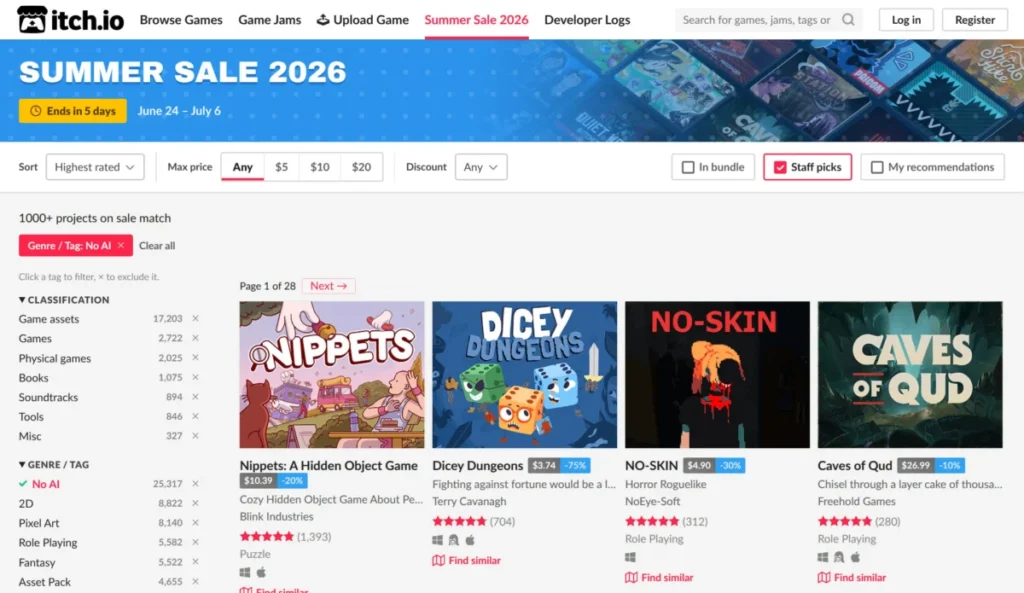
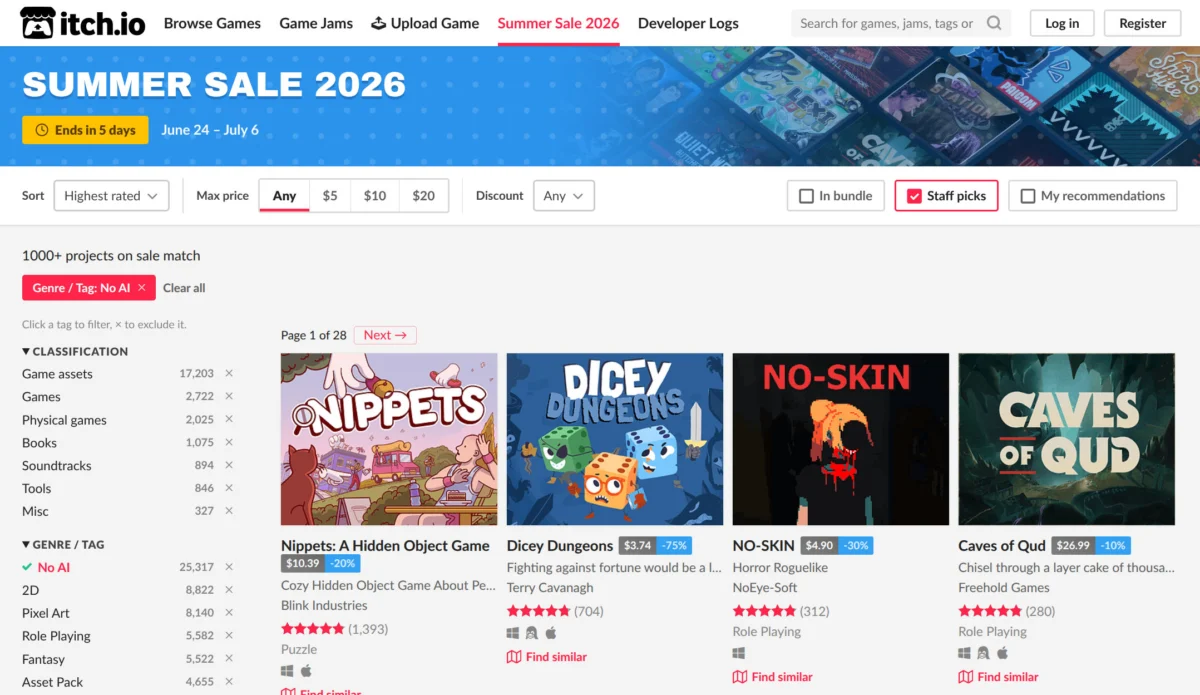
The timing of these updates is no coincidence, arriving alongside the platform’s annual Summer Sale, which features an expansive catalog of over 30,000 discounted projects. Navigating a library of this magnitude presents a unique challenge for both the developers looking to promote their work and the consumers hoping to discover hidden gems.
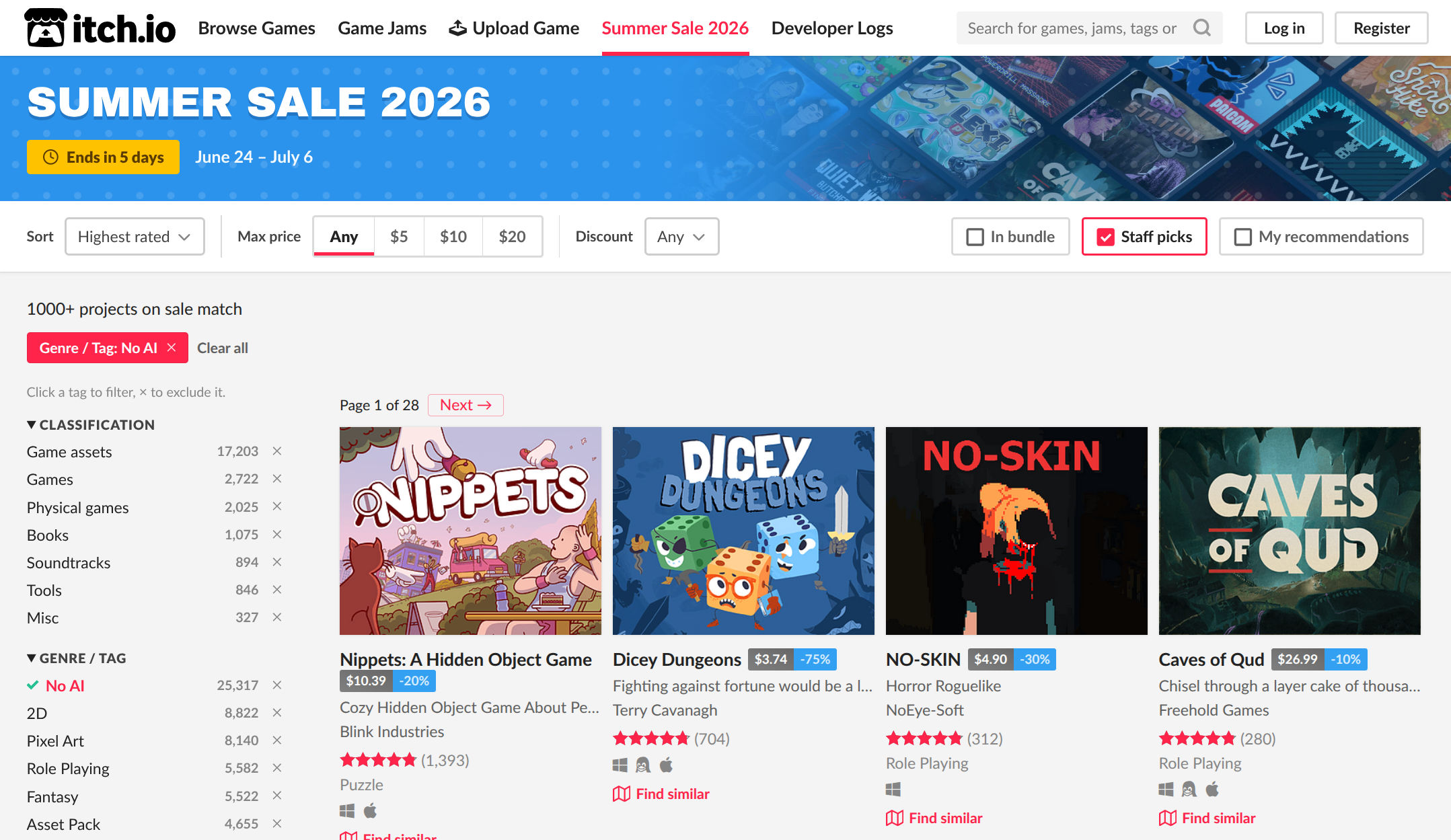
The newly minted Sale Explorer is the answer to this logistical puzzle. Previously, browsing large-scale sales could be an overwhelming experience, often restricted by linear or basic filtering tools. The Sale Explorer, however, provides a dynamic, responsive interface that allows users to drill down into the massive repository of discounted titles with surgical precision.
By automating the transition of the standard sales page during site-wide events, itch.io has created a dedicated hub that prioritizes discoverability. The developers have signaled that this is not merely a one-off feature for the Summer Sale; rather, it serves as a prototype for future iterations of the site’s core browsing pages. The long-term goal is to bring this high-level filtering capability to the standard store experience, ultimately lowering the barrier to entry for users trying to find specific genres, price points, or technical specifications.
A Decade of Refinement: The Bundle Hosting Overhaul
Bundles are the lifeblood of the itch.io community. Whether they are organized for charity, game jams, or community showcases, they are a primary driver of traffic and goodwill. However, the system governing these bundles had become a technical bottleneck, having remained largely unchanged for over ten years.
This week’s overhaul addresses the friction that plagued organizers of large-scale collaborative bundles. The new system introduces a robust management suite designed to handle complexity at scale. Key improvements include:
- Granular Participation Management: Organizers can now manage project contributions with greater flexibility, allowing for easier additions and removals without jeopardizing the stability of the bundle.
- Streamlined Asset Handling: The upload and metadata management systems have been optimized, significantly reducing the time required to configure large-scale projects.
- Backward Compatibility: Recognizing the vast history of the site, the team has implemented a mechanism where existing pending bundles can migrate to the new feature set simply by resetting participation status, ensuring that legacy projects aren’t left behind.
These changes represent a shift toward "professional-grade" management tools, catering to the growing number of developers who use bundles as a primary marketing and philanthropic vehicle.
Creative Freedom: The Modernized Jam Theme Editor
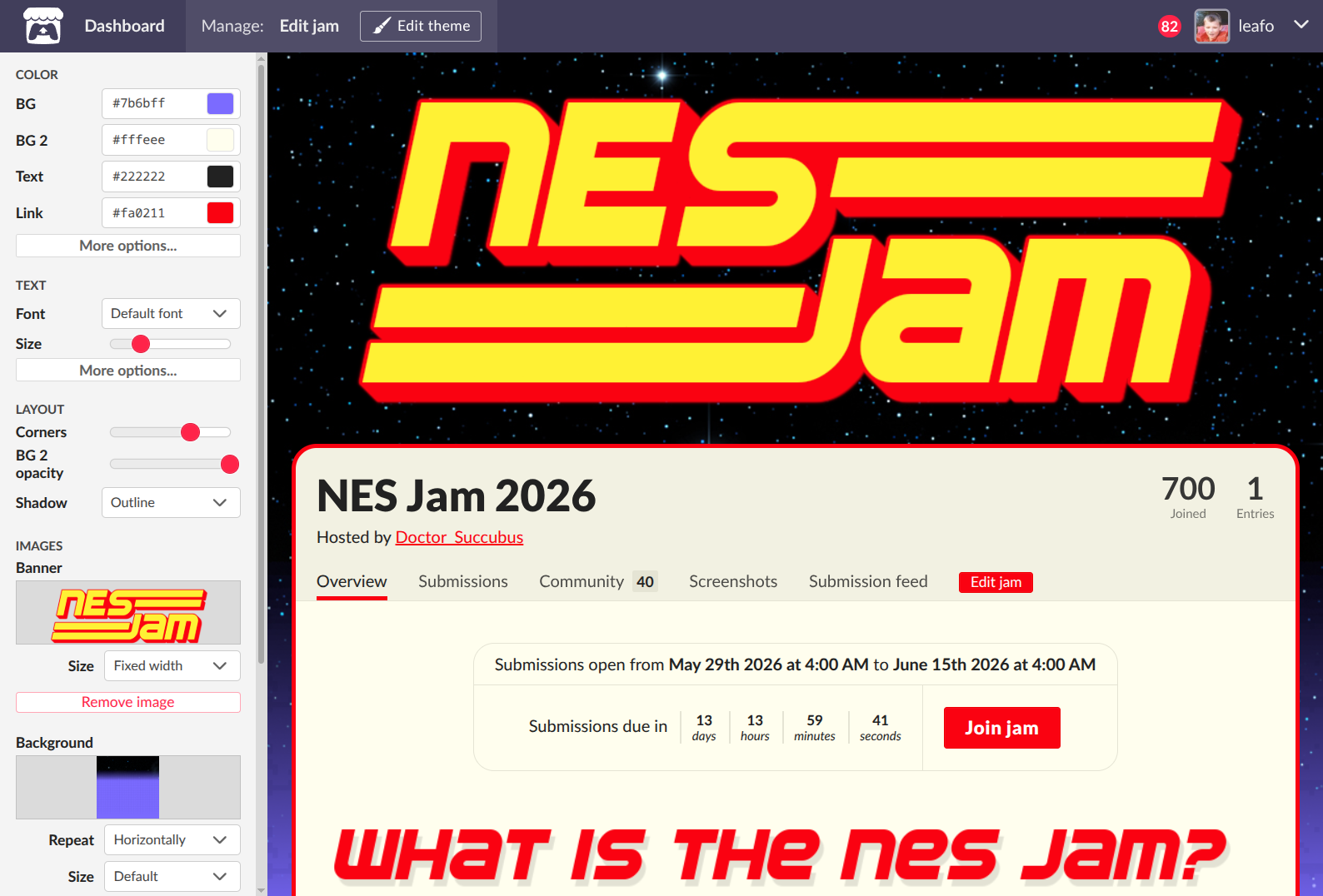
Game jams are the heartbeat of the itch.io culture, and the visual identity of these events is paramount to their success. The platform has officially migrated its Jam Theme Editor to the same modernized UI framework used across the rest of the site. This move is significant for two reasons: it improves the user experience for non-technical hosts, while simultaneously providing a more powerful sandbox for those who prefer to code.
For hosts, the update provides a suite of intuitive customization options that allow for rapid prototyping of event pages. For the more technical crowd—those who rely on custom CSS to build elaborate, thematic environments for their jams—the platform has ensured that existing custom styling remains intact. By aligning the theme editor with the site’s modern design language, itch.io is reducing the technical overhead for organizers, allowing them to focus on the creativity of the jams themselves rather than the friction of page construction.
Bridging the Gap: The Enhanced Patreon Integration
Perhaps the most technically significant update is the total reconstruction of the Patreon integration. The previous iteration, which relied on outdated API standards, had become a point of contention for both creators and patrons. Specifically, the old system struggled with international currency conversion, often failing to grant access to content for patrons whose local currency did not perfectly map to the creator’s native setting.
The new integration is built on Patreon’s V2 API, offering a far more robust "tier-based" grant system. This update effectively resolves the "currency mismatch" problem by decoupling access from raw monetary pledge amounts and instead linking it to defined membership tiers.
The new system offers creators three primary methods to gate their content:
- Tier-Based Access: Automatic granting of project access based on specific membership levels.
- Legacy Pledge Support: Ensuring that current patrons are grandfathered in without losing access during the transition.
- Enhanced Verification: A more reliable handshake protocol between itch.io and Patreon, ensuring that member status is verified instantly upon grant, eliminating the "lag" that was common in the previous version.
This change is a win for stability. Once a patron claims access to a project, they retain it indefinitely, regardless of minor fluctuations in membership status or billing cycles. This creates a more stable, predictable revenue stream for developers and a more seamless consumption experience for the patrons supporting them.
Community Feedback and Future Implications
The reception within the developer community has been largely positive, though it has also sparked a dialogue about the platform’s future direction. During the announcement, a lively discourse emerged in the community forums, highlighting both the excitement for the new tools and the desire for further innovation.
One prominent suggestion involved the "AI-assisted" content tags. Developers have expressed a desire for more granular control over how these projects appear in search results, particularly regarding the ability to filter them out of personal discovery feeds. While this remains an ongoing conversation, the platform’s responsiveness—demonstrated by the active engagement of staff in the forums—suggests a healthy feedback loop.
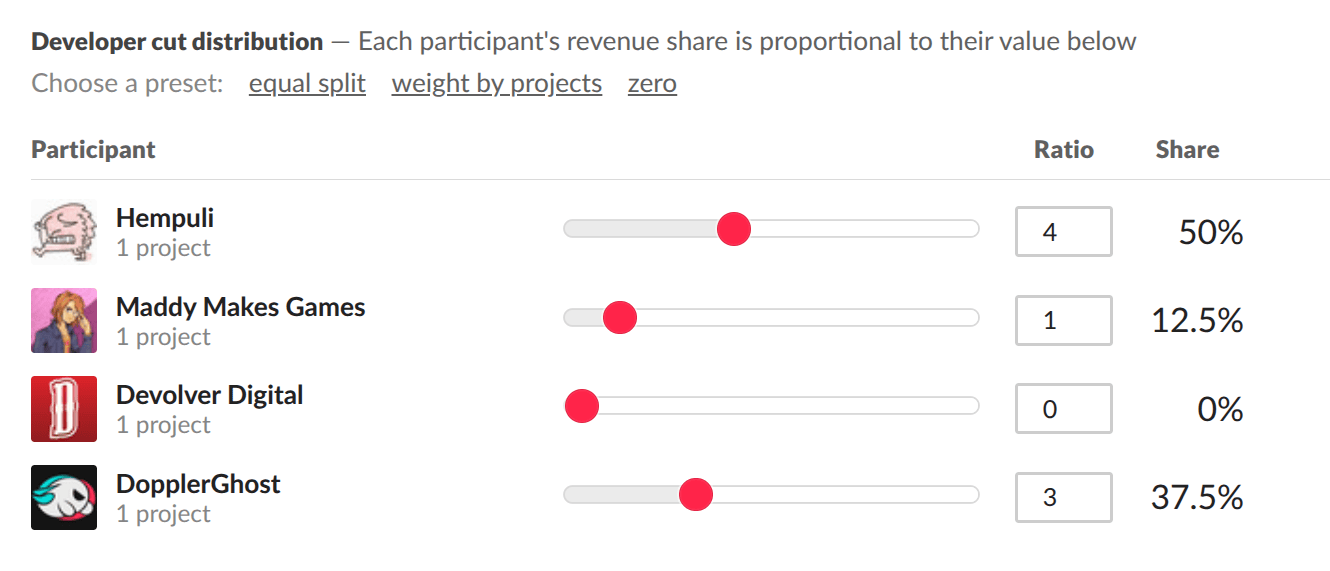
Furthermore, a recurring request for a "per-project revenue split" feature—which would allow multiple collaborators on a single project to automatically divide earnings—was met with an encouraging response from the platform’s leadership. This indicates that while these four updates are significant, they are merely part of a broader, ongoing effort to modernize the platform’s financial and creative infrastructure.
Conclusion
The latest changelog from itch.io is more than just a list of bug fixes and UI tweaks; it is a declaration of maturity. By modernizing its core systems—Sales, Bundles, Jams, and Patreon—the platform is effectively professionalizing the "indie" experience. It is removing the friction that often prevents small-scale developers from reaching a wider audience and ensuring that the financial support mechanisms they rely on are robust and future-proof.
As itch.io continues to scale, these foundational improvements will likely serve as the bedrock for more ambitious features. Whether it is the expansion of the Sale Explorer into the standard store or the potential for advanced revenue-sharing, the platform is clearly positioning itself to remain the essential home for independent gaming in the coming years. For the creators who have built their careers on the platform, these changes offer not just new tools, but a more stable, flexible, and powerful environment to share their work with the world.