AI-Driven Drug Discovery and Corporate Governance: A Mid-Year Pulse Check on Insilico Medicine and Vaxart
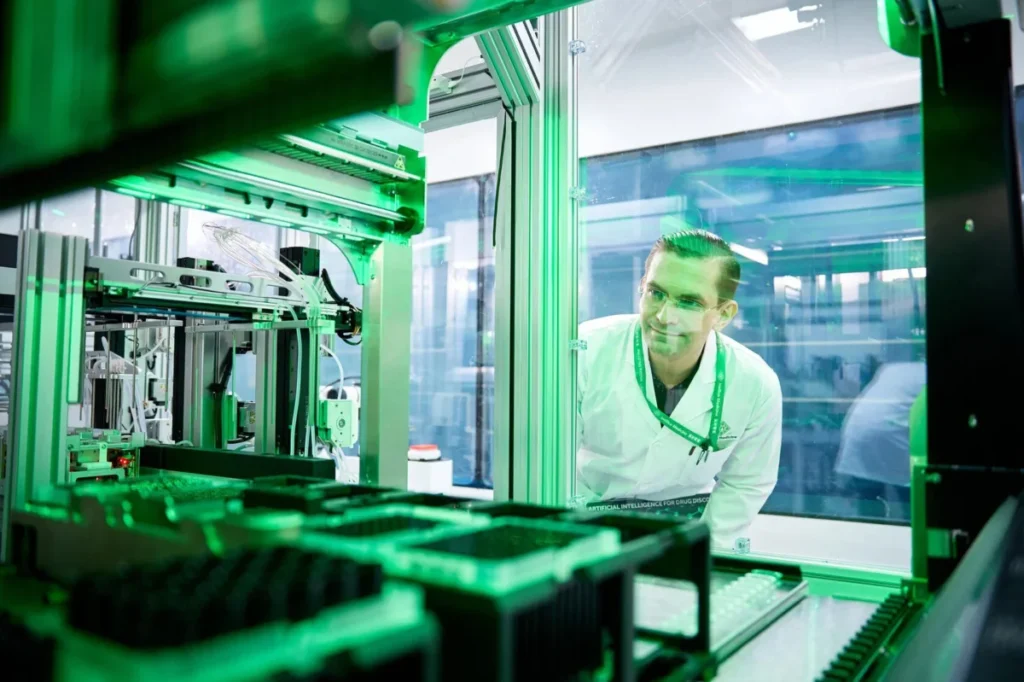
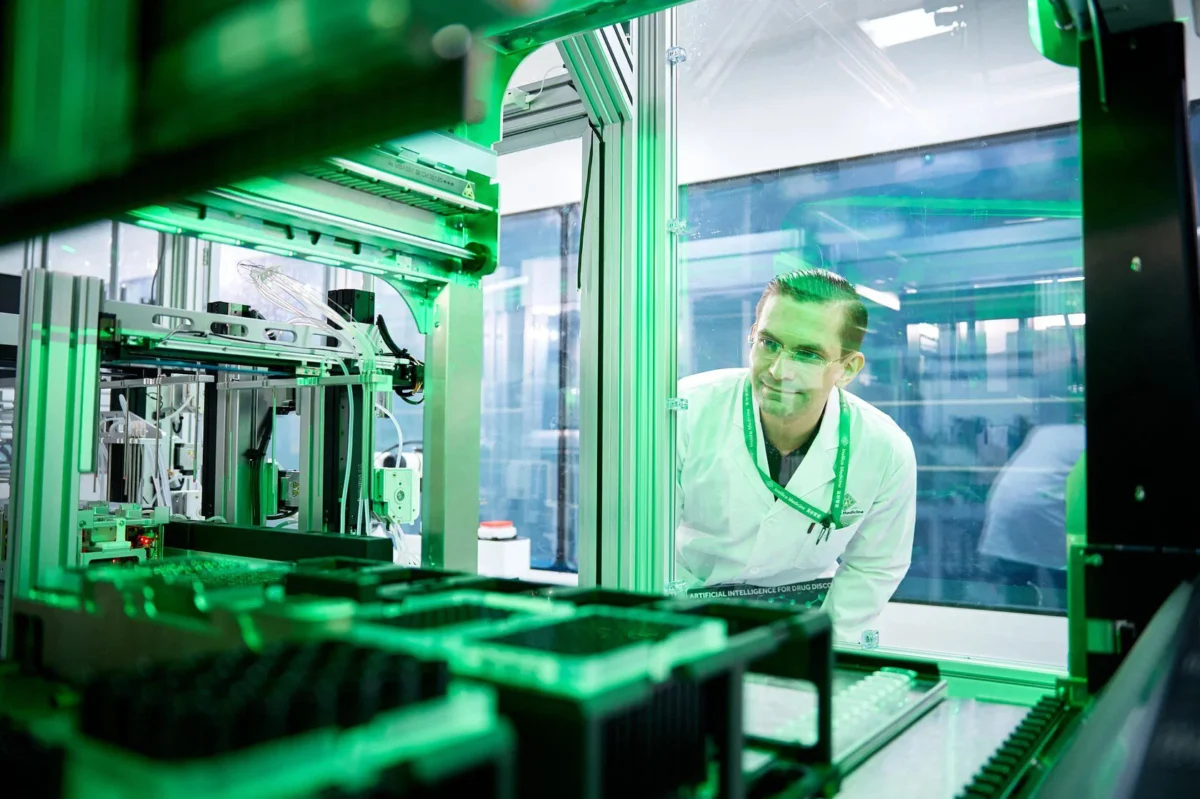
The landscape of modern biotechnology is currently defined by two diverging paths to value creation: the high-velocity, algorithmic precision of artificial intelligence (AI) and the traditional, often contentious, navigation of corporate governance and clinical trial management. As of July 2026, two key players—Insilico Medicine and Vaxart—have provided investors with starkly different, yet equally instructive, roadmaps for the second half of the year. While Insilico is capitalizing on a massive expansion of its AI-powered drug pipeline to project record profitability, Vaxart is demonstrating the importance of stakeholder alignment as it navigates the complexities of oral vaccine development.
Insilico Medicine: A New Era of Algorithmic Profitability
Insilico Medicine (Hong Kong Exchange: 3696) has firmly transitioned from a specialized technology provider into a full-fledged, late-stage drug developer. Following a turbulent 2025 characterized by significant valuation adjustments and market fluctuations, the company has delivered a robust, forward-looking financial forecast that signals a turning point in the economics of AI-driven drug discovery.
Financial Turnaround and Revenue Projections
Insilico’s management has offered an upbeat revenue and profit forecast for the first half of 2026, marking a decisive shift from the previous year. The company expects to report a net profit ranging from approximately $33.5 million to $39.5 million for the first six months of 2026, a significant reversal from the $19.2 million net loss recorded in the same period of 2025.
On an adjusted basis—excluding one-time costs such as restructuring charges and asset sales—the company forecasts a net profit between $45.5 million and $51.5 million. Perhaps most impressive is the top-line growth: Insilico is forecasting record first-half revenue between $102.5 million and $106.5 million, representing a staggering year-over-year increase of approximately 272.7% to 287.3%.
This trajectory is a stark departure from the full-year 2025 results, where revenue dipped 34% to $56.2 million. Last year’s fiscal performance was marred by a $352.5 million net loss, largely driven by the accounting impacts of converting preferred shares into ordinary shares during the company’s December 2025 IPO on the Hong Kong Exchange. However, with cash and cash equivalents tripling to over $393 million, the company’s liquidity position is stronger than ever.
The Catalyst: Rentosertib’s Advance to Phase III
The primary driver behind this newfound investor confidence is the advancement of the company’s lead candidate, rentosertib, into a Phase III clinical trial. Designed to treat idiopathic pulmonary fibrosis (IPF), rentosertib is the first program in Insilico’s expansive 40+ drug pipeline to reach this milestone.
“Rentosertib is a very important program for Insilico because it represents the full arc of our mission,” noted founder and CEO Alex Zhavoronkov, PhD. “We are using AI not only to move faster, but to originate new biology and new therapeutic opportunities in aging and disease.”
The market reaction was swift, with Insilico shares climbing 19% over three days following the announcement, closing the week at HKD 42.82. Analyst sentiment has followed suit, with Jefferies equity analyst Cui Cui initiating coverage with a “Buy” rating and a 12-month price target of HK$100, citing the company’s “first-mover advantage” and “scalable business development.”
Vaxart: Navigating Proxy Contests and Clinical Milestones
While Insilico rides a wave of momentum, Vaxart (Nasdaq: VXRT) has spent the early summer managing the delicate balance of shareholder relations and clinical progress. The company recently resolved a potential proxy war that threatened to derail its strategic focus at a critical juncture in its development of an oral COVID-19 vaccine.
The Resolution of a Proxy Conflict
Since the fall of 2025, a group of activist shareholders led by Daniel P. Houle had voiced persistent criticism regarding Vaxart’s management, citing a declining stock price, excessive capital dilution, and perceived failures in board oversight. The conflict culminated in a formal nomination of three board candidates by the activist group.
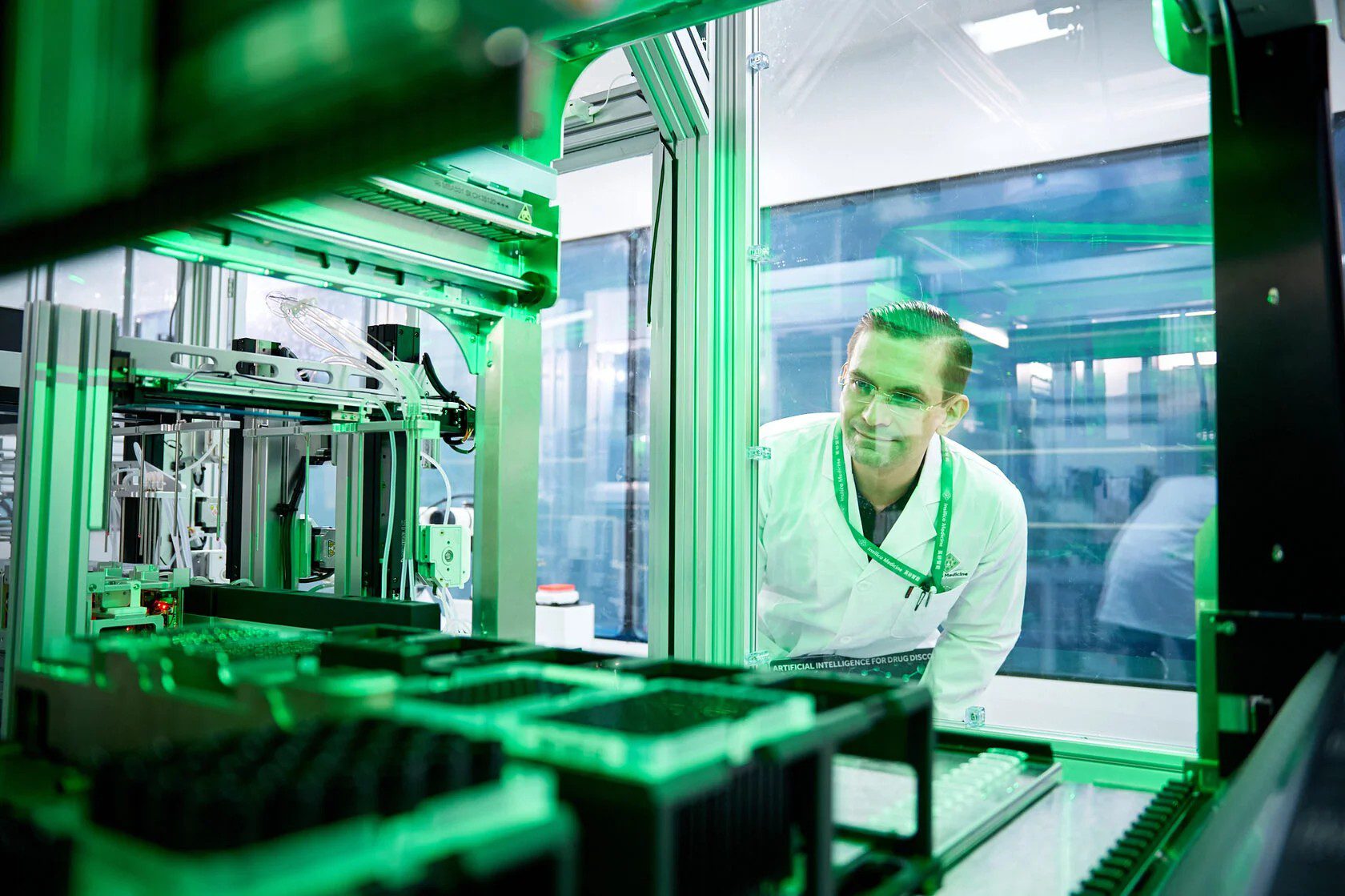
However, in early July 2026, a cooperation agreement was reached. Vaxart committed to a search for a new, mutually agreeable independent director, while the activist group agreed to withdraw their nominations. This resolution allows CEO Steven Lo and his team to focus on the company’s core mission without the distraction of a contested board election.
Clinical Progress: The Oral Vaccine Pipeline
The resolution of the proxy contest coincided with positive clinical news. Vaxart reported encouraging topline safety data from the 400-participant sentinel safety cohort of its Phase IIb trial (NCT06672055), which compares its oral COVID-19 vaccine candidate against an approved mRNA competitor.
The data revealed that the oral vaccine was well-tolerated, with a safety profile consistent with previous studies. This milestone is crucial for Vaxart, which has faced significant operational challenges, including two rounds of workforce reductions in 2025 and shifting funding dynamics from BARDA (Biomedical Advanced Research and Development Authority). Despite these hurdles, the company continues to advance its platform, supported by a licensing deal with Dynavax—now a subsidiary of Sanofi—valued at up to $700 million.
Strategic Implications for the Biotech Sector
The developments at Insilico and Vaxart underscore two distinct, yet equally vital, realities in the current biotechnology environment.
AI as an Economic Force Multiplier
Insilico Medicine’s success demonstrates that AI is no longer a peripheral tool in drug discovery; it is becoming a central driver of corporate financial health. By building a vast pipeline and partnering with giants like Eli Lilly (up to $2.75 billion) and Sanofi (up to $1.2 billion), Insilico has created a diversified, high-value asset base. The ability to generate "preclinical candidates" at scale has transformed the company from a software service provider into a potent, diversified biopharma entity. The scalability of its platform, as noted by Jefferies, suggests that the "AI-first" model is capable of achieving the sustained profitability that has historically eluded traditional biotech startups.
Governance as a Clinical Enabler
Vaxart’s experience serves as a reminder that even the most promising technology platforms are vulnerable to governance risks. The company’s ability to resolve the proxy contest and secure a unified board is essential for maintaining the focus required to navigate long-term clinical trials. For Vaxart, the challenge remains in proving that its oral vaccine can not only be safe but commercially competitive in a post-pandemic landscape. The resolution of the proxy battle provides the "runway" necessary to prove this thesis.
Looking Ahead: The Second Half of 2026
As the industry moves into the second half of the year, both companies represent the high-stakes nature of the biotech sector.
For Insilico, the focus will remain on the execution of the Phase III trial for rentosertib. Success here would not only validate the company’s lead candidate but would serve as a global "proof-of-concept" for the entire AI-driven drug discovery industry. If rentosertib achieves its primary endpoint—the reduction of forced vital capacity decline in IPF patients—it will likely set a new benchmark for how quickly and effectively AI-discovered molecules can traverse the clinic.
For Vaxart, the focus is on the completion of its Phase IIb trial and the integration of its oral vaccine into the broader public health conversation. With the proxy war behind them, the leadership team must now prove that their lean, cost-conscious structure can deliver a marketable vaccine that addresses the limitations of existing injectable options.
Ultimately, both companies are emblematic of a sector that is increasingly defined by the marriage of high-tech innovation and rigorous corporate discipline. Whether through the cold, calculated efficiency of an AI algorithm or the arduous, human-centric process of shareholder negotiation and clinical validation, the goal remains the same: the delivery of novel, life-altering therapies to the patients who need them most. As these stories continue to unfold, the financial markets will be watching closely to see if these early-summer gains can be converted into long-term, sustainable value.