Kick-Off 2025: A Deep Dive into the New Year’s Game Jam Landscape
The dawn of 2025 has brought with it more than just resolutions and cold weather; for the global game development community, January marks the return of the seasonal game jam circuit. Itch.io remains the epicenter of this creative movement, hosting a diverse array of competitions that cater to everyone from rapid-prototyping enthusiasts to narrative-driven designers. As the platform continues to foster innovation, the current slate of jams offers a microcosm of the industry’s broader trends: a focus on tight mechanics, atmospheric storytelling, and community-driven development.
The State of Global Game Jams: A Mid-January Snapshot
Game jams have evolved from niche hobbyist gatherings into essential professional development tools. They provide a "sandbox" for developers to test mechanics, refine artistic styles, and build collaborative portfolios under strict time constraints. In January 2025, the itch.io platform has seen a surge in participation across both established competitive circuits and smaller, niche-focused events.
This month’s offerings are particularly notable for their variety. Whether it is the high-stakes, tournament-style rigor of the Pirate Software Game Jam or the slow-burn, meditative design required for the Road Trip Game Jam, there is a clear appetite for thematic diversity. The following report outlines the key events defining this month, their structural requirements, and the implications for the indie development ecosystem.
Chronology of Upcoming and Active Competitions
The development calendar for January and early February is densely packed. Below is the trajectory for the most prominent jams currently defining the landscape.
1. Pirate Software – Game Jam 16 (Jan 17 – Jan 31)
Widely considered the heavy hitter of the month, the Pirate Software bi-yearly jam returns for its 16th iteration. Spanning a 14-day development window, this event allows teams of up to five members. Unlike "speed jams," which focus on 48-hour sprints, this event demands a high level of polish. Participants are required to submit a comprehensive Game Design Document (GDD) alongside a browser-compatible prototype. Judging, which commences on January 31 and concludes on February 14, evaluates entries based on playability, thematic integration, and "cleverness." Winners will receive the prestige of an announcement on the official Pirate Software Dev Stream.
2. Mini Jam 176: Foxes (Jan 17 – Jan 20)
For those who prefer a condensed, high-pressure environment, the "Mini Jam" series remains a staple. Hosted by ZahranW, the 176th edition—themed "Foxes"—challenges developers to complete a game in just 72 hours. The inclusion of a surprise, last-minute limitation adds a layer of "game feel" engineering that tests a developer’s ability to pivot under pressure.
3. Cozy Winter Jam 2025 (Jan 23 – Jan 26)
As the winter season reaches its peak, the Cozy Winter Jam, hosted by Virtual Turtle Games, offers a shift in tone. Moving away from high-octane competition, this event encourages the creation of small-scale, atmospheric, and "cozy" titles. It is a vital outlet for developers focusing on art direction, UI/UX, and emotional resonance rather than raw mechanical complexity.
4. Road Trip Game Jam (Jan 23 – April 23)
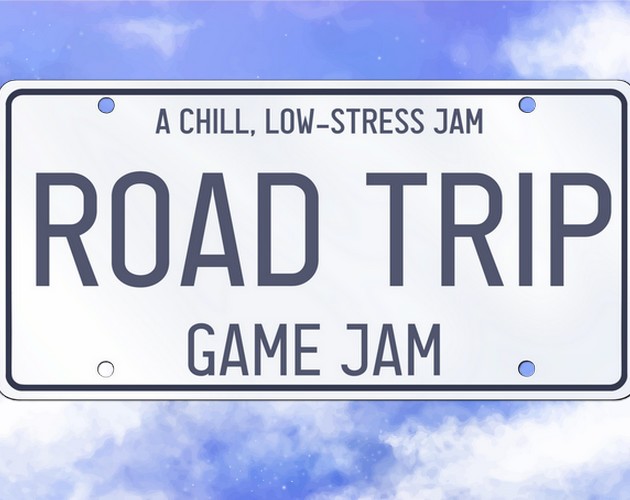
In a departure from the "crunch" culture often associated with game development, the Road Trip Game Jam offers an expansive, three-month window. This event, hosted by Meiri and Nevi, is designed to be stress-free. By allowing for long-term development, the organizers hope to attract developers who wish to explore narrative depth, complex systems, or even tabletop/analog formats.

5. ScoreSpace Jam #33 (Jan 24 – Jan 27)
ScoreSpace #33 returns with a laser focus on arcade-style satisfaction. The requirement to include a functional, integrated leaderboard is a technical hurdle that forces participants to engage with backend logic—a crucial skill for any prospective studio engineer. The top three entries will be featured by streamers, providing significant exposure for the winners.
6. Horror Ham-Jam 2025 (Jan 16 – Feb 2)
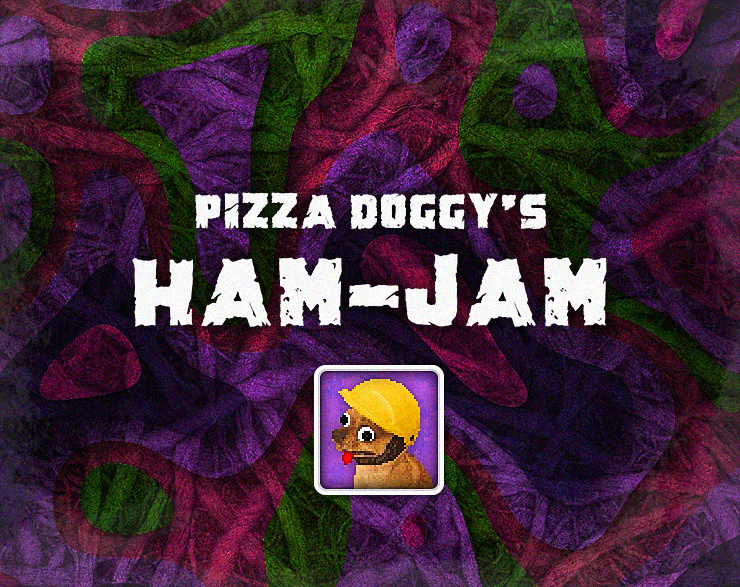
Focusing on the constraints of space, this horror-themed event challenges participants to design within confined environments. By mandating the use of a provided asset bundle, the organizers, Gxvrnxr and Pizza Doggy, ensure a level playing field where creative ingenuity in level design must take center stage.
Supporting Data: The Impact of Recent Events
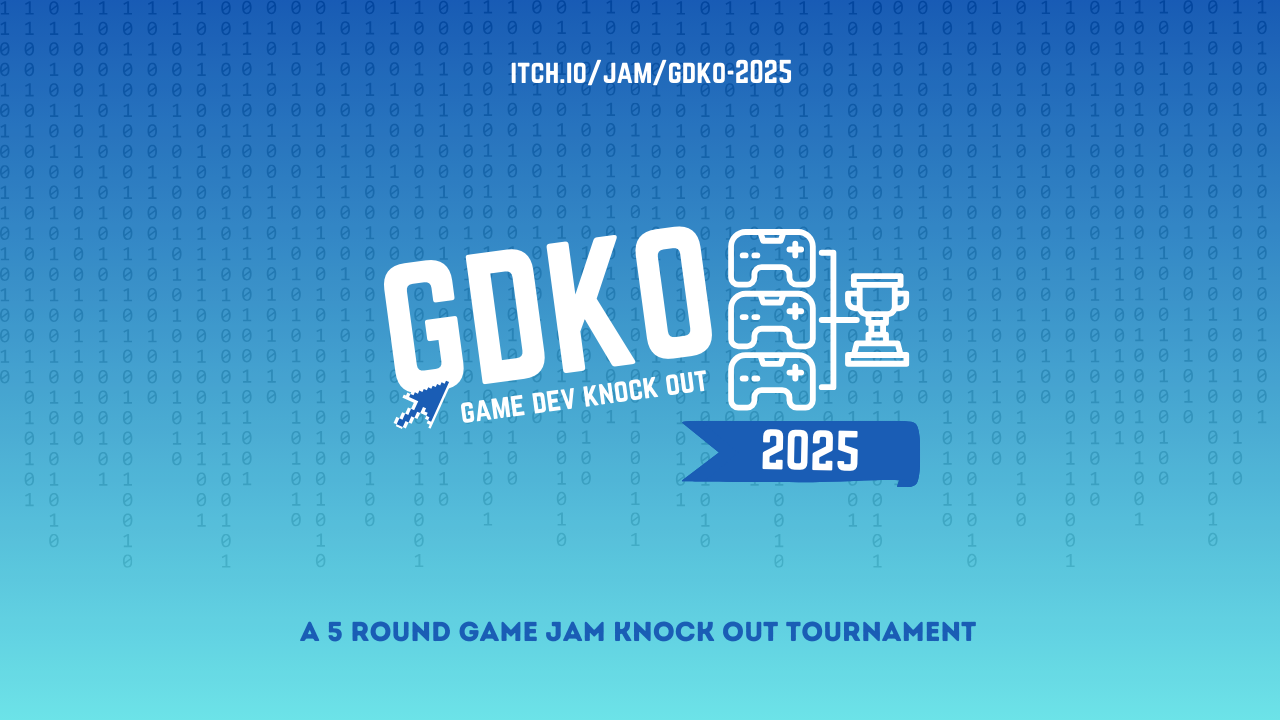
The success of recent jams indicates a growing sophistication in the submissions process. The GDKO 2025 (Round 1), which recently concluded, saw 215 unique submissions. Often dubbed the "Squid Game" of the dev world for its elimination-style tournament structure, the event serves as a bellwether for the health of the indie scene. The focus on core and secondary mechanics in the GDKO entries highlights a shift toward systems-based design.
Similarly, the CONSTRUCT JAM 2025, which concluded mid-month, showcased the versatility of the Construct engine. With a theme as abstract as "Tough Choice," developers were forced to grapple with narrative agency, proving that even engine-specific jams are moving toward deeper, more meaningful content.
Official Responses and Community Sentiment
While the excitement surrounding these jams is palpable, the community discourse on itch.io remains complex. The platform’s recent administrative changes and content policy updates have prompted a mixed reaction from its user base.
In the comments sections of recent blog posts, veteran users have expressed frustration regarding the platform’s transparency and communication. Concerns regarding the use of AI-generated assets—as evidenced by inquiries into thumbnail generation—and broader anxieties about the platform’s direction suggest a tension between the corporate management of itch.io and the grassroots indie community that built its reputation.
However, the overwhelming majority of the discourse remains focused on the craft itself. "More cool games on itch.io" and similar sentiments reflect the core identity of the platform: it is, first and foremost, a library of human creativity. As the community continues to grow, the dialogue between developers and platform administrators will be essential to maintaining the trust necessary for these massive, distributed events to function.
Implications for the Future of Indie Development
The prominence of these January jams carries significant implications for the broader industry.
- Professionalization of "Game Jammers": As the quality of submissions rises, game jams are increasingly serving as virtual resume builders. The requirement for GDDs and integrated leaderboards signals that the barrier to entry is shifting from "just making something" to "making something functional and professional."
- The Rise of Niche Genres: The success of the "Cozy" and "Horror" specific jams highlights a fragmentation of the market. Developers are no longer just making platformers; they are carving out specific emotional or thematic niches. This trend is likely to influence upcoming indie titles on Steam and consoles.
- Sustainability vs. Burnout: The contrast between the 72-hour Mini Jam and the three-month Road Trip Jam demonstrates an ongoing debate within the community regarding sustainable development. The industry is beginning to recognize that "crunch" is not a requirement for quality, and organizers are adjusting their timelines accordingly.
Looking Ahead
For developers looking to sharpen their skills, the itch.io jams page serves as an essential dashboard. Whether you are an engine-specialist, an artist, or a narrative designer, the current calendar offers a pathway to both personal growth and community recognition. For those interested in becoming stewards of the community, the itch.io documentation on hosting one’s own jam provides a comprehensive guide to building a competitive, fair, and engaging event.
As we move further into 2025, the themes established in these January jams—the constraint of space, the importance of high scores, and the allure of the cozy aesthetic—will undoubtedly inform the next wave of independent gaming. The "jam" is no longer just a weekend exercise; it is the heartbeat of the modern indie studio.