Global Maker Movement Flourishes: Raspberry Pi Announces Expansive Summer 2026 Community Calendar
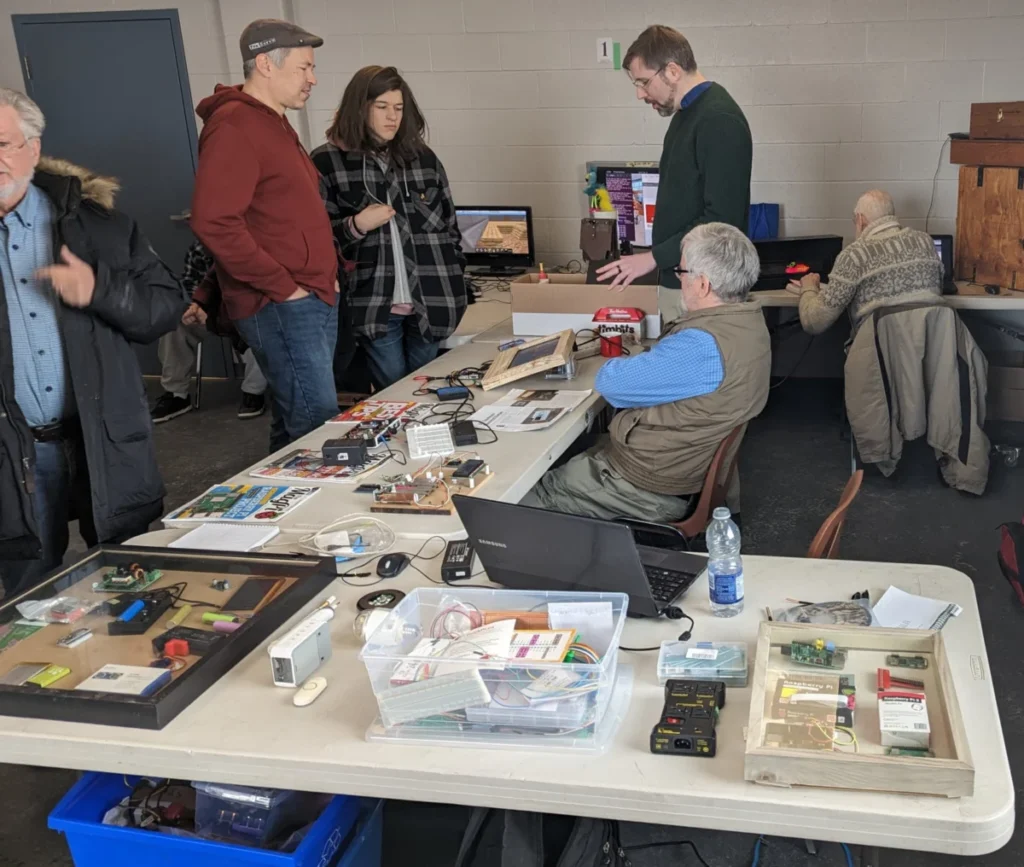
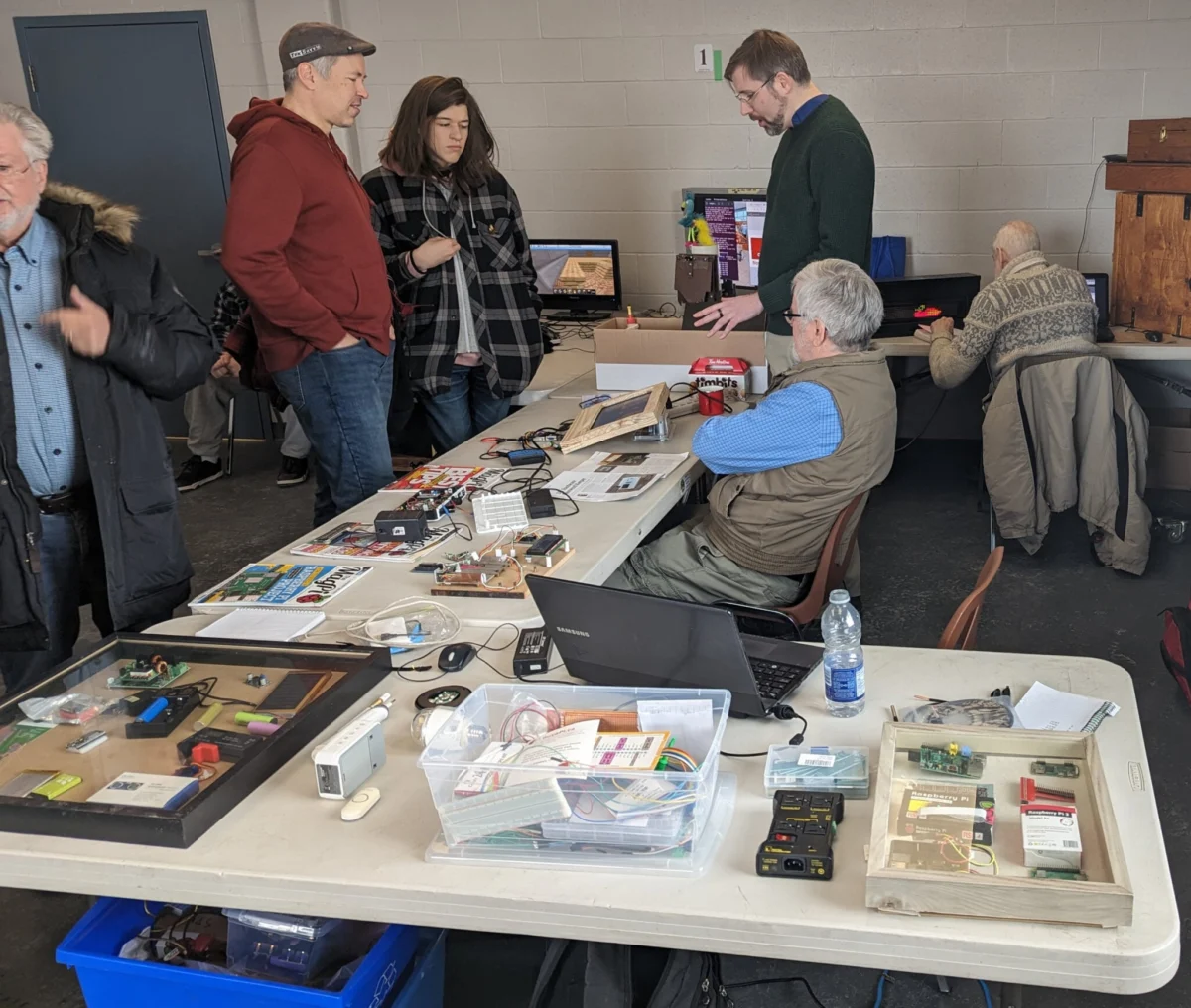
CAMBRIDGE, UK – The Raspberry Pi Foundation and its commercial arm, Raspberry Pi Ltd, have officially unveiled a comprehensive schedule of community-led events for the summer of 2026. What began over a decade ago as a modest gathering of four enthusiasts in a British pub has evolved into a global phenomenon, with the "Raspberry Jam" movement now spanning every inhabited continent. This summer’s lineup signals a significant maturation of the maker movement, shifting focus toward sophisticated technologies such as local Artificial Intelligence (AI), industrial automation, and hybrid educational models.
The announcement highlights not only the geographical reach of the Raspberry Pi ecosystem—from the tech hubs of Bangalore to the rural landscapes of Cornwall—but also a strategic expansion of the brand’s physical retail presence through a series of high-profile "pop-up" stores across the United Kingdom.
Main Facts: A Decentralized Tech Revolution
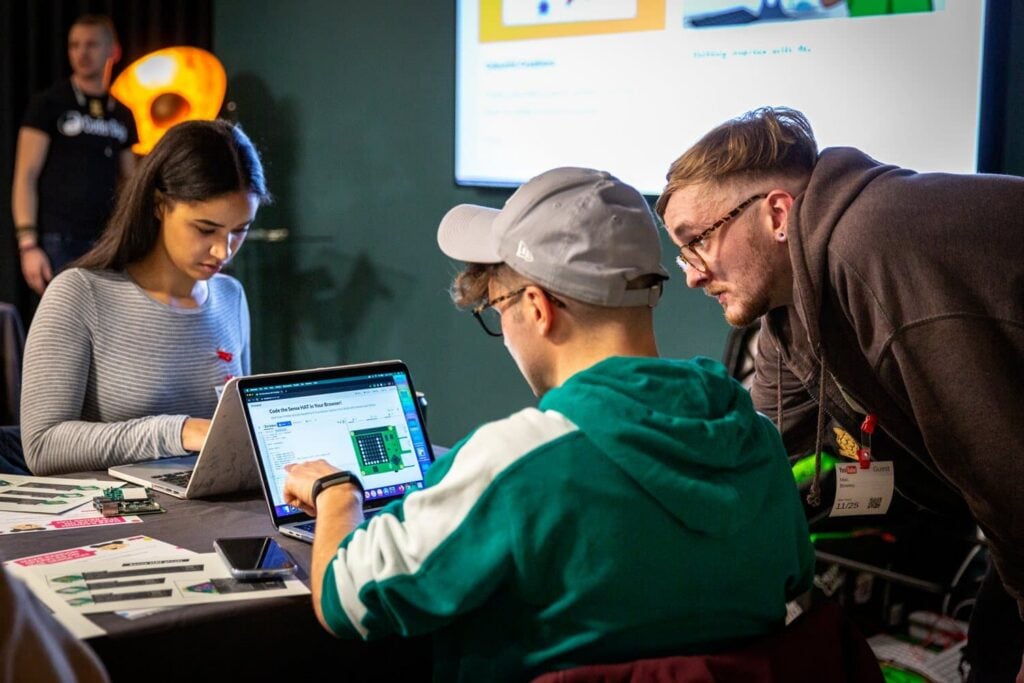
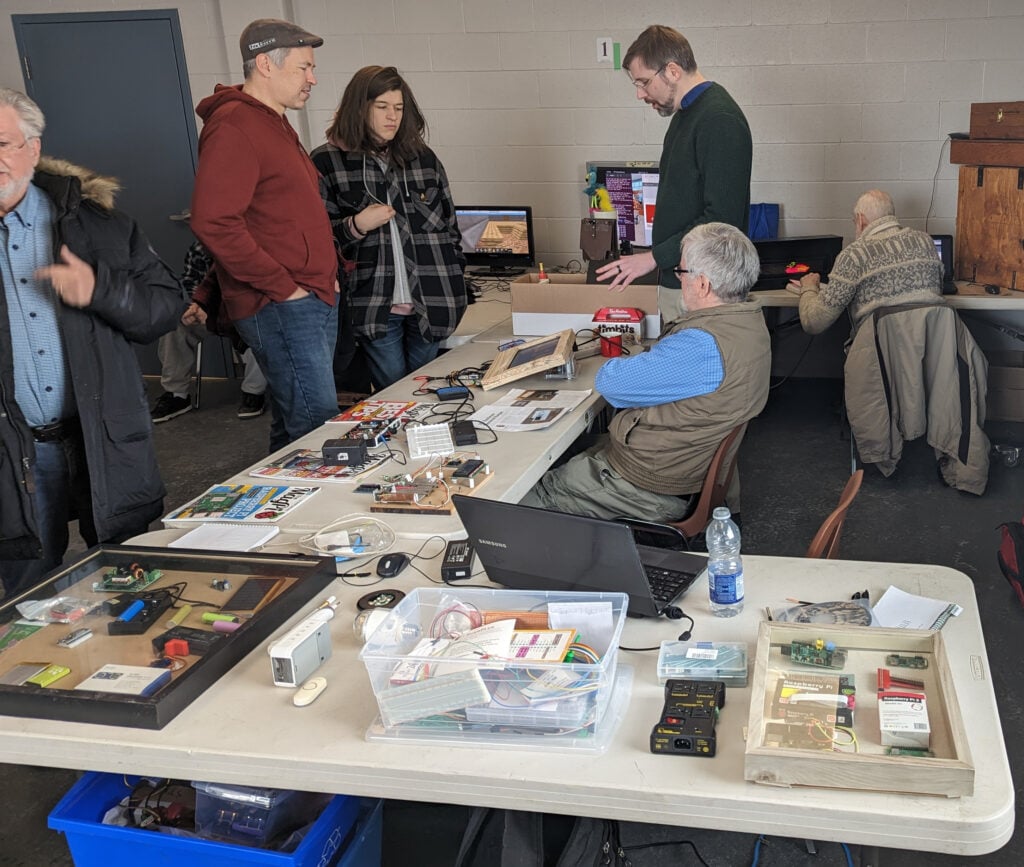
The core of the Raspberry Pi philosophy has always been the democratization of computing. The Summer 2026 calendar serves as a testament to this mission. Unlike traditional tech conferences managed by corporate entities, "Raspberry Jams" are grassroots initiatives organized by the community for the community.
Key highlights of the upcoming season include:
- Global Diversification: Events are scheduled in Pakistan, Nigeria, Argentina, India, France, and the United States, alongside a strong UK presence.
- Technological Evolution: A noticeable shift toward "Physical AI" and "Local AI," reflecting the increased processing power of modern Raspberry Pi hardware and the availability of specialized AI accelerators.
- Retail Expansion: The Raspberry Pi Store, originally exclusive to Cambridge, is embarking on a regional tour to Manchester and Bristol, bringing hardware and expertise directly to major metropolitan centers.
- Hybrid Participation: Recognizing the post-pandemic shift in collaboration, several marquee events will offer hybrid or purely online attendance options to ensure inclusivity for those unable to travel.
Chronology of Summer 2026: A Season of Innovation
The summer schedule is characterized by a dense concentration of events beginning in late June and concluding in late August, each catering to different segments of the maker community.
June: The Kick-off of Localized Intelligence
The season commences on June 23, 2026, with the June Hybrid Raspberry Pint in London. This event serves as a bridge between the traditional "pub meet" roots of the movement and the modern hybrid era, allowing London locals to meet in person while broadcasting tech talks to a global audience.
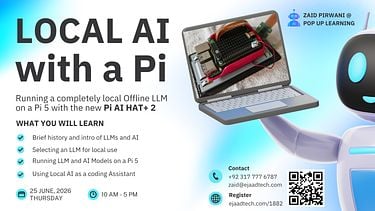
On June 25, the focus shifts to Karachi, Pakistan, for "Local AI with a Pi." This event is particularly significant as it addresses the growing demand for edge computing—running AI models locally on small devices rather than relying on expensive, privacy-invasive cloud infrastructure.
The month concludes on June 27 with two major international gatherings. In FCT Abuja, Nigeria, the Pi Automation Studio will explore the application of single-board computers in industrial and home automation, a critical field for emerging economies. Simultaneously, in Fernandez, Santiago del Estero, Argentina, the Raspberry JAM Junio 2026 will foster local talent in South America, proving that high-tech education knows no borders.
July: AI Buildathons and Tech Jams
July marks the peak of the summer calendar. On July 4, the Raspberry Pi Jamwich provides an online sanctuary for those celebrating the holiday through coding and digital making.
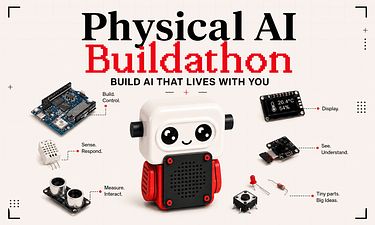
The following day, July 5, Bangalore, India—often cited as the Silicon Valley of Asia—hosts the Physical AI Buildathon. This intensive session is expected to draw computer engineers and hobbyists alike to build robots and devices that perceive and interact with their environment using machine learning. Parallel to this, the NextGen Raspberry Pi Workshop (July 5–7) will run online, specifically targeting the younger demographic to secure the future of the STEM pipeline.

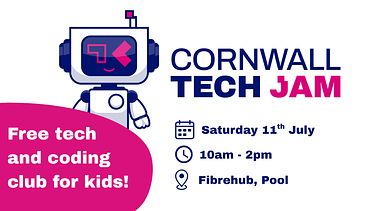
Mid-July sees a return to the UK with the Cornwall Tech Jam on July 11 in Pool, a region that has seen a surge in tech-led regeneration. On July 13, the Riverside Raspberry Pi Meetup begins its three-month residency in California, USA, showcasing the sustained interest in the American maker scene.
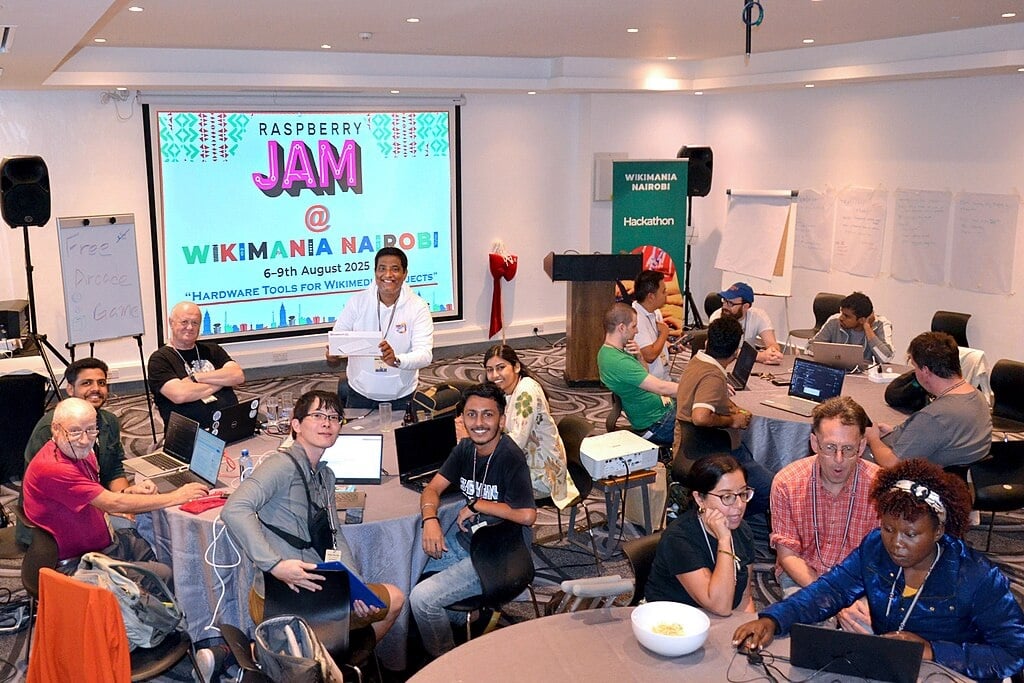
The month’s major events conclude with the Southend Raspberry Jam Maker Meetup on July 16 and a high-profile appearance at Wikimania Paris 2026 on July 22, where the intersection of open-source hardware and open-source knowledge will be celebrated.
August: The Retail Tour and Final Jams
While the Riverside meetups continue in the US, the UK focus shifts to the Raspberry Pi Store Tour. Following a successful stint in Manchester in late July, the tour moves to Bristol’s Cribbs Causeway from August 28 to August 30, providing a finale to the summer season by equipping makers with the latest hardware for their autumn projects.
Supporting Data: The Growth of the Ecosystem
The scale of these events is supported by the massive growth in Raspberry Pi’s market presence. Since the launch of the original Model B in 2012, the company has sold tens of millions of units. By 2026, the ecosystem has expanded beyond the flagship "SBC" (Single Board Computer) to include the RP2040 and RP2350 microcontrollers, which have become industry standards for embedded systems.

Data from previous community calendars suggests that "Raspberry Jams" have a significant impact on local education. Approximately 60% of attendees at regional Jams are students or educators seeking practical applications for classroom theory. Furthermore, the inclusion of AI-focused events in 2026 reflects a 40% increase in AI-related project submissions to the Raspberry Pi Foundation’s community forums over the past two years.
The "Pop-up Store" model also yields impressive metrics. When the store first moved beyond its Cambridge flagship, foot traffic exceeded expectations by 200%, indicating a high "offline" demand for specialized computing hardware that traditional electronics retailers often fail to satisfy.

Official Responses: A Call to Action
Raspberry Pi leadership has consistently emphasized that the strength of the platform lies in its users. In a statement accompanying the event listings, the organization encouraged enthusiasts to take the initiative where gaps in the calendar exist.
"The Raspberry Pi community has been starting maker groups and hosting their own events for years," the organization stated. "Whether it’s for five people or 500, a weekly occurrence or a one-off special, we want to help more people find and join you."

This "open-source" approach to community management allows the brand to maintain a global presence without the overhead of a centralized event-planning department. By providing the digital infrastructure—such as the community events calendar and a streamlined registration form—Raspberry Pi Ltd enables local leaders to act as brand ambassadors, fostering a sense of ownership among users.
Implications: The Future of Distributed Innovation
The Summer 2026 event schedule carries several long-term implications for the technology sector:
.png)
1. The Normalization of Edge AI
By hosting AI buildathons in Karachi and Bangalore, the community is signaling that AI is no longer the exclusive domain of those with access to massive data centers. The focus on "Local AI" suggests a future where privacy-focused, low-power intelligence is embedded in everyday objects, from agricultural sensors in Nigeria to smart home devices in London.
2. Retail as Experience
The Raspberry Pi Store tour (Manchester Arndale and Bristol Cribbs Causeway) represents a shift in tech retail. In an era where most components are bought via e-commerce, the success of these pop-ups suggests that consumers still value physical interaction, expert advice, and the "discovery" aspect of browsing specialized hardware in person.

3. Bridging the Digital Divide
The geographical spread of these events—particularly in the Global South—highlights Raspberry Pi’s role in bridging the digital divide. By providing low-cost, high-performance hardware and a supportive community, these Jams empower individuals in emerging economies to develop local solutions to local problems, rather than relying on imported, proprietary technology.
4. Educational Continuity
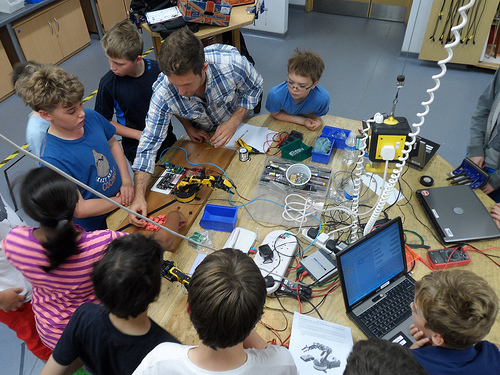
The "NextGen" workshops and the "maker space" style of many Jams (offering soldering and coding hands-on experience) ensure that the skills gap in the engineering sector is being addressed at the grassroots level. This hands-on approach is often more effective than traditional curriculum-based learning in sparking a lifelong interest in STEM.
As the Raspberry Pi community prepares for a summer of building, coding, and sharing, the message is clear: the maker movement is no longer a niche hobby—it is a vital, global engine for education and industrial innovation. Whether in a pub in London or a workshop in Abuja, the next generation of computing is being built one Pi at a time.