The Pulse of Open Source: From Wayland Milestones to the Resurgence of Legal Sagas


The landscape of open-source technology is shifting with unprecedented velocity. As we navigate the mid-year milestones of 2026, the ecosystem is characterized by a mature approach to display protocols, a resurgence of niche hardware innovation, and the persistent, if wearying, echoes of historical legal battles. This comprehensive report explores the latest developments in Linux Mint, the emergence of novel hardware architectures, and the critical shifts in professional development and software security.
I. The Main Facts: Wayland’s Ascension and Hardware Innovation
The most significant shift in the Linux desktop environment comes from the Linux Mint team. For years, the project maintained a deliberate, conservative pace regarding the adoption of Wayland, the modern successor to the aging X11 display server protocol. While other distributions pivoted rapidly, often at the cost of stability, Mint prioritized a "ready when it’s right" philosophy.

That strategy has reached its zenith: Cinnamon’s Wayland session is officially shedding its "experimental" label with the release of Mint 23 this Christmas. This is not merely a feature update; it is a fundamental architectural transition that will see Wayland ship as a fully supported, first-class citizen alongside the legacy X11 session. Contrary to long-standing industry myths regarding latency, recent benchmark data indicates that Wayland has effectively neutralized performance concerns, offering a responsive, modern experience that rivals and often exceeds X11.

Beyond software, hardware innovation continues to push boundaries. The ELM11-Feather is a case in point. While most microcontroller boards relegate Lua to a secondary, "add-on" status, the ELM11-Feather—powered by a GOWIN FPGA—integrates Lua at the application layer as a primary driver. By eliminating a separate CPU and leveraging VHDL/SystemVerilog for hardware-level control, the device represents a new paradigm in embedded systems design. Similarly, the Open Book Touch e-reader has finally moved from its 2020 DIY soldering roots into a mass-market, ready-to-use device. Featuring an ESP32-S3 chip and a user-replaceable battery, it stands as a defiant, DRM-free alternative to closed-ecosystem e-readers.

II. Chronology of Recent Developments
To understand the current state of the FOSS (Free and Open Source Software) ecosystem, one must look at the recent timeline of events:
- Early 2026: The developer community witnesses a surge in self-hosted, lightweight software, highlighted by the transition of Chatto to an AGPL-3.0 open-source model. This signals a growing trend of users seeking alternatives to bloated, proprietary team communication platforms.
- Mid-2026: The GNOME Project announces Test Center, a dedicated application designed to lower the barrier for users wanting to experiment with beta features without jeopardizing system stability.
- July 2026: The long-dormant SCO vs. IBM legal saga resurfaces. The industry was reminded that the copyright disputes rooted in the early 2000s remain a "zombie" issue, with Xinuos continuing to challenge IBM over legacy Unix code.
- Present Day: Cursor, an AI-powered code editor, faces intense scrutiny following the disclosure of an unpatched zero-day vulnerability on Windows. The flaw, which allows arbitrary code execution via a specifically named
git.exefile, has remained unaddressed for months, sparking a broader conversation about the security of AI-integrated development tools.
III. Supporting Data: The Efficiency Gap
The debate between X11 and Wayland has long been fueled by anecdotal claims of "input lag." However, recent rigorous testing has largely dismantled these assertions. The data suggests that when implemented correctly—as the Linux Mint team has done—Wayland provides superior frame-pacing and reduced overhead compared to the aging X11 codebase.

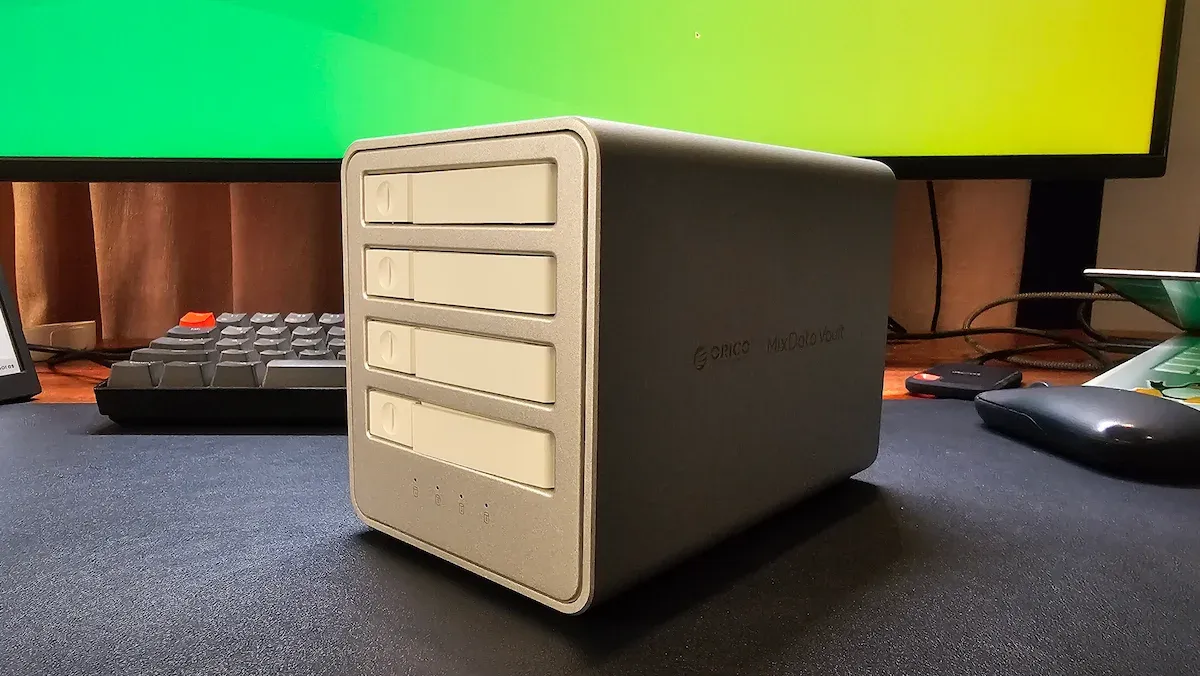
In the realm of hardware, the ORICO 8848U4 NVMe enclosure offers a tangible look at the progress of Linux peripheral support. By utilizing native Thunderbolt and USB4 connectivity, the device bypasses the need for proprietary drivers, a massive win for the "plug-and-play" experience on Linux. This shift toward kernel-level hardware support is a vital indicator of Linux’s increasing viability for professional storage and high-performance computing.

IV. Official Responses and Industry Implications
The industry response to these developments has been mixed. While the community has lauded the Linux Mint team for their measured, stability-first approach to Wayland, the security community has been less forgiving regarding the Cursor editor vulnerabilities. The delay in patching a known critical flaw highlights the risks inherent in rapidly iterating AI-focused tools where "speed-to-market" often supersedes security hygiene.

Furthermore, the Linux Foundation’s decision to offer significant discounts on certifications and training indicates a concerted effort to professionalize the Linux workforce. With the rise of AI-driven engineering, the focus is shifting from basic system administration to the integration of complex AI workflows. Linus Torvalds’ own acknowledgement of AI as a transformative tool has accelerated this shift, pushing the educational sector to provide bootcamps specifically tailored for the "AI Engineer" of the future.
V. Implications: The Future of Open Source
The convergence of these events suggests three primary trajectories for the open-source community:

1. The Death of Legacy Protocols
With Linux Mint adopting Wayland, the final major holdout for X11 is effectively beginning its transition to a post-X world. This will likely force remaining enterprise applications to accelerate their Wayland migration, finally putting to rest the decades-old display server technical debt.
2. The Rise of "Hardware-First" Open Source
Projects like the ELM11-Feather and the Open Book Touch prove that the open-source movement is no longer confined to software. There is a burgeoning demand for hardware that is transparent, repairable, and free from the shackles of Digital Rights Management. This hardware-software synergy is becoming the new gold standard for privacy-conscious consumers.

3. Professionalization and Security Vigilance
As Linux gains a larger footprint in the enterprise, the margin for error shrinks. The "zombie" lawsuits like SCO vs. IBM remind us that the legal foundations of open source are always subject to challenge. Simultaneously, the security lapse at Cursor serves as a stark warning: as we integrate AI into the very fabric of our development environments, we must maintain a rigorous, old-school commitment to security audits and patch management.
VI. Concluding Thoughts: Beyond the Code
For the average Linux user, these developments are a reminder that the ecosystem is as vibrant as it is complex. Whether you are remapping your keyboard keys for efficiency in the terminal, exploring the nuances of the Wayland transition, or debating the ethics of AI in the Linux community, you are part of a movement that values transparency and user sovereignty.
The path forward is clear: the community must continue to champion projects that prioritize long-term stability over short-term hype. Whether it is the slow-and-steady approach of the Mint team or the bold, hardware-centric experimentation of indie developers, the future of FOSS is not just about the code we write, but the principles we uphold. As we look toward the remainder of the year, one thing remains certain: the open-source revolution is far from over—it is merely entering a new, more mature chapter.

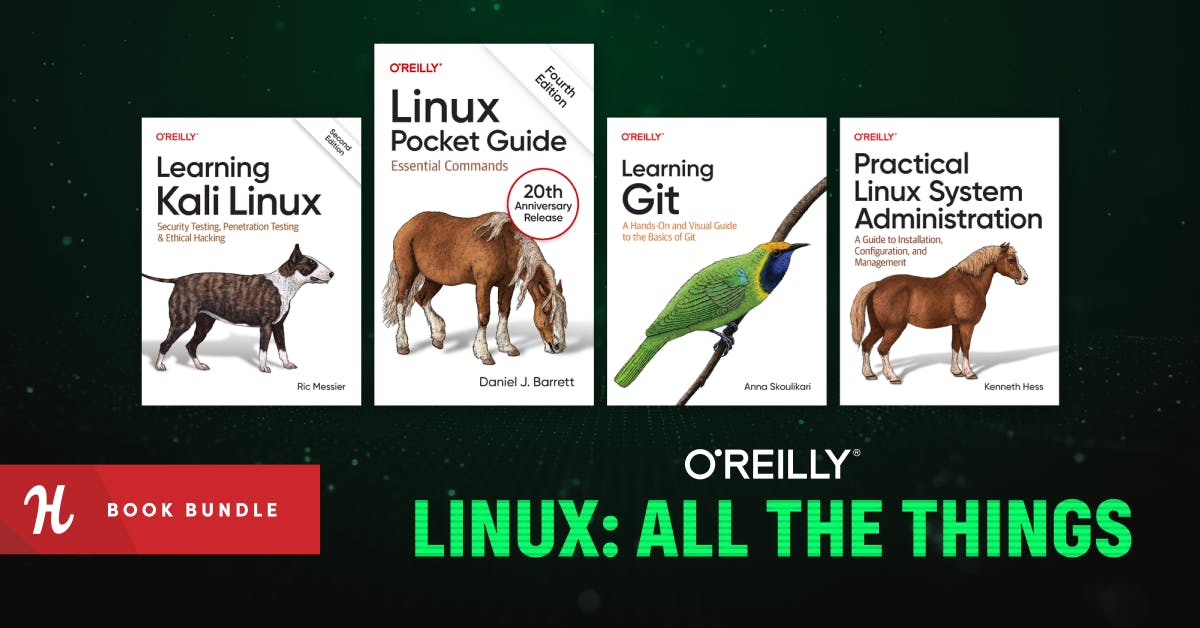
For those looking to deepen their engagement with the community, there is no shortage of resources. From mastering shell scripting through O’Reilly’s comprehensive collections to participating in forums regarding the role of AI in our daily workflows, the opportunity to grow is omnipresent. Support the projects that keep the spirit of FOSS alive, and remember: in the world of open source, your contribution—whether it be a patch, a bug report, or simply a choice to support independent development—is what keeps the wheels turning.