What’s !important: The Evolution of CSS, Dialog UX, and the Pulse of the 2026 Web Community
The landscape of front-end development is shifting rapidly. As we navigate the midpoint of 2026, the CSS specification is undergoing its most significant transformation in years, transitioning from a static styling language into a dynamic, functional programming environment. From the advent of native @function support to critical refinements in user interface components like <dialog>, developers are being granted more power and flexibility than ever before.
This edition of What’s !important breaks down the latest advancements in web standards, the takeaways from the recent CSS Day 2026, and the subtle quality-of-life improvements that are currently redefining the standard of excellence in UI design.
Main Facts: The New Frontier of CSS Functions
The most headline-grabbing development in the CSS ecosystem is the introduction of native @function support. Long awaited by the development community, this feature allows for the creation of custom, reusable CSS logic directly within stylesheets.
Breaking Down @function
Jane Ori’s recent technical deep-dive on Frontend Masters has become the definitive primer for developers looking to navigate this transition. While initially perceived as an intimidating leap in complexity, the consensus is that @function is poised to become the most significant "Baseline" feature of 2026. By enabling developers to encapsulate complex calculations and transformations, it reduces reliance on preprocessors like Sass. For those seeking a technical reference, Declan Chidlow has authored a comprehensive guide on CSS-Tricks, which is rapidly becoming the industry-standard documentation for implementation.
The Emergence of the alpha() Function
Beyond general logic, specific color-manipulation tools are also evolving. The alpha() function has emerged as a clever, syntactically concise solution for developers tired of verbose color management. Previously, modifying the opacity of a color variable required complex syntax like oklch(from var(--color) l c h / 0.5). The new alpha() function simplifies this to:
color: alpha(from var(--color) / 0.5);
As Adam Argyle has pointed out, this is not merely a shortcut; it is a shift toward semantic clarity. By decoupling the alpha channel from the color space, developers can maintain cleaner, more maintainable CSS variables without sacrificing the flexibility of relative color values.
Chronology: A Week of Web Standards Evolution
The progression of these features has been rapid. The industry observed the following timeline over the past few weeks:
- June 3, 2026: Una Kravets highlighted critical UX improvements for the
<dialog>element on social platforms, specifically focusing on theclosedbyattribute andoverscroll-behavior: contain. - June 11–12, 2026: CSS Day 2026 was hosted in Amsterdam, serving as a melting pot for the discussions surrounding the next iteration of the CSS specification.
- Mid-June 2026: WebKit officially launched the "Field Guide to Grid Lanes," moving the conversation forward on complex masonry-style layouts.
- Late June 2026: Anticipated release of conference recordings from CSS Day 2026, providing the community with full access to the expert discourse that occurred on stage.
Supporting Data: Enhancing the Dialog Experience
The <dialog> element has long been a staple for modals and pop-ups, yet it has historically suffered from "UX friction"—annoying issues like layout shifts when scrollbars disappear or the lack of intuitive light-dismiss behaviors.
Quality-of-Life Upgrades
According to recent insights shared by the web standards community, two specific additions are addressing these pain points:

- The
closedbyAttribute: This attribute gives developers explicit control over how a dialog is dismissed, reducing the need for custom JavaScript event listeners. While browser support—specifically in Safari—is currently in the works, it represents a massive step toward native-first UI. overscroll-behavior: contain: This property prevents the "scroll-chaining" effect where the background page scrolls behind a modal. When paired withscrollbar-gutter: stable, it ensures that the layout remains rock-solid, preventing the annoying "jump" that occurs when a modal opens and forces the page to recalculate its width.
For developers still struggling with modal animations, Chris Coyier’s recent series on "In-and-Out Animations for Dialogs" provides the necessary guidance on using @starting-style—a feature that remains the "missing link" for many developers trying to achieve smooth transitions.
Official Perspectives and Community Discourse
The WebKit Field Guide
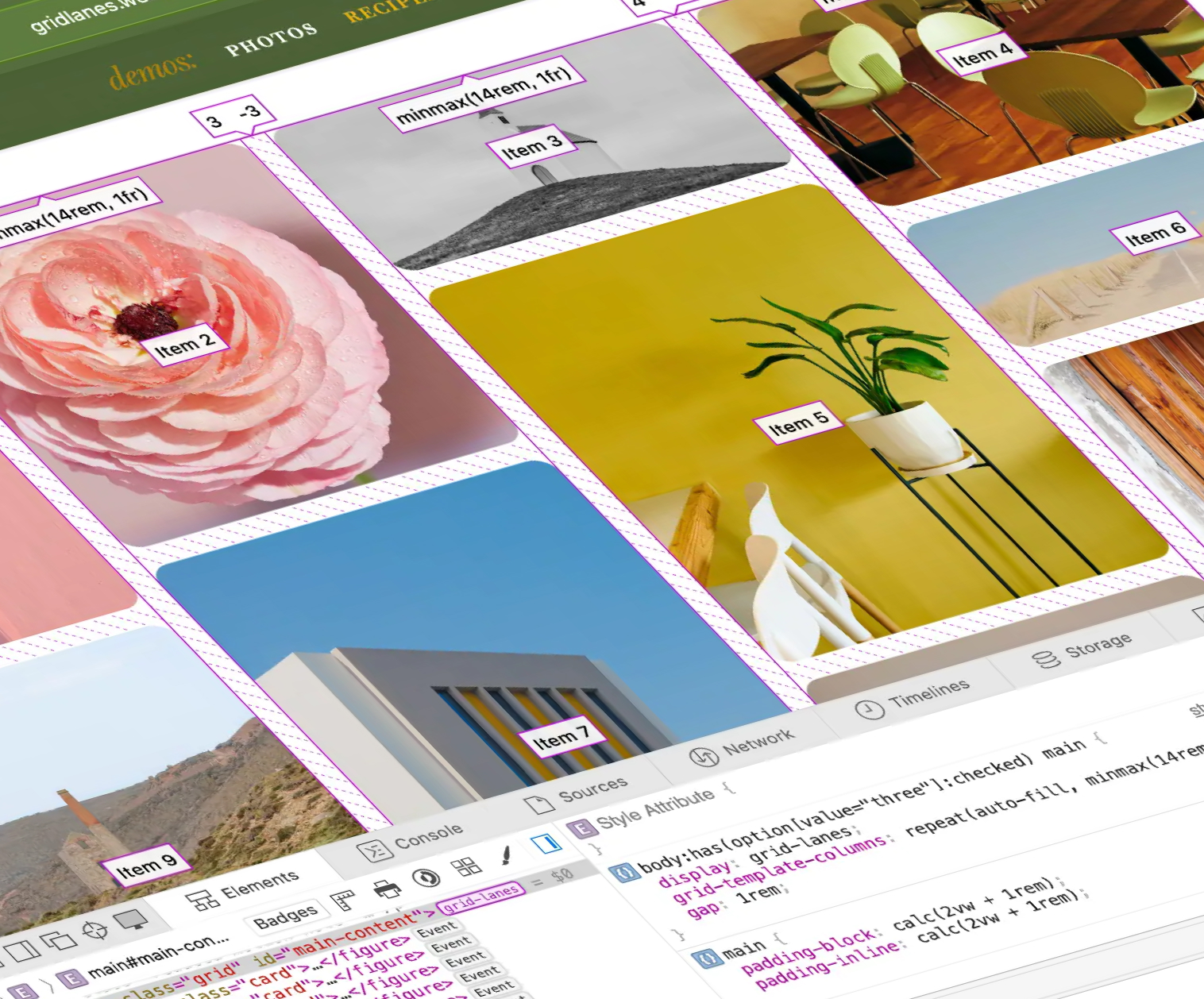
The launch of the "Field Guide to Grid Lanes" by WebKit is a significant milestone. Initially discussed under the umbrella of "CSS Masonry," the new guide provides a structured, academic approach to understanding grid lanes. By providing real-world examples—such as newspapers, timelines, and pinboards—WebKit is signaling that the industry is ready to move beyond simple rows and columns. This guide is expected to become the authoritative source for developers looking to implement non-linear, grid-based designs.
CSS Day 2026: The "DOOM" Factor
CSS Day 2026 was, by all accounts, a success. Held in the heart of Amsterdam, the event focused on the future of styling. While the event organizers confirmed there were no flamethrowers this year, the spirit of "experimental CSS" was alive and well. Attendees noted that the discussions regarding the intersection of performance and creativity were central to the talks. The lack of a live stream was a point of contention for some, but the promise of high-quality session recordings in late June has tempered those frustrations. The community can continue to follow the conversation via the #CSSDay tag on Bluesky.
Implications: The Road Ahead for Developers
The implications of these changes are profound. We are moving toward a web where the "hacky" workarounds of the early 2020s are being replaced by native, performant, and highly readable CSS.
Toward a "Function-First" Mindset
The shift toward @function and the refinement of color utilities suggest that developers will soon spend less time debugging CSS and more time architecting design systems. The cognitive load required to maintain large stylesheets will decrease as reusable logic becomes a standard practice rather than an edge-case technique.

The Gamification of Learning
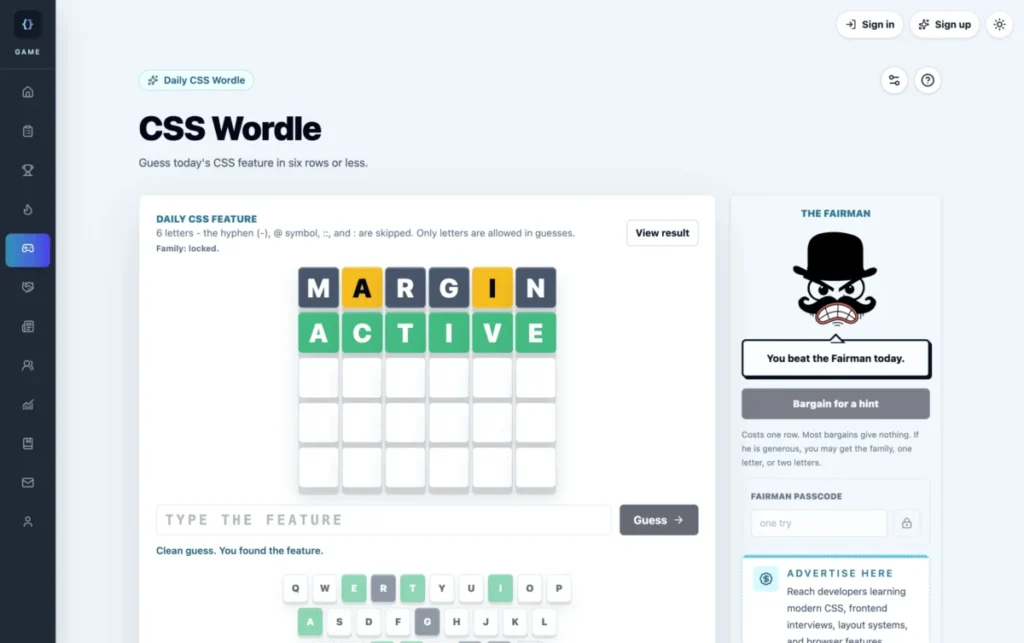
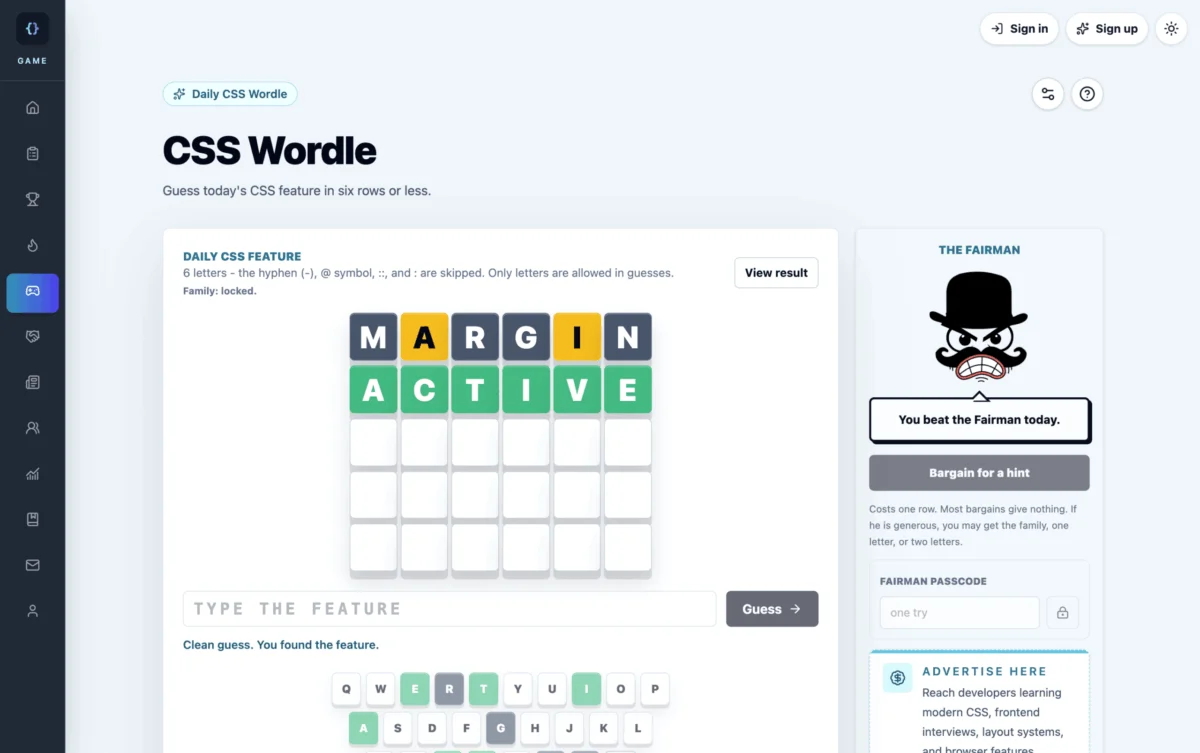
Finally, the popularity of tools like Sunkanmi Fafowora’s CSS Wordle highlights a growing trend: the gamification of technical education. As CSS becomes more complex, the community is finding innovative ways to ensure that knowledge is shared in an accessible and engaging manner. Whether it is through an interactive word puzzle or a deep-dive technical article, the culture of front-end development is proving to be as collaborative as it is competitive.
Final Thoughts
As we look toward the second half of 2026, the message is clear: keep your bookmarks updated and your curiosity peaked. The "Field Guide to Grid Lanes" is essential reading, and the upcoming recordings from CSS Day will undoubtedly contain the foundational knowledge required for the next generation of web interfaces. The tools are ready—all that remains is for the community to implement them in the wild.
Stay tuned to What’s !important for further updates on the evolving web platform.