The Resilience Revolution: How Digital Transformation is Rewriting the Rules of Global Supply Chains
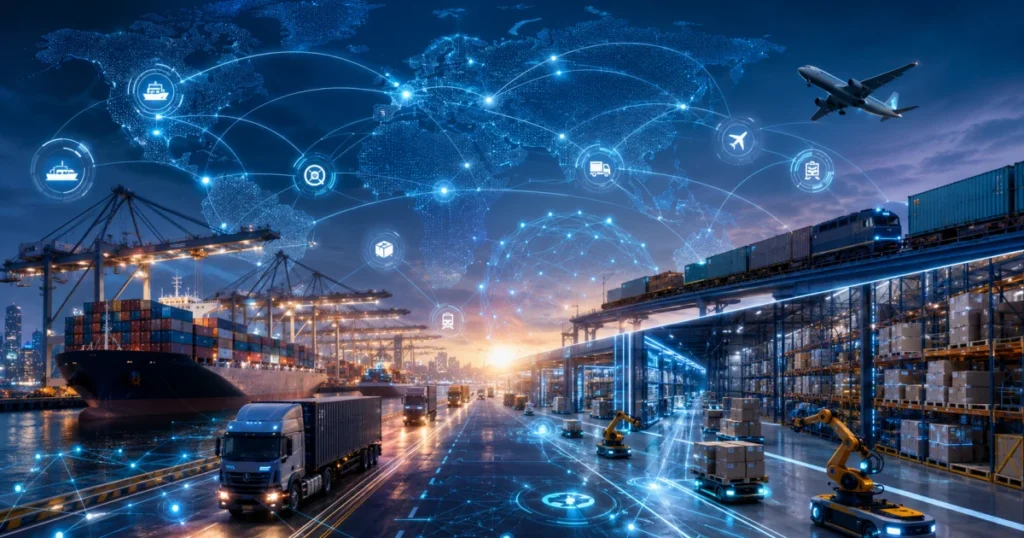
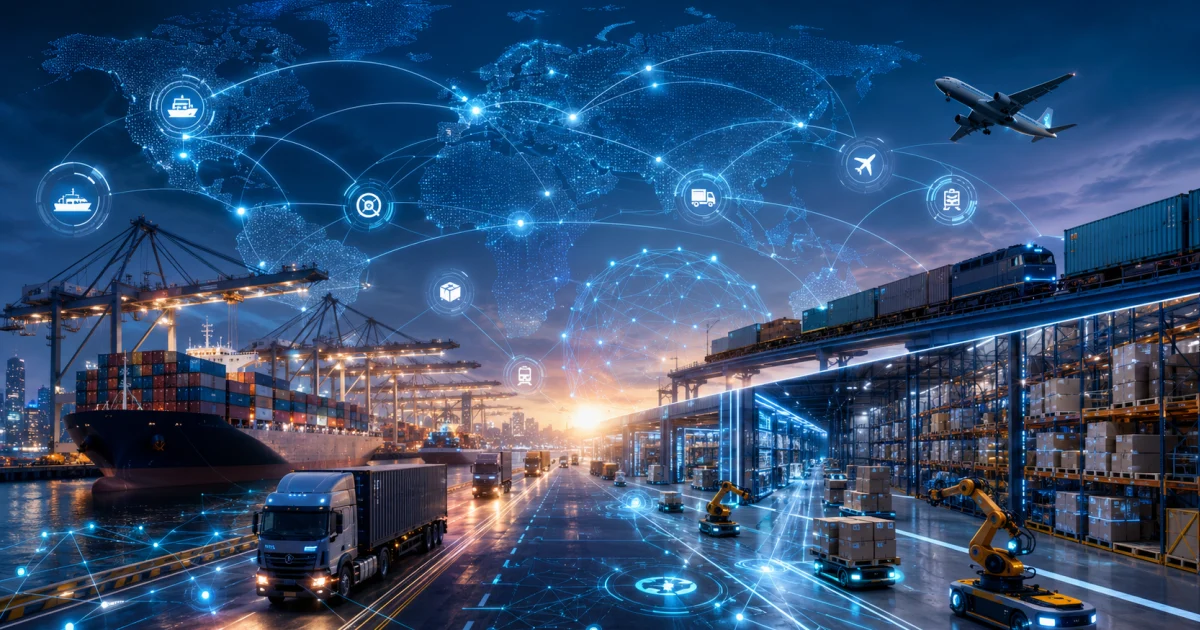
For over three decades, the global supply chain was dictated by a singular, rigid philosophy: efficiency at all costs. The "Lean" revolution, characterized by just-in-time delivery, ultra-lean inventories, and single-source procurement strategies, turned the world into a hyper-efficient marketplace. It was a model that thrived in stability, prioritizing price and speed above all else.
However, the dawn of the 2020s brought an abrupt end to the era of predictable stability. A global pandemic, the Suez Canal blockage, the semiconductor shortage, and a cascade of geopolitical and environmental disruptions shattered the illusion of the "frictionless" supply chain. These crises exposed a critical vulnerability: efficiency without visibility is fragility. Today, as industry leaders look to the future, the race to digitize the supply chain is no longer about trimming pennies—it is a race to replace blind optimization with intelligent, robust resilience.
The Core Mandate: From Blind Optimization to End-to-End Visibility
The foundational challenge of modern logistics is simple to state but gargantuan to execute: achieving end-to-end (E2E) visibility. While most modern enterprises maintain a clear view of their internal operations and direct (Tier 1) suppliers, the "visibility horizon" drops off rapidly thereafter.
Tier 2 and Tier 3 suppliers—the specialized chemical plants, niche component manufacturers, and logistics hubs hidden deep within the supply network—often harbor the most significant risks. When these nodes fail, the impact ripples upward, often catching major corporations completely off guard.
The Technological Arsenal
To pierce this veil of opacity, organizations are turning to a sophisticated suite of digital tools:
- Network-Based Data Sharing: Cloud-native platforms that allow manufacturers, logistics providers, and suppliers to share data in real time.
- IoT-Driven Logistics: GPS, temperature, humidity, and shock sensors turn static shipments into intelligent assets, providing granular data on transit conditions.
- AI-Driven Risk Monitoring: Predictive algorithms that scan global news, weather patterns, and macroeconomic data to flag potential bottlenecks before they manifest as operational crises.
Chronology of a Shift: How We Reached the Digital Tipping Point
- 1990s–2000s (The Era of Lean): The dominance of Just-in-Time (JIT) manufacturing. Focus was almost exclusively on cost reduction and inventory minimization.
- 2010s (The Rise of Complexity): Supply chains became globalized and increasingly complex, yet visibility tools remained tethered to legacy ERP systems and manual spreadsheets.
- 2020–2022 (The Great Disruption): COVID-19, geopolitical instability, and logistics bottlenecks (e.g., the Ever Given incident) exposed the fragility of global networks.
- 2023–2025 (The Digital Pivot): Massive investment flows toward AI-driven demand sensing, predictive analytics, and real-time inventory management.
- 2026 and Beyond (The Resilience Age): The current focus has shifted toward integrating sustainability (Scope 3 emissions) and autonomous, self-correcting supply chain architectures.
Supporting Data: Why Digital Adoption is Non-Negotiable
The business case for digital transformation is no longer speculative. Industry benchmarks indicate that companies employing "Control Tower" architectures and AI-driven forecasting report:
- Inventory Reduction: A 15–25% reduction in carrying costs by moving from "just-in-case" hoarding to data-backed lean inventory.
- Stockout Mitigation: Significant improvements in service levels, with AI-driven demand sensing reducing stockouts by as much as 30%.
- Lead Time Reliability: Digital tracking and real-time monitoring allow for a 20% improvement in on-time-in-full (OTIF) delivery metrics.
Furthermore, the "gap" between system-reported inventory and actual physical stock—a multi-billion-dollar problem for retail and manufacturing—is being effectively closed by the integration of RFID and computer vision.
Official Perspectives: Redefining Leadership and Risk
The shift toward digital supply chains is as much a cultural transformation as a technological one. Industry experts and supply chain officers emphasize that the human element is the most frequently underestimated variable.
The Cultural Shift
"Supply chain professionals are being asked to pivot from a career of ‘firefighting’ and reactive expediting to one defined by analytics and scenario planning," says Erik Linask, a prominent observer of the IoT evolution. "This requires a shift in mindset: instead of reacting to what just happened, leaders must learn to work with probabilistic forecasts and simulated scenarios."
Risk Intelligence as a Strategic Asset
Traditionally, risk management was a static exercise involving annual audits and PDF "risk registers." Today, it has evolved into a dynamic operational capability. Digital risk platforms provide:
- Financial Health Monitoring: Tracking the solvency of critical sub-tier suppliers.
- Geopolitical Stress Mapping: Correlating regional unrest with specific logistics routes.
- Proactive Mitigation: If a port experiences congestion, the digital platform models the downstream impact and presents alternative routing options before the shipment is delayed.
Implications: The New Competitive Landscape
The Rise of the Supply Chain Control Tower
The control tower is the architectural heart of the modern supply chain. It acts as an integrated orchestration layer that aggregates data from production, logistics, and demand channels. By utilizing AI to detect exceptions and simulate scenarios, these towers transform the supply chain from a disconnected series of spreadsheets into a cohesive, responsive system. Decisions that previously took days—requiring endless meetings and cross-departmental emails—now occur in minutes.
Sustainability as a Data Mandate
The push for digitization is inextricably linked to the push for sustainability. Scope 3 emissions—the carbon footprint embedded in the supply chain—now represent the majority of many firms’ climate impacts.
- Digital Product Passports: These digital records, which track materials and carbon intensity from origin to disposal, are transitioning from voluntary pilot projects to regulatory requirements.
- Efficiency as Green Strategy: By optimizing routes and reducing waste through better demand sensing, firms are finding that the most efficient supply chain is also the most environmentally sustainable.
The Myth of the Trade-off
For years, executives believed they had to choose between efficiency and resilience. Digital tools are proving this to be a false dichotomy. By gaining a "shared, accurate, real-time picture of reality," companies can operate with less inventory while simultaneously increasing their reliability. They can diversify their supplier base without losing cost competitiveness, as data-driven sourcing eliminates the guesswork that previously favored single-source, low-cost (but high-risk) suppliers.
Conclusion: The End of Flying Blind
The era of operating in the dark is effectively over. The modern supply chain has emerged as a top-line growth driver, moving out of the shadows of the "cost center" and into the spotlight of the boardroom.
Organizations that invest in digital maturity today are doing more than just mitigating the risk of the next "black swan" event; they are building a durable, systemic competitive advantage. In an era defined by volatility, the ability to see further, move faster, and adapt more intelligently is the ultimate separator between market leaders and those destined to be disrupted. The digital supply chain is no longer a luxury for the future—it is the prerequisite for survival in the present.