Bridging the Gap: Bringing Reinforcement Learning to Cross-Platform Mobile Gaming with Flutter and TensorFlow Lite
In the rapidly evolving landscape of mobile development, the integration of Artificial Intelligence (AI) and Machine Learning (ML) has transitioned from a high-end experimental luxury to an essential feature set. For years, the barrier to entry for deploying complex models—such as Reinforcement Learning (RL) agents—on mobile devices was significant, often requiring platform-specific expertise in Kotlin or Swift. However, a recent technological shift, spearheaded by the official release of the TensorFlow Lite Plugin for Flutter, has fundamentally changed the calculus for mobile developers.
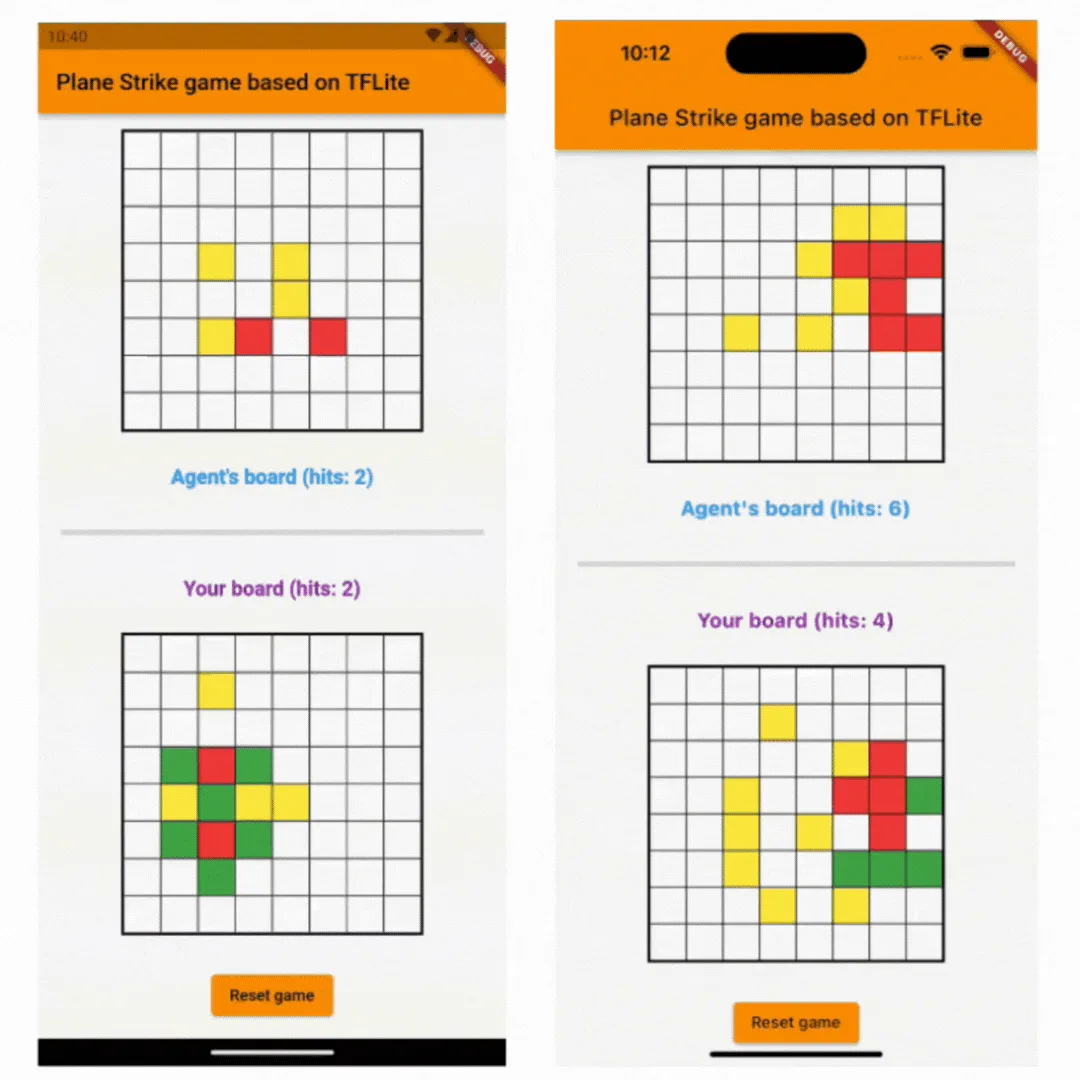
By enabling developers to run pre-trained machine learning models across both Android and iOS through a single codebase, the industry is witnessing the democratization of high-performance mobile AI. This article explores the final installment of a technical series by Google’s Developer Advocate Wei Wei, detailing how to port an intelligent "Plane Strike" board game agent from native Android to a cross-platform Flutter environment.
The Evolution of Mobile Intelligence: A Chronology
The journey toward seamless cross-platform AI integration has been iterative, built upon several years of experimentation and community feedback.
The Foundation: Native Android Deployment
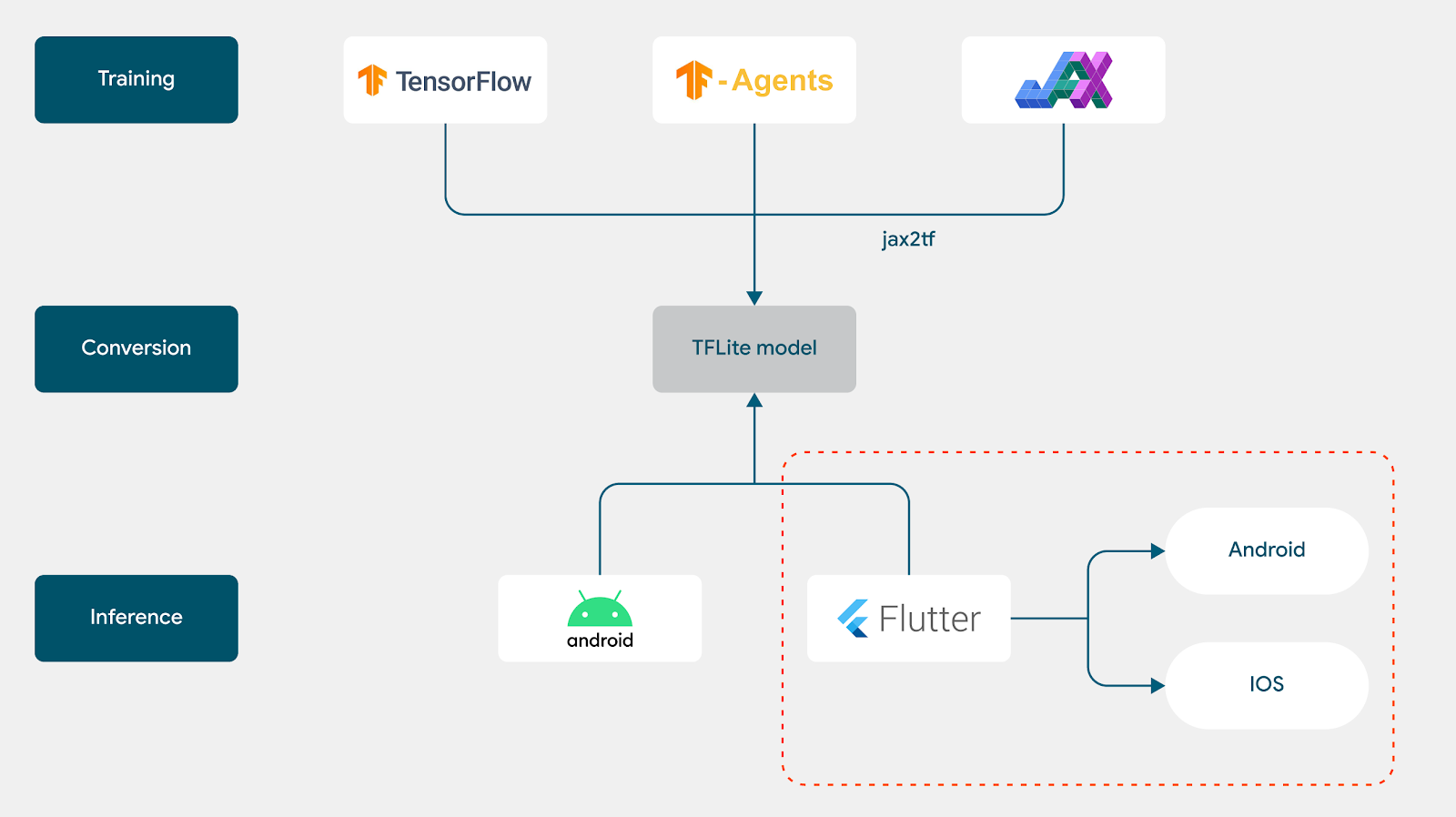
The process began with the conceptualization of "Plane Strike," a simplified board game designed to test the efficacy of Reinforcement Learning in a resource-constrained mobile environment. Initial efforts, documented in late 2021, focused exclusively on the Android ecosystem. Developers utilized TensorFlow and TensorFlow Agents to train an RL agent capable of learning optimal strategies for the game. Once trained, the model was converted into the TensorFlow Lite (.tflite) format, a lightweight runtime designed specifically for mobile and edge devices.
Expanding the Horizon: JAX and Advanced Training
By September 2022, the initiative grew more sophisticated. The development team expanded the training methodology to include JAX, a high-performance library for numerical computing and machine learning. This allowed for more efficient model training, which was subsequently deployed onto Android devices. While these tutorials were lauded for their technical depth, they highlighted a clear pain point: the developer community’s desire for cross-platform capabilities.
The Flutter Turning Point
Recognizing that many developers now prioritize Flutter for its "write once, run anywhere" philosophy, the TensorFlow team shifted its focus toward interoperability. The release of the official TensorFlow Lite Plugin for Flutter served as the catalyst for this final migration, effectively bridging the gap between sophisticated RL training environments and the multi-platform demands of modern mobile applications.

Technical Implementation: Integrating TFLite into Flutter
The transition from a native Android environment to Flutter is remarkably streamlined thanks to the abstraction provided by the new plugin. The implementation can be broken down into two primary phases: model loading and inference execution.
Loading the Intelligence
In a Flutter-based application, the model—previously trained in Python-based environments—is treated as an asset within the project. The loading process utilizes the Interpreter class from the TFLite plugin.
void _loadModel() async
  // Create the interpreter from the asset folder
  _interpreter = await Interpreter.fromAsset(_modelFile);
This simple asynchronous function ensures that the model is ready to interpret user input before the game loop begins, minimizing latency during the user experience.
Executing Inference
The core of the "Plane Strike" agent’s intelligence lies in its ability to evaluate a board state and predict the most favorable move. The inference function accepts the current state of the game board as a two-dimensional list of floating-point numbers.
The process involves:
- Input Preparation: The board state is reshaped into a format compatible with the model’s input layer.
- Inference Run: The
_interpreter.runmethod processes the board state through the neural network. - Output Analysis: The model returns an array of probabilities, representing the potential success rate of every available coordinate on the grid.
- Argmax Selection: A standard search algorithm is applied to the output array to identify the index with the highest probability, which the agent then selects as its "strike" location.
This implementation demonstrates that the complexity of the underlying ML math remains hidden, allowing UI developers to focus on the game’s visual and interactive elements.

Implications for the Mobile Developer Ecosystem
The ability to deploy Reinforcement Learning agents via Flutter carries significant implications for the future of mobile applications.
Efficiency and Performance
Historically, running AI models on mobile devices required substantial overhead. By leveraging TensorFlow Lite, developers can tap into the hardware acceleration capabilities of modern smartphones (such as NPUs and GPUs). This ensures that the user experience remains smooth, with the game agent making complex strategic decisions in milliseconds, all while maintaining battery efficiency.
Bridging the Knowledge Gap
The most profound implication is the reduction of the "silo effect." A developer no longer needs to be a master of Kotlin, Swift, and Python simultaneously to deploy AI-driven features. A developer fluent in Flutter and familiar with the basics of model inference can now integrate advanced AI features into their apps, significantly lowering the barrier to entry for innovation.
The "Write Once, Deploy Everywhere" Paradigm
The shift toward cross-platform AI allows developers to reach a wider audience. A single codebase can now serve both the vast Android ecosystem and the premium iOS market. This not only optimizes development time and costs but also ensures consistent behavior and features across all user devices.
Official Perspective and Community Engagement
Google’s Developer Advocate Wei Wei emphasizes that this tutorial is intended to act as a launchpad for developers. By providing the open-source code on GitHub, the team encourages developers to treat the "Plane Strike" example as a template rather than a final product.
The official stance from the TensorFlow team is clear: the tooling is now ready for production-level exploration. They have invited the community to push the boundaries of this plugin by experimenting with:
- Custom Environments: Replacing the "Plane Strike" game with more complex, real-world decision-making scenarios.
- On-Device Learning: Exploring how the Flutter interface can be used to capture user data to refine models locally.
- Hardware Acceleration: Testing the plugin’s performance across various mobile chipsets to identify optimization paths for specific hardware.
The project concludes by encouraging collaboration. By sharing their projects with tags like @googledevs and @TensorFlow, developers contribute to a growing repository of real-world use cases, which in turn informs future updates to the TFLite Flutter plugin.
Conclusion: The Future of AI-Infused Mobile Gaming
The integration of Reinforcement Learning into mobile apps via Flutter marks a significant maturation of the mobile development lifecycle. As AI models become more compact and mobile hardware becomes more capable, we can expect to see a surge in "intelligent" applications that adapt to user behavior in real-time.
Whether it is a board game agent making smart moves or a productivity app predicting the user’s next task, the combination of TensorFlow Lite and Flutter provides a robust, scalable, and accessible framework. For developers, the message is clear: the future of AI-powered mobile development is no longer locked behind platform-specific walls. It is open, cross-platform, and ready for those who are prepared to build.
As we move forward, the success of this initiative will be measured not just by the technical capabilities of the plugin, but by the creativity of the developers who utilize these tools to redefine what is possible in the palms of our hands. The "Plane Strike" app is merely the beginning of a broader movement toward making advanced intelligence a standard, rather than a luxury, in every mobile application.