Strengthening Digital Guardrails: Meta Extends Parental Supervision Tools to Threads
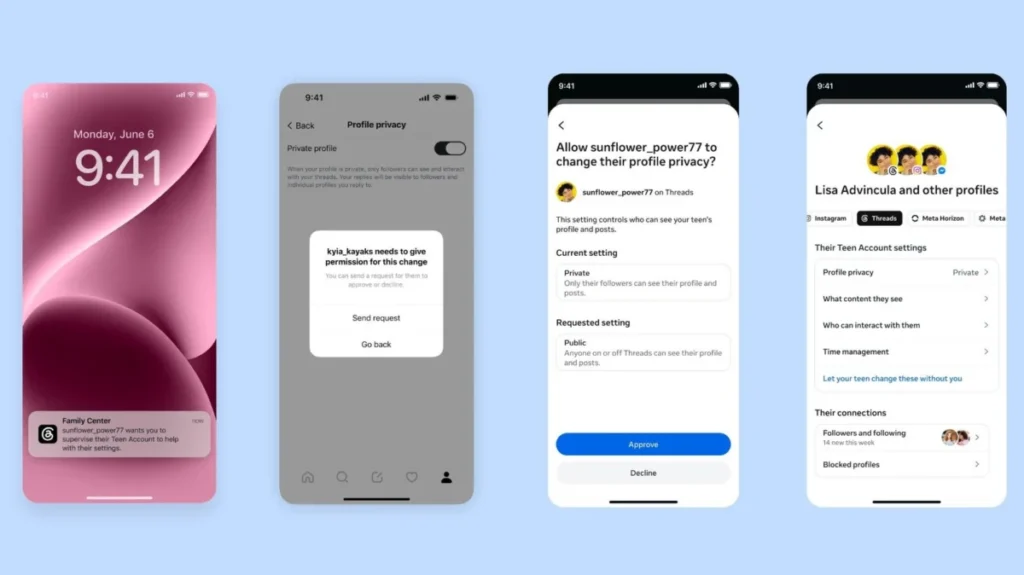
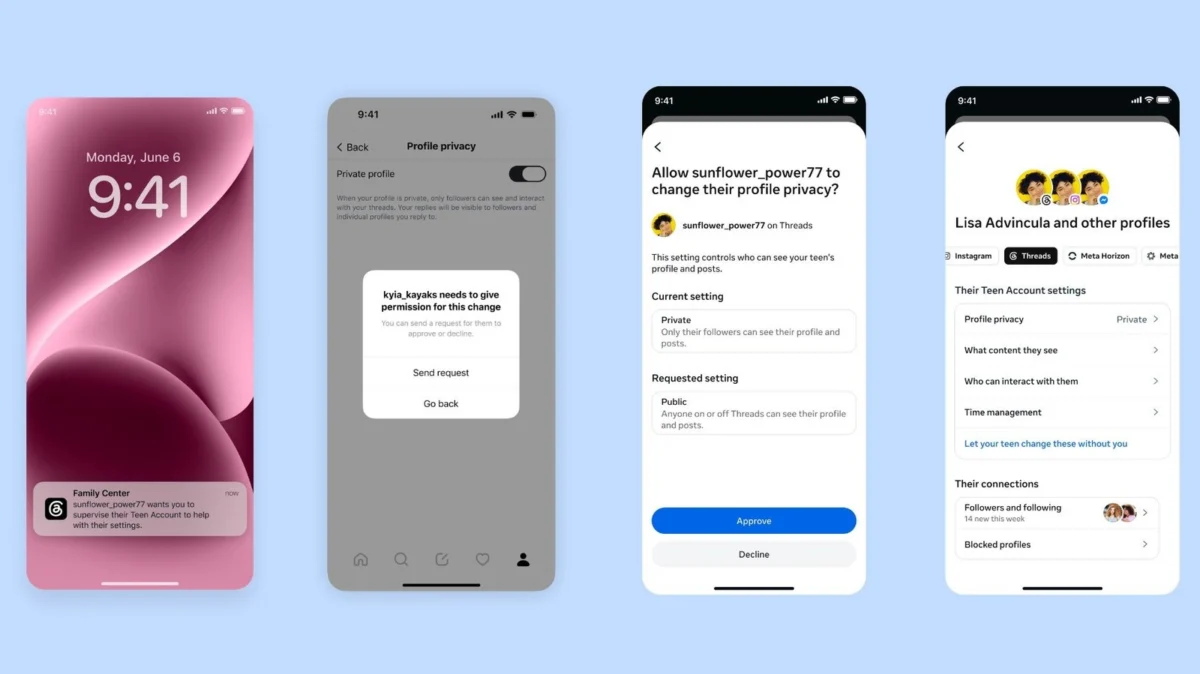
In an era where the digital landscape serves as both a playground and a classroom for the next generation, the responsibility of tech conglomerates to provide a secure environment has never been more scrutinized. Meta, the parent company of Facebook, Instagram, and WhatsApp, has announced a significant expansion of its safety architecture. Beginning next week, the company will introduce a comprehensive suite of "Parental Supervision" tools to Threads, its text-based social media platform, allowing guardians to exert greater oversight over their teenagers’ digital interactions.
This rollout marks a pivotal shift in how Meta manages its newer platforms, signaling a move toward integrating the robust safety protocols found on Instagram and Facebook into the rapidly evolving Threads ecosystem.
The Core Functionality: Empowering Guardians
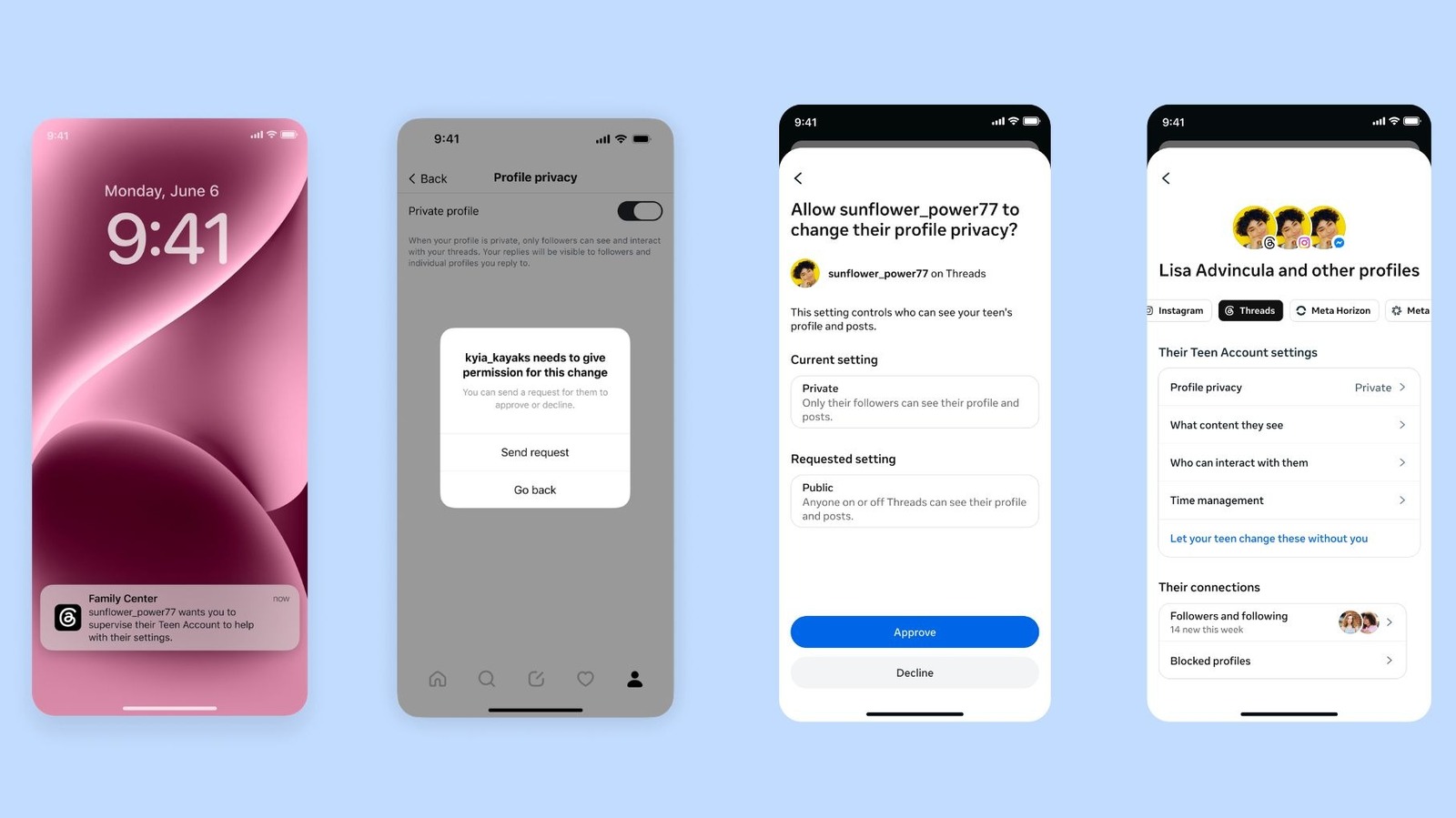
The upcoming Parental Supervision tools are designed to move beyond mere monitoring, offering a functional dashboard that allows for active engagement in a teenager’s digital habits. By accessing the Meta Family Center, parents and guardians will be able to synchronize their accounts with their teen’s profile to access a variety of management options.
Key features of the new update include:
- Time Management Controls: Guardians will gain visibility into exactly how much time their teens are spending on Threads. More importantly, they will be able to set daily time limits, automatically triggering a lockout once the threshold is reached.
- Sleep Mode Integration: Recognizing the impact of late-night scrolling on adolescent development, the new tools allow parents to schedule "sleep mode" hours, effectively silencing notifications and restricting access during late-night windows.
- Content and Privacy Filters: Perhaps the most sensitive area of social media usage involves the type of content consumed. The new suite allows guardians to place restrictions on tags and content visibility, ensuring that the teen’s feed remains within boundaries set by the family.
- Engagement Oversight: Parents will receive insights into the settings their teen has enabled, fostering an environment where conversations about digital privacy can occur between the guardian and the ward.
These features are intended to operate in tandem with the existing automatic protections already baked into teen accounts on Threads—such as private-by-default profiles for users under 16 and restricted interactions with unknown adults.
A Chronology of Meta’s Safety Evolution
Meta’s journey toward robust parental control has been neither linear nor uncontroversial. It is a response to years of pressure from legislators, child advocacy groups, and internal data leaks that suggested social media could have detrimental effects on teenage mental health.
The Early Days: The "Instagram Kids" Saga
The narrative began in earnest around 2021, when leaked internal documents suggested that Meta (then Facebook) was aware of the negative impact Instagram had on the body image of teenage girls. This culminated in a public outcry and the eventual pausing of a proposed "Instagram Kids" project. The controversy forced a strategic pivot: instead of creating a separate, walled-off garden, Meta shifted its focus toward securing the existing platforms where teens already congregate.
The Shift to "Family Center"
In the years following, Meta launched the "Family Center," a centralized hub designed to unify parental controls across all its applications. The introduction of tools for Instagram—such as limiting the exposure to potentially damaging content and AI-moderation prompts—set the stage for the current implementation on Threads.
The AI Integration
Most recently, Meta has been aggressive in incorporating AI safety features. By allowing parents to see the topics of conversations their teens are having with Meta AI, the company is attempting to bridge the gap between human oversight and automated, machine-driven interaction. The rollout to Threads is the latest chapter in this ongoing effort to standardize safety across the entire Meta "family" of apps.
Supporting Data: Why Oversight Matters
The urgency behind these updates is supported by a growing body of research regarding adolescent social media usage. According to data from the Pew Research Center, nearly 95% of teens have access to a smartphone, and a significant majority report being online "almost constantly."
While these platforms provide essential social connection, the risks—ranging from cyberbullying and exposure to extremist content to sleep deprivation—are well-documented. Meta’s own internal studies have historically indicated that "passive scrolling"—the act of consuming content without interacting—is often linked to higher rates of social comparison and anxiety.
By giving parents the ability to limit time and curate content, Meta is not only responding to external pressure but is also acting on its own internal research suggesting that active, rather than passive, digital experiences are healthier for developing brains.
Official Responses and Corporate Strategy
The official stance from Meta, as articulated in their recent communications, emphasizes a "partnership" model. "We want to build an environment where teens can explore their interests while ensuring that their parents have the tools they need to guide them," a Meta spokesperson stated.
However, the response from the broader tech community and policy experts has been mixed. While privacy advocates applaud the transparency, some express concern that these tools place an undue burden on parents. "Meta is essentially offloading the job of content moderation and safety enforcement onto the shoulders of busy, sometimes technologically overwhelmed parents," says Dr. Elena Vance, a digital ethics researcher. "While the tools are helpful, they are not a substitute for systemic changes to the algorithms themselves."
Furthermore, Meta is positioning these moves as a proactive hedge against impending regulation. With the Kids Online Safety Act (KOSA) and various state-level digital privacy bills gaining traction in the United States, Meta is eager to demonstrate that it can regulate itself effectively, potentially softening the blow of future government-mandated restrictions.
Implications for the Future of Social Media
The rollout of these features on Threads signifies that Meta is treating the platform as a mature pillar of its business model. Threads, which was launched as a direct competitor to X (formerly Twitter), is now being held to the same rigorous compliance standards as the rest of the Meta portfolio.
1. The Normalization of Parental Controls
Expect this to become the industry standard. As Meta implements these tools, competitors like TikTok and Snapchat will likely face increased pressure to mirror these capabilities. We are entering an era where "Parental Supervision" is no longer an optional "extra" but a core requirement for any social platform aiming to retain a mainstream user base.
2. A Shift in the "Algorithm-First" Model
For years, social media algorithms were optimized strictly for "time spent" on the app. By allowing parents to set hard time limits and sleep modes, Meta is making a concession that suggests they are willing to sacrifice some engagement metrics in exchange for long-term brand trust and regulatory compliance.
3. The Digital Literacy Gap
Ultimately, these tools highlight a massive gap in digital literacy. Providing a dashboard is only useful if parents understand how to use it and why they should. Meta’s future success will depend on whether they can provide the educational resources necessary to ensure that these tools are utilized effectively, rather than just acting as a "set it and forget it" feature.
Conclusion
As Threads integrates these new parental controls, it marks a significant step forward in the digital protection of minors. While the tools provide a necessary layer of security, they also serve as a reminder of the complex relationship between technology companies, parental responsibility, and the autonomy of the youth.
As we move into next week’s rollout, the success of these features will not be measured by the number of parents who sign up, but by the tangible impact on the well-being of the teenagers who use the platform. Meta has provided the keys to the kingdom; now, it remains to be seen how effectively those keys will be used to build a safer, more sustainable digital future.