The Sovereign Smart Home: Reclaiming Privacy in the Age of Constant Connectivity
In the 1960s, the animated sitcom The Jetsons painted a vivid picture of a future defined by effortless automation. From robotic maids to walls that adjusted their temperature based on a whim, the vision was one of total convenience. Fast forward to the mid-2020s, and while the flying cars remain a dream, the "Smart Home" has become an ubiquitous reality. However, this dream has arrived with a significant, often invisible, cost: the erosion of personal privacy and the commodification of domestic data.
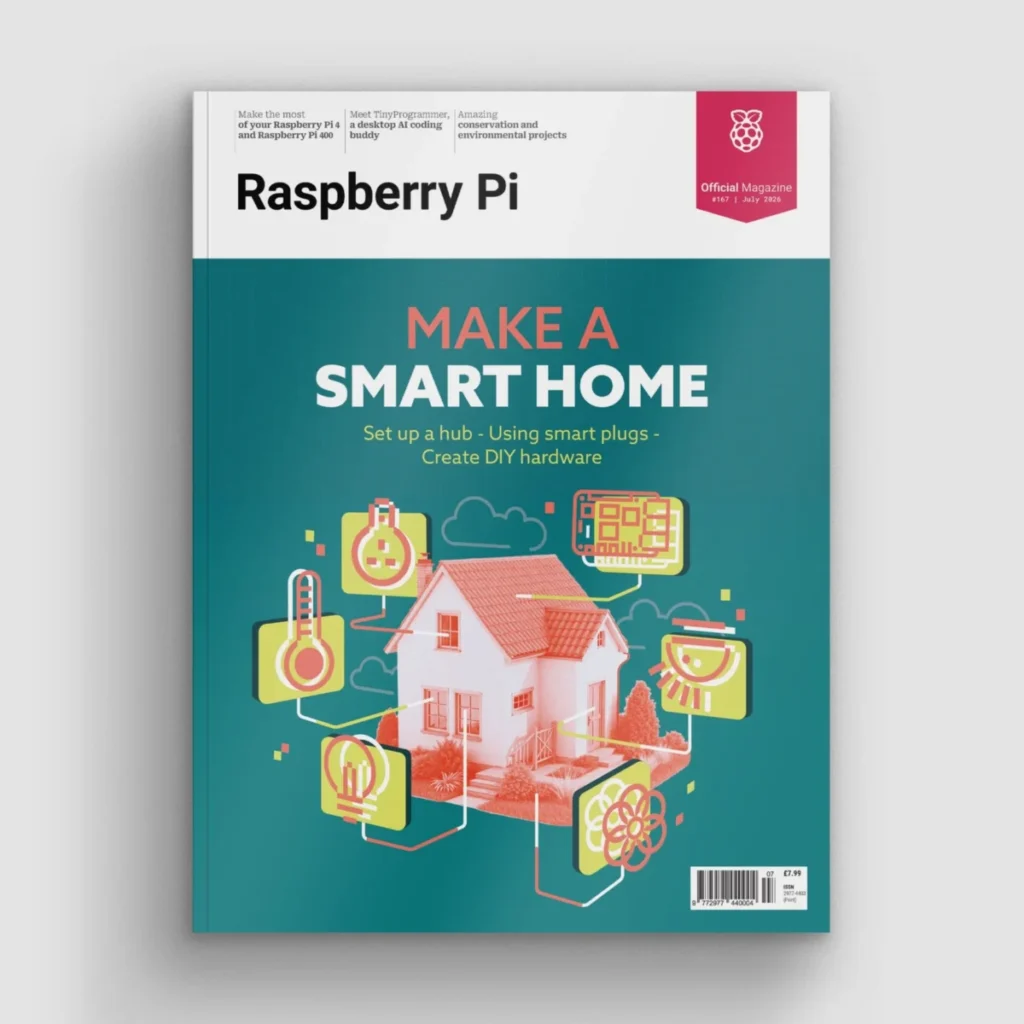
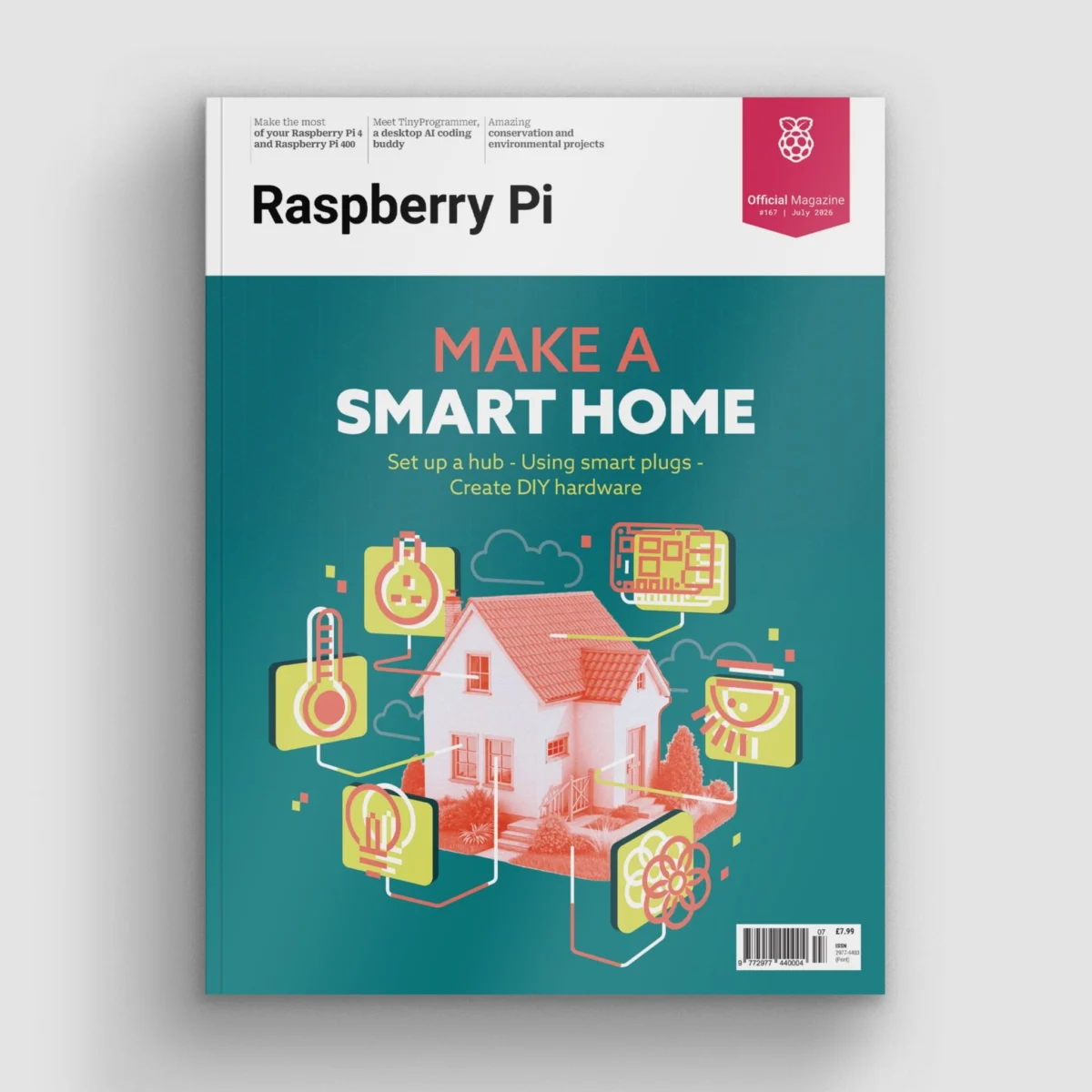
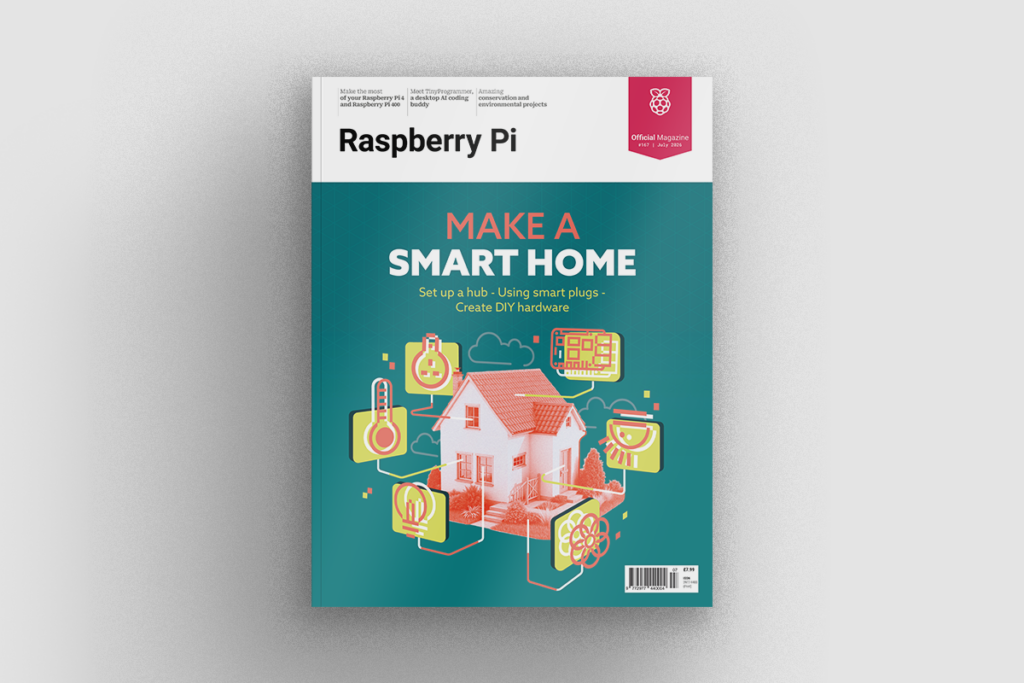
The Raspberry Pi Foundation, through the release of the 167th issue of the Raspberry Pi Official Magazine, has issued a clarion call for a "privacy-first" revolution. By leveraging low-cost, high-efficiency single-board computers, tech-savvy homeowners are beginning to dismantle the "floaty clouds" of Silicon Valley and replace them with local, sovereign digital infrastructure.
Main Facts: The Decentralization of the Modern Home
The core premise of the latest Raspberry Pi initiative is the transition from "Cloud-Dependent" to "Local-First" automation. For years, the smart home market has been dominated by a handful of tech behemoths and thousands of smaller manufacturers, many of whom require devices to be permanently connected to their proprietary servers to function.
In Issue 167 of the Raspberry Pi Official Magazine, technical experts, including Ben Everard, demonstrate that the hardware required to break this cycle of dependency is already in the hands of millions. The primary tool in this endeavor is Home Assistant, an open-source platform that acts as a central nervous system for the home. Unlike commercial hubs from Amazon or Google, Home Assistant runs locally on a Raspberry Pi, ensuring that data—from when you wake up to how often you open your refrigerator—never leaves your four walls.
Key takeaways from the latest industry developments include:
- Hardware Accessibility: While the Raspberry Pi 5 represents the cutting edge of performance, the older Raspberry Pi 4 is more than sufficient for managing complex home automation networks.
- Privacy-Centric Software: Tools like Pi-hole are seeing a resurgence in popularity, allowing users to block advertisements and tracking scripts at the network level before they ever reach a smartphone or computer.
- Data Sovereignty: The movement seeks to eliminate "telemetry," the practice where smart devices "phone home" to manufacturers with usage statistics, DNS queries, and behavioral data.
Chronology: From Sci-Fi Dreams to Data Dilemmas
The evolution of the smart home can be traced through three distinct eras, leading to the current push for local control.
1. The Era of Imagination (1962–1990s)
Beginning with The Jetsons in 1962, the concept of the "Automatic House" was purely speculative. Technology of the time focused on mechanical automation. By the 1980s, early protocols like X10 allowed for basic lamp dimming and appliance control via power lines, but these systems were expensive, unreliable, and lacked any form of "intelligence."
2. The Cloud Explosion (2010–2020)
The introduction of the smartphone and high-speed home Wi-Fi catalyzed the modern IoT (Internet of Things) boom. Companies realized that by moving the "brain" of the device to the cloud, they could manufacture cheaper hardware. This era saw the rise of voice assistants and smart thermostats. However, it also introduced the "terms and conditions" trap, where consumers traded their domestic privacy for the convenience of remote control.
3. The Local-First Resistance (2021–Present)
As high-profile data breaches and "planned obsolescence" (where devices stop working because a company shuts down its servers) became more common, a community-driven movement emerged. The release of the Raspberry Pi 4 and 5 provided the affordable horsepower needed to host complex AI and automation logic locally. The publication of Issue 167 of the Official Magazine marks a pivotal moment where these "tinfoil hat" concerns have moved into the mainstream of digital health and home management.
Supporting Data: The Scale of the "Chatter"
The urgency of this shift is underscored by staggering statistics regarding device density in modern households. According to a 2023 report by the UK House of Commons Committee, approximately 77% of UK adults now own at least one smart home device. Perhaps more surprising is the average density: there are now nine such devices in every UK home.
Each of these nine devices—whether a lightbulb, a smart plug, or a connected speaker—represents a potential data leak. Technical analysis of these devices reveals a constant stream of "chatter":
- Telemetry: Manufacturers receive pings every few seconds regarding device status.
- DNS Queries: Devices often bypass local settings to send requests through third-party infrastructure.
- Analytics Servers: Usage patterns are harvested to build consumer profiles, often sold to third-party advertisers.
The Raspberry Pi community’s internal data mirrors this growing public concern. By analyzing search queries and chatbot interactions with their extensive archive of tutorials, the Foundation discovered that Pi-hole—a software that acts as a "black hole" for internet trackers—remains one of their most sought-after projects. This indicates a massive grassroots appetite for tools that provide digital self-defense.
Official Responses and Expert Perspectives
The Raspberry Pi Foundation’s stance is one of empowerment through education. By teaching users to "make their own sandwiches," they advocate for a deeper understanding of the digital food chain.
Ben Everard, a leading voice in the Raspberry Pi community, emphasizes that local control is not merely about paranoia; it is about reliability and "digital health." In his latest feature, Everard argues that keeping data away from "floaty clouds" ensures that a home remains functional even if the internet goes down or a manufacturer goes bankrupt.
The Foundation also draws inspiration from literary and philosophical perspectives on self-reliance. Citing author Jeanette Winterson’s adage, "if you want to keep your own teeth, make your own sandwiches," the editorial team suggests that digital health requires the same level of personal involvement as physical health. If you do not know what is going into your system, you cannot be certain of its long-term viability.
Furthermore, the Foundation has addressed the current hardware market. While the global "AI data center roll-out" has impacted the availability and pricing of high-end silicon, the Foundation’s official position remains that affordable, low-power computers like the Raspberry Pi 4 and the Pico 2 W are the most ethical and sustainable choices for the average consumer.
Implications: The Future of Sovereign Computing
The push for a privacy-first smart home carries profound implications for the future of the consumer electronics industry and the nature of the "home" itself.
1. The End of "Product-as-a-Service"
If the movement for local control continues to grow, manufacturers may be forced to move away from the "subscription" model of hardware. Currently, many devices are sold at a loss, with profits made through data harvesting or monthly fees. A shift toward Raspberry Pi-based local hubs encourages a return to "durable goods"—hardware that you own outright and that functions independently of a corporate server.
2. Environmental Sustainability
The magazine highlights a critical environmental point: you don’t need a 16GB Raspberry Pi 5 to run a light switch. By optimizing software like Home Assistant and Pi-hole to run on older Raspberry Pi 4 or 400 models, the community is extending the lifecycle of electronics. This reduces e-waste and lowers the energy footprint of the smart home by eliminating the need for constant communication with massive, power-hungry data centers.
3. Democratizing Artificial Intelligence
The latest issue also touches on the role of AI. As Raspberry Pi trains chatbots on its decades of documentation, it is making high-level technical knowledge accessible to non-experts. This "democratization of the manual" means that the average homeowner no longer needs a degree in computer science to set up a secure, private network.
4. Digital Sovereignty as a Human Right
Ultimately, the transition to a Raspberry Pi-managed home is a political statement. It asserts that the home is a private sanctuary, not a data-mining site. As Issue 167 of the Official Magazine circulates globally—available from the Cambridge store to digital apps on iOS and Android—it provides the blueprint for a future where technology serves the inhabitant, rather than the shareholder.
In conclusion, the "Jetsons" dream is being rewritten. It is no longer a dream of shiny gadgets controlled by distant corporations, but a vision of a "sovereign home"—one that is clever, automated, and, most importantly, silent about its inhabitants’ private lives. With the release of Issue 167, the Raspberry Pi Foundation has ensured that the tools for this digital liberation are more accessible than ever.