The Dawn of Agentic Intelligence: Highlights from the 2026 AWS Summit in New York City
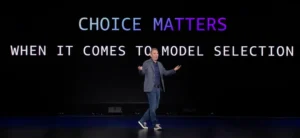
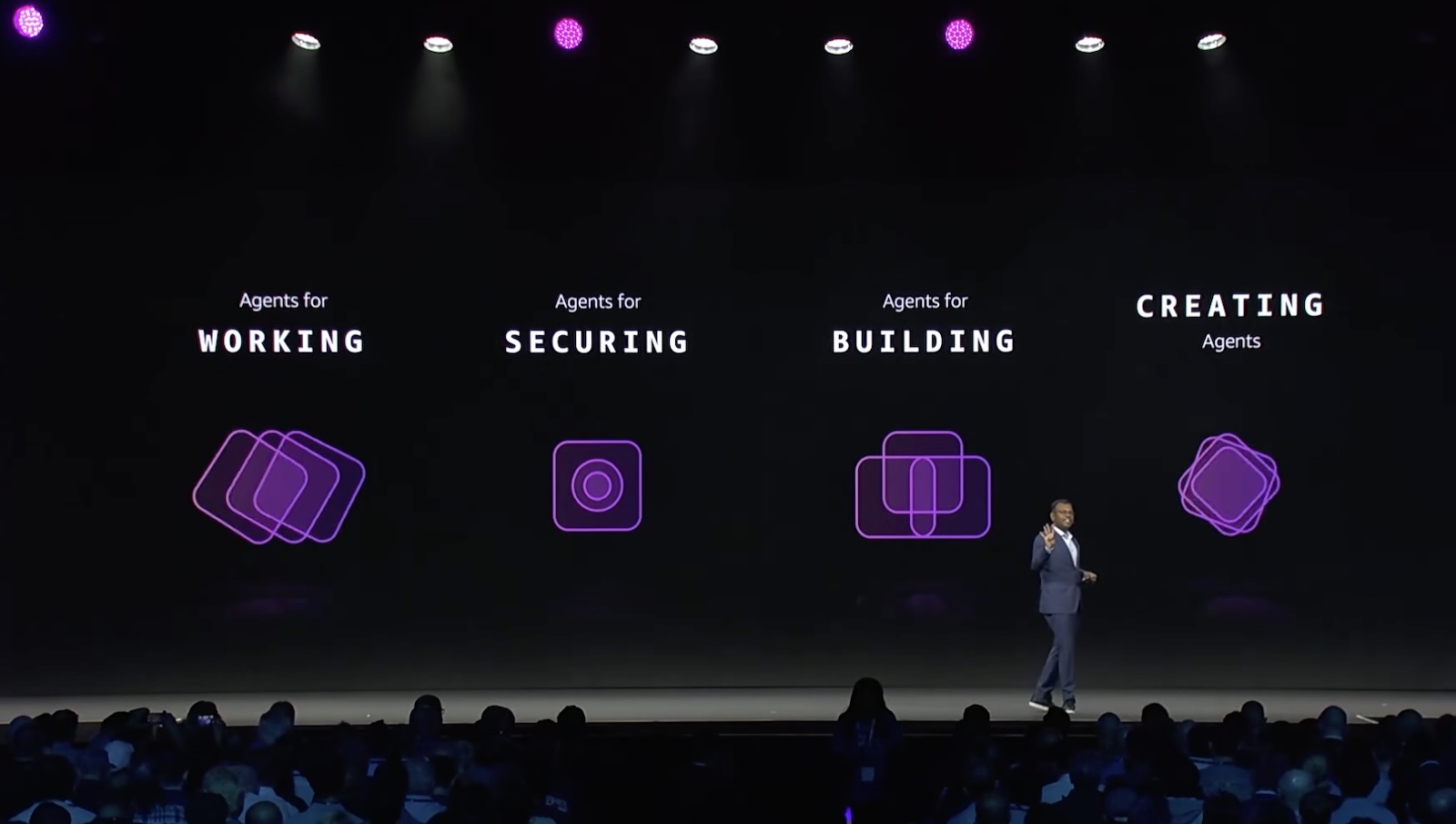
The landscape of generative AI is undergoing a fundamental shift. No longer content with merely generating text or images, the industry is racing toward "Agentic AI"—systems capable of autonomous reasoning, tool usage, and continuous improvement. This transformation was the central theme at the 2026 AWS Summit in New York City, where Swami Sivasubramanian, AWS VP of Agentic AI, took the stage to unveil a suite of updates designed to move artificial intelligence from the realm of the assistant to the realm of the workforce.
Main Facts: The Core Announcements
The keynote at the Jacob K. Javits Convention Center was defined by a pivot toward Amazon Bedrock and the introduction of "Amazon Quick," a new paradigm for autonomous workplace agents.
The primary announcements centered on three pillars:
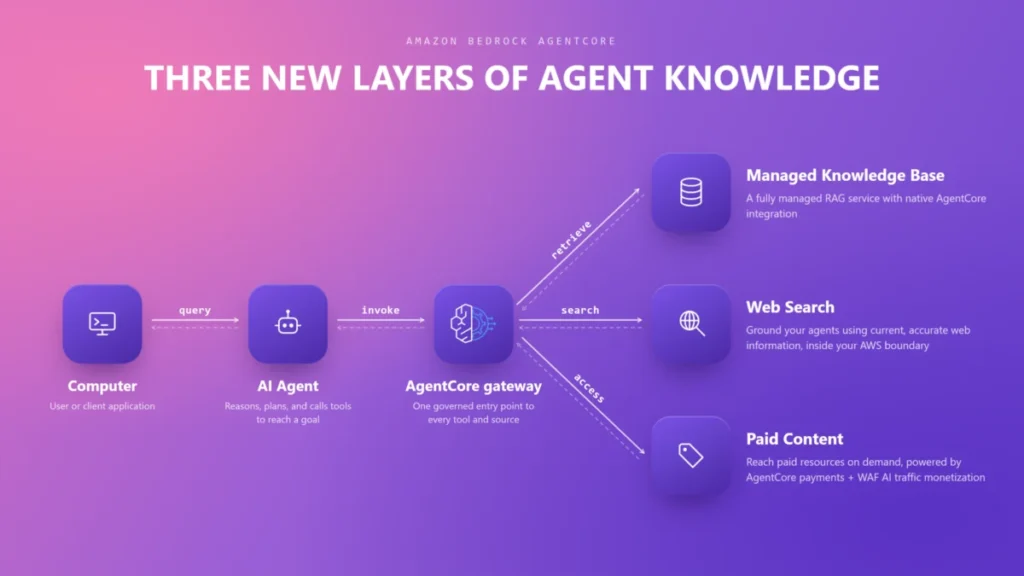
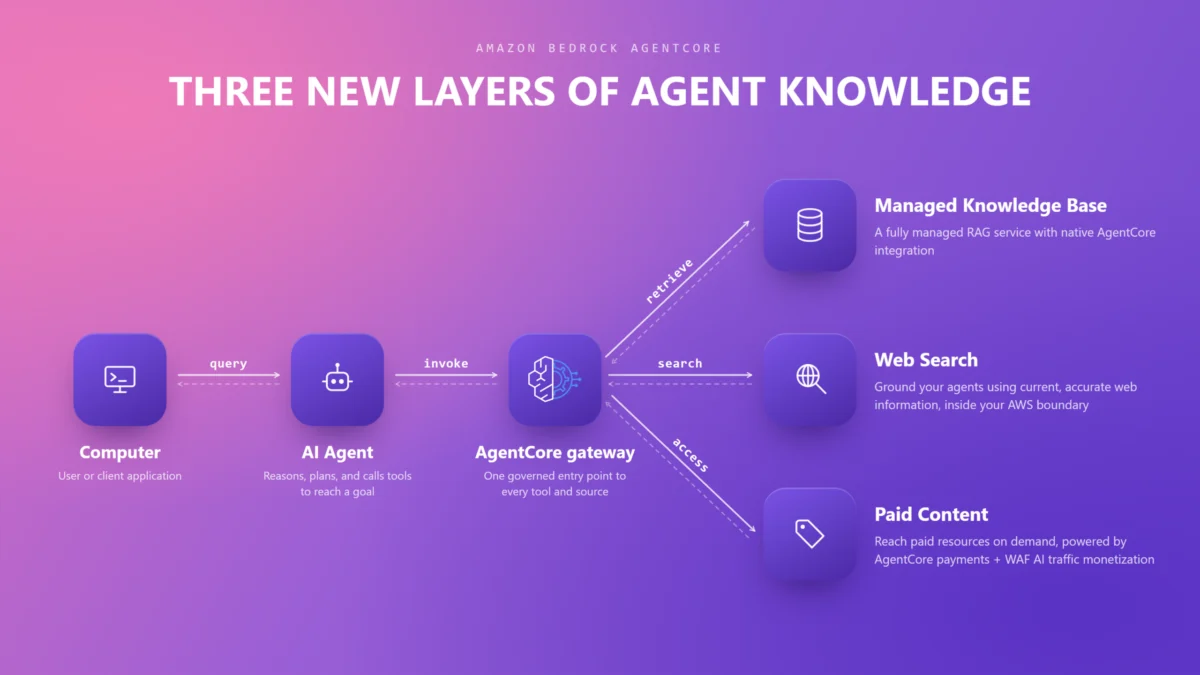
- Amazon Bedrock AgentCore: A significant evolution in how developers build agents, now capable of integrating organizational knowledge, live web data, and paid subscriptions.
- Autonomous Workplace Agents: The introduction of specialized agents within Amazon Quick that operate in the background to handle complex workflows like order processing, sales CRM monitoring, and automated follow-up communication.
- Enhanced Governance and Observability: New tools that allow organizations to scale AI agents while maintaining strict control over their operational boundaries.
These updates represent a strategic move by AWS to capture the enterprise market, where the ability to audit, secure, and govern AI behavior is as critical as the performance of the underlying models themselves.
Chronology of the Shift
The road to the 2026 Summit has been characterized by rapid iteration.
- Q1 2026: AWS began quietly rolling out expanded context windows for Bedrock, allowing for longer-term memory in agentic workflows.
- Early June 2026: Beta testing of "AgentCore" capabilities commenced with select enterprise partners, focusing on the integration of disparate data sources.
- June 17, 2026: The official keynote at the AWS Summit NYC served as the public unveiling, demonstrating real-world applications of these agents in live production environments.
- June 18, 2026: AWS issued supplemental updates, rolling out additional enterprise-grade support and security patches for the newly launched agent frameworks, signaling a rapid deployment phase for customers.
The Evolution of Amazon Bedrock AgentCore
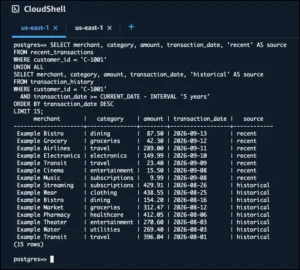
The most technical hurdle in AI adoption has long been the "hallucination gap"—the tendency for models to act confidently without access to a business’s actual, real-time data. The new enhancements to Bedrock AgentCore are designed to bridge this gap by enabling agents to query "Knowledge Layers."
Bridging the Knowledge Gap
By allowing agents to tap into internal organizational silos (such as proprietary wikis and databases) alongside live web and paid data feeds, Amazon is positioning Bedrock as the "brain" of the modern corporation. Unlike previous iterations that required heavy RAG (Retrieval-Augmented Generation) infrastructure setup by the user, AgentCore now automates much of the orchestration, allowing developers to focus on the business logic rather than the plumbing.
Governance at Scale
As agents become more autonomous, the risk of "runaway agents" increases. AWS has introduced a new governance framework that allows administrators to set guardrails that scale. This means an agent can be permitted to draft a sales email but restricted from finalizing a financial transaction without human-in-the-loop (HITL) authorization. These controls are baked into the AgentCore lifecycle, ensuring that as agents grow more capable, the safety parameters grow with them.
Amazon Quick: The New Autonomous Workforce
Perhaps the most disruptive announcement of the summit was the debut of Amazon Quick, a set of autonomous agents specifically designed for the workplace. This is not a chatbot; it is a digital colleague.
Specialized Expertise
Amazon Quick agents are defined by their specialization. For instance, a finance-focused agent can ingest incoming invoices, cross-reference them against procurement databases, and flag discrepancies in real-time. A sales agent, meanwhile, can monitor CRM interactions, email threads, and Slack channels to synthesize the health of a client relationship.
The Unified Activity Feed
The most user-centric aspect of Amazon Quick is the new "Activity Feed." Modern professionals are plagued by "context switching"—the mental exhaustion caused by jumping between emails, messages, and task management tools.
The Amazon Quick Activity Feed consolidates these streams into a single, prioritized view. Through machine learning, the agent learns the user’s habits: it understands which messages require immediate attention, which threads can be archived, and which topics are dominating the user’s weekly agenda. By automating the triage of communication, Amazon claims that professionals can reclaim hours of productive time previously lost to digital clutter.

Supporting Data and Technical Architecture
The architecture behind these new capabilities relies on a "Continuous Learning" loop. In the past, AI models were static; once deployed, they remained as they were until a developer pushed an update. The new AgentCore framework introduces an observational layer that monitors where agents fail or struggle in production.
When an agent hits a bottleneck—perhaps it fails to find the right file or misinterprets a specific corporate policy—that interaction is flagged for human review. Once corrected, the agent updates its internal "knowledge layer," ensuring the error is not repeated. This feedback loop is the engine behind the "continuous improvement" model that AWS emphasized throughout the Summit.
Official Responses and Industry Context
Swami Sivasubramanian’s keynote address underscored a shift in AWS’s philosophy: "The era of the ‘AI assistant’ is ending. We are now entering the era of the ‘AI agent’—systems that don’t just talk, but do."
Industry analysts present at the Summit noted that this is a direct response to the increasing demand for "agentic workflows" in the enterprise. With competitors like Microsoft and Google also pushing heavily into agent-based architectures, AWS is betting on its deep integration with existing corporate data infrastructure as its primary competitive advantage.
"The goal is not to replace the human worker," Sivasubramanian stated during a post-keynote Q&A, "but to elevate them. We want to remove the drudgery of operational work—the monitoring of emails, the reconciling of spreadsheets—so that humans can focus on the creative and strategic decisions that machines cannot make."
Implications for the Future of Work
The introduction of these tools carries profound implications for organizational structure and labor.
1. The Rise of the "AI-Augmented Manager"
As agents take over the monitoring of workflows, the role of the middle manager will inevitably shift. The focus will move away from task tracking and toward "agent orchestration"—ensuring that the digital agents under their purview are properly governed, updated, and aligned with company goals.
2. Security and Compliance
With great autonomy comes significant risk. While AWS has built in robust controls, the burden of security now shifts toward the "policy layer." Companies must define, in detail, what their agents are allowed to see and do. This will likely give rise to a new class of "AI Compliance Officers" within IT departments.
3. Economic Efficiency
By automating the "background work" of business, organizations can theoretically operate with higher margins and faster reaction times. The ability to process a customer order, flag a supply chain risk, and draft a response within seconds—without human intervention—will create a new baseline for operational excellence.
Conclusion
The 2026 AWS Summit in New York City was more than just a product launch; it was a manifesto for the future of enterprise software. By evolving Bedrock into an agent-centric platform and introducing Amazon Quick, AWS is attempting to transform the computer from a tool that waits for commands into a partner that anticipates them.
As these tools begin to roll out to the broader AWS customer base, the success of the platform will depend on how effectively organizations can balance the power of autonomy with the necessity of control. One thing is certain: the workplace of 2027 will look significantly different than the one we inhabit today, and the "Agentic AI" revolution is the primary architect of that change.
For developers and business leaders alike, the message from the Javits Center was clear: the time to start building, testing, and governing your agentic workforce is now. The future of work is not just arriving—it is being coded, deployed, and managed, one agent at a time.