The Indie Renaissance: Navigating the Golden Age of Tabletop Roleplaying Games
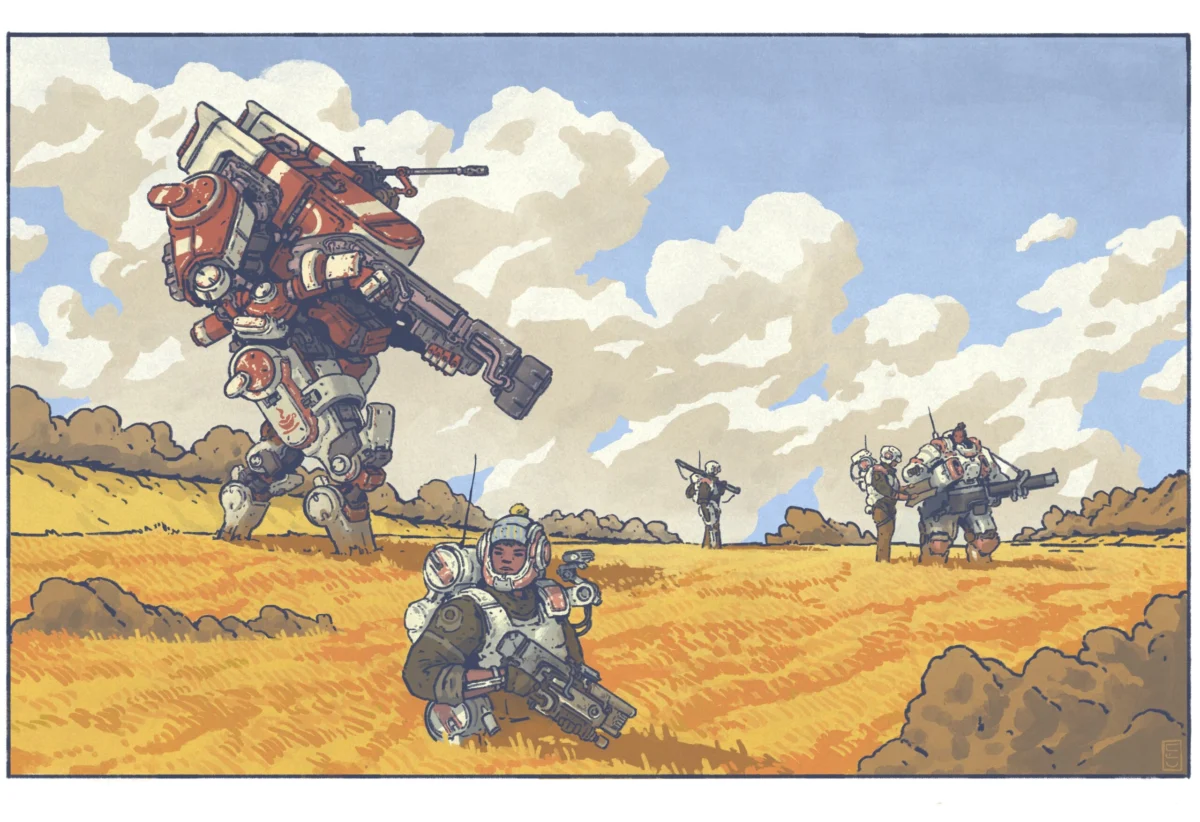
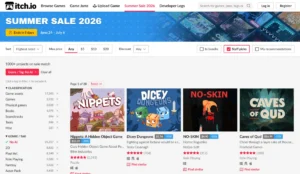
The landscape of tabletop roleplaying games (TTRPGs) has undergone a seismic shift over the last decade. For years, the hobby was defined by a singular monolith—the "World’s Most Popular Game"—which dominated retail shelves, convention tables, and cultural discourse. However, the democratization of publishing, fueled by platforms like itch.io and the rise of digital crowdfunding, has ushered in a bona fide renaissance.
Today, players are no longer restricted to the high-fantasy constraints of legacy systems. Instead, they are presented with an explosion of diverse mechanics, experimental narratives, and evocative aesthetics. Yet, this abundance of choice has created a new challenge: "analysis paralysis." To navigate this vast, creative frontier, we look at four foundational pillars of the indie RPG movement that demonstrate the sheer breadth of what the medium can achieve.
The Evolution of the Indie Ecosystem: A Chronology
The trajectory of the indie TTRPG scene can be traced through the evolution of community-driven platforms and the shifting expectations of the modern player.
- Pre-2010 (The Monopoly Era): The market was characterized by a lack of diversity in both mechanics and themes. Barriers to entry for independent designers were exceptionally high due to the costs of physical printing and distribution.
- 2013–2016 (The Digital Surge): The rise of itch.io as a hub for independent game developers began to bridge the gap between digital creators and tabletop enthusiasts. This era saw the birth of "rules-light" design philosophies that prioritized narrative flow over dense, mathematical simulation.
- 2017–2020 (The Mechanical Pivot): Landmark titles like Blades in the Dark shifted the industry standard. Designers began focusing on "system-as-theme," where the rules of the game were inextricably linked to the narrative tone.
- 2021–Present (The Aesthetic Revolution): The success of projects like Mörk Borg proved that TTRPG books could function as pieces of high-concept art. The hobby expanded into niche genres, including mech-warfare, industrial horror, and "micro-RPGs" that fit on a single sheet of paper.
Pillars of the Indie Renaissance: A Curated Overview
To understand the current state of the industry, one must look at games that redefine what a "tabletop experience" entails.
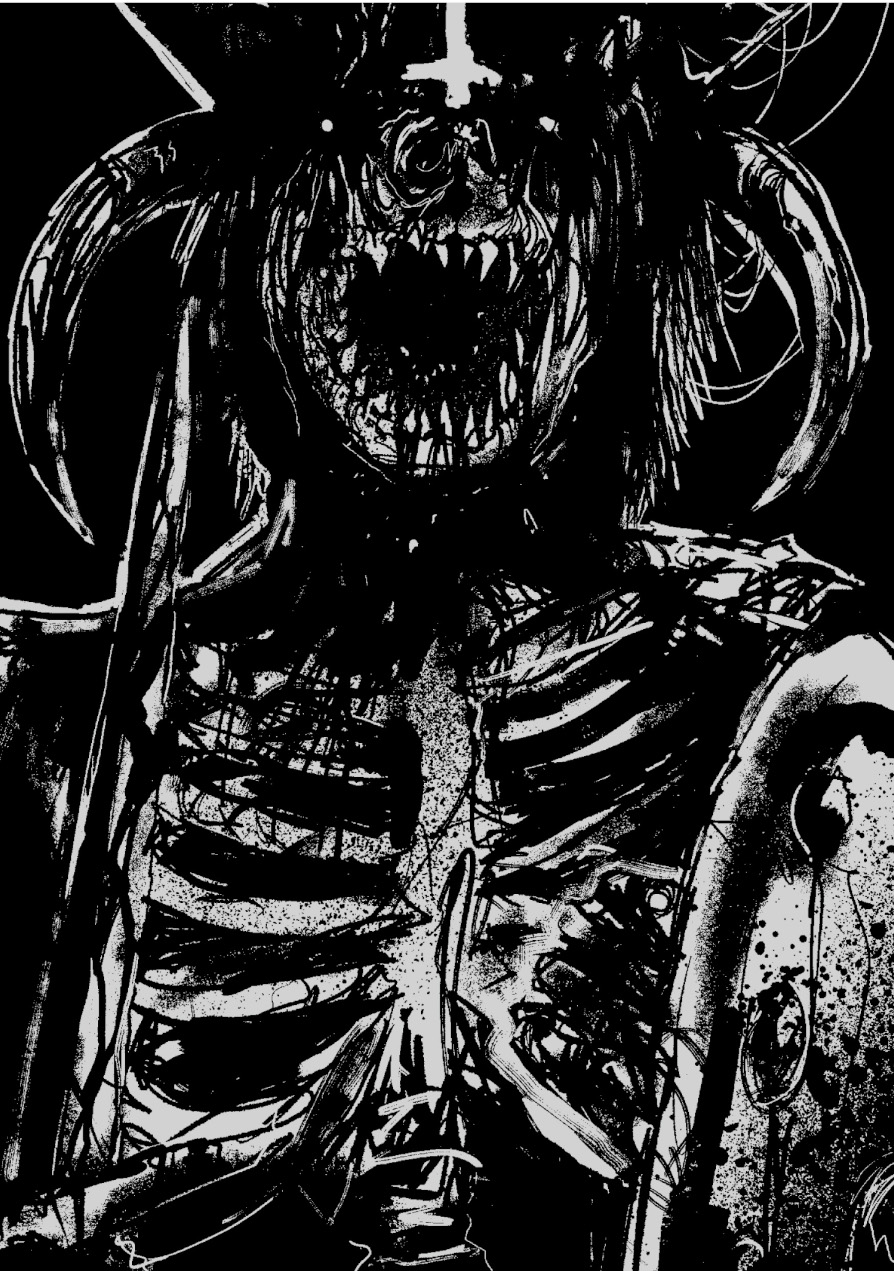
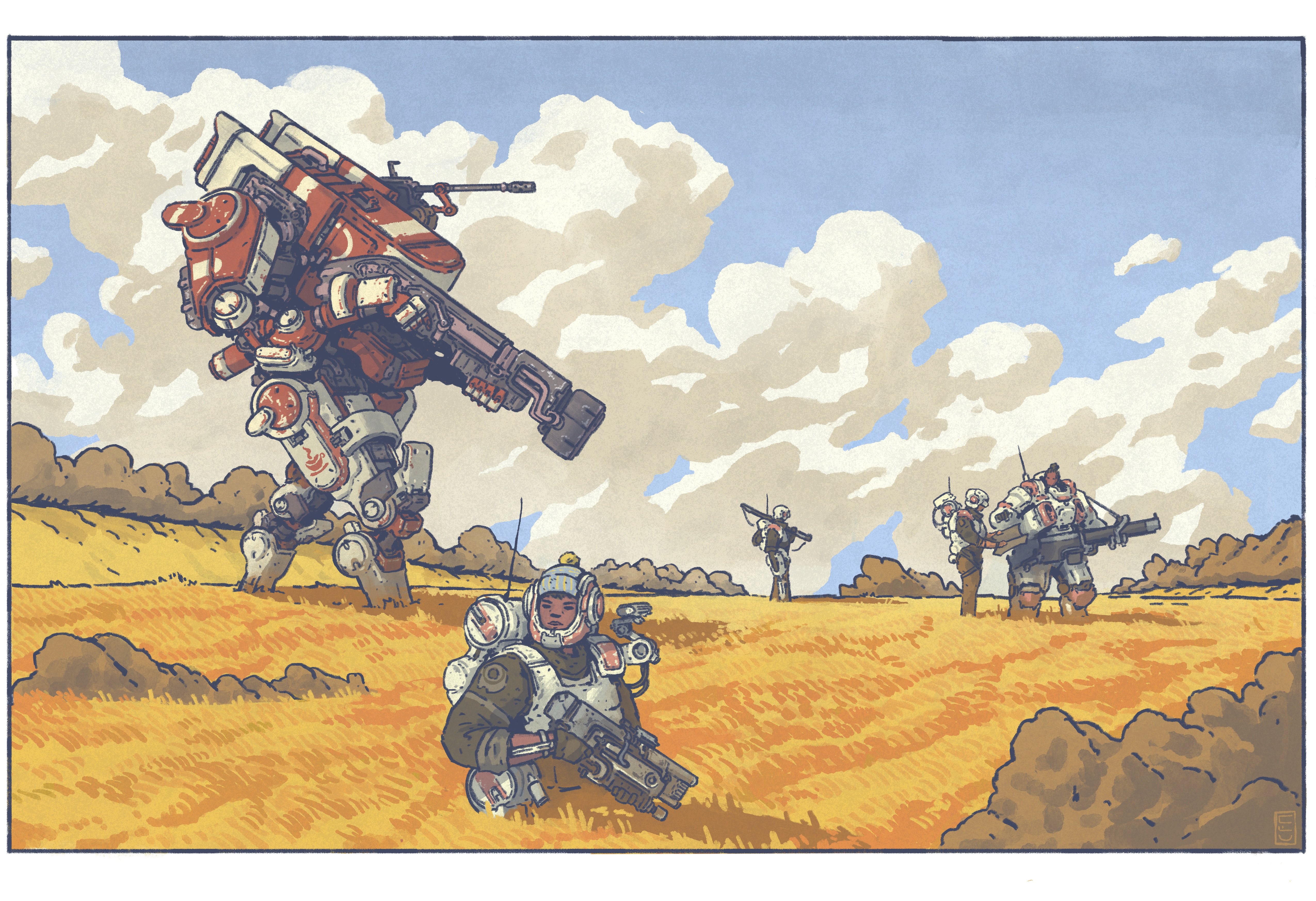
Lancer: The Industrial Mech Odyssey
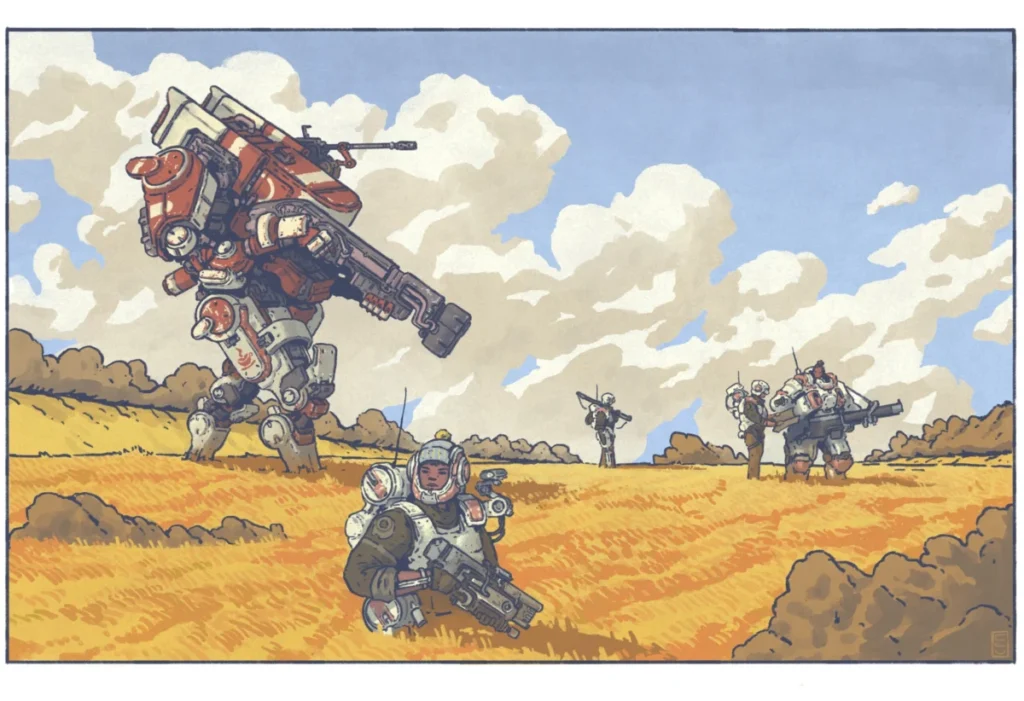
Lancer (Massif Press) stands as a testament to the power of specialized design. It is a "mechs and mud" RPG that thrives on a deliberate, binary structure: the separation of high-stakes, tactical combat and character-driven conversation. By bifurcating these two pillars of play, Lancer allows for intense, crunchy combat without sacrificing narrative momentum.
Supported by an robust suite of digital tools—including a comprehensive online character tracker—and a steady stream of expansion modules, Lancer has evolved from a niche project into a powerhouse of the sci-fi genre. Its most recent starting adventure, designed specifically for newcomers, proves that deep tactical complexity does not have to be inaccessible.
Blades in the Dark: The Art of Industrial Fantasy
If Lancer is about the precision of combat, John Harper’s Blades in the Dark is about the beauty of chaos. Set in the soot-choked, supernatural industrial metropolis of Doskvol, the game introduces the "Position and Effect" system. This mechanic forces players to consider the risk of their actions before they roll, turning every decision into a high-stakes gamble.
The game’s true innovation, however, is the "flashback" mechanic. By allowing players to narrate past preparations in real-time, the game eliminates the tedious "planning phase" that often stalls other RPG sessions. In Blades, you aren’t just playing a character; you are directing a heist movie where everything is constantly going wrong—and that is exactly where the fun happens.
Tunnel Goons: Minimalism as a Philosophy
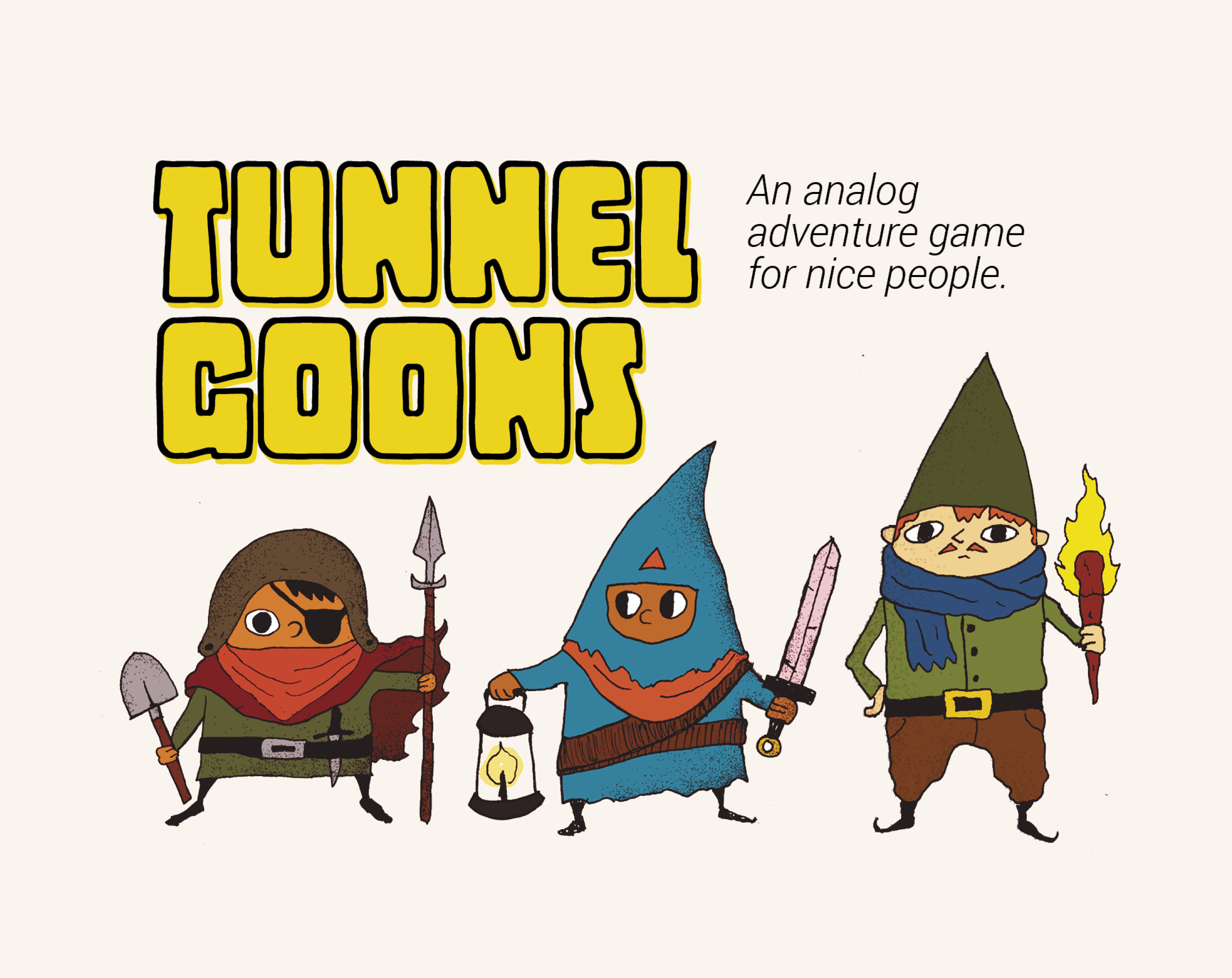
Not every game needs a three-hundred-page manual. Tunnel Goons by Nate Treme represents the "rules-light" movement at its most effective. Billed as an "Analog adventure game for nice people," this system occupies a mere two pages of text.
The design philosophy here is simple: if the rules get in the way of the story, delete the rules. With a core mechanic revolving around two six-sided dice, Tunnel Goons is designed for maximum accessibility. It is the perfect entry point for those intimidated by the sheer density of mainstream RPGs, proving that creativity flourishes best under constraint.
Mörk Borg: The Aesthetic Vanguard
Perhaps the most polarizing and influential entry in modern indie gaming is Mörk Borg. Often described as "black metal, old-school revival," the game is an exercise in nihilism. Players control doomed souls in a dying world, with character death occurring with such frequency that the game shifts the focus from character development to gear acquisition and survival.
The true breakthrough of Mörk Borg is its visual design. By utilizing a high-contrast palette of neon yellow and pitch black, combined with chaotic typography and experimental layout, the developers created a book that is as much an art object as it is a rulebook. Its success has spurred a new wave of "art-punk" RPGs, demonstrating that the visual identity of a game is just as vital as its mechanics.
Supporting Data: Why the Indie Shift Matters
The success of these titles is not merely anecdotal. According to industry reports from independent marketplaces, the volume of unique tabletop titles published annually has increased by over 400% since 2018. This shift is driven by three primary factors:
- Low Barrier to Entry: The adoption of digital-first distribution models allows designers to reach a global audience without the overhead of physical shipping.
- Community Feedback Loops: Unlike traditional publishers, indie designers often utilize "Early Access" models, allowing the player base to influence balance and content during the development cycle.
- Modular Design: Modern players increasingly prefer "plug-and-play" modules—smaller, affordable content drops that expand an existing game rather than requiring the purchase of massive, expensive hardcovers.
Official Perspectives and Community Discourse
The indie TTRPG community is characterized by an active, often self-reflective dialogue. Comments from veteran players on forums like itch.io highlight a growing desire for diversity in playstyles.
"The best part about this movement," notes one community member, "is the willingness to share tools." Many creators have adopted open-source licenses, allowing other designers to build upon their systems. This has led to an ecosystem of "hacks"—modifications of existing rulesets that allow for endless variations of theme and setting.
However, some established figures in the industry have cautioned that the sheer volume of new content can lead to "discoverability issues." With thousands of games released annually, high-quality projects sometimes struggle to gain traction against titles with larger marketing budgets. This has led to the rise of community-curated digests and review blogs that act as vital gatekeepers in an otherwise oversaturated market.
Implications for the Future of Gaming
The rise of indie TTRPGs has profound implications for the future of interactive entertainment.
- The Death of the "One-Size-Fits-All" Game: The industry is moving away from the idea that a single system can cater to every player. Instead, we are seeing the rise of "micro-genres"—games specifically designed to emulate the feel of a slasher movie, a political thriller, or a space opera, rather than trying to force those themes into a generic fantasy mold.
- The Professionalization of Indie: As these games gain popularity, we are seeing the emergence of independent publishing houses that rival traditional companies in quality, while maintaining the creative freedom that defines the indie scene.
- Accessibility: The move toward free "barebones" versions of core books, as seen with Mörk Borg, suggests a shift in business models. Developers are increasingly viewing the core rules as a gateway to broader merchandise, community engagement, and expanded narrative content.
Ultimately, the indie TTRPG renaissance is about empowerment. It is about the realization that a game is not just a commercial product sold in a box, but a conversation between the designer and the player. Whether you are looking for the tactical depth of Lancer, the narrative intensity of Blades in the Dark, the simplicity of Tunnel Goons, or the raw aesthetic power of Mörk Borg, the current landscape offers a seat at the table for everyone. The choice is no longer about which game is the "most popular," but rather which story you want to tell next.